





Victorian Copper Bowl
A victorian copper bowl brings warmth and utility to a room, offering heavy gauge metal and hand-hammered surfaces shaped for domestic life.
Victorian Copper Bowl
A victorian copper bowl encompasses domestic vessels intended for utilitarian tasks as well as decorative display, originating mainly across the nineteenth century. These objects bridge the gap between heavy kitchenware and nineteenth-century interior ornament.
Origins stretch from English country houses to colonial workshops, bringing distinct regional forms such as Mamluk Revival brass and mixed metal pieces and Indian ceremonial bowls into the mix.
How they were made
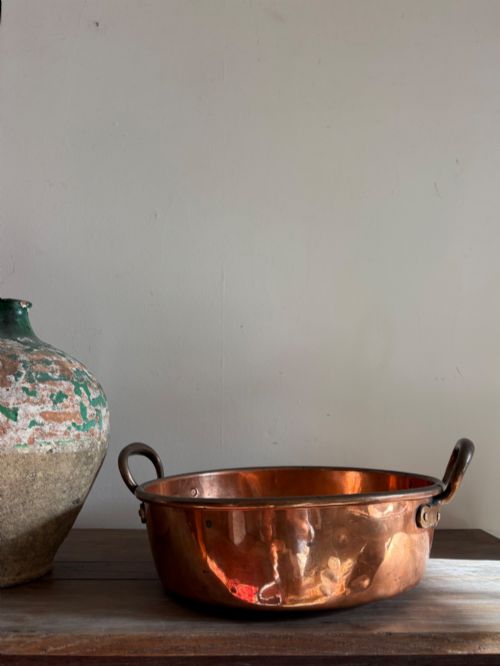
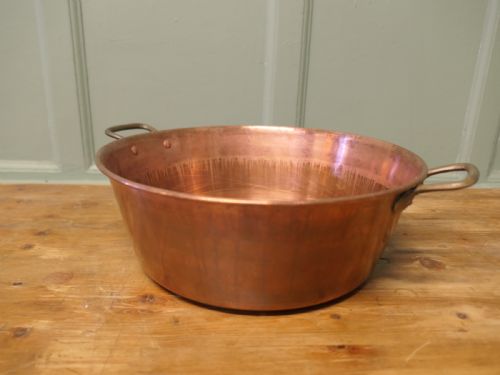
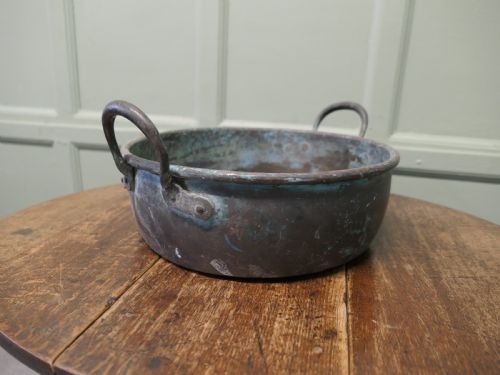
Makers utilised heavy sheet copper, often shaped by hand with visible hammering marks and reinforced iron handles or brass fittings. Silver plating on copper also appears in wine coolers and punch bowls from the period.
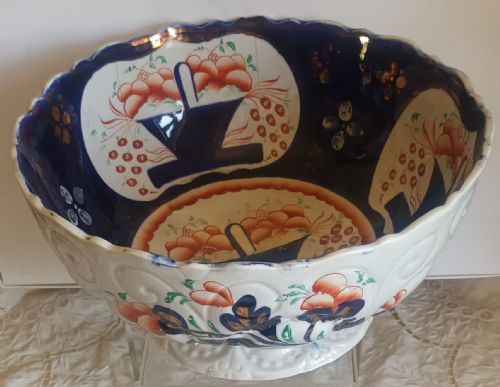
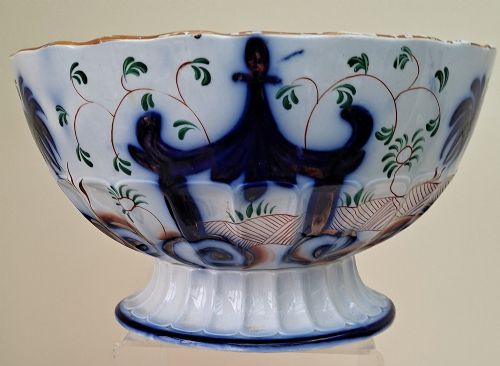
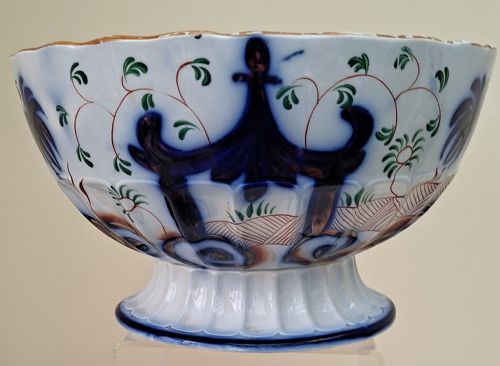
Pottery examples in earthenware display cobalt glaze and painted patterns like the Basket of Flowers or Pagoda designs. Mixed metal techniques combine brass and copper elements in cairoware and revival styles.
Victorian Copper Bowl Retail Price Guide 2026
Typical asking prices for victorian copper bowl among the pieces listed under this phrase on Sellingantiques today, from the lower quarter to the upper quarter. They describe what is for sale here now, not the wider market.
Several heavy grain measures survived centuries of farm life to become decorative indoor planters.
What varies in quality
Thickness of the metal plate and the weight of the piece dictate durability and substance, separating substantial kitchen vessels from lighter decorative items. Heavy gauge copper pans demonstrate superior structural integrity.
The crispness of hand-hammered detailing and the preservation of original handles, rivets, or mounts determine aesthetic distinction. Maker attribution, such as signed Hodges & Sons pieces, elevates the standing of an item.
Hodges And Sons
The Victorian Copper Bowl Glossary
- Cairoware
- Nineteenth-century European or Middle Eastern metalware featuring intricate inlaid brass and copper decoration inspired by Islamic art. This style reflects Victorian enthusiasm for exotic design.
- Gaudy Welsh
- A type of colourful pottery popular in the nineteenth century featuring cobalt blue, copper lustre, and pink accents. These ceramics often take the form of footed bowls and basins.
- Preserving pan
- A wide, shallow metal vessel designed for boiling fruit and sugar to make jam. These pans frequently feature strong double handles for lifting heavy loads.
- Jardiniere
- An ornamental pot or stand designed to hold a plant or floral arrangement. They appear in copper and brass across Victorian interiors.
- Silver plate on copper
- A technique where a thin layer of silver is fused to a copper base metal, offering the appearance of solid silver. This method is common in wine coolers and punch bowls.
Victorian Copper Bowl: Frequently Asked Questions
What is a victorian copper bowl used for?
These vessels served practical domestic roles in nineteenth-century kitchens, functioning as preserving pans for jam or grain measures for dry goods.
Today, buyers repurpose them as planters, jardiniere displays, or decorative centerpieces in contemporary living spaces.
How do I clean a victorian copper bowl?
Maintenance depends on whether you prefer a bright polished shine or the deep, dark patina accumulated over a century.
Gentle cleaning with appropriate metal creams preserves the historic surface without stripping away the character of the piece.
Are these bowls made of solid copper?
Many listings consist of heavy gauge solid copper, often paired with iron handles, brass rims, or riveted construction.
Other examples involve silver plate on copper, earthenware pottery, or mixed metal cairoware compositions.
How can I tell the age of a copper bowl?
Age is indicated by manufacturing methods such as hand-hammering, dovetailed seams, and heavy iron or brass attachments typical of the nineteenth century.
Specific design styles, including Mamluk Revival and Gaudy Welsh pottery patterns, also help narrow down the period.