



Victorian Commercial Cabinet
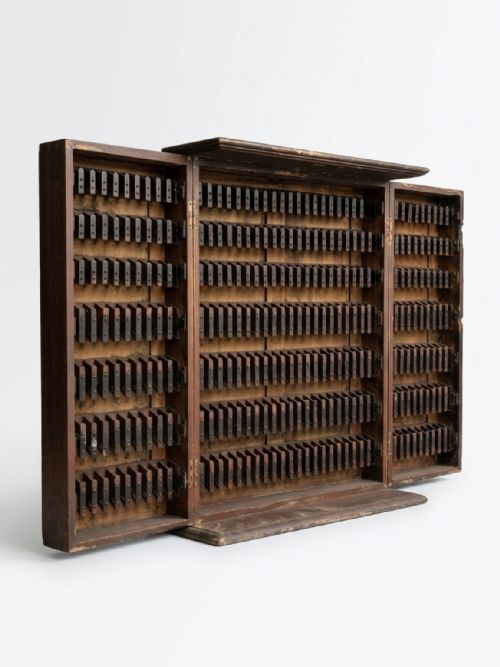
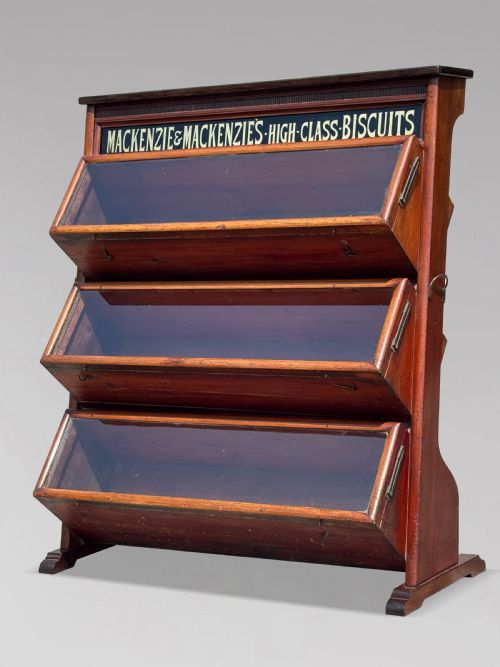
These pieces of victorian commercial cabinet embrace shop fittings, display cases and haberdashery chests built to showcase and store retail goods.
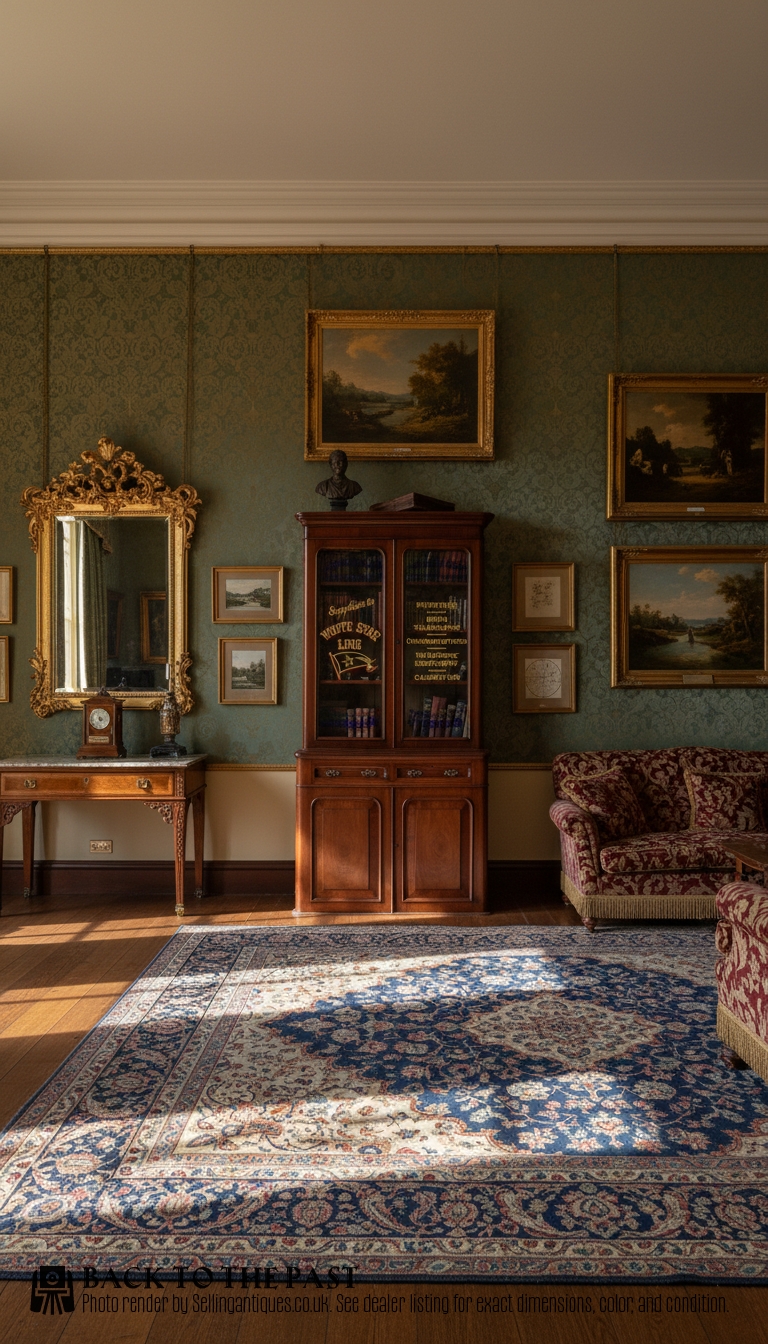
Victorian Commercial Cabinet
A victorian commercial cabinet covers trade furniture built for retail spaces, pharmacies, drapers and grocers during the nineteenth and early twentieth centuries. These works include glass display cases, bank of drawers, haberdashery chests and shop counters designed for functional service and public advertising.
The versions met most frequently on this page span mahogany and pine shop fittings, often bearing period hand sign writing for confectionery, tobacco or pharmacy goods. Many retain original glazing, brass hardware and adjustable internal elements suited to commercial display.
Materials and construction
Makers utilised dense timbers such as mahogany, oak and fruitwood alongside secondary pine and structural iron to build robust shop furniture capable of daily trade use. Glass panels and mirrored interiors were integrated into display cabinets to maximise light and visibility for retail merchandise.
Surface finishes range from polished hardwood and painted pine to applied hand sign writing and brass fittings. Joinery relies on heavy drawers, glazed doors and fitted shelving designed to withstand commercial wear.
Victorian Commercial Cabinet Retail Price Guide 2026
Typical asking prices for victorian commercial cabinet among the pieces listed under this phrase on Sellingantiques today, from the lower quarter to the upper quarter. They describe what is for sale here now, not the wider market.
Listings feature trade furniture constructed from mahogany, oak, pine and fruitwood, paired with original brass hardware and glass.
Evaluating standard and survival
The standard of a victorian commercial cabinet rests on the integrity of its original glazing, timber selection and surviving trade signage. Pieces retaining authentic manufacturer lettering, original paint finishes or specialised internal configurations command greater interest.
Lower tiers often show heavy adaptation, replaced glass panels or stripped surfaces that obscure the original commercial identity. Superior examples maintain their operational hardware, such as working brass locks, original drawers and undisturbed patina from active retail environments.
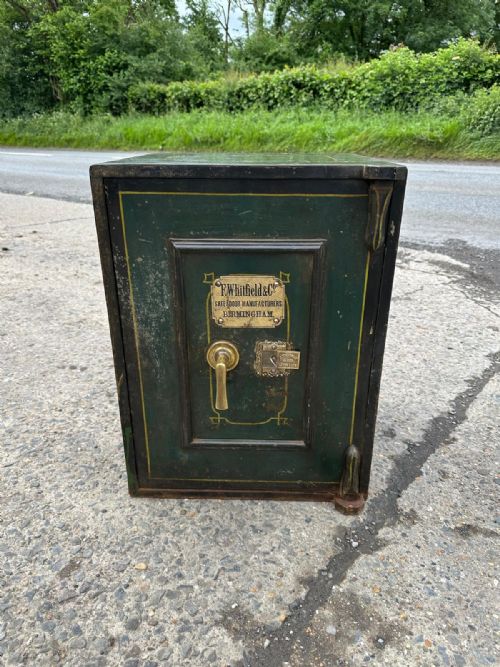
F. Whitfield & Co.·John Stow Ltd of Bradford·Manoah Rhodes & Sons Ltd
The Victorian Commercial Cabinet Glossary
- Haberdashery cabinet
- A multi-drawer store chest traditionally utilised for small sewing goods, ribbons and drapery items. These units often feature glazed drawer fronts or pull-out glass trays.
- Shop fitting
- Custom furniture built to outfit a retail interior, including counters, wall cases and shelving units. Such pieces were designed specifically for customer service and merchandise display.
- Sign writing
- Hand-painted lettering applied directly to wood or glass to advertise specific brands, shop names or commodities. This lettering forms a key part of period commercial provenance.
- Vitrine
- A glass display case or cabinet designed to protect and exhibit delicate retail items or luxury goods. These enclosures rely on timber framing and clear glass panels.
- Bank of drawers
- A large assembly of numerous storage drawers built into a single housing for organised stock keeping. They are frequently found in apothecary, chemist and drapery establishments.
Victorian Commercial Cabinet: Frequently Asked Questions
What is a victorian commercial cabinet?
A victorian commercial cabinet is a piece of retail furniture built during the nineteenth or early twentieth century for trade use. These items include display cases, haberdashery chests, chemist fittings and shop counters.
They were constructed by merchants and cabinetmakers to store, protect and advertise goods directly to the public in shops, pharmacies and department stores.
How were these cabinets used?
Merchants utilised these cabinets to organise stock and display merchandise securely to customers within busy retail environments. Glass-fronted vitrines and counters showcased delicate items while keeping them free from dust and handling.
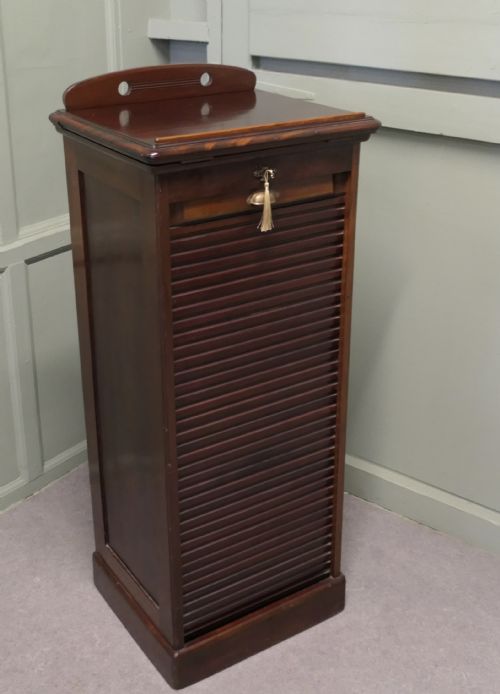
Bank of drawers and ticket cupboards held small inventory items like threads, pills or railway supplies, keeping trade materials sorted behind shop counters.
How do I identify original sign writing?
Original sign writing on these cabinets consists of hand-painted lettering applied directly to the timber or glass surface during the period of use. The paint shows natural ageing, craquelure and integration with the surrounding patina.
Modern reproductions typically feature flat, uniform lettering without the appropriate wear patterns or historical advertising context associated with nineteenth-century trade.
Where did these shop fittings originate?
These shop fittings originated in British retail establishments, including drapers, grocers, chemists and watchmakers' workshops. They were produced by regional cabinetmakers and specialised trade furnishers.
Many pieces bear the names of specific nineteenth-century businesses, pharmacies or confectioners through surviving paper labels, brass plaques or painted fascia advertising.
How do I care for an antique shop counter?
Care for an antique shop counter by maintaining stable indoor humidity levels and avoiding direct sunlight that can fade painted surfaces or dry out timber. Gentle dusting with a dry cloth preserves the original polish and wax.
Avoid harsh chemical cleaners on glass panels, brass hardware and hand-painted sign writing to protect the historical surface finish.