


Victorian Coastal Scene Painting
These works capture the salt air and rugged shores of the nineteenth century through oil and watercolour.
Victorian Coastal Scene Painting
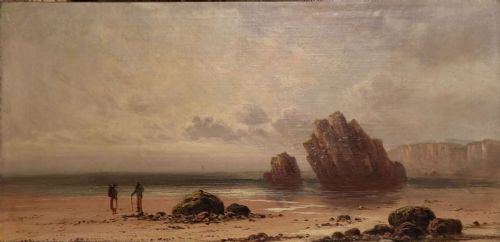
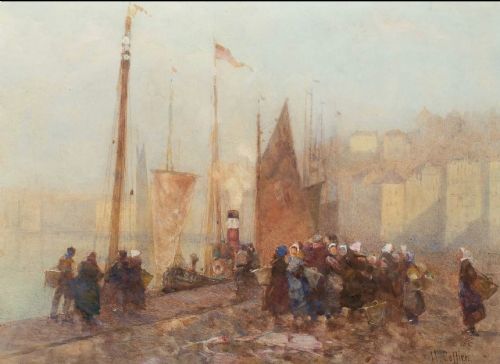
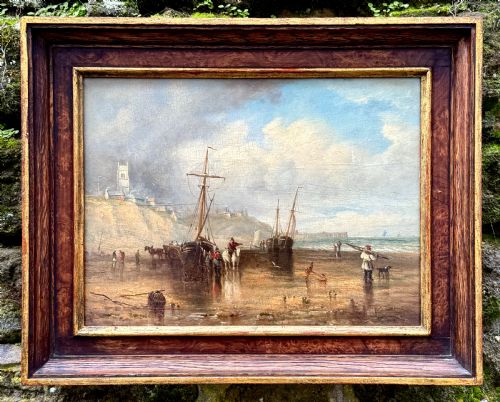
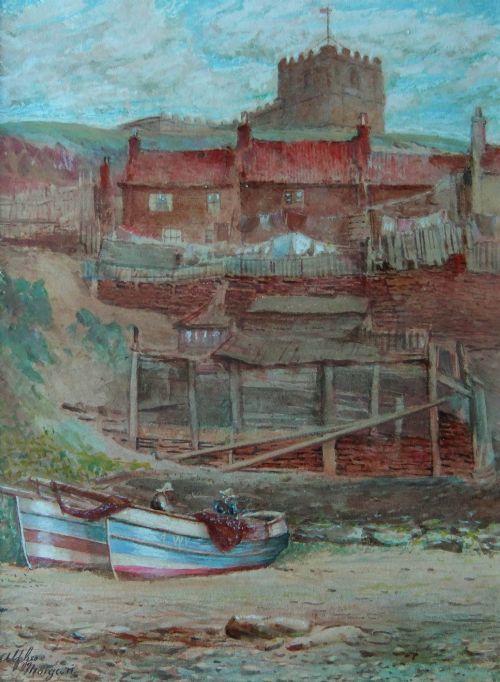
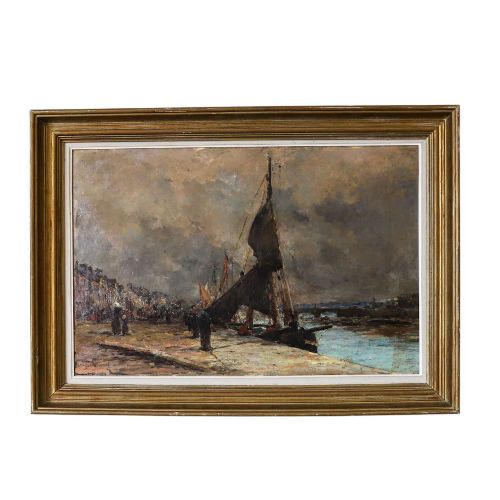
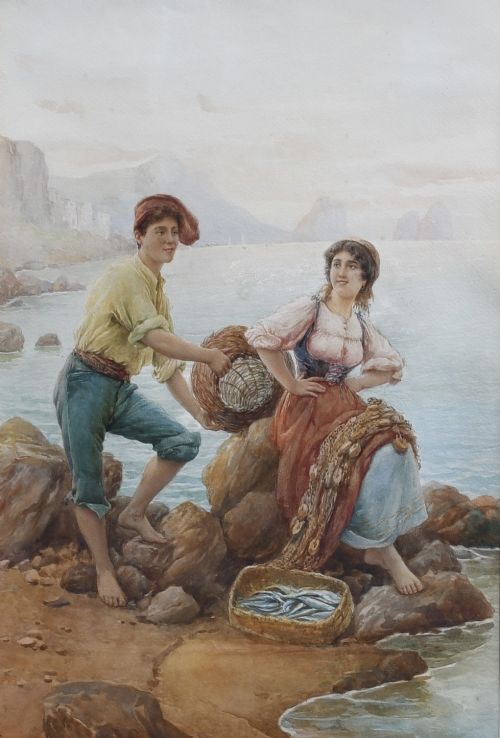
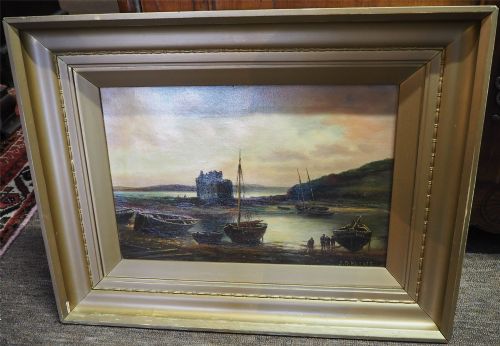
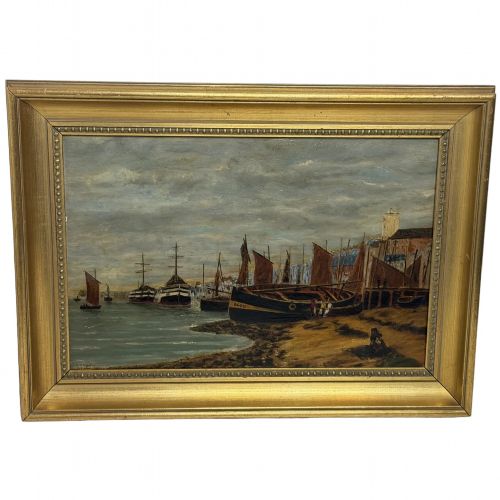
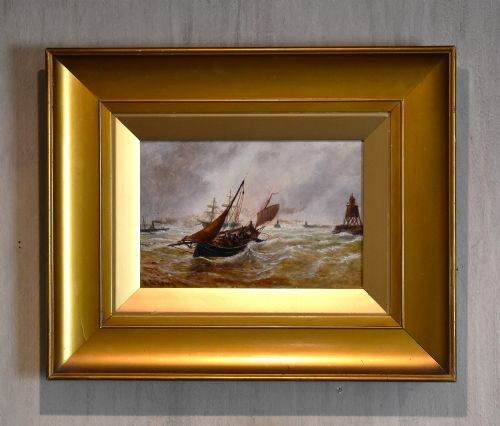
A victorian coastal scene painting records maritime life, busy harbours, and rocky shores from the nineteenth century onwards. You will most frequently encounter works executed in oil on canvas or delicate watercolour on paper.
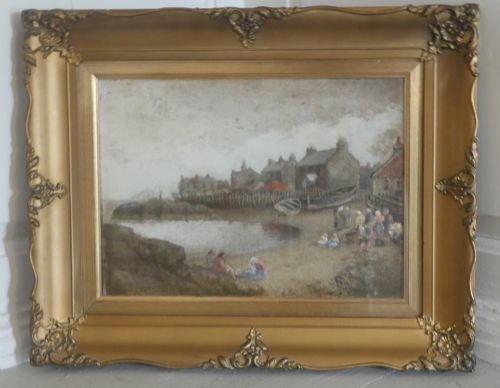
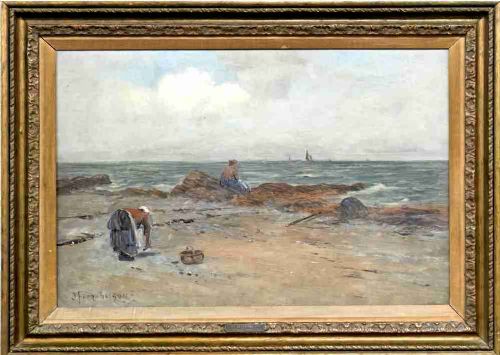
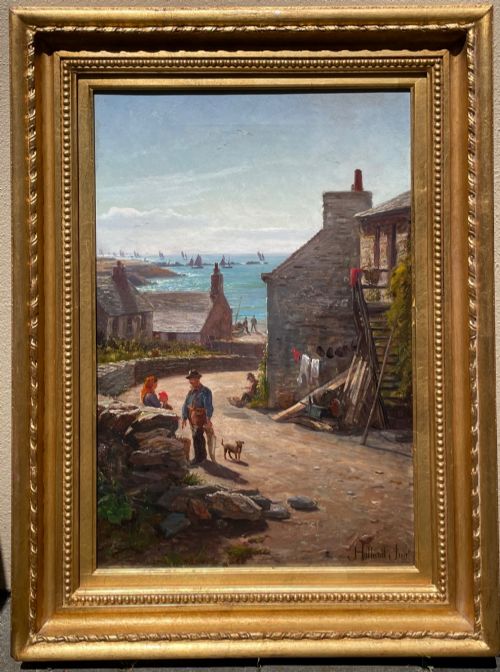
The subjects range from tranquil village ports in Cornwall and Whitby to dramatic seascapes featuring fishing boats and rugged sea stacks. Many pieces include human figures, such as fisherfolk, oyster pickers, and local inhabitants going about daily coastal tasks.
Materials and execution
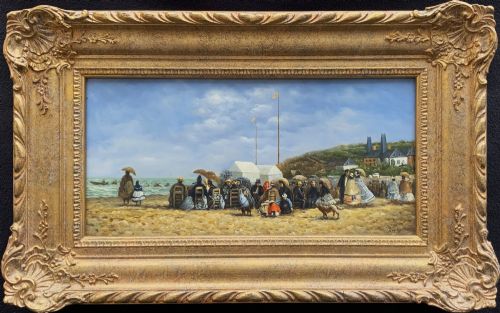
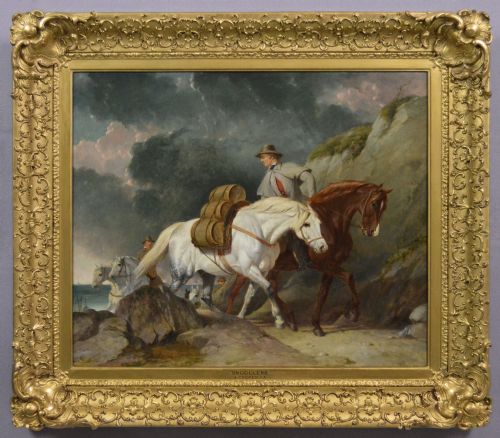
Artists relied primarily on oil paint applied to canvas or wood panels, alongside watercolours worked on paper. These were housed in substantial surrounds, often utilising gilt wood and gesso frames to complement the maritime subject matter.
Brushwork varies from the tight detail of traditional topographical views to the looser application found in impressionistic marine art. The handling of light on water and sky remains central to the construction of each composition.
Listings feature works spanning the nineteenth and early twentieth centuries, rendered in oil, watercolour, and mixed media on paper or canvas.
Evaluating the standard
Quality rests in the fidelity of the atmospheric light and the convincing movement of the water. Superior examples demonstrate a confident control of tone, capturing the specific quality of sea mists, dramatic storm clouds, or evening sunsets.
Compositional balance and the accurate depiction of maritime craft distinguish finer works from standard decorative pieces. The sensitivity shown in rendering human figures within the landscape also elevates an artist's output.
James Orrock·William Banks Fortescue·Hector Caffieri·Thomas Creswick·Alfred G Morgan·Abraham Cooper·Joseph Farquharson·Carlo Ferranti·John Holland·Bernard Benedict Hemy·Abraham Hulk I·William Edward Webb·Gustave De Bréanski·James Kyd·Thomas Bush Hardy·Colin H Greenwood·T S Wallis·George Gregory·William Pitt·James Webb·Claude Thomas Stanfield Moore·Frederick William Hattersley·James Thomas Watts·Kate E Booth
The Victorian Coastal Scene Painting Glossary
- Seascape
- A work of art depicting the sea, coastal views, and marine vessels. These compositions focus heavily on the interaction between land, water, and atmospheric conditions.
- Gesso
- A plaster-like mixture applied to wood frames before gilding or painting. It provides a smooth surface for ornate decorative mouldings surrounding maritime canvases.
- Impressionism
- A style of painting characterised by relatively small, thin, yet visible brush strokes and an accurate depiction of light. This approach appears in later nineteenth and early twentieth-century maritime works.
- Watercolour
- A paint wherein the colourants are suspended in a water-based solution. Artists use this medium on paper to achieve luminous, translucent effects in coastal scenes.
Victorian Coastal Scene Painting: Frequently Asked Questions
What subjects feature in these paintings?
The compositions show working harbours, fishing boats, rocky shorelines, and coastal paths.
Many incorporate local figures engaged in daily routines like gathering oysters, spreading nets, or launching vessels.
How do oil and watercolour differ here?
Oils offer rich textures and deep tones suitable for stormy seas and dramatic coastal light.
Watercolours provide a lighter, more translucent quality well suited to bright seaside atmospheres.
Where were these scenes usually painted?
Artists worked across various British and European coastal locations, including Yorkshire, Cornwall, and Norfolk.
Popular spots featured distinctive harbours, abbeys, and rugged cliffs that attracted travelling painters.
How should I display these framed works?
Hang them away from direct sunlight to protect delicate watercolours and traditional oil pigments.
Ensure they sit on walls free from excessive moisture fluctuations to preserve the antique wooden frames.