




Victorian Coastal Landscape Artwork
When exploring victorian coastal landscape artwork, you encounter maritime scenes capturing harbours, fishing boats, and shorelines across the nineteenth century.
Victorian Coastal Landscape Artwork
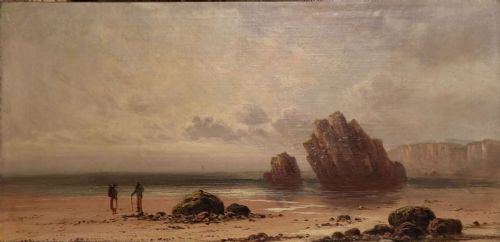
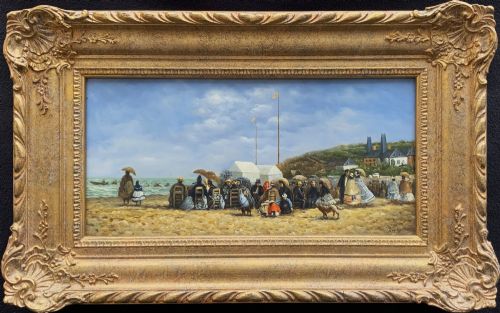
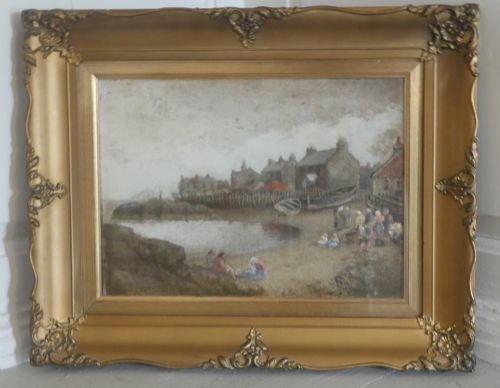
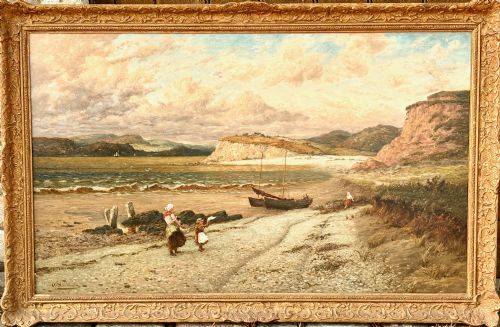
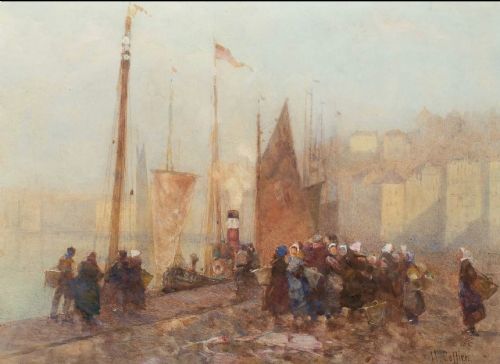
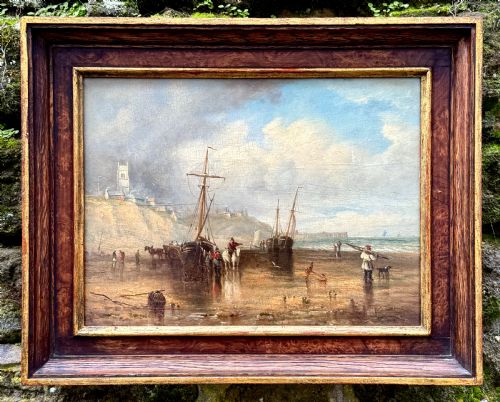
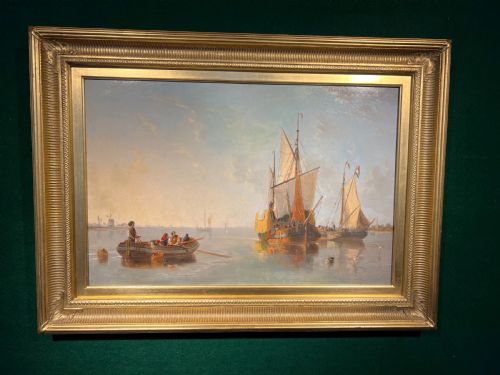
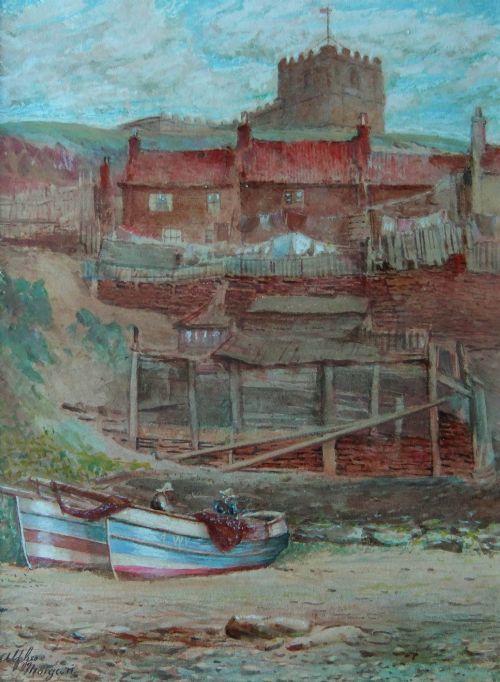
A victorian coastal landscape artwork encompasses oil paintings and watercolour paintings produced primarily during the nineteenth century and into the early twentieth century. These works depict specific British, European, and American coastal locations, frequently featuring working harbours, fishing vessels, and rugged shorelines.
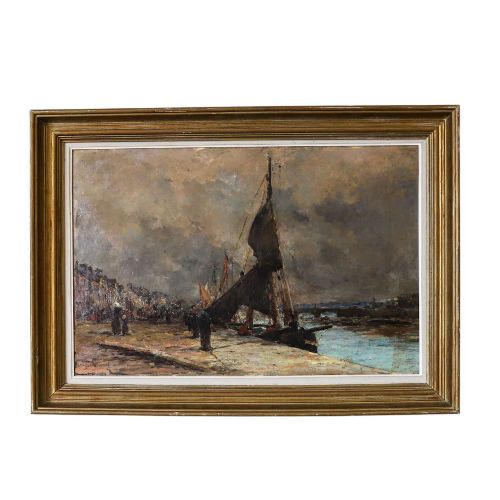
The most common examples on this page are framed oil paintings on canvas and delicate watercolour paintings on paper. Subjects range from busy scenes at St Ives and Scarborough to tranquil views of estuaries and cliffs.
These items reflect period artistic interests in maritime commerce, local fishing communities, and changing light over water. Painters recorded specific topography alongside atmospheric weather conditions typical of the nineteenth century.
How they were made
Artists utilised oil paint on canvas or board, applying pigments to build rich surface textures, or employed watercolour pigment on paper for transparent washes of light. Many watercolours and oils are preserved behind glass or within heavy gilt wood frames typical of the period.
Techniques varied between the fine detail favoured in mid-nineteenth-century topographical recording and the looser brushwork seen in later British impressionist or maritime pieces. Painters worked both en plein air and in studios using preparatory sketches gathered on coastal travels.
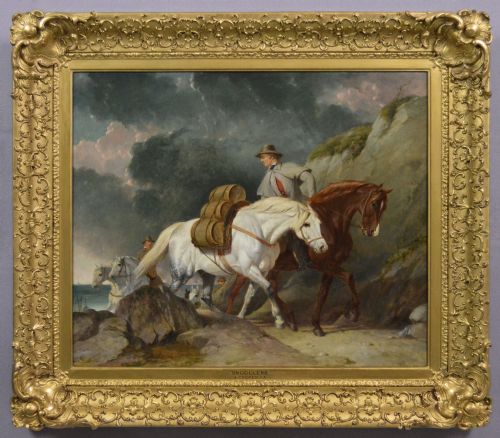
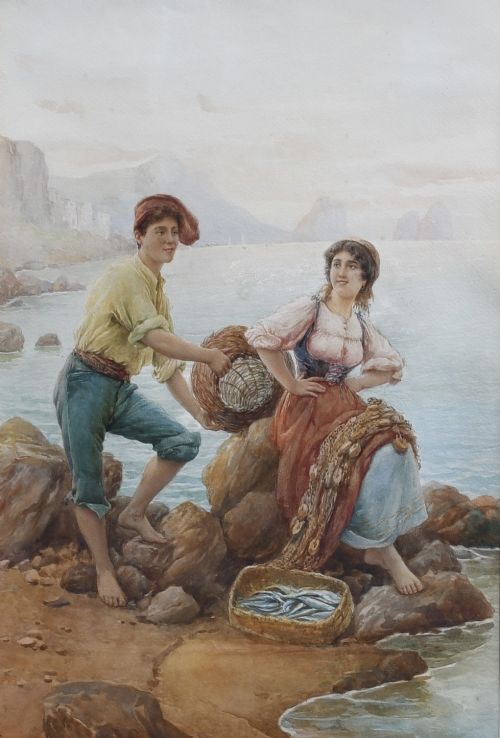
Smugglers with horses share the Cornish paths with quiet watercolour fishermen.
What varies in quality
Quality rests upon the skill of the draughtsmanship, the atmospheric handling of light and water, and the descriptive power of the brushwork. Master painters captured maritime movement and coastal light with precision, whereas lesser works rely on formulaic compositions and rigid perspective.
The sophistication of the palette and the confidence in rendering marine architecture, such as rigging or harbour walls, distinguish accomplished hands from competent regional practitioners.
James Orrock·William Banks Fortescue·Bernard Benedict Hemy·Thomas Creswick·John Wilson Carmichael·Alfred G. Morgan·Abraham Cooper·Carlo Ferranti·John Moore·William Henry Williamson·John Holland·Henry Barlow Carter·John Moxon·William Frederick Settle·John Bedloe Goddard·Charles William Adderton·William Edward Webb·Gustave De Bréanski·Thomas Newenham Dean·Arthur Tucker·Thomas Bush Hardy·Stanley Leader·William Greaves·Colin H Greenwood·John McDougal
The Victorian Coastal Landscape Artwork Glossary
- Watercolour
- A painting method where fine pigment is suspended in a water-soluble binder and applied to paper. This medium allows for luminous washes and delicate atmospheric effects.
- Oil on Canvas
- A technique involving pigment mixed with drying oil applied to a stretched cloth surface. This combination permits deep colour saturation and textured impasto work.
- Gilt Wood
- Timber framing coated with a thin layer of gold leaf or metallic gilt finish. These decorative surrounds often complement nineteenth-century maritime subjects.
- Marine Art
- Artistic representation of the sea, ships, and coastal views. This genre encompasses both documentary shipping records and romantic coastal landscapes.
Victorian Coastal Landscape Artwork: Frequently Asked Questions
Where were these coastal scenes painted?
Artists travelled to specific fishing ports and coastal towns across Britain, including St Ives, Scarborough, Whitby, and various Scottish harbours. Many works record recognizable topography and local maritime activity.
Other canvases capture European and American shores, reflecting nineteenth-century travel and the widespread appeal of maritime scenery.
How do I date a nineteenth century maritime painting?
Dating relies upon artist signatures, exhibition records, framing styles, and stylistic shifts between mid-century topographical detail and later impressionistic brushwork. Period inscriptions on the reverse of canvases or paper often name the specific location and year.
Clothing styles of figures depicted in harbours or on coastal paths also provide clues to the exact decade of creation.
How should I care for antique watercolours?
Watercolour paintings require protection from direct sunlight to prevent fading of the delicate pigments on paper. Displaying them away from high humidity and fluctuating temperatures preserves both the paper support and the original frame.
Glazing helps shield the paper surface from atmospheric pollutants and accidental physical contact.
What subjects appear in these Victorian landscapes?
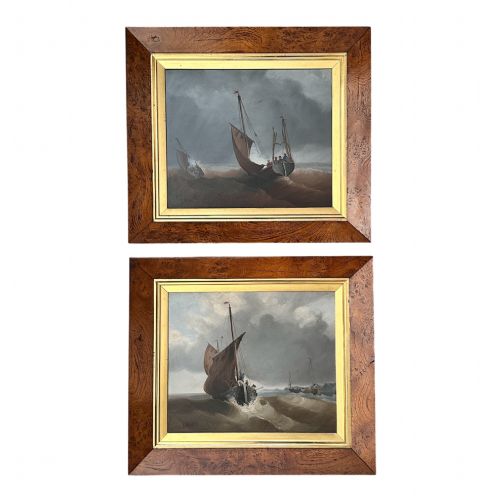
Common motifs include fishing boats returning to harbour, sailing ships at anchor, and figures resting along coastal paths. Artists frequently focused on the daily labour of coastal communities alongside dramatic cliffs and tidal estuaries.
Changing weather, from calm seas to stormy waters, provided painters with varied atmospheric conditions to explore.