



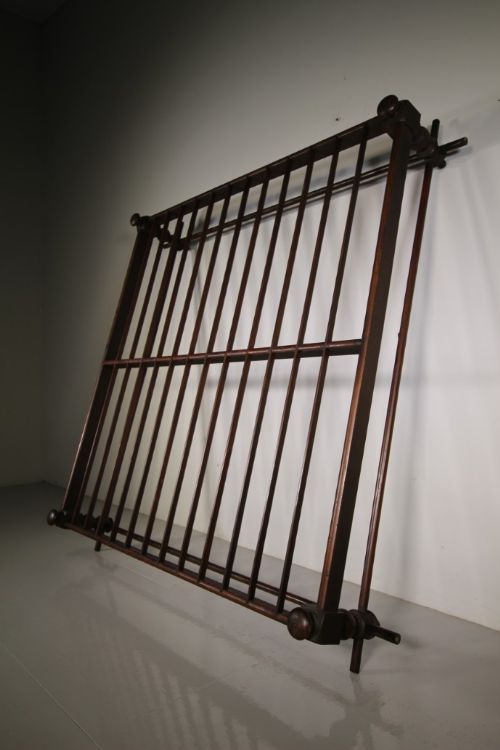


Victorian Clothes Rack
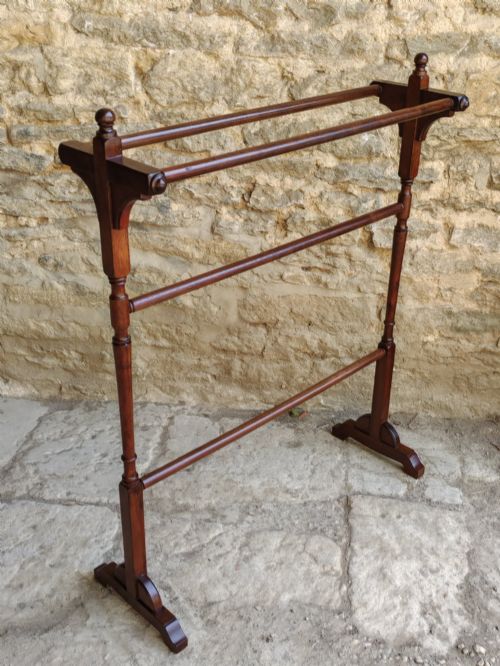
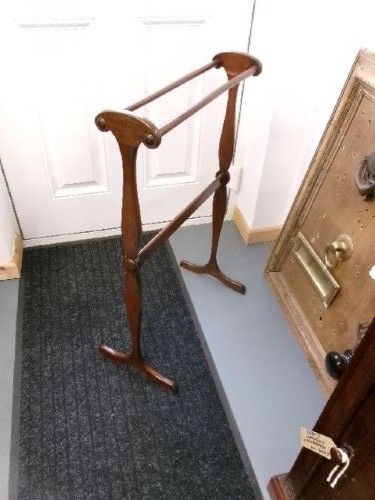
These Victorian clothes rack pieces are sturdy timber frames built to dry laundry and air garments by the hearth.
Victorian Clothes Rack
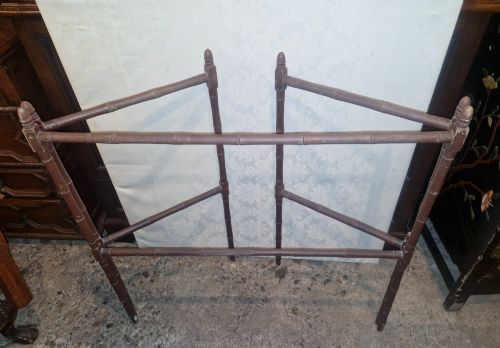
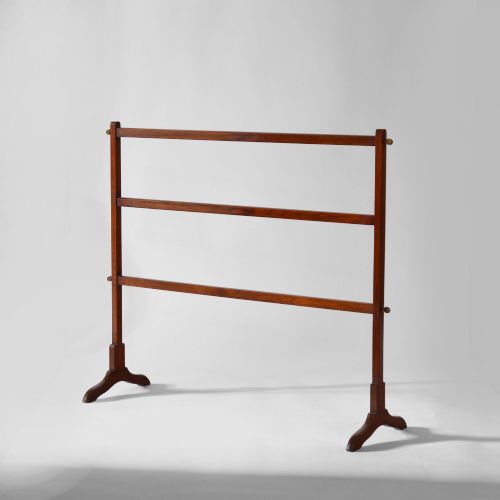
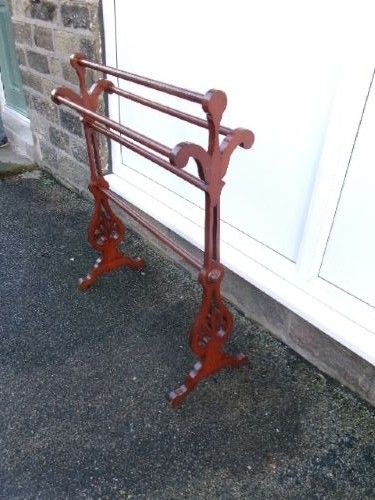
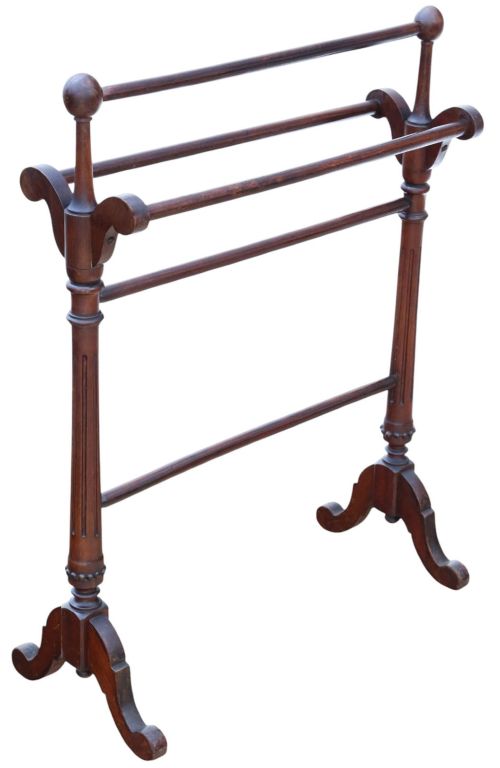
A victorian clothes rack primarily takes the form of a freestanding or wall-mounted wooden rail designed for domestic utility. The examples seen here span the nineteenth century into the Edwardian era, encompassing both domestic household fittings and colonial campaign equipment.
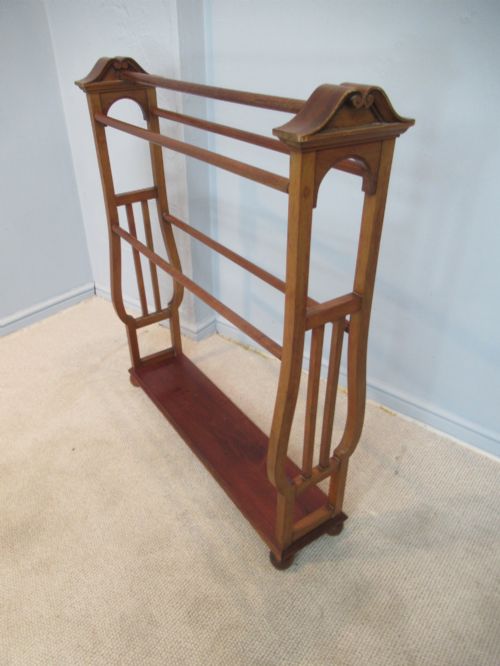
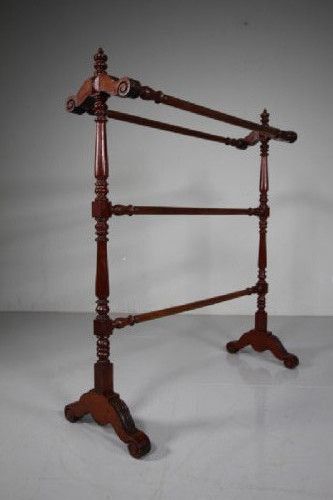
Buyers will encounter folding cheval rails, multi-rail floor stands, and wall-mounted airers alongside related kitchen hanging racks. Mahogany and pine dominate the selection, accompanied by walnut, oak, teak, and ebonised wood.
Stylistic variations range from simple rustic farmhouse items and Arts and Crafts oak stands to Gothic Revival walnut and formal William IV designs. These pieces served a central role in nineteenth-century domestic management before central heating altered household routines.
Materials and construction
Cabinet makers utilised dense hardwoods such as mahogany and walnut for finer domestic rails, employing turnings and solid joints to bear the weight of damp linens. Softer timbers like pine appear in simpler farmhouse and decorated utility pieces intended for everyday service.
Metal components, particularly brass and cast iron, provide structural bracing, hinges for folding three-fold designs, and wall-mounting brackets. These functional elements were chosen for durability in humid laundry environments.
Victorian Clothes Rack Retail Price Guide 2026
Typical asking prices for victorian clothes rack among the pieces listed under this phrase on Sellingantiques today, from the lower quarter to the upper quarter. They describe what is for sale here now, not the wider market.
Craftsmen applied ebonised finishes to wooden stands around nineteen hundred to mimic expensive exotic hardwoods.
Assessing quality
The distinction between standard utility items and finer examples rests on timber selection and joinery refinement. Pieces produced in mahogany with careful turning represent a higher domestic tier than plain pine versions made purely for service.
Proportion and scale also separate standard rails from larger oversized pieces or specialised campaign furniture designed for transport. Surviving original hinges, brackets, and uniform timber patination elevate the standing of any individual rail.
The Victorian Clothes Rack Glossary
- Cheval rail
- A freestanding floor-standing frame that pivots or stands independently on legs. This format allows garments to hang clear of surrounding furniture.
- Campaign towel rail
- A portable piece designed for easy disassembly and travel during the nineteenth century. These items often incorporate brass fittings for strength.
- Ebonised wood
- Timber treated with a chemical stain or finish to imitate ebony. This dark surface finish was popular during the late nineteenth century for decorative effect.
- Kitchen hanging rack
- A ceiling-mounted or wall-hung timber frame used historically for drying herbs, meats, or laundry above a heat source. They maximise vertical space in utilitarian rooms.
- Gothic Revival
- A nineteenth-century design style drawing inspiration from medieval architecture. Pieces in this manner display pointed arches, heavy mouldings, and structural vigor.
Victorian Clothes Rack: Frequently Asked Questions
How were these racks used historically?
Victorian households positioned these timber frames near kitchen ranges or coal fires to dry freshly washed laundry and air garments overnight.
They served as portable drying stations in rooms before fixed radiators became common in domestic interiors.
Can I use an antique clothes rack for modern laundry?
These sturdy wooden rails remain entirely functional for hanging and drying clothes in contemporary homes.
Care should be taken not to overload fragile antique hinges or saturate dry nineteenth-century timbers with soaking wet garments.
How do I tell a Victorian rail from an Edwardian one?
Victorian examples often feature heavier dense timbers like mahogany and walnut with more ornate turnings or Gothic Revival details.
Edwardian pieces tend toward lighter constructions, sometimes utilising simpler pine or oak in keeping with Arts and Crafts simplicity.
Where is the best place to place a freestanding rail?
Freestanding rails suit utility rooms, bedrooms, or bathrooms where their folding or multi-bar capacity can be fully utilised.
They require adequate floor space and look best when allowed to stand clear against neutral walls.