





Victorian Cloche
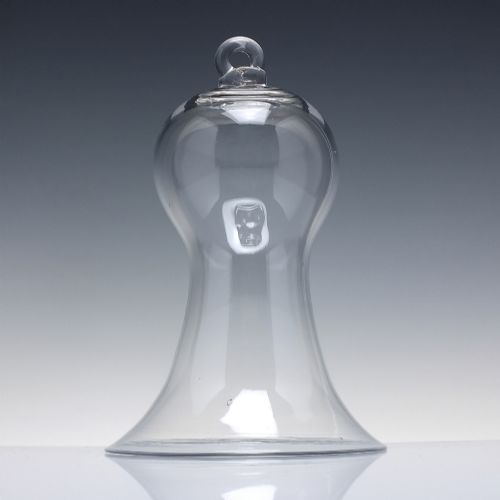
When you search for a Victorian cloche, you are looking at glass display domes and protective covers designed to house delicate specimens, clocks, and ornaments.
Victorian Cloche
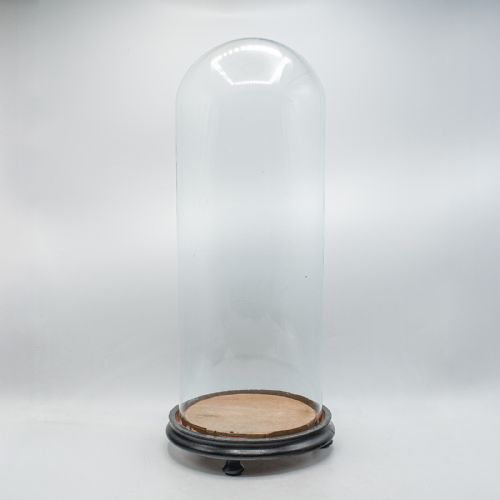
A Victorian cloche primarily takes the form of a glass display dome or cover, created to protect fragile objects from dust and damage in the home. These pieces emerge predominantly from the nineteenth and early twentieth centuries, spanning the Victorian and Edwardian eras.
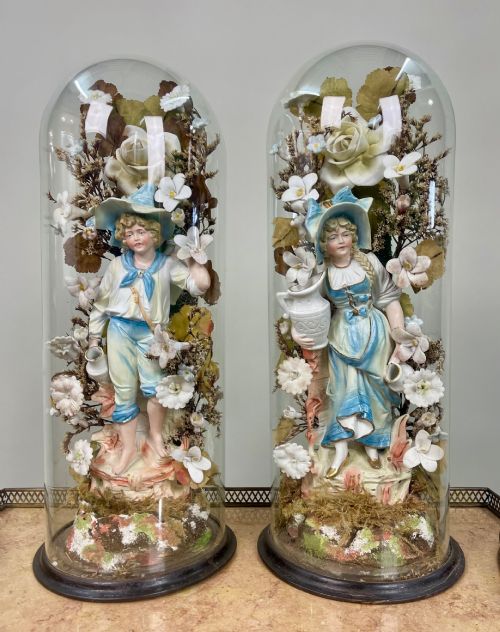
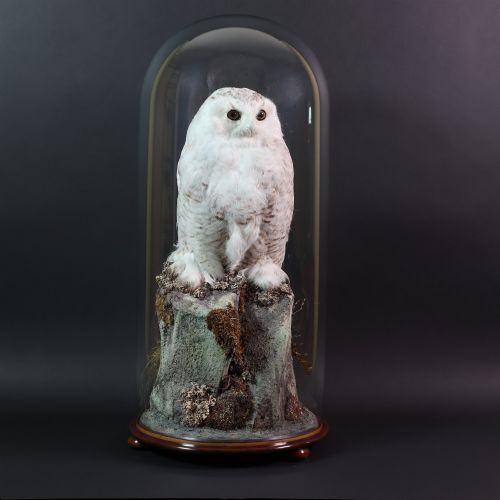
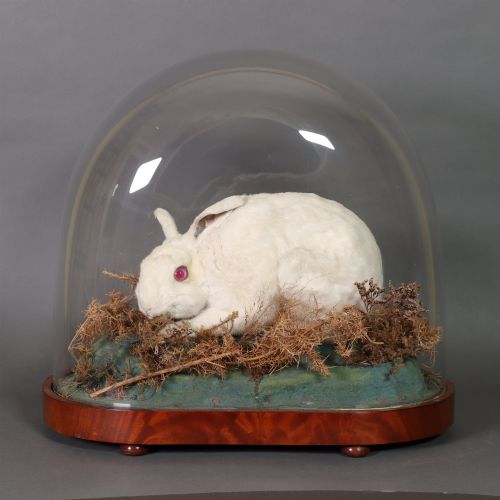
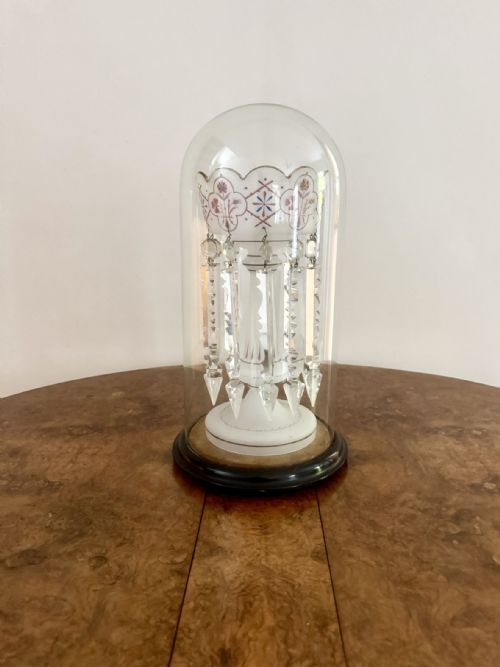
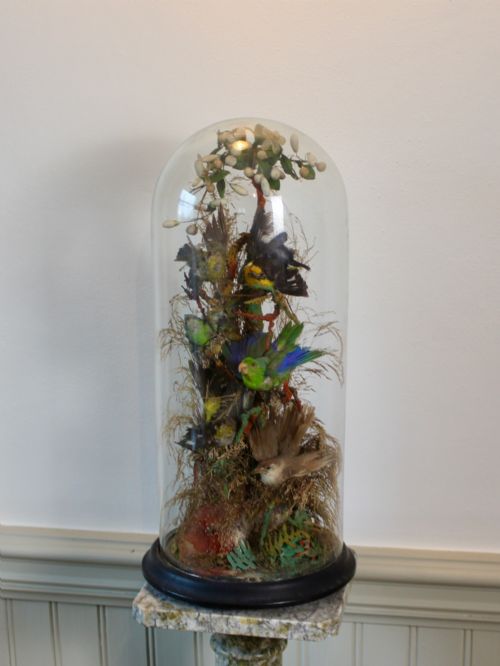
The form adapts to many contents, frequently housing taxidermy specimens such as birds and bats, mechanical mantel clocks, or decorative beadwork and still life compositions. Buyers most commonly encounter round, oval, or flat-sided glass showcases resting on fitted wooden bases.
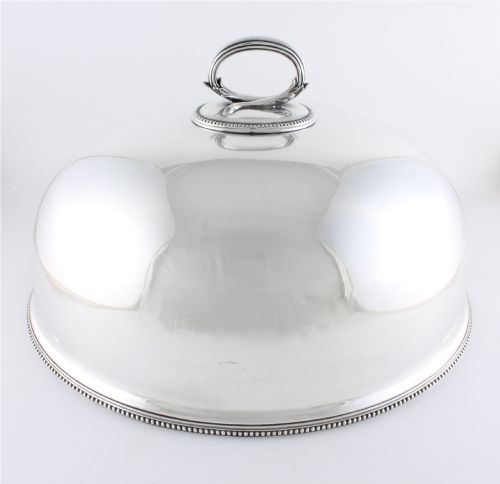
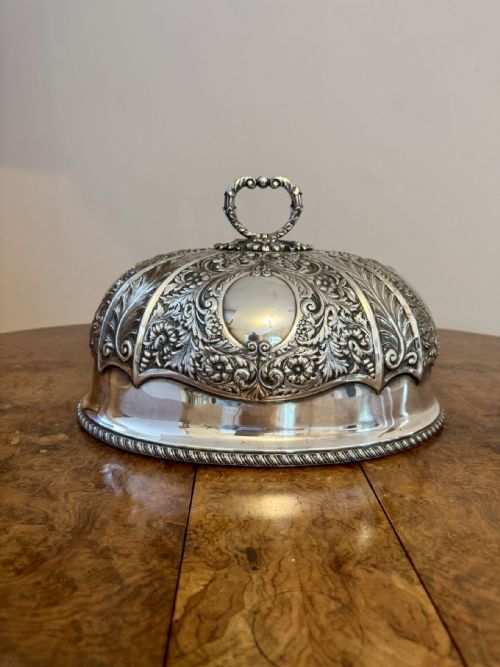
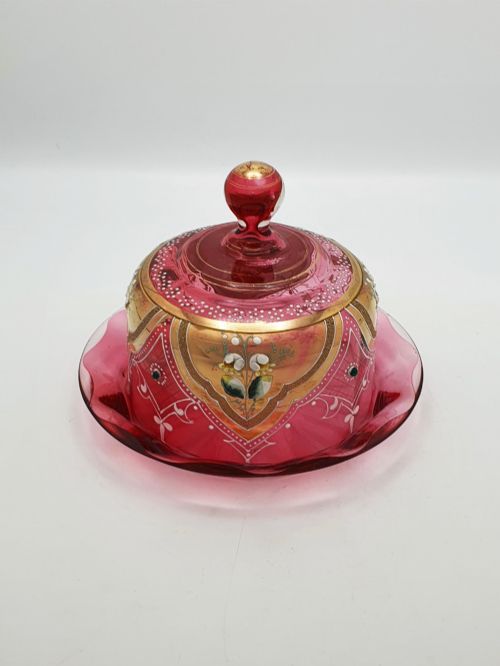
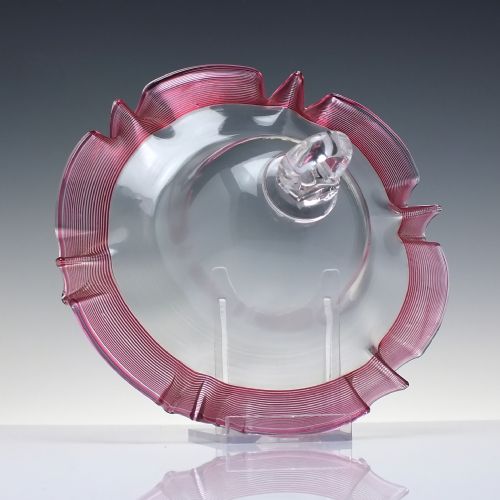
While many examples serve as taxidermy showcases or clock covers, the broader category also includes silver-plated meat covers and continental cheese dishes sharing the protective cloche function. English and continental makers produced these items in various proportions, from small dressing table domes to tall display units.
Materials and Construction
The primary material is blown or cast glass, formed into smooth, curved bell shapes or flat-sided covers designed for clear visibility. This transparent shield sits atop a solid base constructed from wood such as mahogany, oak, ebonised wood, or pine.
Victorian Cloche Retail Price Guide 2026
Typical asking prices for victorian cloche among the pieces listed under this phrase on Sellingantiques today, from the lower quarter to the upper quarter. They describe what is for sale here now, not the wider market.
Listings feature items from the Victorian and Edwardian periods, utilising materials like glass, ebonised wood, silver plate, and velvet.
Distinctions in Quality
Quality rests in the clarity and weight of the glass dome itself, where superior examples display minimal distortion, bubbles, or imperfections in the material. The craftsmanship of the accompanying wooden base, from the choice of timber to the refinement of the turned mouldings, marks the difference between standard production and finer pieces.
The harmony between the glass cover and its original base determines the integrity of the piece, as matched components demonstrate greater care in initial manufacture. Finer specimens also exhibit superior preservation of internal contents, such as detailed taxidermy taxidermy arrangements or intricate beadwork bouquets.
James Gardner·Henry Ward London·A Pollard
The Victorian Cloche Glossary
- Cloche
- A bell-shaped glass cover or dome used to protect interior objects, clocks, or delicate specimens from dust. The term originates from the French word for bell.
- Display Dome
- A transparent glass cover raised on a stand, intended for showcasing decorative items, botanical specimens, or taxidermy. They are frequently found paired with wooden or ebonised bases.
- Taxidermy
- The art of preparing, stuffing, and mounting the skins of animals for display. In nineteenth-century contexts, these specimens were frequently housed beneath glass cloches to preserve their condition.
- Ebonised Wood
- Timber treated with a dark stain or finish to imitate the appearance of ebony. This dark finish provides a contrasting frame that highlights the transparency of the glass dome.
- Fusee Skeleton Clock
- A type of clock featuring an exposed brass movement with visible wheel work. These timepieces are often sheltered beneath tall glass domes to protect the delicate mechanism.
Victorian Cloche: Frequently Asked Questions
What fits under a glass dome?
These glass covers house a variety of delicate objects, including taxidermy birds, mechanical clocks, and decorative beadwork bouquets. They were designed to keep dust away from fragile interior displays.
Collectors also place botanical specimens, shipwreck souvenirs, and small sculptures beneath them to create self-contained ornamental arrangements for tables and mantelpieces.
How do I clean a glass cloche?
Cleaning requires careful handling of both the heavy glass dome and the wooden base. Use a soft cloth and mild glass cleaner on the exterior while avoiding harsh chemicals near antique timber.
Lift the glass with both hands on a stable, flat surface to prevent accidental tipping. Keep moisture away from any aged fabric or paper components housed inside.
Are these domes removable?
Most antique glass domes lift directly off their wooden or ebonised bases. This allows access to the interior items for placement or maintenance.
Some fitted bases include a shallow groove that holds the rim of the glass securely in place. Care must be taken when lifting heavy nineteenth-century glass.
How do I date a Victorian cloche?
Dating relies on examining the manufacturing characteristics of the glass, such as pontil marks, thickness, and slight imperfections typical of older production methods. The type of wood used for the base and any accompanying taxidermy styles also offer chronological clues.
Edwardian examples often feature slightly different base turning and cleaner glass manufacture compared to earlier nineteenth-century pieces. Original labels or attribution marks on the base provide the most precise dating.