




Victorian Classical Cameo
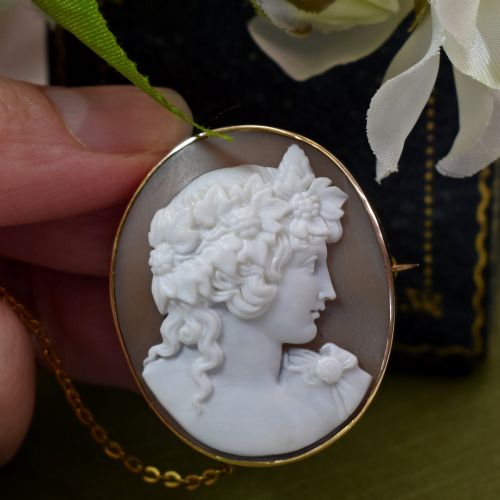
A victorian classical cameo offers wearable antiquity, bringing carved mythological portraits in shell, hardstone and lava directly into everyday dress.
Victorian Classical Cameo
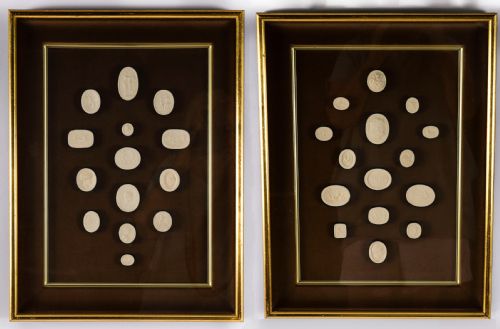
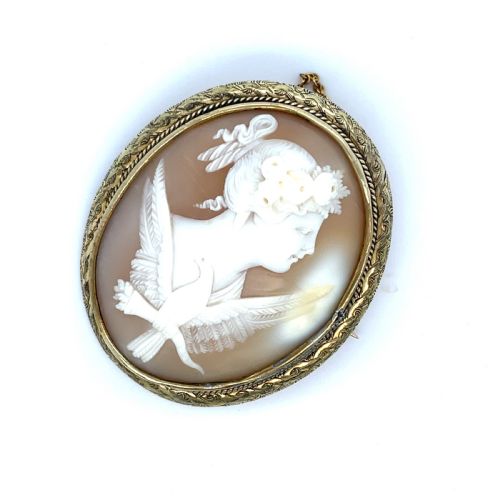
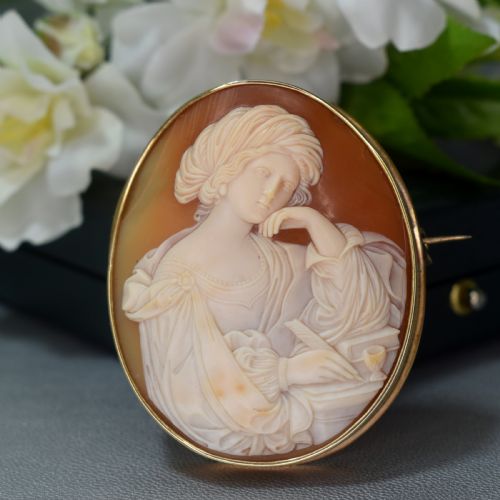
A victorian classical cameo combines 19th-century metalwork with miniature relief carvings depicting classical mythology, deities and historical figures. These pieces reflect the prevailing enthusiasm for antiquity and classical revival aesthetics popular among travellers on the Grand Tour.
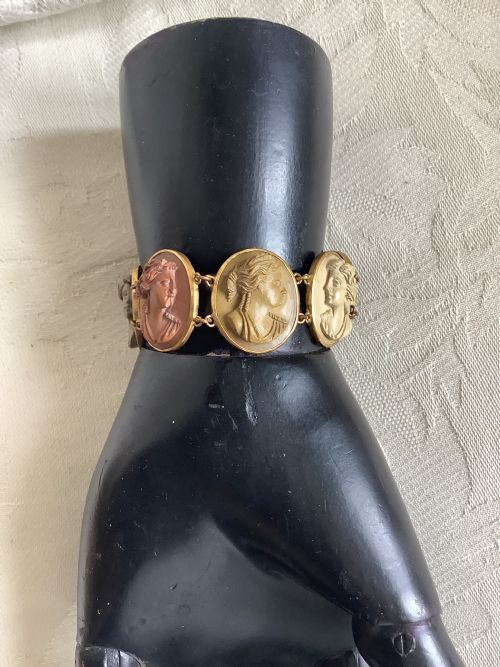
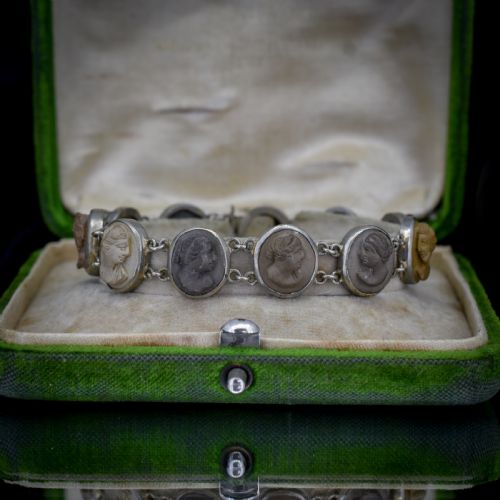
Brooches, rings, bracelets and earrings form the majority of available items, housed primarily in mounts of yellow gold, pinchbeck or silver. Shell and lava stone appear frequently as carving mediums, alongside hardstone agate and porcelain variations.
How They Were Made
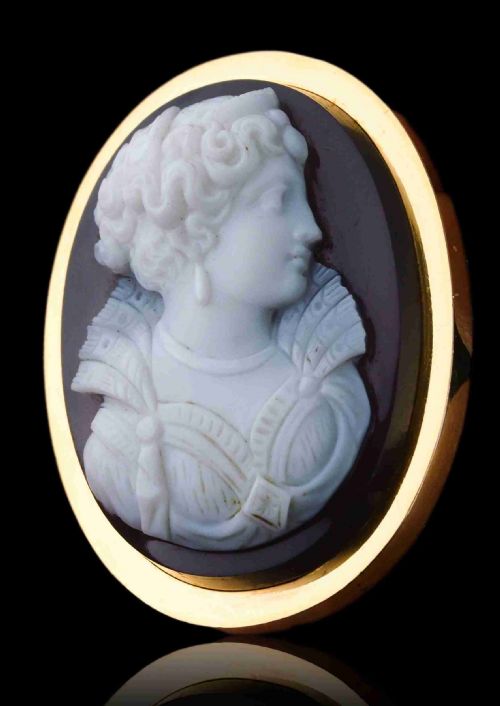
Carvers utilised natural materials possessing distinct chromatic layers, cutting away the upper stratum to leave the pale subject in relief against a darker backing. Shell and layered hardstone agate demanded precise hand chiselling to exploit the natural colour contrasts within the medium.
Mounts utilised 9ct and 18ct gold, silver, pinchbeck or brass, shaped into ornate wirework, foxtail tassels, and box frames to secure the delicate carved plaques. Italian workshops produced many of the loose carvings and souvenirs later set into British jewellery frames.
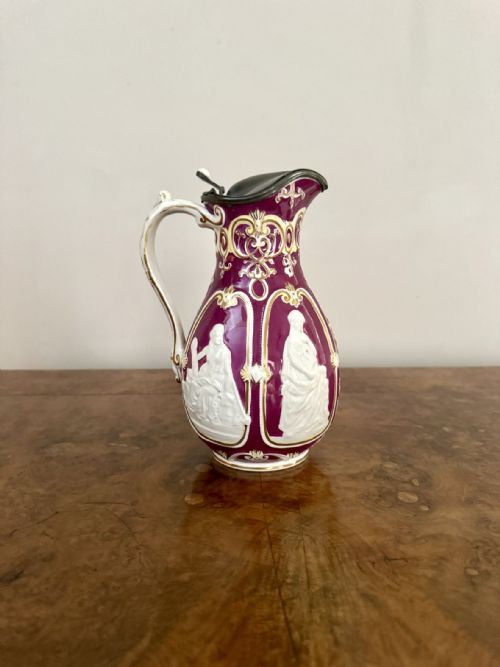
Listings feature items in shell, hardstone, lava stone, porcelain, and agate, mounted in gold, silver, and pinchbeck.
What Varies in Quality
Depth of relief and anatomical precision distinguish superior carvings from simpler production, separating skilled portraiture from stiff or shallow execution. The crispness of the profile lines and the naturalistic drape of drapery determine the hand of a master carver.
Mount construction similarly dictates standard, where heavy cast gold or intricate filigree surrounds the gem compared to lighter pinched metal or stamped settings. The choice of material itself, from common shell to layered hardstone agate or coral, shifts the inherent worth of the finished object.
Giovanni Liberotti·Lamb of Manchester·Wedgwood·Mintons
The Victorian Classical Cameo Glossary
- Cameo
- A method of carving an object such as an engraved gem, item of jewellery, or vessel where a relief image stands out distinctly from a background of a different colour.
- Intaglio
- A gem or stone carved sunken below the surface so that an impression in wax produces a raised image.
- Grand Tour
- A traditional trip of Europe undertaken by upper-class European young men of sufficient means to flourish their cultural education, frequently resulting in the acquisition of souvenirs like carved cameos.
- Pinchbeck
- An alloy of copper and zinc invented to imitate gold, used commonly for affordable Victorian jewellery mounts.
- Hardstone
- A term for semi-precious stones such as agate, onyx, and jasper used in glyptic art and lapidary work.
Victorian Classical Cameo: Frequently Asked Questions
How are shell and hardstone cameos different?
Shell cameos utilise marine mollusc layers, providing a warm golden-brown and cream contrast that suits intricate portraiture and flowing hair.
Hardstone cameos employ layered agate or onyx, offering greater durability and sharper colour boundaries between the dark backing and white subject.
What subjects appear on these pieces?
Portraits draw heavily from classical mythology, depicting figures such as Demeter, Flora, Aphrodite, Psyche and Cupid.
Historical personages, sibyls, and classical profiles also feature prominently, mirroring the sculptural art collected during European travels.
How should antique cameo jewellery be worn?
Brooches attach securely to heavy fabrics such as wool jackets or stoles, while rings and bracelets require care to protect the raised relief from sharp impacts.
Mounts in gold and silver provide sturdy daily settings, though delicate shell edges demand protection from harsh friction.
How do I identify the period of a cameo?
Victorian examples display characteristic neoclassical revival motifs, paired with 9ct or 18ct gold settings, pinchbeck, or silver mounts consistent with 19th-century manufacturing techniques.
Subtle indicators include the style of the pin mechanism, the depth of the metal frame, and the specific carving conventions of mid-century Italian workshops.