




Victorian Chromolithograph Print
A victorian chromolithograph print brings vibrant multi-coloured ink work onto paper, offering collectors a striking piece of nineteenth-century visual culture for the wall.
Victorian Chromolithograph Print
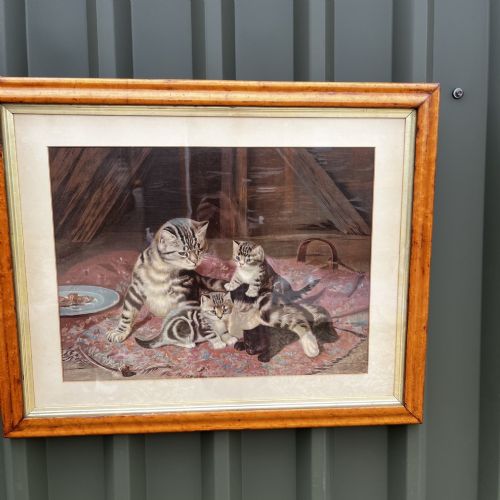
A victorian chromolithograph print captures the colourful aesthetic of the late nineteenth century, appearing frequently as framed wall art, advertising pieces, and periodical plates. Buyers seeking this category encounter subjects ranging from soap advertisements and animal studies to political caricatures and botanical foliage.
The selection on this page spans from the nineteenth century into the Edwardian era, featuring works issued by publishers as annual supplements or individual plates. Common formats include single sheets, double-page spreads, and paired arrangements preserved behind glass within wooden or gilt frames.
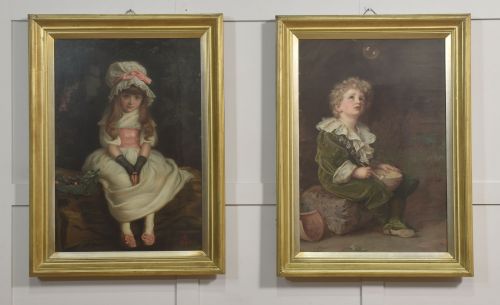
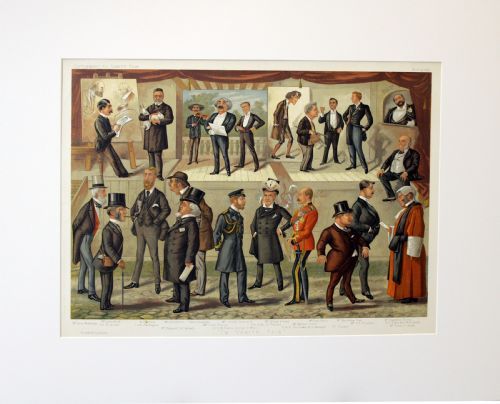
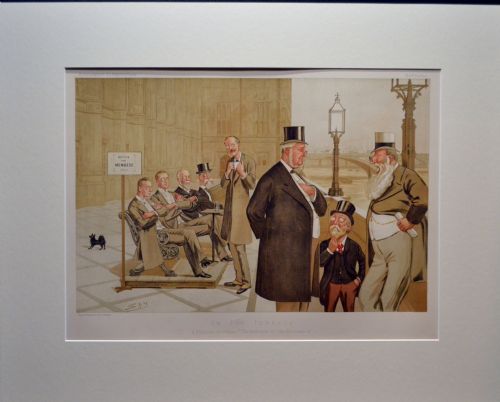
Many examples record specific cultural touchstones of the period, such as Pears soap promotions and Vanity Fair caricatures by Spy. These framed artworks provide a direct window into the commercial and satirical illustration styles popular during the reign of Queen Victoria and slightly beyond.
Production and materials
The creation of a victorian chromolithograph print relies on multiple lithographic stones or plates, with a separate stone applied for each individual ink colour used to build the image on paper. This layering technique achieves rich hues and deep tones without the need for hand-colouring.
Finished sheets are commonly presented within wooden frames, occasionally incorporating gold leaf or gilt accents, and protected behind glass alongside mount board. Some related items utilise specialised techniques like chrystoleum, where a paper print is applied to glass, clarified with oil, and hand-tinted from behind.
Listings feature paper, ink, and gold leaf materials combined within wood and gilt frames.
Factors of quality
The quality of a victorian chromolithograph print depends heavily on the precision of the multi-stone registration, which determines how cleanly the various ink colours align across the paper surface. Sharper definition in the lines and greater depth in the colour palette separate superior artistic plates from simpler commercial runs.
Condition and presentation further distinguish pieces, particularly the preservation of the original paper tone, the absence of fading in the ink, and the suitability of the accompanying frame. Double-page spreads that retain their full margins and central folds intact offer a more complete representation of their original publication format.
Horatio Henry Couldrey·Charles Burton Barber
The Victorian Chromolithograph Print Glossary
- Chromolithography
- A planographic printing process that uses multiple limestone blocks or metal plates to apply successive layers of coloured ink to paper.
- Chrystoleum
- A Victorian technique where a black-and-white or coloured print is fixed to glass, made translucent with oil or varnish, and hand-painted from the rear.
- Double page
- A larger periodical sheet, often featuring a central fold, designed to open out to display a wider illustration.
- Mount board
- Heavy paperboard used inside a frame to surround and support the print while separating the artwork from the glass.
Victorian Chromolithograph Print: Frequently Asked Questions
What is a chromolithograph?
A chromolithograph is a colour print produced through a multi-stone lithographic process where each hue is printed separately using distinct ink stones.
This technique allows the finished paper sheet to display rich, painterly colours that closely emulate original artworks and illustrations of the period.
How were these prints originally used?
Many of these prints served as special annual publication supplements, periodical illustrations, or promotional giveaways distributed by commercial soap manufacturers.
Others originated as standalone satirical portraits or decorative botanical plates intended for domestic framing and display.
How do I care for framed prints?
These paper and ink works require protection from direct sunlight to prevent the coloured pigments and paper stock from fading over time.
Keeping them away from damp environments ensures the mount board, wood frames, and paper remain stable and free from moisture damage.
How are different periods told apart?
Distinguishing the eras involves examining the paper quality, the typography of any printed titles, and the specific artistic style characteristic of the nineteenth century or the Edwardian period.
Subjects like Vanity Fair caricatures or specific advertising campaigns also carry publication dates that help anchor the piece within a precise decade.