
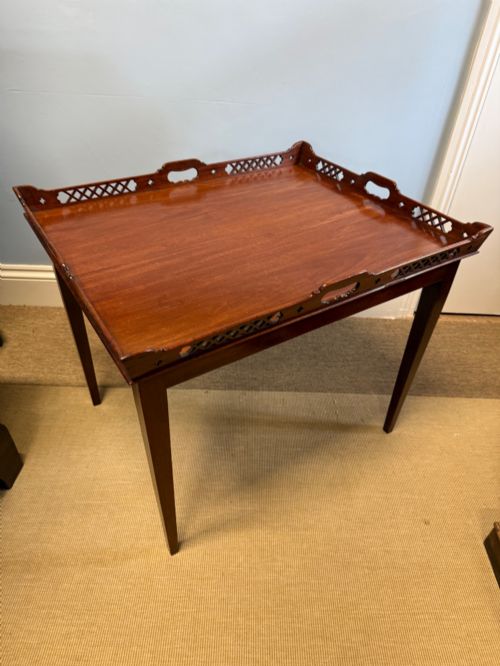


Victorian Chippendale Table
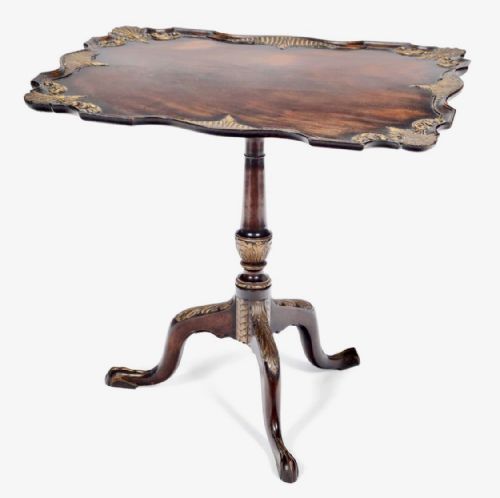
A victorian chippendale table brings 18th-century carved revival aesthetics into nineteenth-century rooms through sturdy mahogany frames and classic ball and claw feet.
Victorian Chippendale Table
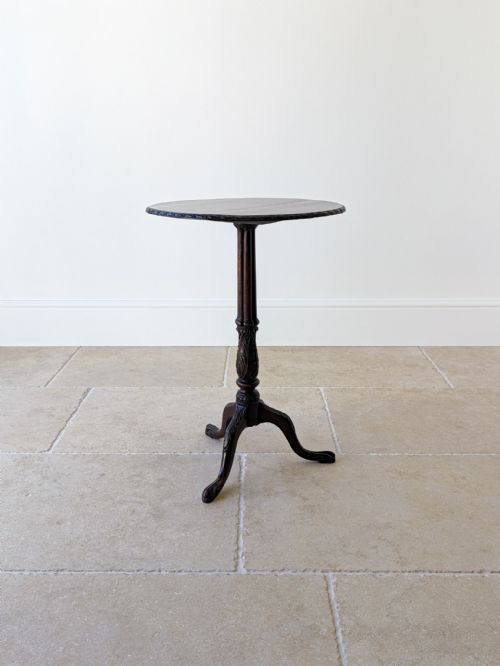
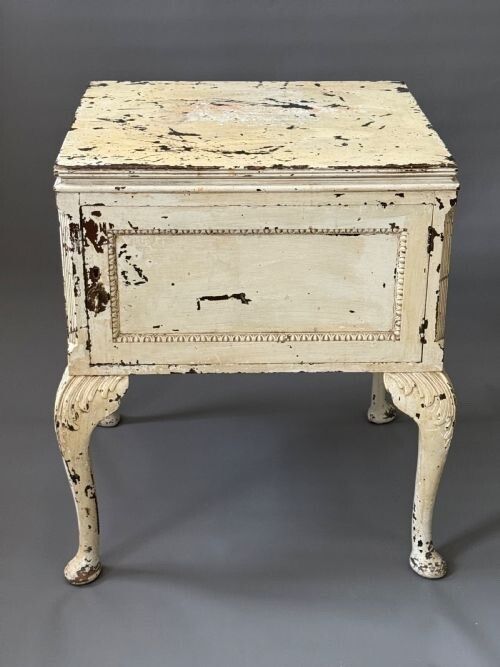
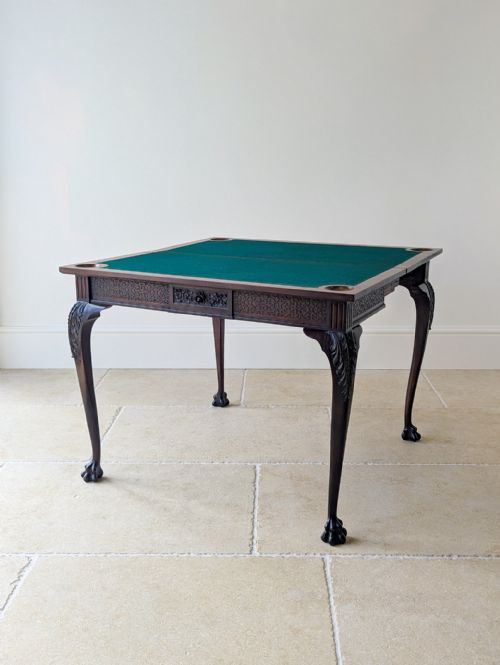
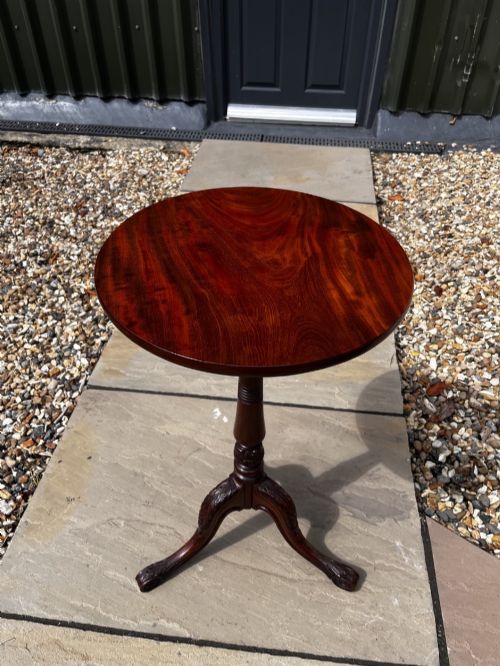
A victorian chippendale table spans versatile forms including card tables, wine tables, tripod tables, and large extending dining tables. These pieces emerge predominantly from the nineteenth century, utilising revival aesthetics that channel earlier Georgian design principles.
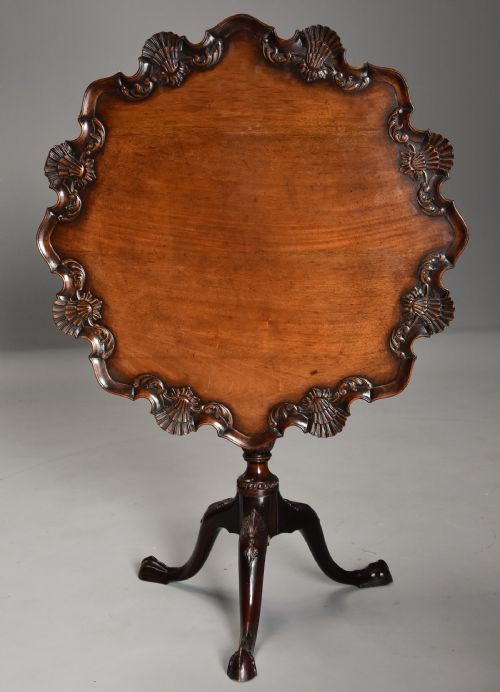
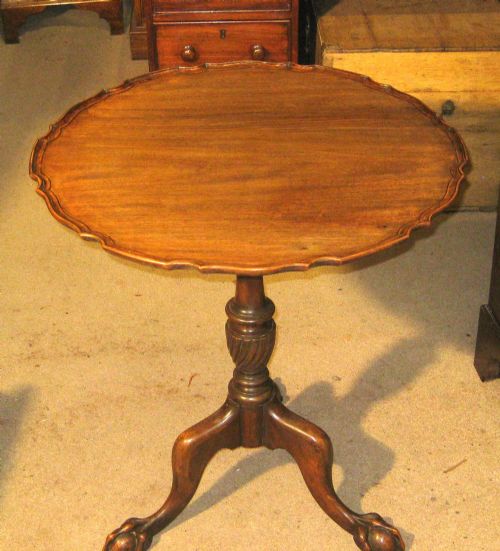
Buyers commonly encounter occasional tables, games tables with fold-over tops, and tilt-top supper tables across the inventory. Makers and workshops from this era applied carved details, pie crust edges, and serpentine shapes to standard domestic table forms.
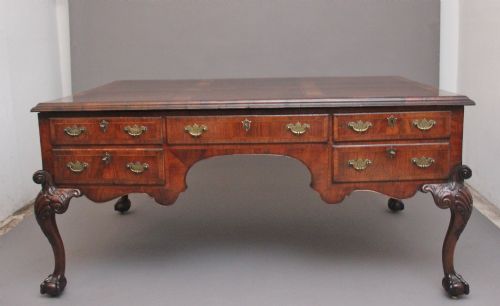
Originating largely from the nineteenth century, these tables reflect the Victorian interpretation of Chinese Chippendale and general Chippendale styles. The selection ranges from compact lamp and wine tables to substantial dining and partners desks.
What varies in quality
The depth and crispness of the hand-carving separate standard production from superior examples, particularly on legs, friezes, and pie crust edges. Figured mahogany grain patterns with rich figuring command stronger visual presence than plain timber surfaces.
The complexity of the form dictates distinction, such as serpentine shapes, intricate fretwork in Chinese Chippendale designs, or functional mechanisms like smooth wind-out extension systems for dining tables.
Several tables include clever brass pull handles and hidden folding leaves designed for Victorian parlour games.
James Shoolbred & Co·Edwards and Roberts·S & H Jewell London·Wylie & Lochheed of Glasgow
The Victorian Chippendale Table Glossary
- Chippendale Revival
- A nineteenth-century design movement recreating the mid-eighteenth-century aesthetics of Thomas Chippendale. Pieces in this style utilise characteristic cabriole legs and ornate carving.
- Tilt-top Table
- A small occasional table featuring a mechanism allowing the table top to pivot into a vertical position when not in use. These often stand on tripod bases with carved feet.
- Card Table
- A folding table designed for games, featuring a top that opens to reveal a baize or wood playing surface. Many examples from this period use fold-over or swivel actions.
- Pie Crust Edge
- A decorative raised border carved into the perimeter of a circular table top with undulating curves. This technique requires skilled hand-carving from a solid timber blank.
- Claw and Ball
- A furniture foot carved to represent a bird's talon gripping a ball. This motif frequently terminates the cabriole legs of dining tables and tripod stands.
Victorian Chippendale Table: Frequently Asked Questions
How do I use a fold over games table?
A fold over games table opens by swinging or unfolding the top leaf to double the surface area for card games. The hinged top rests on a pivoting leg or wooden framework.
In daily living, these function as console or side tables against a wall, opening out when guests gathered for evening entertainment.
Are these dining tables suitable for daily use?
Extending dining tables from this era provide robust surfaces supported by solid mahogany frames and heavy carved legs. Many incorporate wind-out mechanisms to accommodate multiple leaves.
Careful maintenance of the polished wood surface allows these tables to serve everyday dining while retaining their historical character.
How do I distinguish revival pieces from eighteenth century originals?
Revival pieces display nineteenth-century construction techniques, secondary woods, and hardware styles consistent with Victorian workshop practices. Tool marks and timber seasoning differ from genuine Georgian items.
Examining the interior framing and underside of the table top usually clarifies the manufacturing period and confirms the nineteenth-century revival origin.