


Victorian Chimneypiece Mirror
A victorian chimneypiece mirror anchors a room with scale and reflected light, offering grand presence above a hearth.
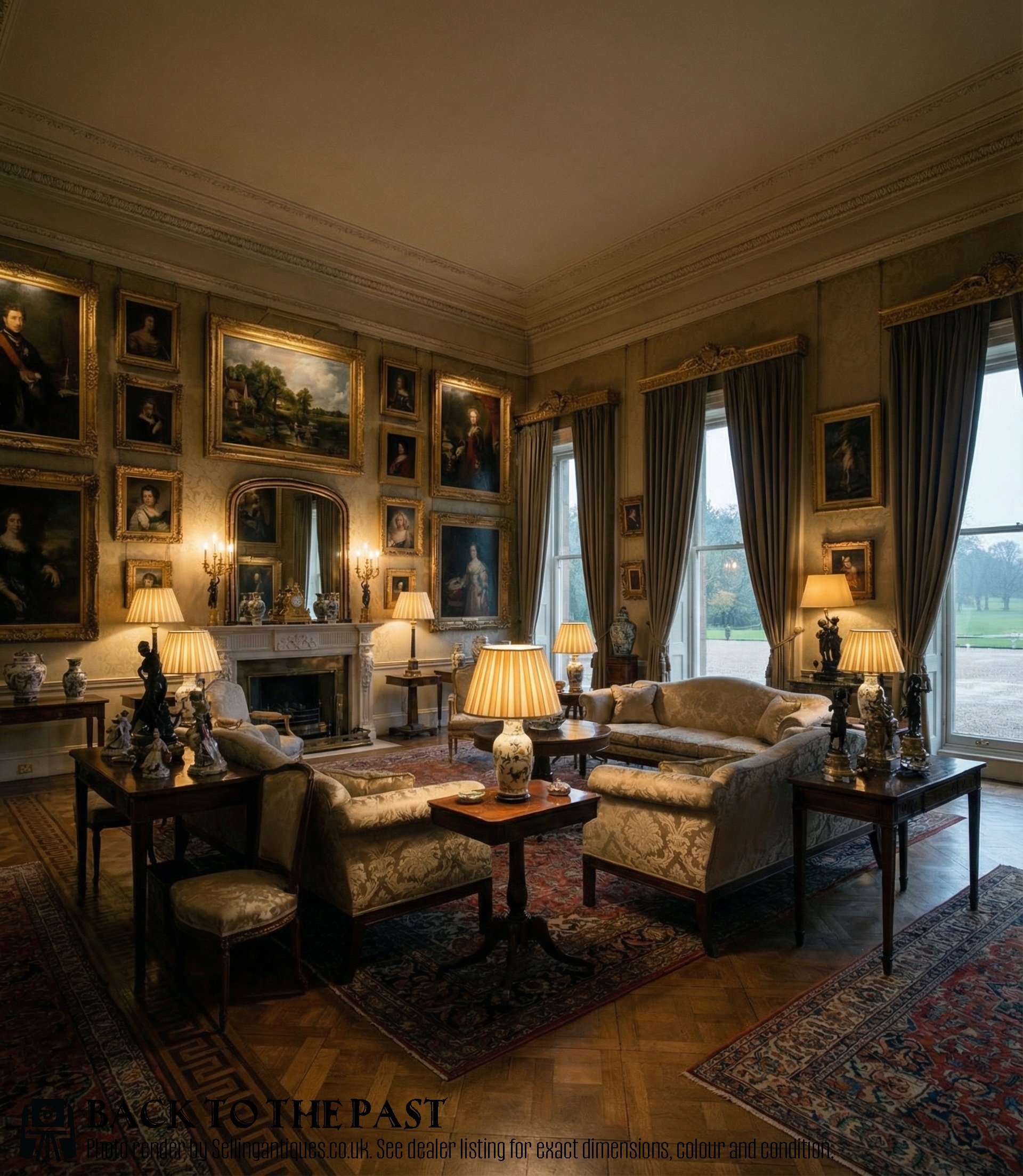
Victorian Chimneypiece Mirror
A victorian chimneypiece mirror takes the form of an overmantel mirror designed to sit directly upon a fireplace mantelpiece or hang upon the wall immediately above it. These items arrive in substantial proportions, spanning large formats that shape the architectural balance of a nineteenth-century interior.
The selections encountered here draw primarily from Victorian periods spanning from eighteen-fifty through to nineteen-twenty, alongside broader nineteenth-century designations. Overmantel mirrors and wall mirrors dominate the forms, frequently utilising landscape orientations suited to fireplace dimensions.
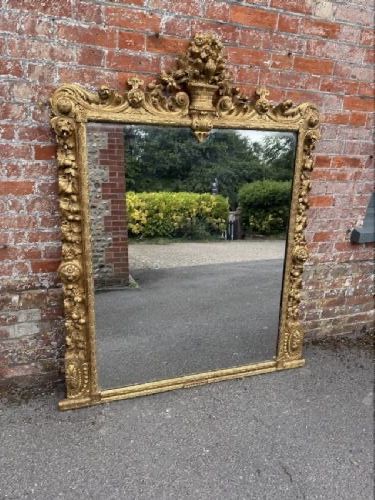
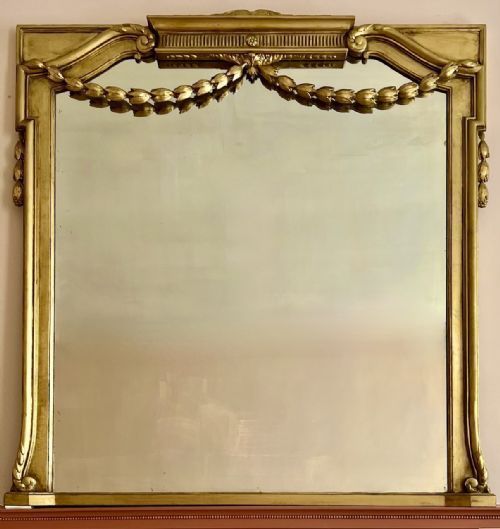
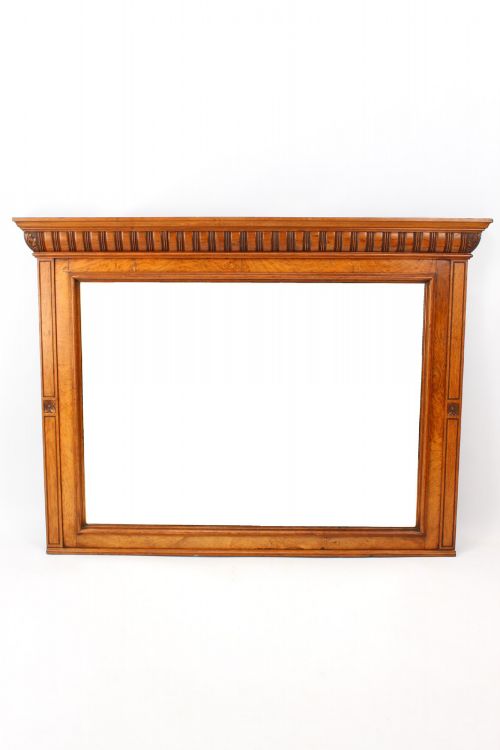
Makers and designers embraced diverse decorative idioms, incorporating Neoclassical, Rococo Revival, Chippendale Revival, Grand Regency, Aesthetic Movement, and Victorian Arts and Crafts vocabularies. Such variety ensures that whether a room calls for restrained oak timber or elaborate gilt display, a fitting example exists.
How they were made
Framing construction relies heavily upon solid timber foundations including mahogany, walnut, and oak, which provide the structural rigidity necessary for heavy glass plates. Craftsmen frequently applied carved wood and composition ornaments over these wooden carcasses to build up complex relief patterns.
Giltwood and gold leaf finishes were achieved by applying thin sheets of gold to prepared surfaces, while gesso provided a smooth ground for intricate mouldings and applied rope twist motifs. Painted and parcel-gilt treatments added further visual depth through contrasting tones of pigment and metal.
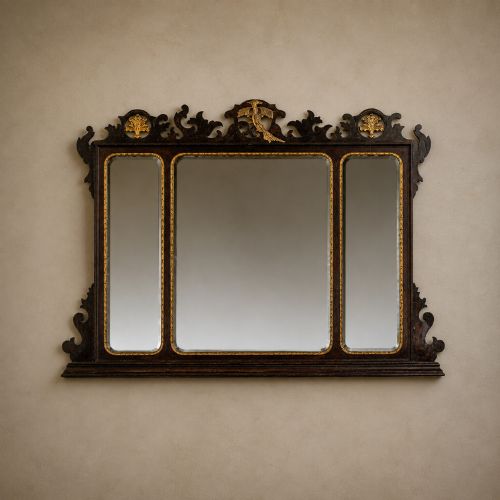
Mirror glass itself was set within these heavy frames, occasionally accompanied by triptych divisions or arched top profiles that required precise joinery. Simulated wood finishes and parcel-silvered accents also appear, demonstrating the diverse surface treatments utilised by period workshops.
Watch for carved Ho-Ho birds keeping perpetual guard atop Victorian triptych frames.
What varies in quality
The depth and crispness of the carving distinguish finer examples, particularly where carved wood and gesso articulate intricate foliage or classical motifs rather than relying on heavy composition castings. Superior pieces display sharp relief and meticulous hand-tooling across every scroll and cresting.
Gilding technique and the preservation of original gold leaf or parcel-gilt surfaces create distinct tiers of desirability. Rich patination on wood frames and well-preserved mirror glass reflect the original material integrity achieved by nineteenth-century artisans.
Architectural ambition separates standard wall mirrors from exceptional large pieces, such as those featuring Ho-Ho bird cresting, triptych configurations, or complex arched top profiles. The harmony between the frame scale and the weight of the timber determines the overall presence of the object.
The Victorian Chimneypiece Mirror Glossary
- Overmantel mirror
- A large mirror specifically constructed to sit upon a mantelpiece or hang on the wall above a fireplace. These pieces traditionally reflect light into the room and complement the hearth surround.
- Gesso
- A plaster-like material applied to wooden frames to create a smooth surface for gilding or painting. Artisans carved intricate details directly into this compound.
- Giltwood
- Timber carved and coated with gold leaf or gold paint to produce a brilliant metallic surface. It remains a hallmark of formal nineteenth-century interior decoration.
- Parcel-gilt
- A treatment where only specific portions of a frame are gilded while the underlying wood or paint remains visible. This technique highlights particular carved details.
- Triptych
- A mirror divided into three distinct vertical sections within a single frame. This configuration adds architectural breadth to the mantelpiece.
Victorian Chimneypiece Mirror: Frequently Asked Questions
How do I hang a heavy overmantel mirror?
These substantial pieces require secure wall fixings anchored directly into structural masonry or heavy studwork to support their considerable weight safely. Professional installation ensures the frame remains stable above the fireplace.
Distributing the load across multiple fixing points prevents strain on the original wooden frame joints and hanging loops.
Were these mirrors always placed on mantelpieces?
While primarily designed as overmantels to sit above hearths, many examples function equally well as grand wall mirrors in reception rooms or hallways. Their horizontal proportions were calculated to match the width of a standard fireplace surround.
Placing them on unobstructed walls allows them to function as primary decorative focal points within nineteenth-century room schemes.
What is the difference between gesso and carved wood?
Carved wood involves shaping the actual timber foundation into decorative motifs using chisels and gouges. Gesso provides a malleable surface applied over wood to receive fine surface moulding.
Combining both techniques allowed makers to produce crisp ornamental details that resisted cracking better than carved wood alone.
How do I identify a Chippendale Revival mirror?
Chippendale Revival pieces incorporate eighteenth-century design elements such as asymmetrical scrollwork, naturalistic foliage, and distinct crestings like the Ho-Ho bird. These mid-to-late Victorian interpretations adopted darker woods like mahogany.
The resulting frames combine classical eighteenth-century silhouettes with nineteenth-century manufacturing techniques and heavier framing proportions.