
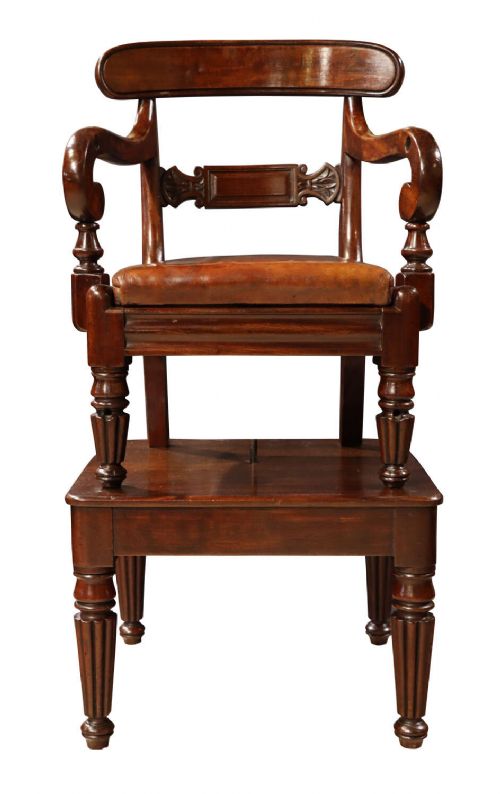

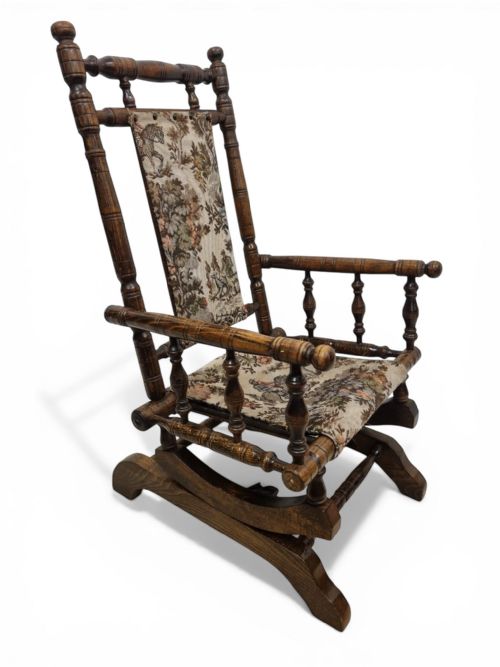


Victorian Children Armchair
A victorian children armchair brings miniature scale and genuine period craftsmanship into domestic spaces.
Victorian Children Armchair
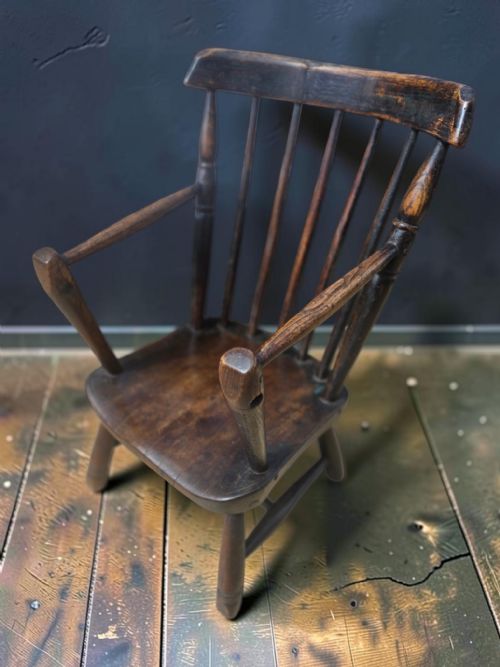
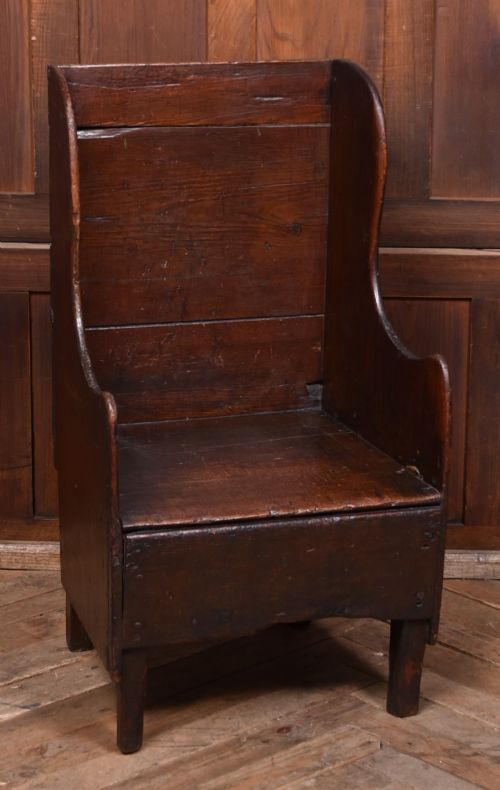
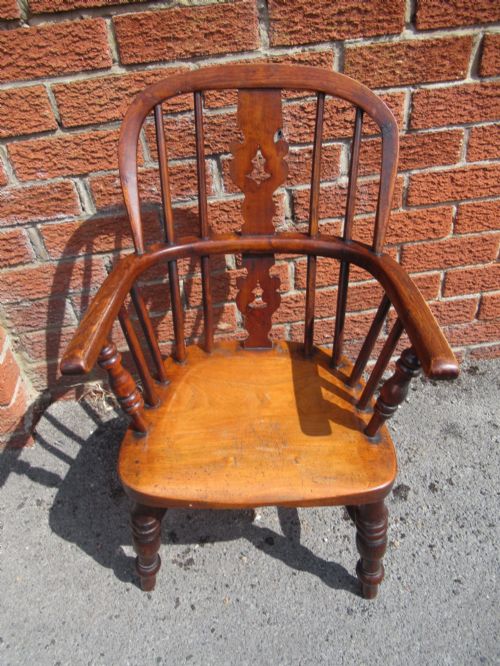
A victorian children armchair represents scaled-down seating designed specifically for youngsters during the nineteenth century. These pieces encompass various forms including rocking chairs, Windsor designs, high chairs, and lambing chairs.
Most examples originate from the nineteenth century, including Victorian and Georgian periods, utilising regional vernacular styles. Buyers frequently encounter traditional country timber frames alongside more formal mahogany and ebonised variations.
Materials and construction methods
Craftsmen utilised solid timbers such as elm, ash, oak, yew, beech, and mahogany for the frames and structural spindles. Combinations of ash and elm appear frequently in vernacular Windsor seating.
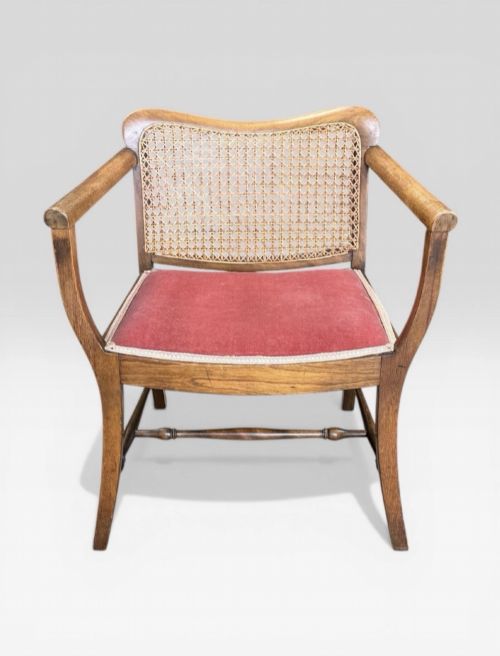
Joinery methods involved traditional turning, bending, and pegging to ensure stability for daily domestic use. Certain formal pieces incorporated cane panels, leather upholstery, tapestry work, or brass details.
Listings demonstrate a strong presence of 19th century vernacular seating alongside formal Victorian mahogany and Georgian yew wood examples.
Distinctions in quality
Quality rests upon timber selection, material pairing, and the integrity of the original joints. Pieces combining yew wood or retaining untouched patinated surfaces demonstrate superior craftsmanship.
Proportion and execution distinguish standard vernacular work from finer metropolitan production. Intricate turnings, cane work integrity, and matching wood selections elevate specific pieces above typical workshop output.
James Shoolbred
The Victorian Children Armchair Glossary
- Windsor
- A chair built with a solid wooden seat into which the legs and back spindles are directly bored and wedged. This technique creates a sturdy vernacular seating form.
- Bergere
- An enclosed armchair featuring woven cane panels on the back and sides. This style provides lighter structural framing using woods like mahogany.
- Lambing chair
- A high-backed armchair traditionally featuring solid wooden sides to block drafts near firesides. These utilitarian pieces often used oak or mixed timbers.
- Metamorphic
- Describing furniture designed to transform between multiple functional uses, such as a high chair converting into a low armchair and play table. These pieces employ specialised mechanical hinges and pivots.
- Vernacular
- Architecture and furniture built by local craftsmen using regional traditions and readily available native timbers rather than following strict classical pattern books.
Victorian Children Armchair: Frequently Asked Questions
How were these small chairs used?
These miniature seats served daily domestic functions in nurseries, parlours, and family living spaces throughout the nineteenth century. Children utilised them for seating during meals, resting, or quiet play.
Specialised forms like rocking chairs and high chairs accommodated infants and toddlers at different developmental stages. Their robust construction allowed them to withstand active use by young occupants.
Are these chairs safe for children today?
Antique children's seating was built according to historical standards rather than modern safety regulations. Many pieces function primarily as decorative objects or collector items.
Buyers intending practical use should inspect joint stability and structural integrity carefully. Contemporary safety standards for children's furniture differ significantly from nineteenth-century vernacular production.
What timber types are most common?
Country vernacular pieces predominantly employ native British hardwoods such as elm, ash, and yew. These woods provided necessary flexibility and strength for steam-bent components and spindles.
More formal urban examples frequently utilise mahogany or ebonised beech, sometimes complemented by applied brass fittings or upholstery.