

Victorian Chiffonier Cupboard
A victorian chiffonier cupboard is a low sideboard combining lower door storage with upper shelving or display, built to anchor nineteenth-century dining and living rooms.
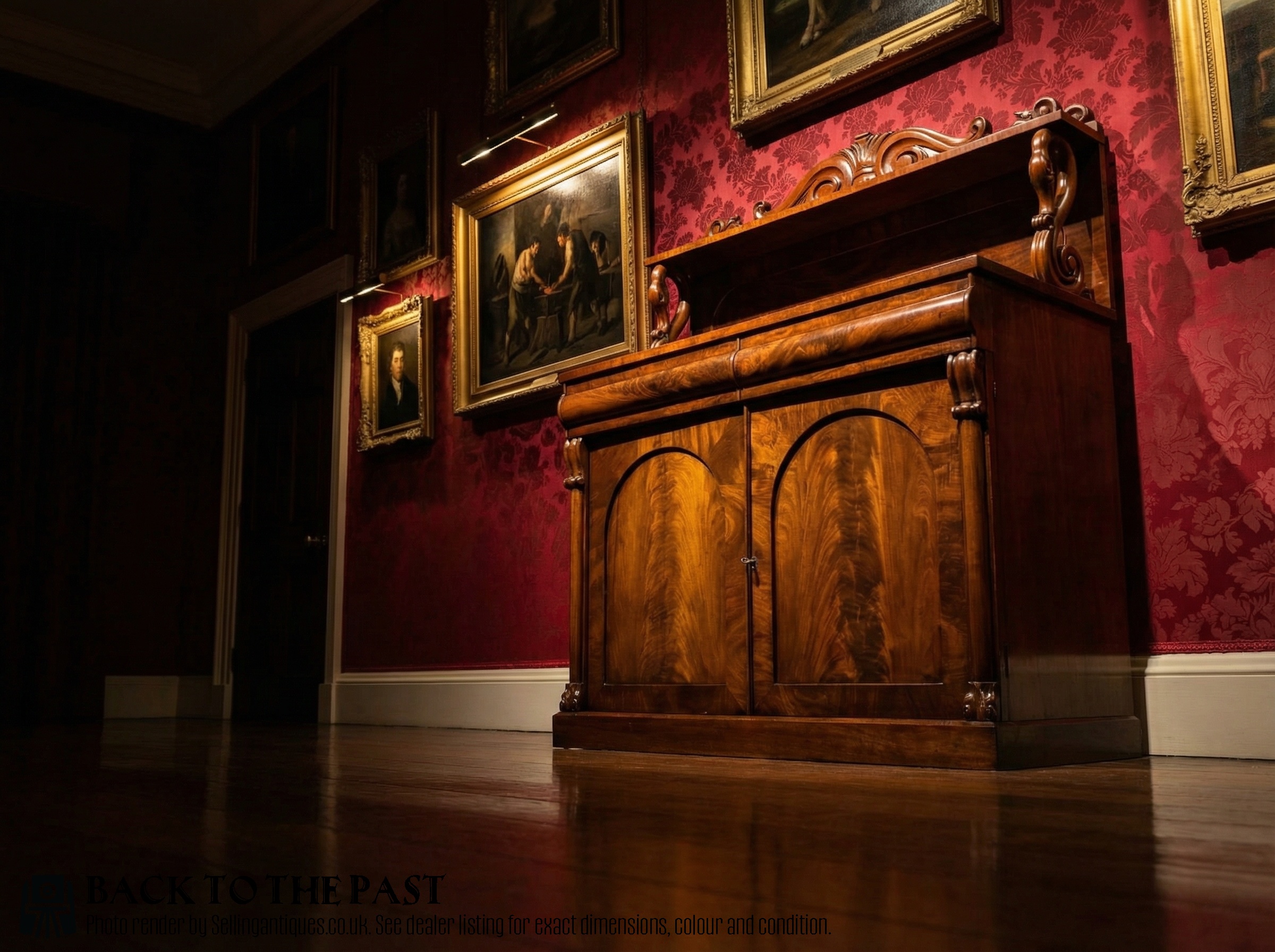
Victorian Chiffonier Cupboard
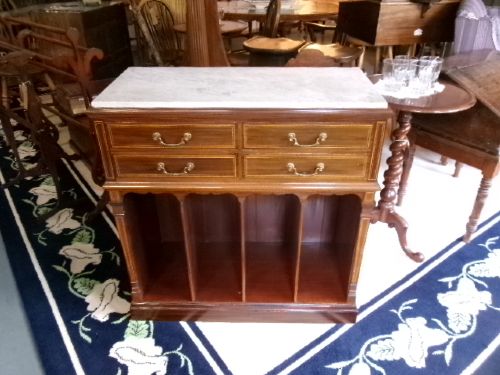
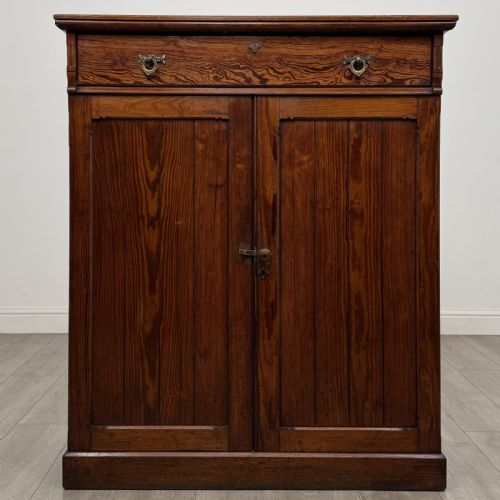
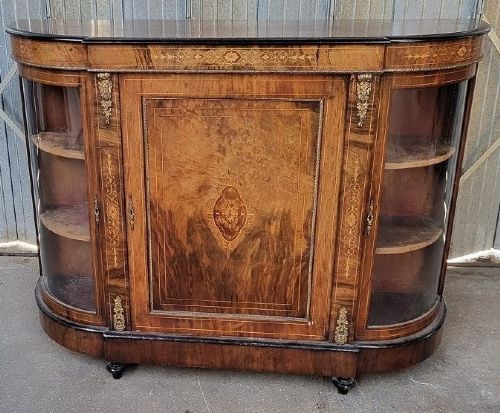
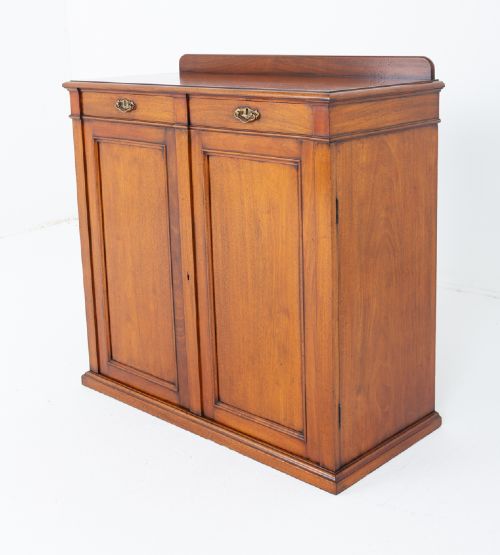
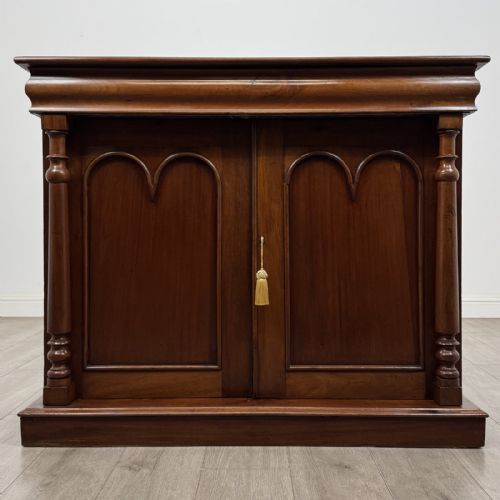
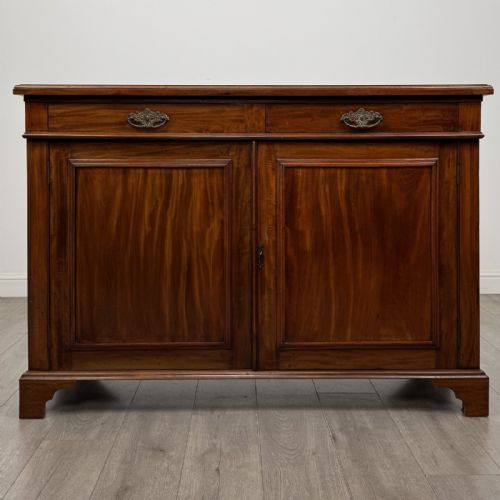
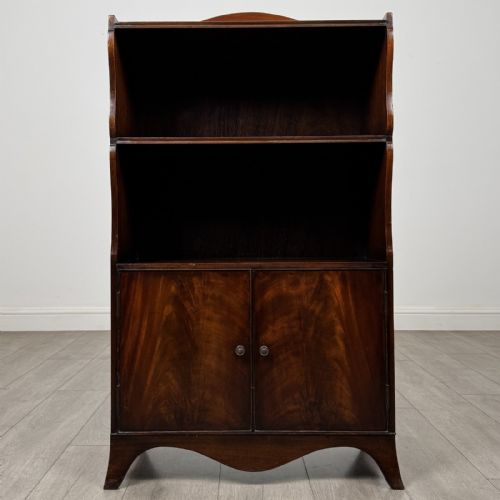
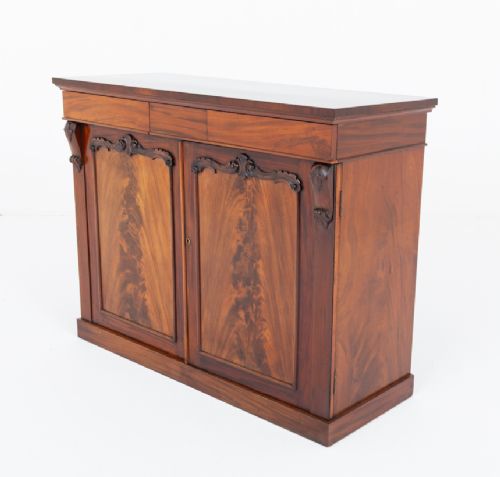
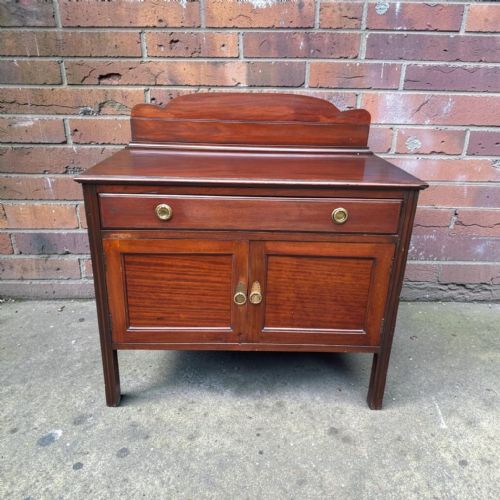
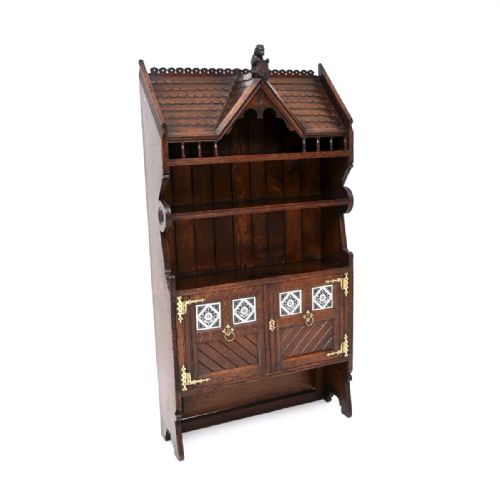
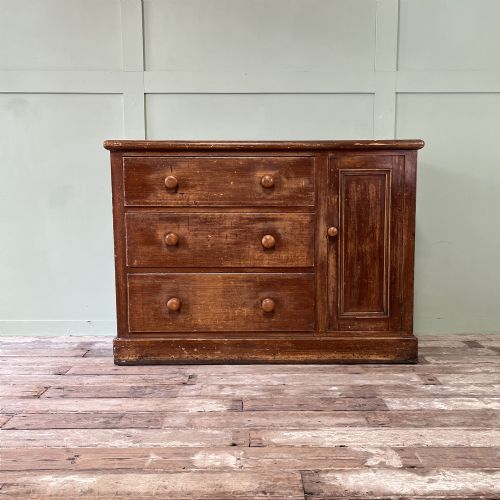
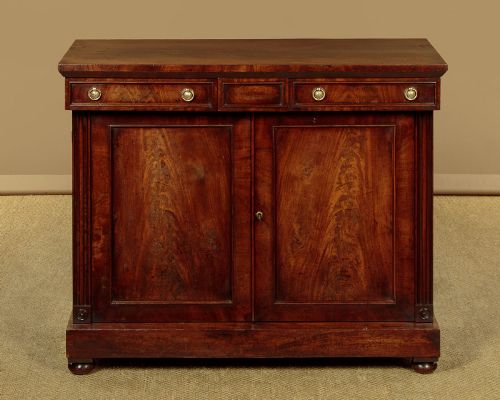
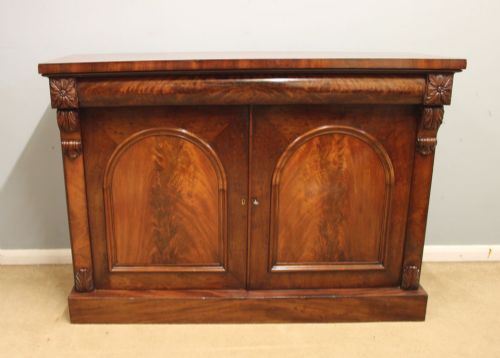
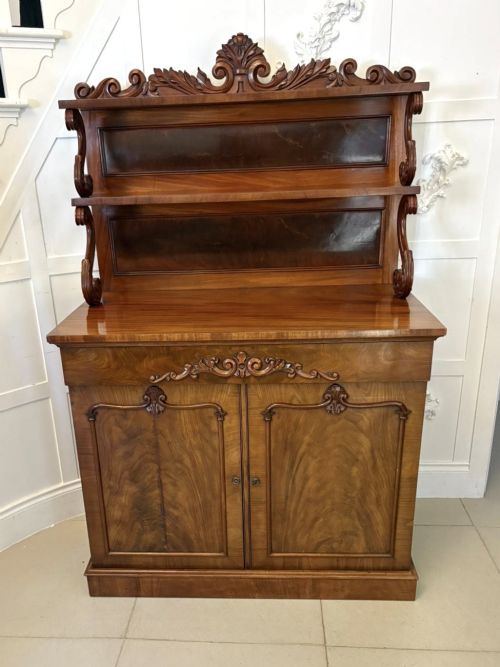
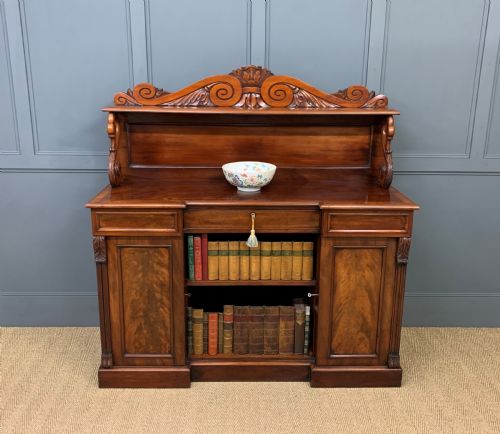
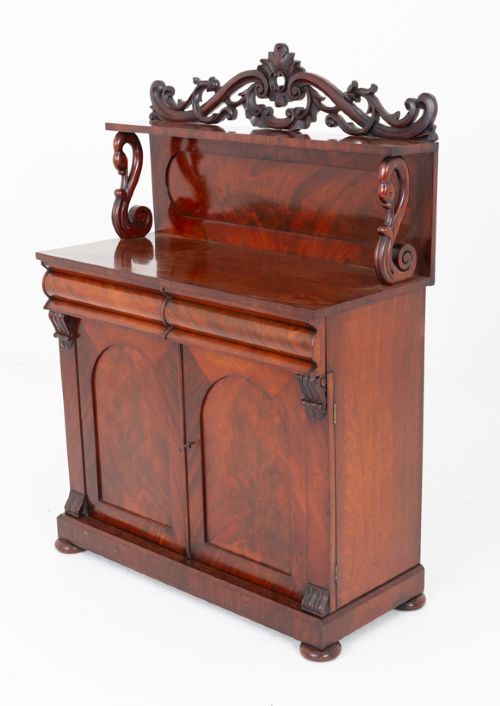
A victorian chiffonier cupboard serves as a versatile low-profile storage piece, combining enclosed lower cupboards with a surface top and frequently a raised two-tiered back or mirror. The forms seen in these listings range from compact side cabinets and credenzas to architectural bookcase variants.
The prevailing format on this page is the nineteenth-century mahogany or rosewood chiffonier, alongside related sideboards and side cabinets originating across the Victorian, Regency, and William IV periods. These pieces bridge the gap between functional dining room storage and formal parlour display.
Makers and workshops of the period utilised rich timber surfaces to impart domestic status, pairing enclosed lower doors with open shelving suited to books or ceramics. They stand lower than traditional tall bookcases or heavy sideboards, maintaining a neat visual proportion.
How They Were Made
Cabinetmakers constructed the carcase of a victພັນrian chiffonier cupboard using solid timbers such as mahogany, rosewood, oak, and padouk, frequently applying figured flame mahogany veneers to the primary door panels and drawer fronts for visual depth. Secondary structural elements often incorporated cedar or pine.
Decorative detailing relied upon brass mounts, carved wooden scrolls, fabric backing behind glass doors, and occasional marble tops. Joinery methods combined traditional frame-and-panel construction with dovetailed drawers and turned feet, mounted on brass castors in finer examples.
Victorian Chiffonier Cupboard Retail Price Guide 2026
Typical asking prices for victorian chiffonier cupboard among the pieces listed under this phrase on Sellingantiques today, from the lower quarter to the upper quarter. They describe what is for sale here now, not the wider market.
Styles span from Regency and William IV through Victorian Renaissance Revival and late nineteenth-century cabinetmaking.
What Varies in Quality
The distinction between standard utility pieces and finer examples rests upon the selection of timber veneers and the crispness of carved wooden details. Grain figuring on mahogany and rosewood surfaces dictates the visual weight and elegance of the front elevation.
Proportion and structural integrity also separate the range, with smaller, neatly scaled chiffoniers and documented maker pieces commanding greater design success. The integration of original brass hardware, glass panels, and secondary shelves determines the overall coherence of the surviving cabinet.
Gillows·Holland & Sons·Robert Strahan
The Victorian Chiffonier Cupboard Glossary
- Chiffonier
- A low sideboard or cabinet featuring enclosed lower cupboards, often topped by a raised shelf or mirror-back. It developed from the Regency period onward as a multipurpose piece for the parlour or dining room.
- Flame Mahogany Veneer
- A thin slice of mahogany timber cut from the fork of the tree where branches meet, creating a distinctive flamed or feathered pattern. Cabinetmakers applied this to prominent door panels to display rich grain movement.
- Credenza
- A low-standing side cabinet originating in continental Europe and adopted into British interior design during the nineteenth century. These pieces frequently feature multiple doors and refined decorative mounts.
- Two-Tiered
- A configuration describing the upper superstructure of a chiffonier or bookcase, where a raised shelf sits supported by columns or carved brackets above the main surface top.
Victorian Chiffonier Cupboard: Frequently Asked Questions
What is a chiffonier cupboard?
A chiffonier is a low nineteenth-century cabinet that combines enclosed storage doors beneath a flat top, which is frequently surmounted by a raised shelf or mirror-back. They were designed for the dining room or parlour to hold silver, linen, or books.
These pieces offer a lower profile than traditional sideboards while providing more surface utility than a simple chest. Their compact proportions made them popular in homes requiring adaptable storage without dominating the room.
How do I date a chiffonier?
Dating relies upon examining the timber choice, secondary woods, hardware, and stylistic indicators such as carved scrolls or Regency proportions. Earlier pieces from the William IV and early Victorian eras often feature rich rosewood and architectural lines.
Later Victorian examples from the 1870s and 1880s frequently incorporate heavier carvings, mirror-backs, or walnut with gilt mounts. Comparing the construction methods inside the drawers helps confirm the period of manufacture.
Where were they placed originally?
These cabinets typically stood against dining room walls to serve carving dishes or display glassware, as well as in drawing rooms for books and decorative ornaments. Their shallow depth allowed them to fit into narrower reception spaces.
The raised upper tier provided a convenient spot for small display items while keeping the main surface clear for serving or reading materials.
What woods were used?
Mahogany and rosewood dominate the surviving examples, supported by oak, walnut, padouk, and satinwood in specific regional or exotic commissions. Flame mahogany veneers were widely applied to door panels for decorative effect.
Interior components and secondary framing often utilised pine or cedar, while high-status pieces might incorporate marble tops and brass gallery rails.