
Victorian Centrepiece Bowl
When you choose a Victorian centrepiece bowl, you select a dramatic table focal point shaped by the ornate styles of the nineteenth century.
Victorian Centrepiece Bowl
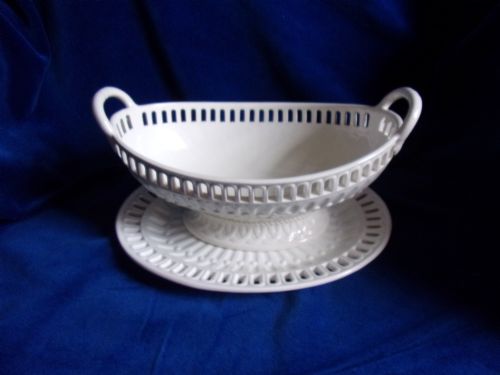
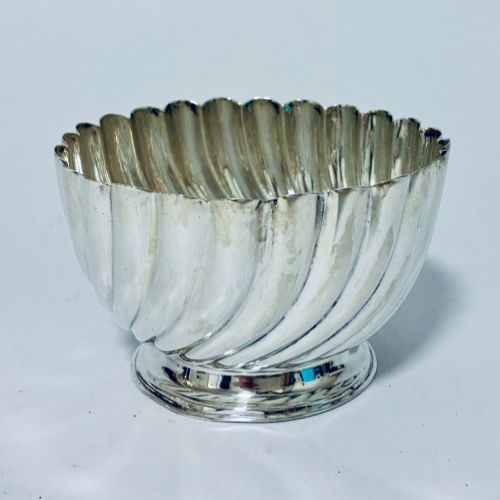
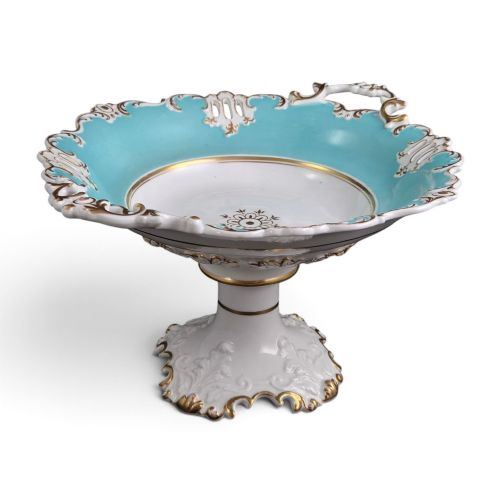
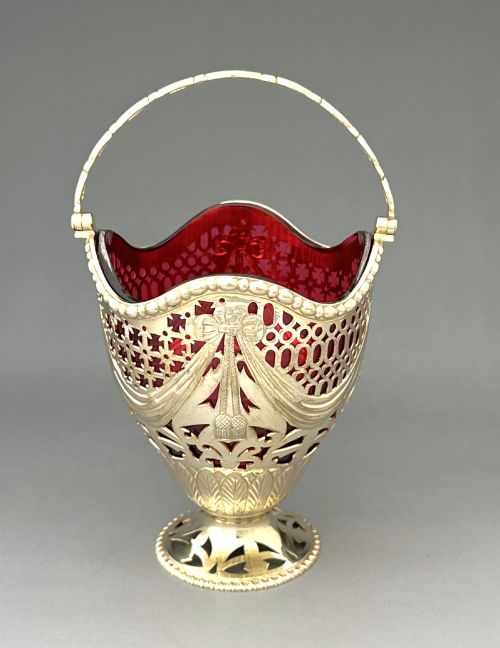
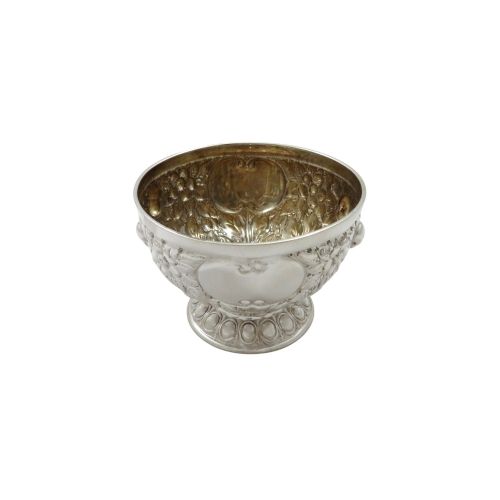
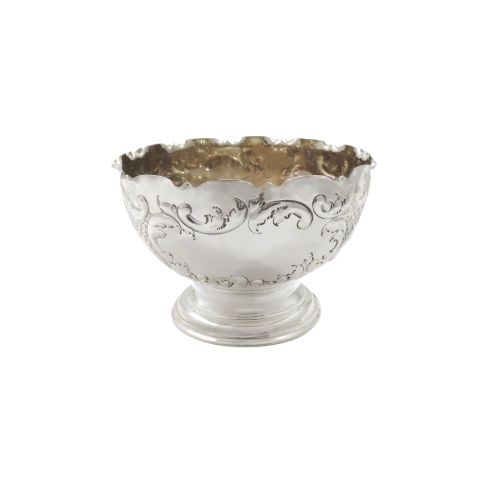
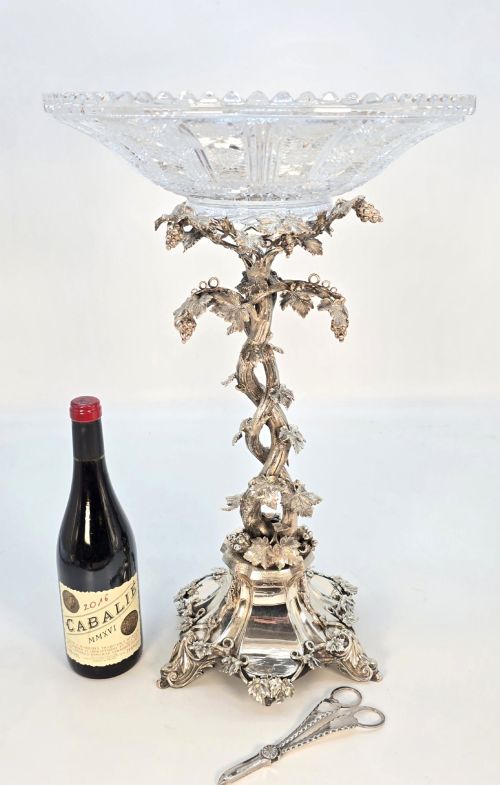
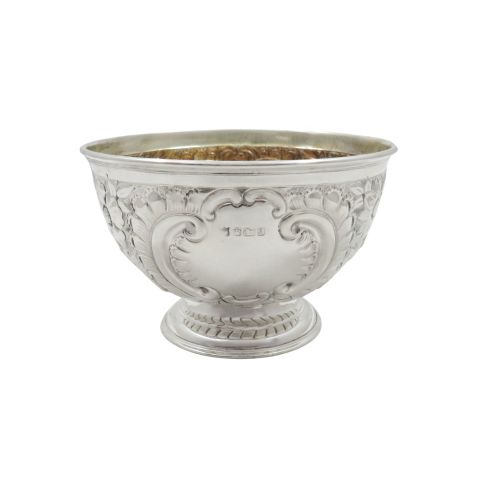
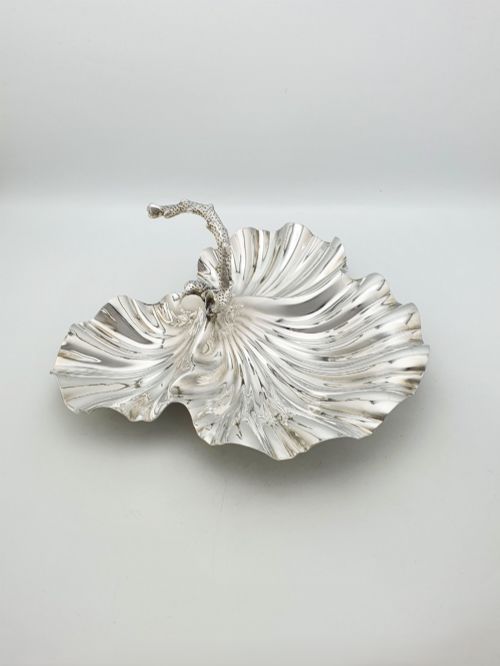
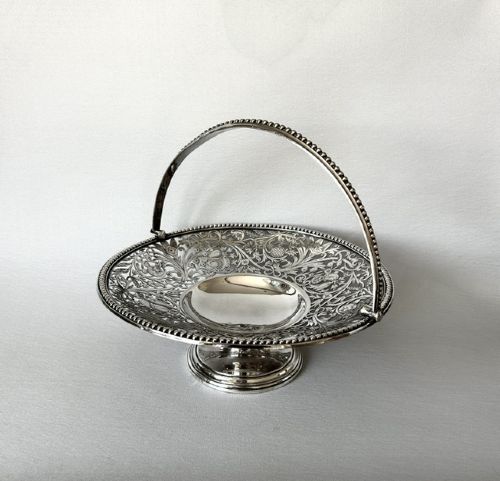
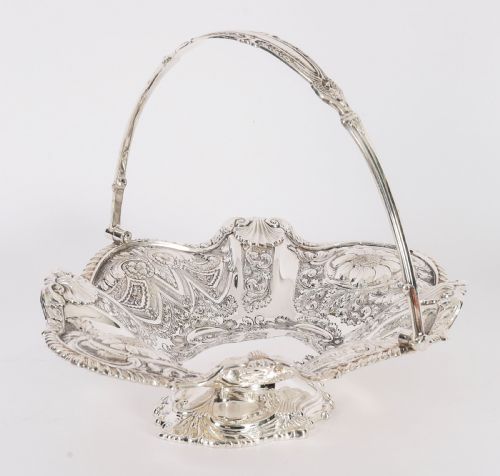
A Victorian centrepiece bowl stands as a decorative centre of attention for the dining table, often taking the form of a footed dish, tazza, or fruit basket. You will frequently encounter silver plated, sterling silver, and cut glass examples dating from the mid to late nineteenth century.
The objects serve as impressive vessels designed to hold fruit, flowers, or simply to display craftsmanship under candlelight. Alongside formal silver and glass pieces, pottery and porcelain bowls featuring colourful patterns appear regularly across the selection.
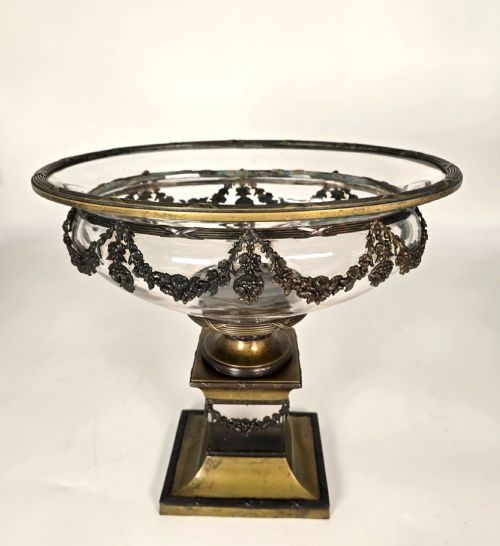
Makers and manufacturers utilised diverse international styles, ranging from French Rococo Revival and Neoclassical motifs to ornate English floral designs and exotic brasswork. These items combine utility with grand decorative ambition, reflecting the dining customs of the period.
Materials and Construction
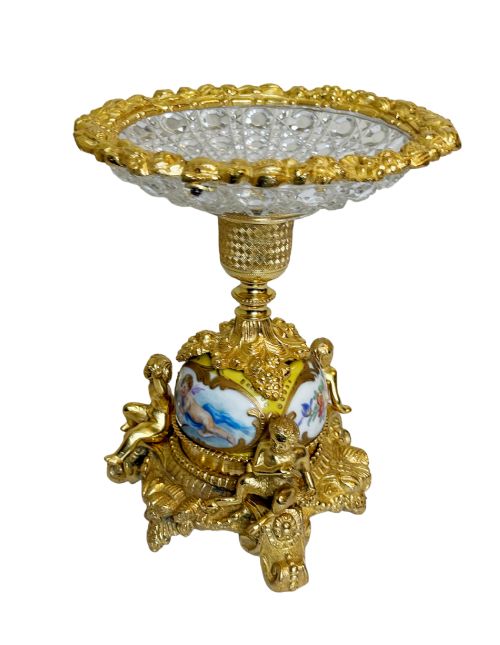
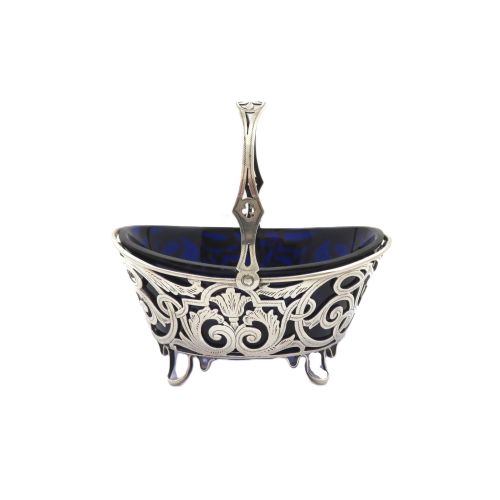
Silversmiths and manufacturers formed metal components through casting, piercing, and repoussé work, frequently applying silver plate over a base metal or working in solid sterling silver. Gilt bronze and ormolu mounts often secure glass inserts or porcelain bowls.
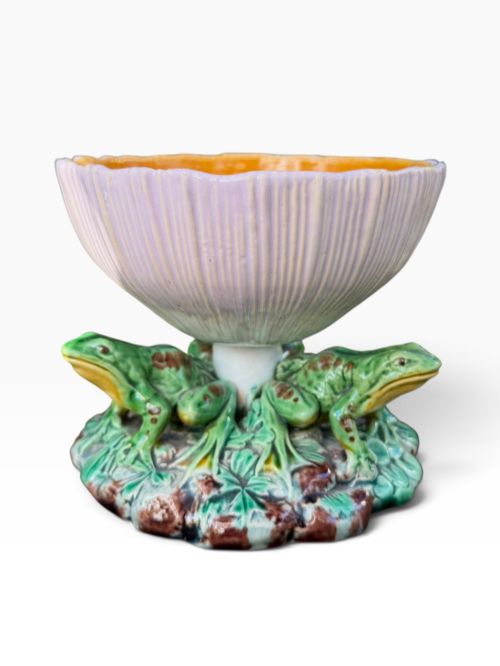
Glassmakers employed heavy crystal cutting, together with coloured glass variations such as cranberry, amber, and vaseline glass, to create brilliant light refraction. Ceramic works combine bone china, majolica, and porcelain bodies decorated with hand-painted glazes and gilding.
A Swiss musical fruit bowl lets you enjoy a tune while reaching for an apple.
Judging Quality
Quality reveals itself in the crispness of cast metal mounts, the depth of hand-chased ornamentation, and the clarity of cut glass surfaces. Pieces featuring integrated figural supports or complex enamel work demonstrate superior workshop skill.
Substantial weight in the metal base and precision in the mounting of porcelain or glass liners indicate higher tier manufacture. The reputation of the maker and the harmony of mixed materials further distinguish exceptional examples from standard production.
George W. Scott & Sons Ltd·Walker & Hall·Royal Vienna·Doulton Burslem·Henry Lewis·Elkington
The Victorian Centrepiece Bowl Glossary
- Tazza
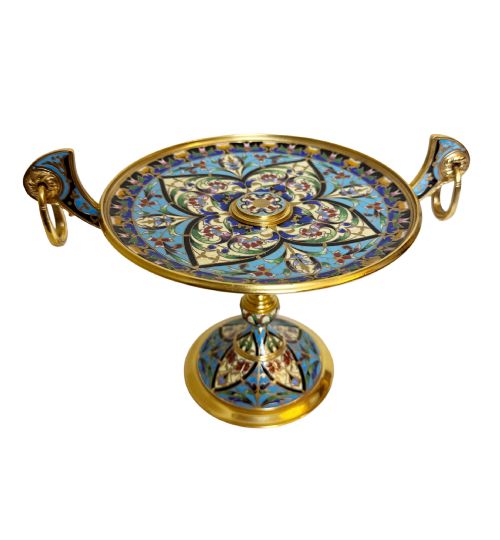
- A shallow bowl or cup mounted on a stem and foot, traditionally used for serving fruit or small dishes at the table. These elevated pieces create varied heights in a table display.
- Ormolu
- Gilt bronze mounting applied to porcelain, glass, or stone objects during the eighteenth and nineteenth centuries. The technique provides a rich golden contrast to coloured bodies.
- Repoussé
- Metalworking technique where the artisan hammers the design from the reverse side to form a raised pattern on the front. This method creates tactile, highly decorative relief surfaces.
- Majolica
- Low-fired earthenware decorated with opaque coloured lead glazes, popular during the Victorian era. The glazes produce vibrant, glossy surface colours on sculptural bowl forms.
- Champlevé
- Enamelling technique where troughs or cells are hollowed out of a metal surface and filled with vitreous enamel before firing. The resulting patterns sit flush with the surrounding metal.
Victorian Centrepiece Bowl: Frequently Asked Questions
What was a centrepiece bowl used for?
These bowls held seasonal fruits, sweetmeats, or floral arrangements to anchor large dining tables during formal nineteenth century meals. They functioned primarily as visual spectacles for guests.
Secondary uses included acting as decorative jardinières for plants or standing empty as sculptural art pieces on sideboards and credenzas.
How do I care for silver plated bowls?
Clean silver plated and sterling silver surfaces gently using a soft cloth and specialised silver polish to avoid damaging thin plating layers. Wash glass liners in warm soapy water without harsh abrasives.
Store pieces in dry environments away from direct sunlight and humidity to prevent tarnish and protect fragile enamel or gilt components.
How can I tell a Victorian piece apart from later copies?
Examine the construction methods, such as hand-cut glass facets, heavy cast bronze mounts, and authentic hallmarks stamped into the silver or base metal. Maker marks and registration numbers often provide precise dating clues.
Compare the weight, patina, and wear patterns against known period examples to confirm age and traditional manufacturing techniques.
Are these bowls suitable for daily dining use?
Many antique bowls remain sturdy enough for serving dry foods like fruit, provided you handle them with care and wash them by hand immediately after use. Avoid exposing old ceramics or glass to extreme temperature shifts.
Delicate items featuring delicate gilding, enamel, or musical movements function best as permanent decorative displays rather than working tableware.