






Victorian Cellarette
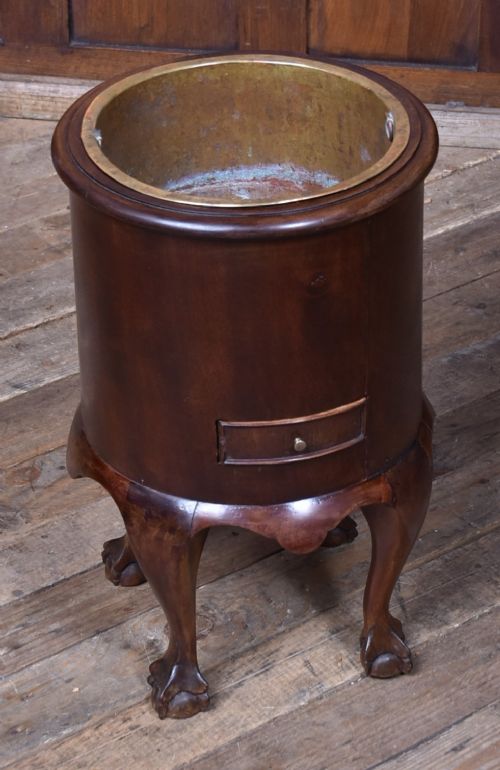
A victorian cellarette brings serious nineteenth-century dining custom straight into the modern room as a purposeful container for bottles.
Victorian Cellarette
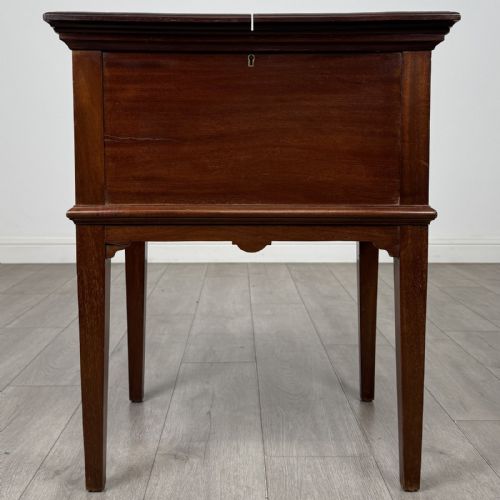
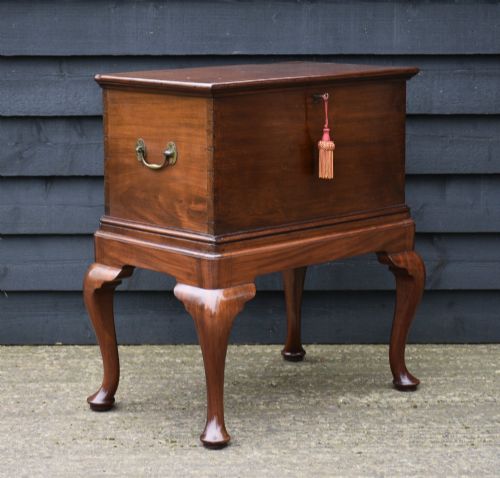
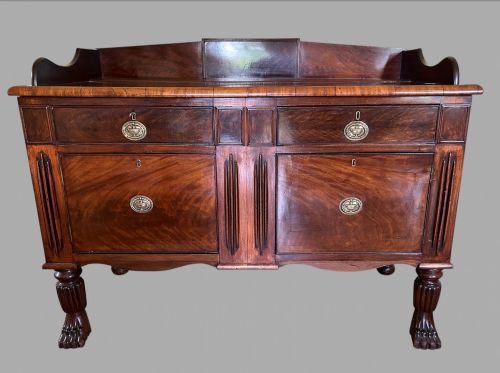
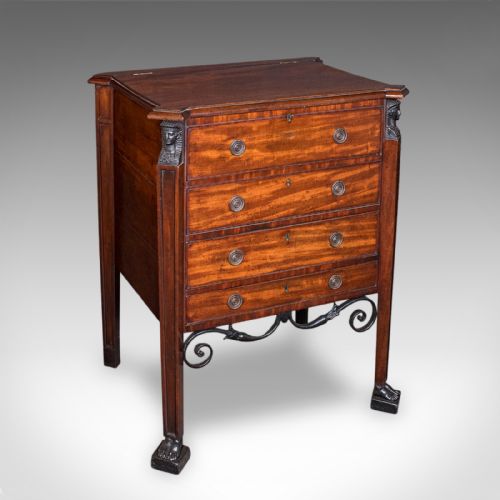
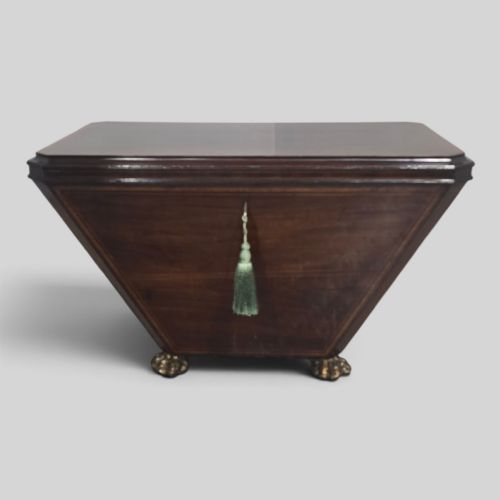
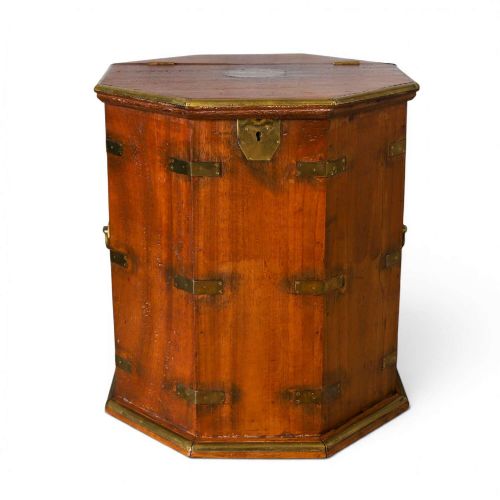
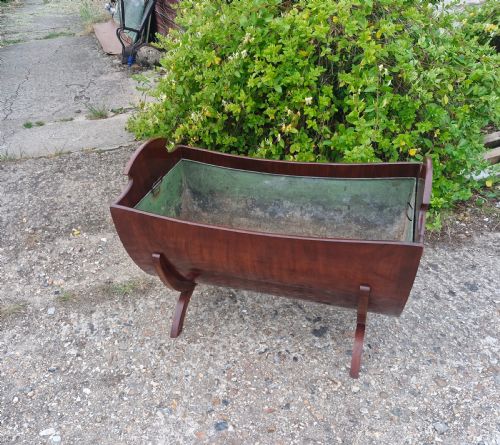
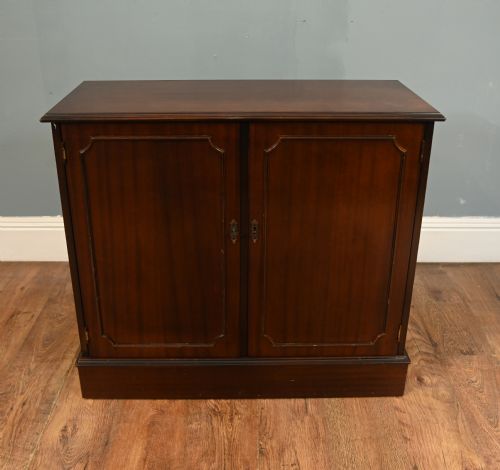
When you search for a victorian cellarette, you are looking at substantial bottle storage units designed to keep wine and spirits cool or secure in grand dining rooms. The pieces appearing here span mahogany, oak, rosewood and walnut, taking forms from sarcophagus shapes and boxes on stands to fitted side cabinets.
You are most likely to meet mahogany examples from the nineteenth century, often lined with metal or wood to hold bottles. Alongside standard cellarettes, the listings encompass wine coolers, decanter boxes, and tantalus sets that serve a similar function in domestic hospitality.
Materials and construction
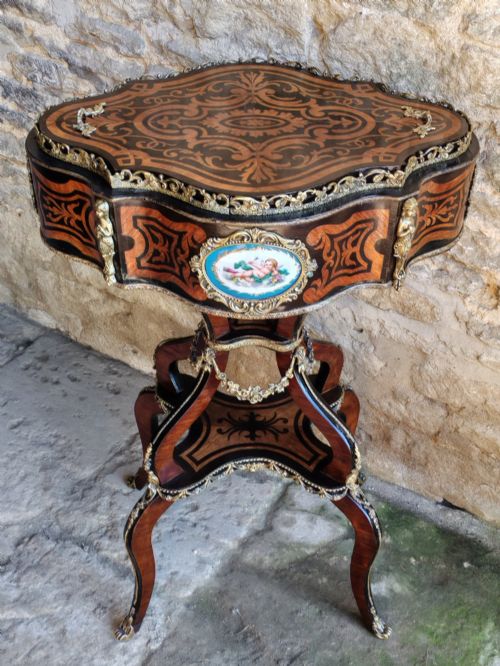
Cabinetmakers relied heavily on solid and veneered mahogany, oak, and rosewood, incorporating brass banding, ormolu mounts, and satinwood inlay to elevate the surface appearance. Interior lead linings or tin linings were standard practice to hold ice and wet bottles safely without damaging the timber structure.
Joinery methods involved sturdy box construction, dovetailed drawers, and panelled doors designed to bear the considerable weight of stored glassware and full wine bottles. Carved details, brass carry handles, and campaign-style hardware reflect the rigorous standards applied to nineteenth-century entertaining furniture.
Victorian Cellarette Retail Price Guide 2026
Typical asking prices for victorian cellarette among the pieces listed under this phrase on Sellingantiques today, from the lower quarter to the upper quarter. They describe what is for sale here now, not the wider market.
Early dining hosts locked up the good claret to keep the servants from sampling the vintage while dinner was served.
Judging quality in cellarettes
Quality rests on the depth of figure in the timber, the crispness of any carving or marquetry, and the integrity of internal fittings like bottle dividers and original metal linings. Pieces by documented makers or retailers display finer secondary woods, tighter dovetailing, and more ambitious proportions than standard workshop output.
The degree of preservation in interior compartments, original locks, and key escutcheons separates standard utility pieces from exceptional examples commissioned for prominent country houses.
Edwards and Roberts·Freemans of Norwich·Maples and Co·Robert Strahan and Co·Elkington and Co
The Victorian Cellarette Glossary
- Cellarette
- A lockable container or cabinet specifically designed for storing bottles of wine and spirits near the dining table. They frequently feature internal divisions and metal liners.
- Tantalus
- A locking beverage stand that displays decanters behind a security bar, preventing unauthorized access while keeping the bottles visible. These often incorporate games compendiums.
- Sarcophagus form
- A heavy, tapering box shape with a domed lid that mimics ancient stone coffins, highly popular for grand nineteenth-century wine coolers.
- Marquetry
- Decorative patterns formed by fitting together thin veneers of various coloured woods and other materials into a prepared surface.
Victorian Cellarette: Frequently Asked Questions
What is a victorian cellarette used for?
These pieces served nineteenth-century dining rooms as secure storage or cooling units for wine bottles and decanters.
Today, they function as striking drinks cabinets, side tables, or decorative storage boxes in domestic settings.
How do I spot a quality cellarette?
Look for dense timber figures, intact interior bottle dividers, and substantial hardware such as brass handles and working locks.
Pieces bearing maker stamps or superior marquetry inlay generally indicate higher workshop standards.
Were all cellarettes lined with metal?
Many wine coolers featured tin or lead linings designed to hold ice and keep bottles chilled during long meals.
Other variants, such as decanter boxes and tantalus sets, relied on fitted wooden interiors to secure glass bottles without moisture protection.
How do I tell different wood types apart?
Mahogany displays a deep reddish-brown tone with straight or flame grain patterns, while oak exhibits a prominent open grain with visible medullary rays.
Rosewood and walnut offer darker, highly figured surfaces often enhanced with contrasting stringing or marquetry.