



Victorian Cast Iron Urns
Victorian cast iron urns bring classical presence to outdoor spaces, offering heavy durability and timeless sculptural forms for gardens and terraces.

Victorian Cast Iron Urns
Victorian cast iron urns are robust outdoor vessels designed to hold plants, flowers, or simply to serve as architectural focal points in a garden or courtyard. When exploring this selection, buyers encounter garden urns, garden planters, and jardinieres originating predominantly from the nineteenth century.
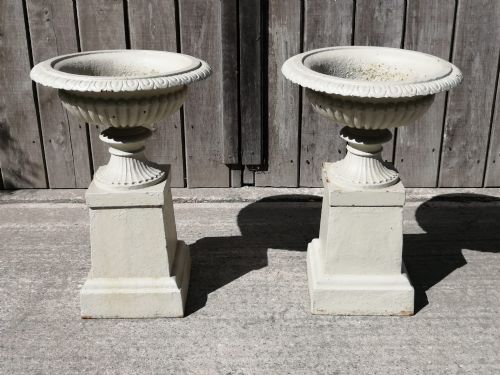
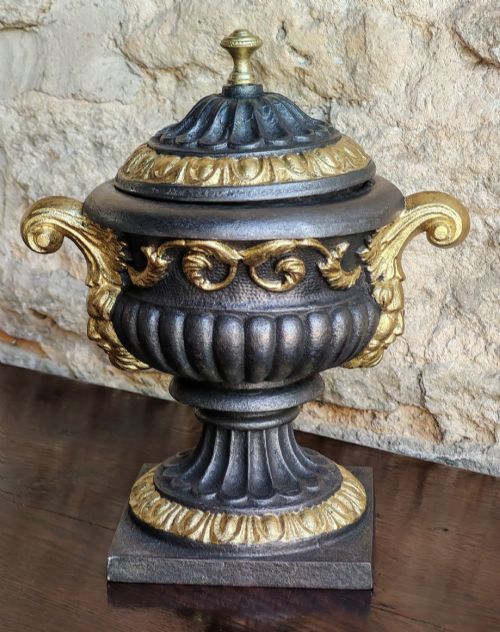
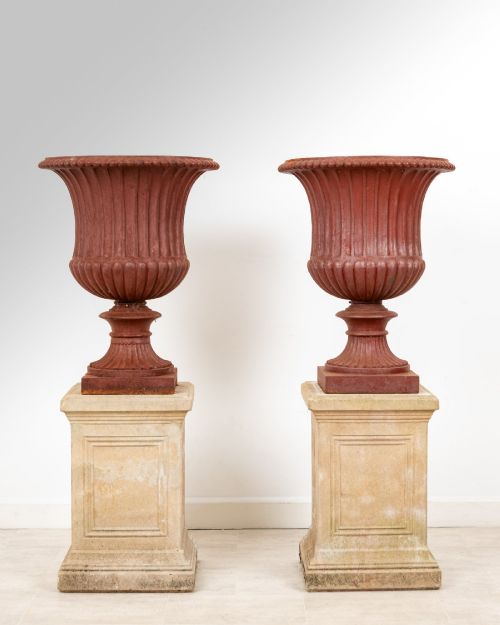
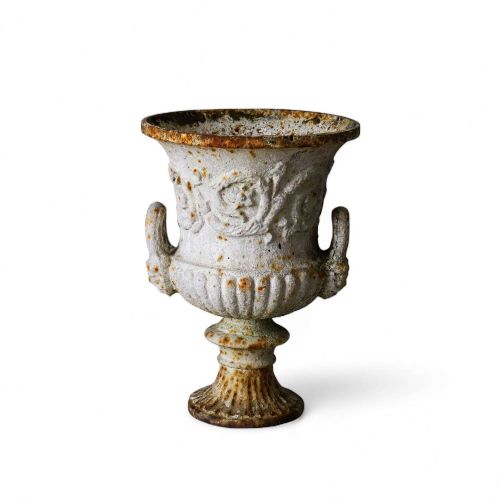
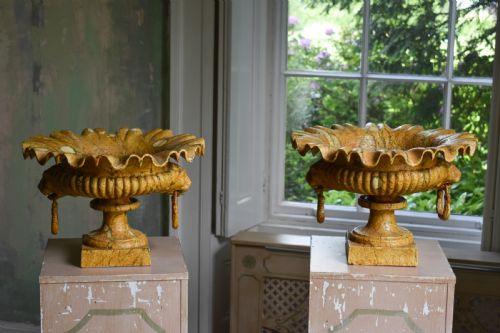
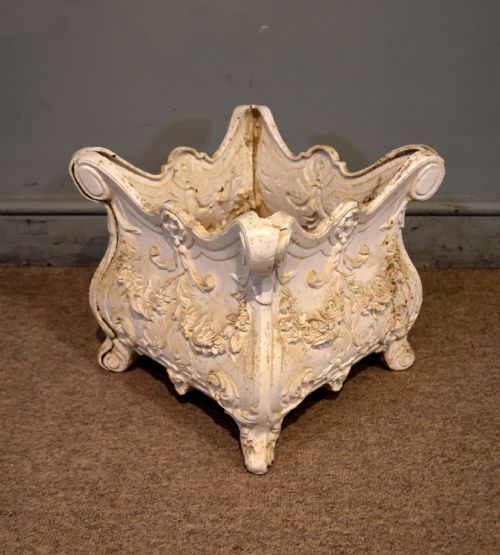
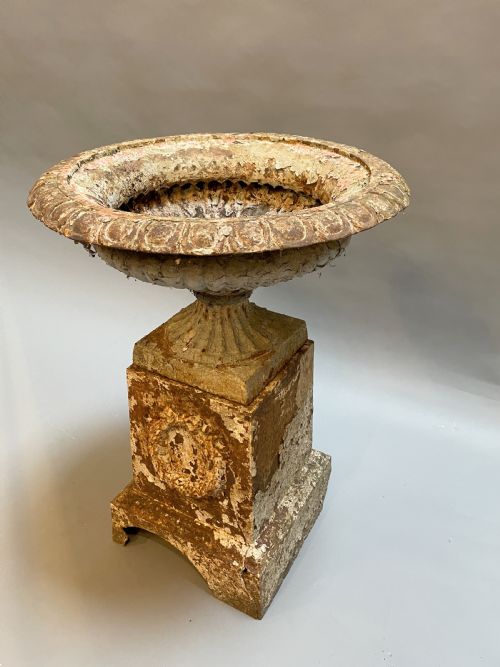
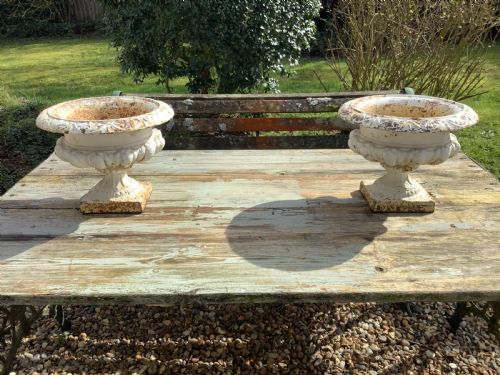
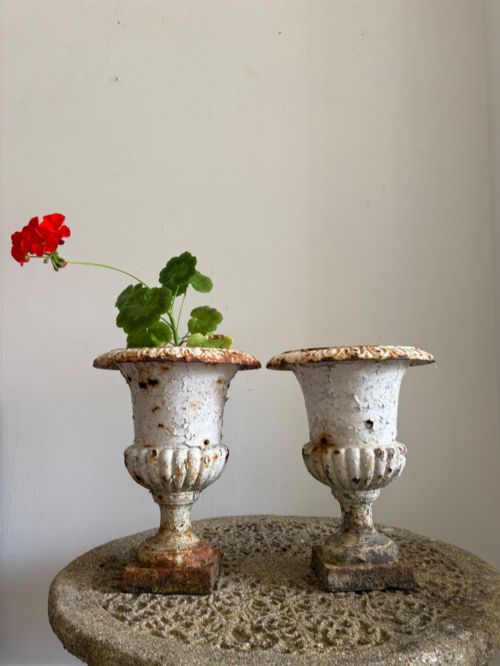
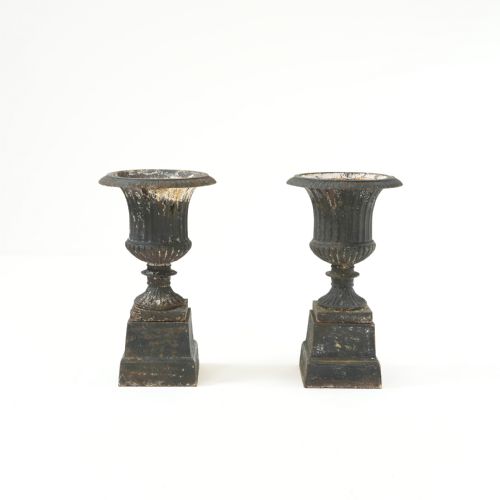
The most common form met here is the campana urn, often paired with matching plinths or pedestals for elevated garden display. Examples range from modest table urns to large, heavy landscape pieces decorated with classical motifs or quirky novelty designs such as shrimp forms.
Materials and Manufacture
Makers utilised molten metal poured into sand moulds to achieve crisp architectural details, fluting, and acanthus leaf decoration. The resulting heavy cast iron body was frequently finished with protective paint or left to weather naturally in the elements.
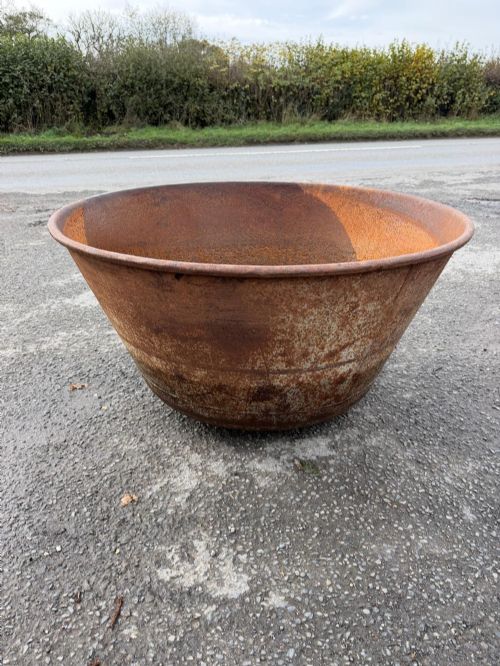
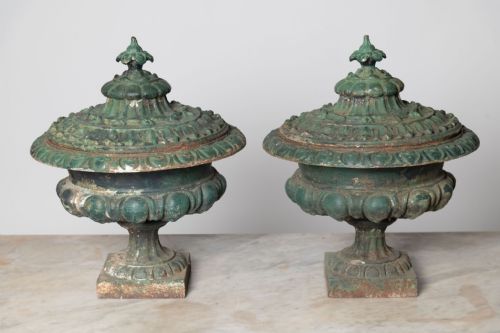
Some specialised items incorporate stone pedestals or plinth bases to support the weight of the metal vessel. Occasional variants utilise polished steel or feature original distressed paint surfaces recording decades of outdoor exposure.
Victorian Cast Iron Urns Retail Price Guide 2026
Typical asking prices for victorian cast iron urns among the pieces listed under this phrase on Sellingantiques today, from the lower quarter to the upper quarter. They describe what is for sale here now, not the wider market.
Some nineteenth-century designers abandoned strict classical dignity altogether, offering surprised buyers heavy iron planters shaped entirely as giant shrimp.
Judging Quality
Quality in these vessels rests upon the crispness of the casting and the depth of the classical relief ornament. Finer pieces display sharply defined acanthus leaves, crisp gadrooning, and balanced proportions that reflect meticulous foundry work.
The presence of original matching pedestals, plinths, or lids elevates the desirability of a pair. Furthermore, recognised foundry marks from makers such as Coalbrookdale or Andrew Handyside distinguish superior artistic production from unmarked commercial output.
Coalbrookdale·Andrew Handyside·Val D'Osne Foundry
The Victorian Cast Iron Urns Glossary
- Campana
- A bell-shaped garden urn with an everted rim and a tapered body, heavily favored during the nineteenth century for classical garden schemes.
- Plinth base
- A solid rectangular block or pedestal upon which an urn is raised to provide height and visual stability in a garden setting.
- Gadrooned
- Decorated with a series of convex curves or flutes moulded in a parallel pattern around the body or base of the vessel.
- Jardiniere
- An ornamental pot or receptacle specifically designed for holding plants or floral arrangements, often used interchangeably with larger garden planters.
- Tazza
- A shallow cup or basin mounted on a stem and foot, utilised in garden design as an open planter or decorative display vessel.
Victorian Cast Iron Urns: Frequently Asked Questions
How do I maintain cast iron urns outdoors?
These robust metal vessels require minimal upkeep beyond seasonal cleaning and occasional repainting to prevent excessive oxidation. Ensuring proper drainage prevents trapped moisture from expanding during freezing winter temperatures.
Positioning them on stable stone plinths also protects the base from damp soil and ground moisture.
Can these urns stay outside all winter?
Cast iron withstands cold weather effectively, though extreme frost can occasionally threaten soil-filled vessels if water freezes and expands against the interior walls. Lining the inner cavity or elevating the drainage hole helps mitigate this risk.
Many collectors leave them outdoors year-round to develop an authentic weathered patina.
Are these urns too heavy for a terrace?
Due to the dense nature of nineteenth-century metal casting, these pieces possess substantial weight that requires careful placement on reinforced surfaces. Large pairs on original plinths demand firm foundations like stone paving or compacted earth.
Smaller variants and table-sized examples adapt easily to lighter patio settings.