


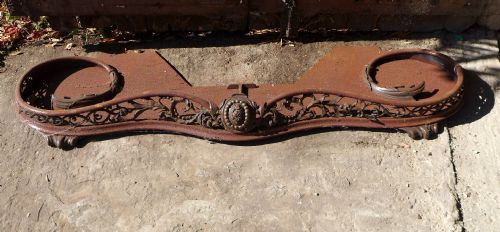


Victorian Cast Iron Fender
A Victorian cast iron fender protects the rug from errant hearth coals while anchoring the fireplace with substantial weight and form.
Victorian Cast Iron Fender
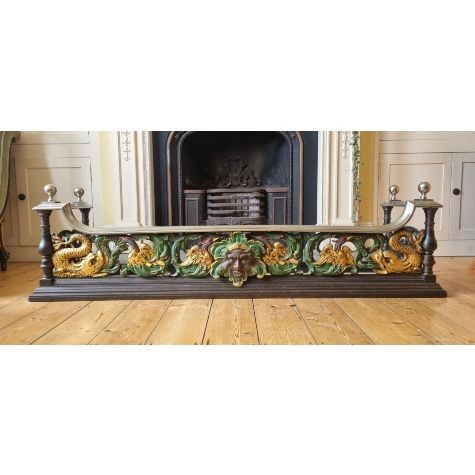
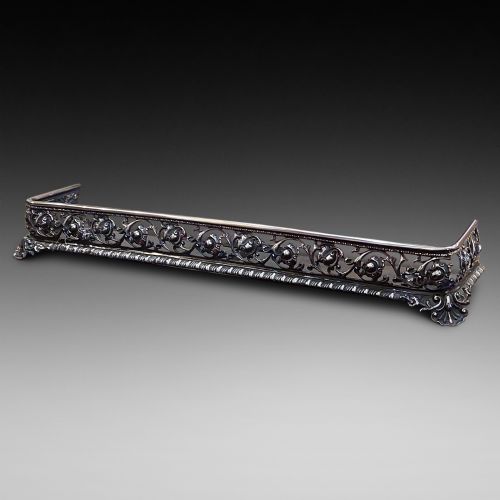
When buyers search for a Victorian cast iron fender, they encounter hearth surrounds designed to contain ash and embers before open fires. The pieces seen here span the nineteenth century, including items attributed to Victorian, Georgian, and seventeenth-century styles.
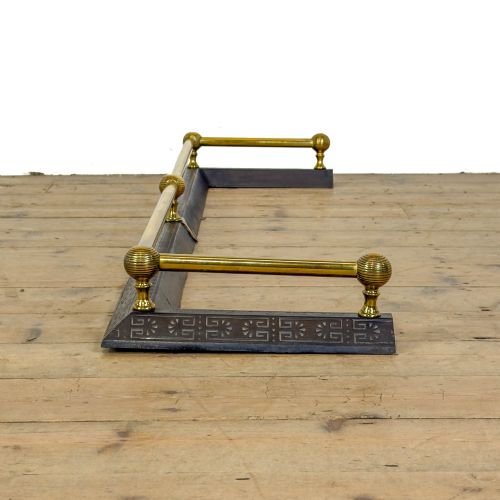
The most common form met on this page is the nineteenth-century fire fender, often combined with brass, steel, or bronze elements. These objects function as practical fireplace accessories and decorative framing for grates and firebacks.
How they were made
Makers utilised heavy casting techniques for the primary iron body, pouring molten metal into sand moulds to achieve crisp detail and structural heft. This foundational metalwork was frequently paired with applied brass galleries, bronze curves, or steel fittings.
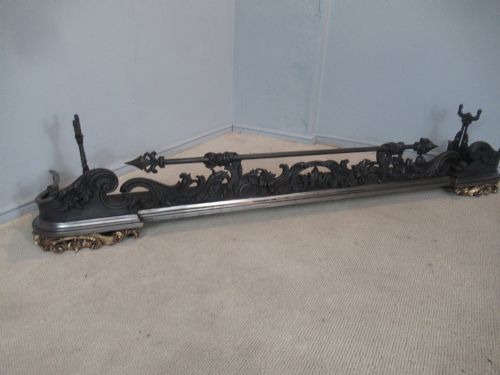
Craftsmen incorporated adjustable mechanisms in certain examples to fit varying hearth dimensions, whilst decorative styles ranged from French Rococo curves to strict Victorian Gothic geometries.
Victorian Cast Iron Fender Retail Price Guide 2026
Typical asking prices for victorian cast iron fender among the pieces listed under this phrase on Sellingantiques today, from the lower quarter to the upper quarter. They describe what is for sale here now, not the wider market.
One listed piece comes directly from the Coalbrookdale foundry, where ironmasters cast the industrial revolution.
What varies in quality
Quality rests in the crispness of the cast iron ornamentation and the integrity of the secondary metals such as brass and bronze. Pieces featuring finer surface chased detail and robust construction sit at the higher end of the range.
The degree of material combination also dictates character, where integrated steel elements or fireguard attachments show greater ambition than plain iron borders.
Coalbrookdale
The Victorian Cast Iron Fender Glossary
- Cast iron
- Iron poured into a mould to shape heavy fireplace components. It provides the rigid, heat-resistant body of the fender.
- Fire guard
- A protective barrier placed around or on the fender to contain sparks. It prevents stray embers from damaging hearth rugs.
- Fireback
- A heavy iron plate placed at the back of the fireplace. It reflects heat into the room and protects the masonry wall.
- Gilt-brass
- Brass treated with a gold-coloured finish or plating. It offers decorative brightness against dark iron surfaces.
Victorian Cast Iron Fender: Frequently Asked Questions
What is a Victorian cast iron fender used for?
These pieces sit on the floor directly in front of the fireplace opening to contain ash, embers, and rolling logs. They establish a physical boundary between the open fire and the room's flooring.
Beyond safety, they frame the hearth visually, often matching the period style of the grate and surrounding mantelpiece.
How do I measure for a fender?
Measure the width and depth of the fireplace opening and the hearth stone where the fender will rest. Leave a small clearance around the hearth perimeter so the piece sits squarely.
Note whether the design is fixed or adjustable, as some nineteenth-century examples can expand to fit specific hearth widths.
Are these fenders safe for modern fires?
Cast iron and steel components handle high heat well and tolerate the thermal demands of open fires or gas inserts. They were built originally for coal and wood burning.
Inspect the metal for structural cracks before use, particularly if the piece supports heavy fireguard attachments or integrated grates.
How do I clean cast iron and brass?
Remove surface dust with a dry brush and apply a light coat of specialist grate polish or wax to cast iron surfaces. Buff the metal gently with a soft cloth to maintain a deep dark finish.
Polish brass and bronze sections separately with care to avoid staining adjacent ironwork.