
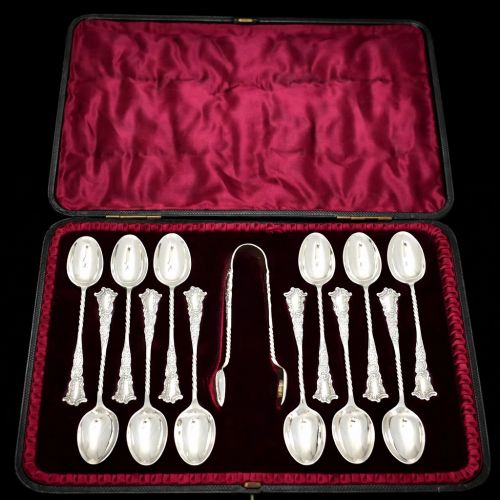


Victorian Cased Flatware
Victorian cased flatware brings together matched cutlery, serving spoons and knives housed in fitted boxes lined with velvet, silk or satin.
Victorian Cased Flatware
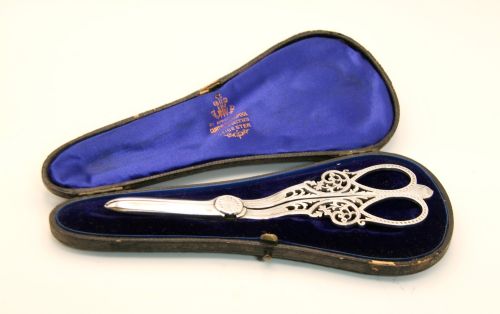
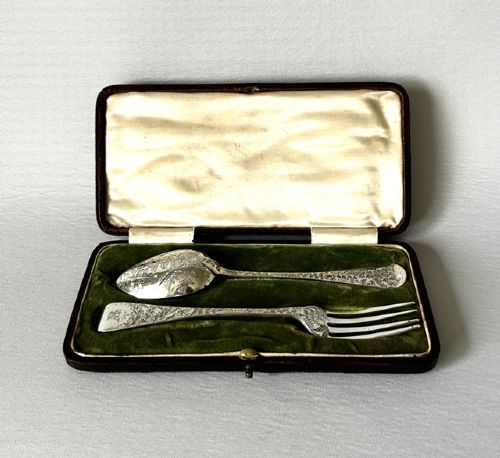
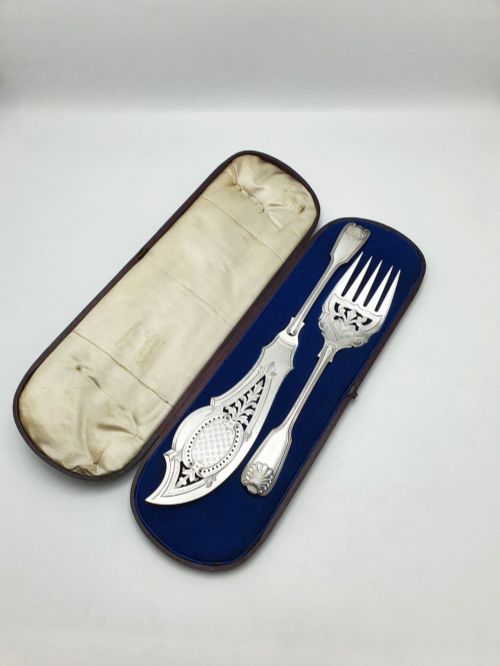
Victorian cased flatware comprises boxed sets of cutlery, serving spoons, fish servers, fruit knives and christening sets produced during the nineteenth and early twentieth centuries. These sets span periods from the eighteen-fifties through to the nineteen-twenties, incorporating Edwardian and late Victorian examples alongside campaign cutlery sets and French Third Republic pieces.
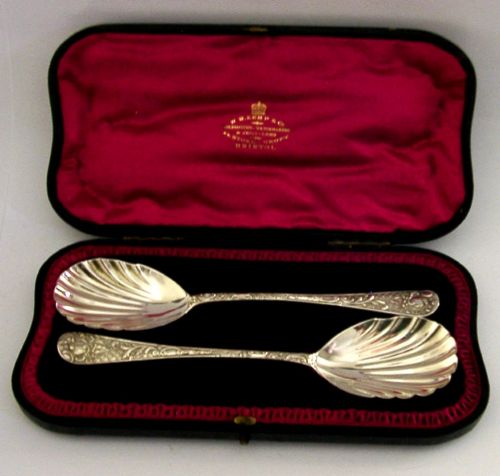
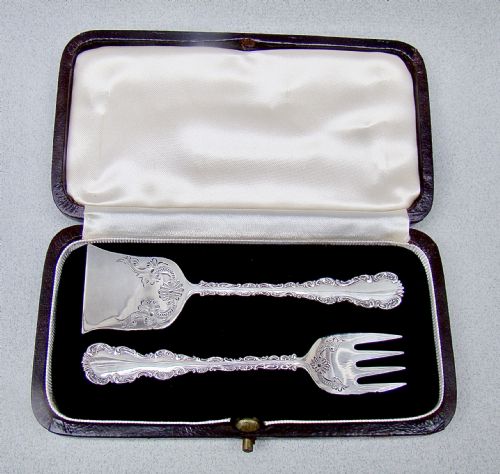
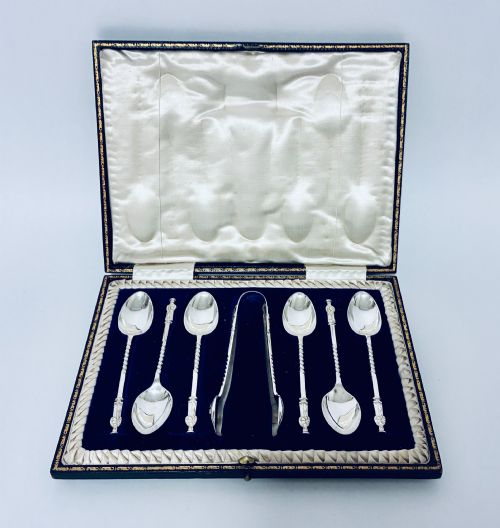
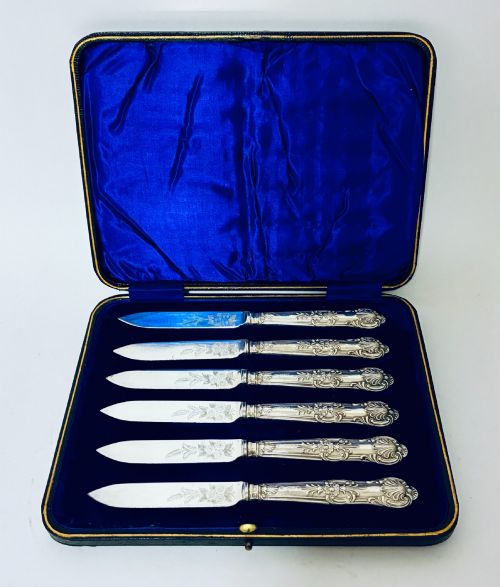
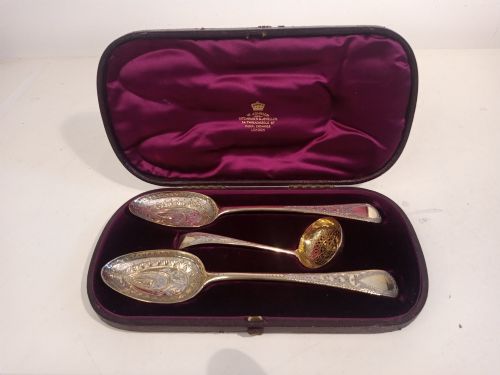
The objects themselves take forms such as apostle spoons, sardine servers, butter knives, berry spoons and larger fish serving sets housed in fitted cases. Buyers frequently encounter sets intended for specific domestic tasks, including tea and coffee service, dessert portions and children's presentation christening sets.
Originating largely from British workshops and towns, these cased ensembles demonstrate the era's taste for presentation dining and formal gift-giving. The surviving pieces on this page reflect diverse object types, ranging from single pair services to larger multi-piece dining sets.
Materials and construction
Makers utilised sterling silver and silver plate for the blades, tines and bowls of the flatware, frequently pairing them with handles formed from silver, steel, horn or specialised materials. The metal components often display chased, engraved or cast decoration, executed with techniques characteristic of Victorian and Art Nouveau periods.
The protective cases that house these sets are constructed from timber or rigid frames covered in leatherette, then lined with tactile fabrics such as velvet, silk or satin to cradle each individual piece securely. Exterior hinges, clasps and interior slots reflect meticulous craftsmanship designed to preserve the cutlery during storage and transit.
Materials documented across the pieces include sterling silver, silver plate, steel, velvet, silk, satin, leatherette and horn.
Assessing quality and craftsmanship
Quality in these cased sets rests upon the crispness of the chasing and engraving on the metalwork, alongside the structural integrity of the fitted case itself. Superior examples maintain intact internal fabric linings and robust hinges that close the box cleanly.
The distinction between standard production and finer work often appears in the weight of the silver, the depth of the hand-engraved detail on blades or spoons, and the harmony between the cutlery and its fitted enclosure.
Henry Wilkinson·Robert Stebbings·John Round
The Victorian Cased Flatware Glossary
- Flatware
- Functional utensils used for eating and serving food, including knives, forks and spoons. These objects form the core of dining services.
- Apostle spoons
- Spoons featuring figures of the apostles cast or chased on the handle terminals. They are traditionally produced in sets.
- Christening set
- A matched collection of cutlery, often comprising a spoon, fork and knife, presented as a gift for an infant. These are frequently housed in dedicated velvet or silk-lined boxes.
- Leatherette
- A simulated leather material utilised to cover the exterior of cutlery cases during the Victorian period. It provides a durable protective shell.
- Serving set
- A collection of specialised utensils intended for portioning specific foods such as fish, fruit, berries or sardines. They often feature larger dimensions and ornate decorative blades.
Victorian Cased Flatware: Frequently Asked Questions
What is victorian cased flatware used for?
These cased sets were primarily manufactured for formal dining, serving specialised foods like fish, fruit and sardines, or given as christening gifts. They provided middle and upper-class households with dedicated utensils stored securely in fitted boxes.
Over time, their function shifted from active dining room service to collectible presentation pieces. Today, owners utilise them for special family meals or display them within their original velvet and satin-lined boxes.
How do I identify the date of a set?
Dating relies heavily upon hallmarks stamped into the silver components, which indicate the assay office, year and maker. Stylistic clues such as Art Nouveau motifs or late Victorian engraving also help narrow the production era.
Examining the construction of the case, the materials used for the lining like silk or velvet, and the typography on retailer labels provides further contextual evidence for the period.
Are these sets made of solid silver?
The listings include both solid sterling silver pieces and silver-plated varieties. Hallmarks on the metal will typically confirm sterling standard content where applicable.
Handles and blades can also incorporate steel, horn or plated metals depending on the specific object type, such as fruit knives or fish serving sets.
How should I store cased flatware?
Keep the pieces inside their original fitted cases to protect the metal from excessive air exposure and tarnishing. Store the boxes in stable environmental conditions away from direct sunlight and high humidity.
Avoid stacking heavy items on top of the antique cases to preserve the structural integrity of the hinges and the exterior leatherette or wood.