



Sheffield Silver Flatware
Sheffield silver flatware represents British craftsmanship at its finest, offering timeless elegance and durability for any dining table.
Sheffield Silver Flatware
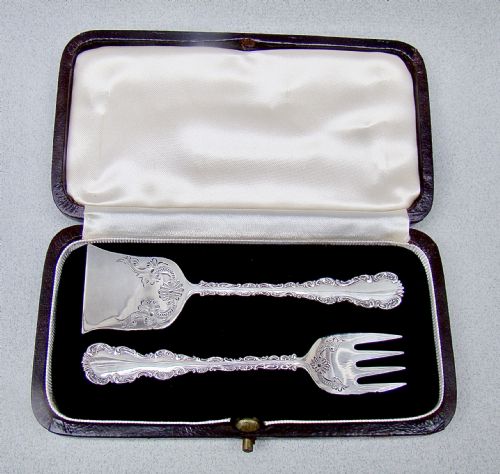
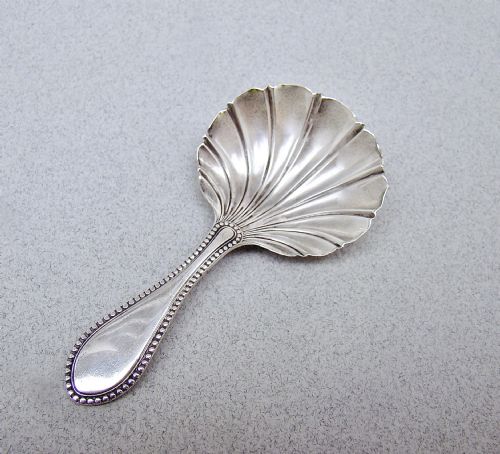
Sheffield silver flatware encompasses a range of dining implements and serving pieces originating from the city of Sheffield, spanning the Georgian, Victorian, Edwardian, and Art Deco periods. These items include cased sets, caddy spoons, pastry servers, and specific utensils designed for cheese, butter, and fish.
The pieces on this page reflect diverse historical eras, from nineteenth-century Victorian designs to early twentieth-century Edwardian and 1940s examples. Buyers encounter everything from single decorative spoons to fully fitted cased sets complete with original presentation boxes.
Forms vary from utilitarian cutlery to ornate christening sets and specialised sardine servers, demonstrating the breadth of production in Sheffield workshops over two centuries.
How they were made
Makers utilised sterling silver for the primary structural and decorative elements of the flatware, often combining it with complementary materials such as mother of pearl for handles and steel for knife blades.
Presentation and storage cases incorporated luxury textiles including velvet, silk, satin, and leather, lined to protect the silver and cutlery housed within.
Craftsmen applied detailed techniques to shape specialised items like pastry trowels, stilton spoons, and caddy spoons, frequently housing them in fitted mahogany or fabric-covered boxes.
Sheffield Silver Flatware Retail Price Guide 2026
Typical asking prices for sheffield silver flatware among the pieces listed under this phrase on Sellingantiques today, from the lower quarter to the upper quarter. They describe what is for sale here now, not the wider market.
Listings feature sterling silver, mother of pearl, and steel across Victorian, Edwardian, and Georgian periods.
What varies in quality
Quality differences emerge in the complexity of the silversmith's design, the weight of the sterling silver used, and the intricacy of any applied engraving or ornamentation.
The condition and completeness of original fitted cases, whether lined in velvet, silk, or satin, contribute significantly to the overall character of a set.
The integration of secondary materials, such as finely carved mother of pearl handles or complementary steel blades, distinguishes standard production from exceptional pieces.
Martin Hall & Co·Henry Wilkinson·Cooper Brothers and Sons·John Round
The Sheffield Silver Flatware Glossary
- Sterling silver
- A standard alloy of silver containing 92.5 percent pure silver and 7.5 percent other metals, usually copper, ensuring durability for cutlery.
- Caddy spoon
- A short-handled spoon specifically designed for measuring tea leaves from a caddy, often featuring decorative bowls produced by Sheffield silversmiths.
- Stilton spoon
- A specialised utensil with a large, deep bowl intended for scooping crumbly cheeses like Stilton.
- Mother of pearl
- An iridescent inner layer of certain mollusc shells, frequently carved to form knife and fork handles.
Sheffield Silver Flatware: Frequently Asked Questions
What is included in sheffield silver flatware sets?
These sets typically contain specialised dining implements such as coffee spoons, butter knives, and fruit forks.
Many examples arrive complete with their original fitted presentation cases lined in velvet or silk.
How do I identify a georgian piece?
Georgian items originate from the period between 1714 and 1830, often displaying simpler lines and hallmarks specific to that era.
Evidence on this page shows early nineteenth-century knife and fork sets from this timeframe.
Were these items used daily?
Many pieces served specific dining functions for formal meals, including serving fish, butter, cheese, and pastries.
Specialised utensils like caddy spoons and christening sets fulfilled more specific domestic roles.
What materials accompany the silver?
Makers frequently paired sterling silver with mother of pearl for handles and steel for functional knife blades.
Storage boxes often utilised mahogany, leather, satin, and velvet.