
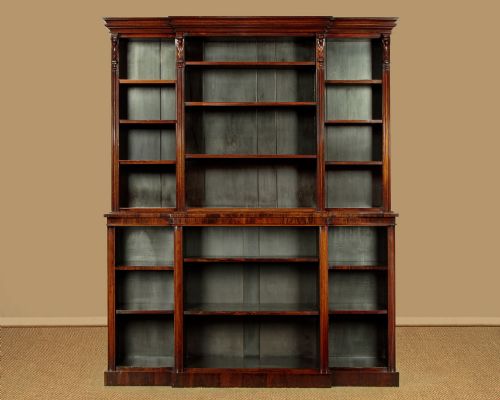
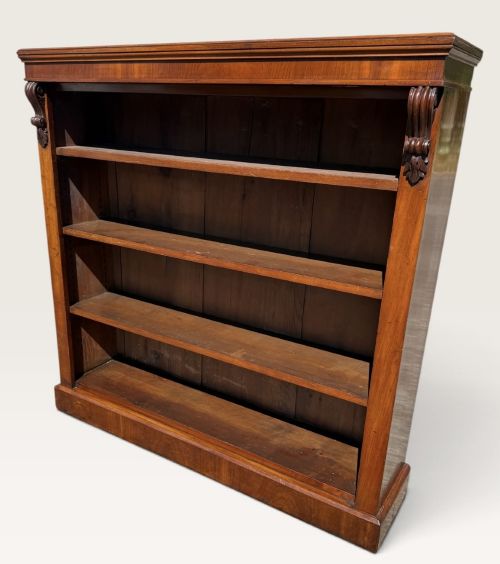
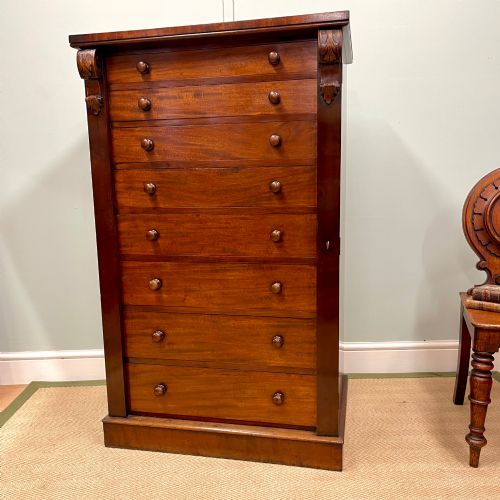


Victorian Carved Wood Corbel
These Victorian carved wood corbel examples are architectural supports and decorative wall brackets offering robust timber craftsmanship for period interiors.
Victorian Carved Wood Corbel
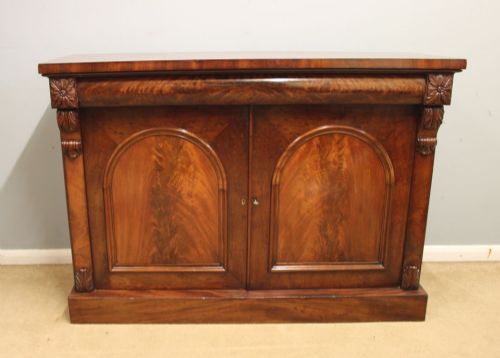
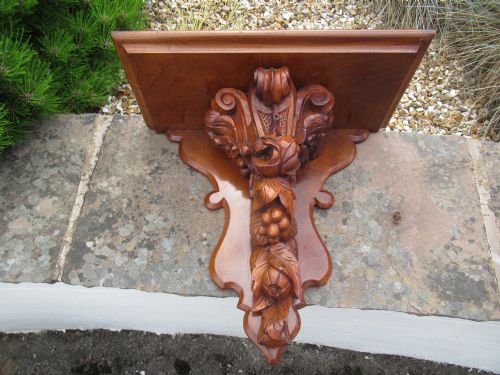
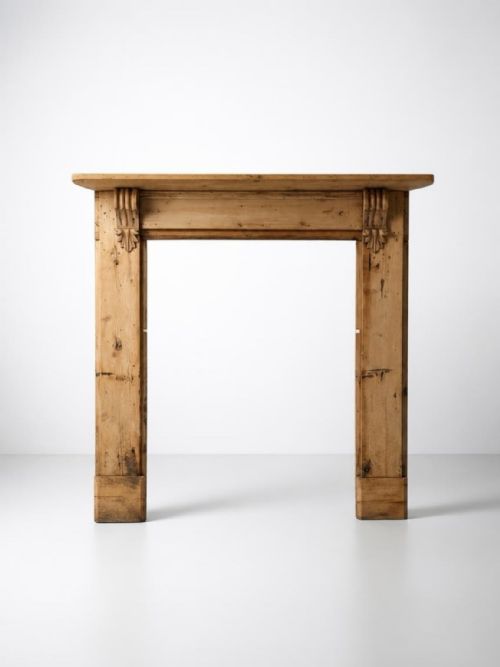
A Victorian carved wood corbel functions as a projecting structural bracket or a decorative wall shelf, serving both load-bearing and ornamental purposes in nineteenth-century interiors. These items appear primarily in forms such as wall brackets, wall shelves, and architectural carvings salvaged from period buildings.
The materials represented in these listings span various dense timbers from the nineteenth century, including walnut, mahogany, rosewood, and pine. Pieces often emerge in distinct regional and stylistic variations, such as Anglo-Indian and Black Forest designs.
Buyers seeking a Victorian carved wood corbel will encounter items ranging from single decorative brackets to matched pairs intended for symmetry. They frequently double as display supports for clocks, books, or ornaments within a room.
Materials and construction
Makers shaped these architectural elements from hardwoods like walnut, mahogany, and rosewood, alongside softer pines and limewood. The choice of timber dictated the depth of carving achievable and the final grain finish.
Craftsmen utilised hand chisels and gouges to carve intricate details directly into the solid wood blocks, creating high-relief foliage, animal heads, and geometric motifs. Joinery was kept minimal, with brackets often fashioned from a single piece of timber or securely pegged blocks.
Evaluating the standard
Quality rests entirely in the crispness and depth of the hand carving, where sharper undercut foliage and anatomically detailed animal forms separate superior workshop output from routine production. The choice of timber also dictates the standard, with dense woods like rosewood and walnut holding finer edge details than softer pines.
Proportion and structural integrity define the higher tiers of surviving items. Pieces retaining their original mounting blocks, natural wax finishes, and symmetrical balance command greater appreciation among collectors.
The Victorian Carved Wood Corbel Glossary
- Corbel
- A structural piece of stone, wood, or metal jutting from a wall to carry a superincumbent weight. In decorative terms, it functions as a bracket supporting a shelf or mantel.
- Black Forest carving
- A style of ornate wooden sculpture originating from the Swiss and German border regions during the nineteenth century. These items frequently depict local fauna such as bears, stags, and lions with deep realism.
- Giltwood
- Timber that has been coated with gold leaf or gold paint. This finish provides a reflective surface on decorative brackets and architectural details.
- Anglo-Indian
- Furniture and woodwork produced in the Indian subcontinent during the British colonial period, combining traditional local motifs with European forms. These pieces often exhibit dense, intricate botanical carving.
- Pitch pine
- A resinous pine variety native to North America, utilised extensively in nineteenth-century joinery and architectural woodwork for its durability and strong grain.
Victorian Carved Wood Corbel: Frequently Asked Questions
What is a wooden corbel used for?
A wooden corbel acts as a projecting bracket to support architectural loads like mantelpieces, shelves, or ceiling beams. In domestic settings, smaller versions function as decorative wall brackets for displaying clocks or ornaments.
They provide both structural reinforcement and ornamental detail, adding architectural depth to plain interior walls.
How do I date a Victorian carved corbel?
Dating relies on identifying the timber species, tool marks left by the carver, and stylistic cues such as Gothic Revival or Black Forest motifs. Nineteenth-century pieces typically exhibit hand-cut joinery and dense, patinated hardwoods.
Examining the back for original mounting hardware and the wear patterns on the wood grain helps confirm the period of manufacture.
Are these brackets strong enough to hold heavy items?
Solid hardwood corbels carved from walnut or mahogany possess substantial structural integrity and can support significant weight if properly secured to wall studs. The strength depends on the soundness of the timber and the method of wall attachment.
Heavier architectural salvages require professional wall anchoring to ensure safe load-bearing capacity in modern homes.
What is the difference between Black Forest and standard Victorian carvings?
Black Forest carvings originate from the Swiss-German region and distinctly feature naturalistic animal subjects, such as bears, birds, and fierce animal heads rendered in high relief. Standard Victorian pieces more commonly display classical foliage, scrolls, or geometric architectural motifs.
The regional Black Forest style focuses heavily on wildlife sculpture, whereas domestic Victorian work aligns with prevailing Gothic or Rococo revival aesthetics.