




French Carved Corbels
French carved corbels are substantial architectural supports offering classical detail and decorative presence for interior walls.
French Carved Corbels
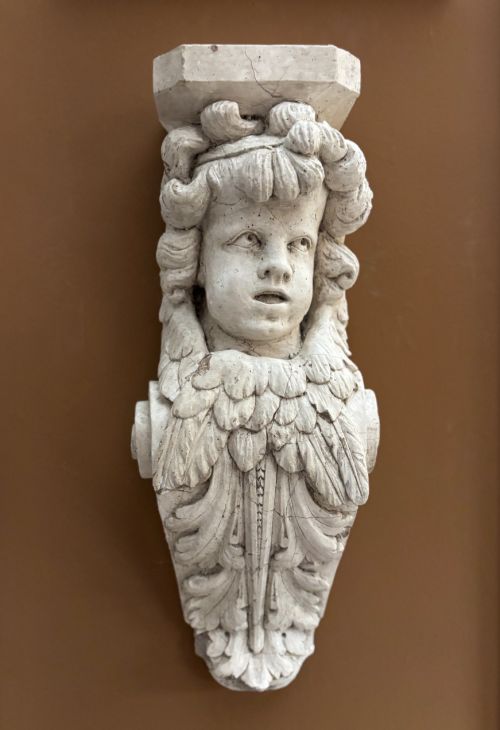
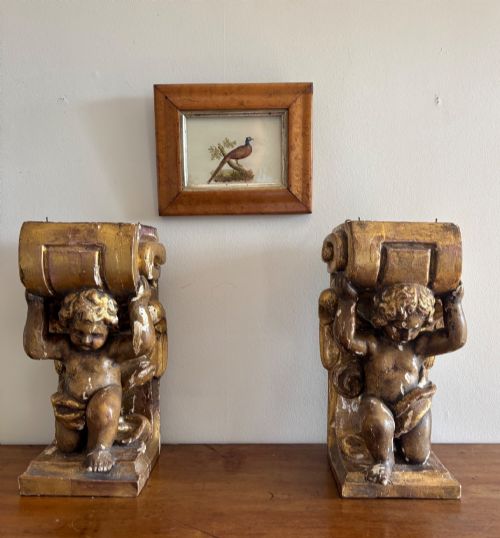
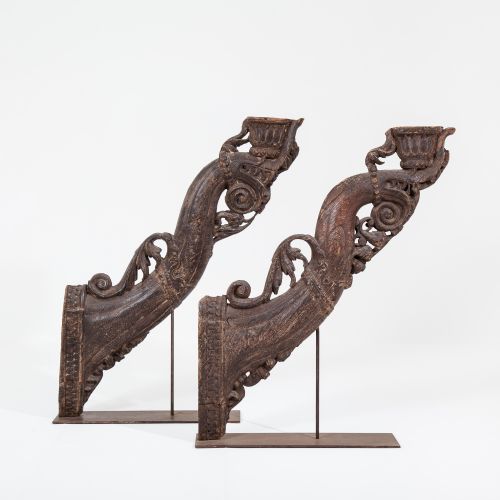
French carved corbels represent architectural salvage and decorative wall brackets sourced from eighteenth and nineteenth century interiors. These pieces take the form of wall brackets, putto corbels, and large structural supports intended to project from a wall and bear weight or frame a space.
Buyers encountering this selection will most frequently find nineteenth century wooden carved brackets alongside eighteenth century examples in wood, plaster, and stone. Styles span Rococo and Baroque Revival, reflecting the ornate architectural tastes of French chateaux and classical European buildings.
The objects function today as decorative wall brackets or display shelves, maintaining their original architectural character while adapting to modern domestic settings.
How they were made
Materials recorded in the evidence demonstrate traditional craftsmanship using carved timber, oak, and stone. Artisans shaped these heavy substrates by hand to create elaborate architectural profiles.
Surfaces received decorative finishes including gesso, paint, gold leaf, and composition mouldings to enhance the sculptural relief of Rococo and Baroque Revival designs.
French Carved Corbels Retail Price Guide 2026
Typical asking prices for french carved corbels among the pieces listed under this phrase on Sellingantiques today, from the lower quarter to the upper quarter. They describe what is for sale here now, not the wider market.
Several examples feature cheerful putti peering out from the woodwork, quietly judging your interior design choices.
What varies in quality
Quality rests upon the crispness of the hand carving and the depth of the sculptural relief visible in figures and foliage. Pieces displaying confident chisel work and well-defined contours stand apart from softer, more generalized mouldings.
The integrity of the original surface finish, whether aged paint, gilding, or gesso, dictates the visual authority of the piece. Surviving gilding and layered polychrome finishes retain historical depth that uniform modern touch-ups lack.
The French Carved Corbels Glossary
- Corbel
- A structural member projecting from a wall to support a weight, typically carved from wood, stone, or plaster. In domestic interiors, they frequently transition to decorative wall brackets.
- Putto
- A figure of a small infant, commonly depicted as a chubby male child in classical art. These figures appear frequently as sculptural supports on nineteenth century wall brackets.
- Gesso
- A plaster-like mixture applied to wood or canvas as a base for paint or gold leaf. It allows for crisp decorative details before gilding.
- Rococo
- An ornate style of architecture and decoration characterised by asymmetry, scrollwork, and plant motifs. It dominates eighteenth century French decorative arts.
French Carved Corbels: Frequently Asked Questions
How were french carved corbels originally used?
These pieces functioned as structural or decorative supports within domestic and civic architecture, often holding up beams, cornices, or heavy mantelpieces.
Over time, many of these architectural elements were salvaged to serve as wall brackets for displaying objects or as standalone decorative wall ornaments.
How do I hang a heavy wall bracket safely?
Due to the substantial weight of carved timber, stone, and plaster corbels, secure wall fixings into masonry or timber studs are essential.
Professional installation ensures the bracket can support both its own considerable weight and any items placed upon it.
How can I tell an eighteenth century corbel from a nineteenth century one?
Eighteenth century examples often display the deep, hand-chiseled tool marks and heavier proportions typical of structural salvage from period buildings.
Nineteenth century pieces, particularly those in the Baroque Revival or Rococo Revival styles, often incorporate refined gesso work and composition mouldings alongside carved wood.
Can these brackets support heavy objects today?
While many were designed to bear structural loads in their original architectural context, their current load capacity depends entirely on wall fixation and material integrity.
Solid carved oak and stone examples offer robust support, whereas plaster or gesso-coated pieces are best treated as decorative display shelves.