



Victorian Carved Rosewood Cupboard
A victorian carved rosewood cupboard offers rich grain and deep colour, making it a striking storage piece for the home.
Victorian Carved Rosewood Cupboard
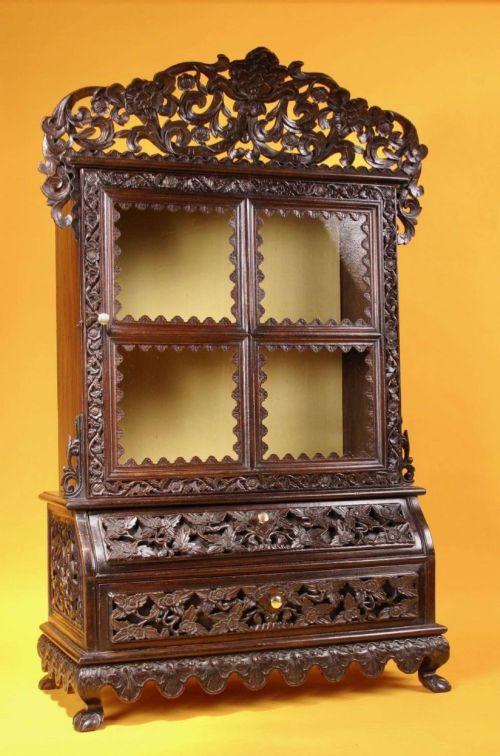
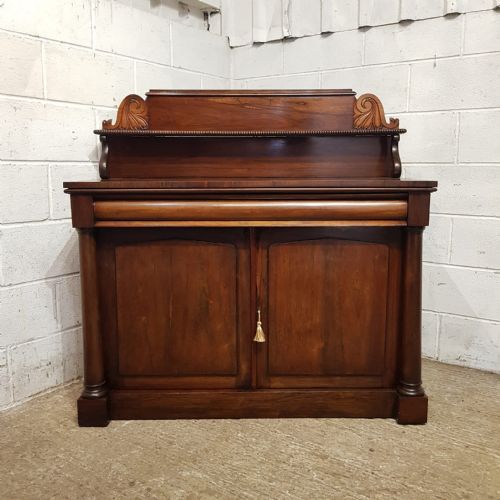
A victorian carved rosewood cupboard encompasses a variety of storage furniture from the nineteenth century, including chiffoniers, side cabinets, and bedside cupboards. These pieces reflect the cabinet-making traditions of the period, utilising dense and richly figured timber.
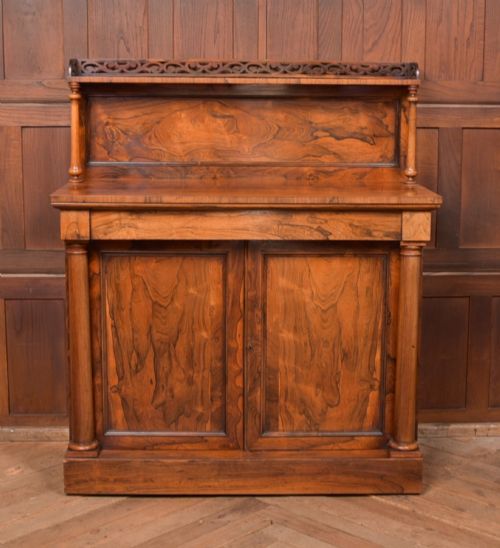
The versions most frequently encountered on this page are Victorian chiffoniers and side cabinets, often featuring carved details and functional shelving. They bridge the gap between decorative display and practical storage within domestic interiors.
Makers and workshops of the era produced these cupboards in styles ranging from early Victorian and William IV to Renaissance Revival and Anglo-Indian designs. This diversity ensures that each piece displays distinct regional characteristics and decorative carving.
Materials and construction
Makers utilised solid and veneered rosewood over secondary hardwoods, often mounting the timber to sturdy carcases. Brass hardware, glass panels, and marble tops occasionally supplement the primary wood construction.
Carving was executed by hand directly into the dense rosewood, creating floral, foliate, or classical motifs. Joinery techniques of the nineteenth century ensured structural stability alongside intricate decorative surfaces.
Some nineteenth-century cabinets hide secret compartments behind decorative mouldings, giving Victorian owners a private spot for love letters.
Distinctions in quality
The refinement of the hand carving distinguishes the superior examples from standard production pieces, with crisper details and deeper relief work indicating skilled craftsmanship. The selection of the rosewood veneer, particularly where grain patterns match symmetrically across doors and panels, also elevates a piece.
Hardware integrity and the inclusion of original elements such as glass, brass mounts, and internal shelving contribute significantly to the overall standing of a cabinet.
Sigmund Jaray Wien
The Victorian Carved Rosewood Cupboard Glossary
- Rosewood
- A dense, heavily figured tropical hardwood prized for its dark purple-brown colour and contrasting black grain lines. It takes a high polish and was a favourite material for high-end nineteenth-century cabinet making.
- Chiffonier
- A low sideboard or cabinet, typically featuring a raised shelf or mirrored back above enclosed cupboards or drawers. This form became a staple of Victorian sitting rooms and dining spaces.
- Credenza
- A sideboard or cabinet originally of Italian origin, adapted in nineteenth-century England for formal display and storage. It frequently incorporates glazed doors and intricate decorative mounts.
- Renaissance Revival
- A nineteenth-century design style drawing inspiration from sixteenth-century European architecture and furniture. Pieces in this style often feature bold architectural mouldings, heavy carving, and classical figures.
Victorian Carved Rosewood Cupboard: Frequently Asked Questions
What is a Victorian chiffonier?
A Victorian chiffonier is a low cabinet designed for storage, typically featuring lower doors and an upper shelf or superstructure. They were common in nineteenth-century reception rooms for holding books, silver, or linens.
Over time, these pieces adapted to changing domestic needs, often serving as decorative focal points in sitting rooms while providing concealed storage space.
How do I style a rosewood cupboard?
Rosewood cabinets pair well with both traditional and contemporary interiors due to their deep colour and rich grain. Placing them in a hallway or living room allows the timber to stand out against neutral walls.
Keep surface items minimal to highlight the natural figuring of the wood and any carved decorative details present on the doors or frame.
What distinguishes William IV furniture?
William IV pieces date from the 1830s and often bridge late Regency styles and early Victorian heavy forms. They frequently utilise dense rosewood and feature robust architectural elements like scroll brackets and bold feet.
Carving on these items tends to be weighty and classical, reflecting a preference for solid proportions before the lighter Victorian revival styles took hold.
Are these cabinets suitable for modern homes?
These nineteenth-century cupboards offer practical enclosed storage that functions effectively in modern bedrooms, hallways, or living spaces. Their compact side cabinet formats fit well against walls without dominating a room.
Internal shelving allows for the organisation of modern items while maintaining the distinct aesthetic of a historical timber piece.