


Victorian Carved Ring
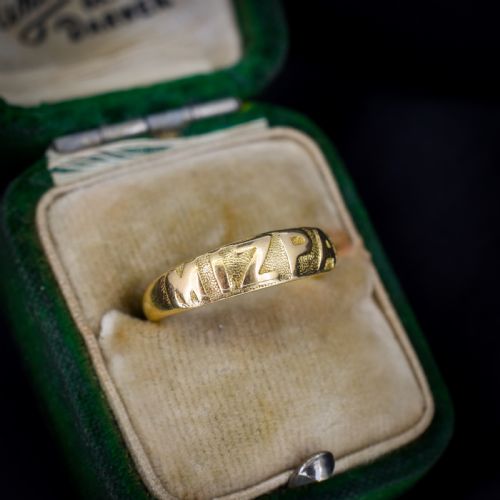
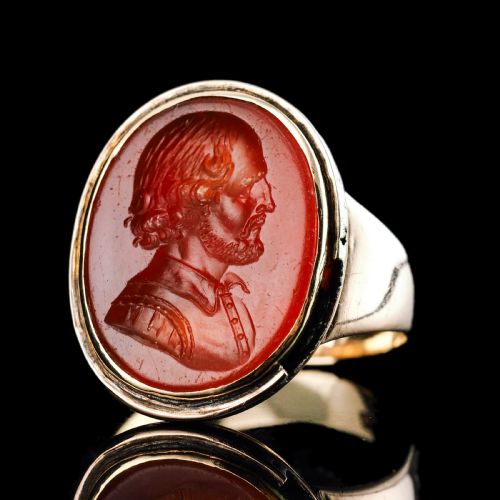
When you search for a victorian carved ring, you discover pieces defined by textured detailing, precious metals and period gemstone settings.
Victorian Carved Ring
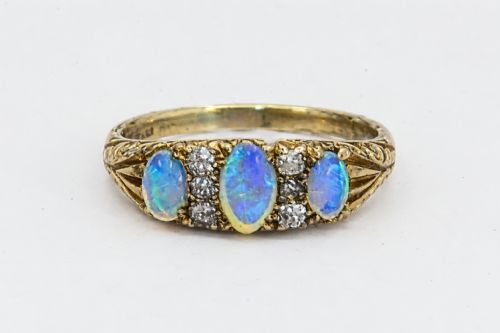
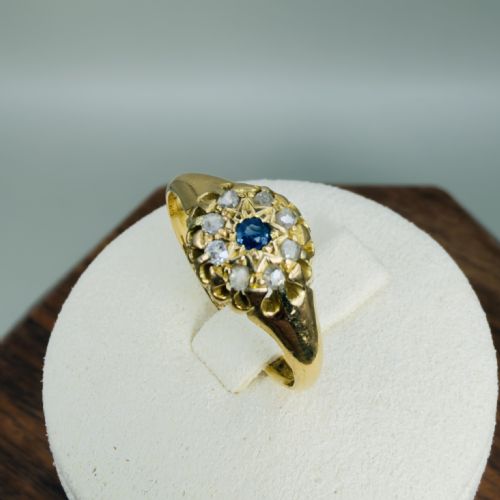
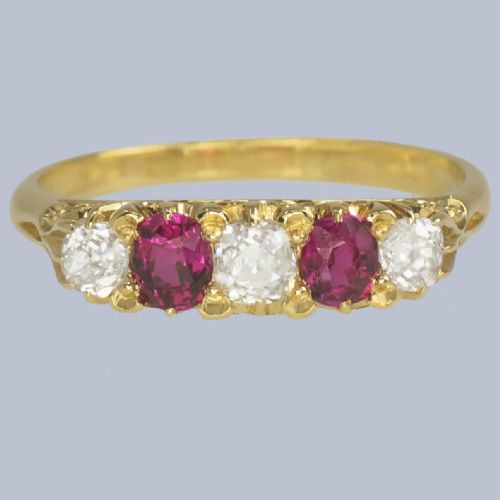
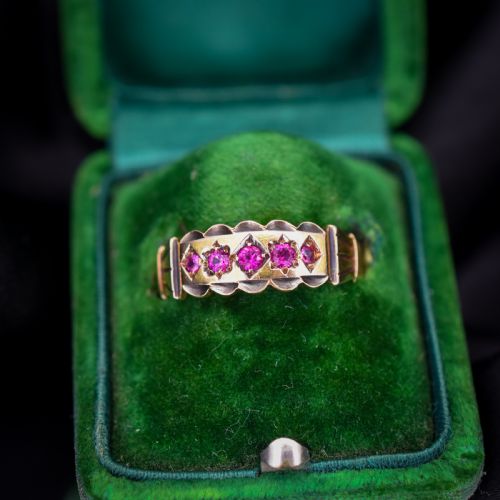
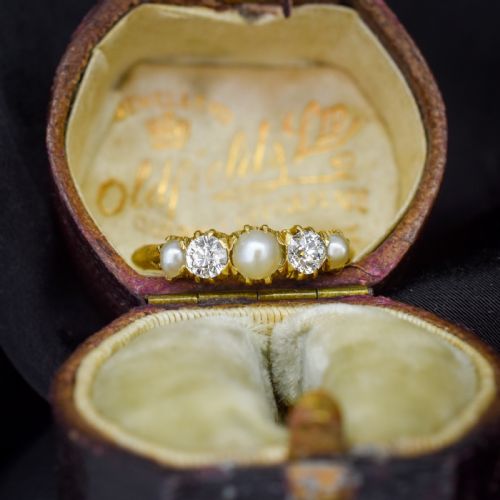
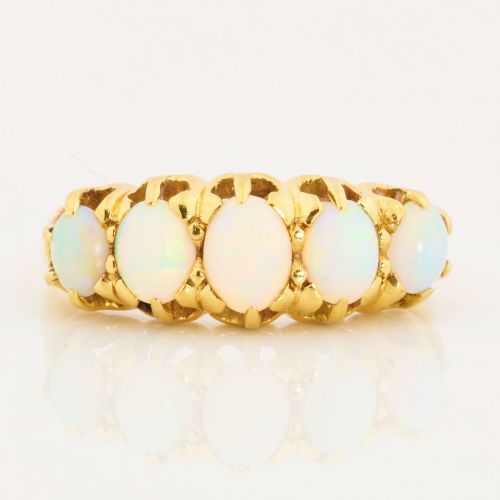
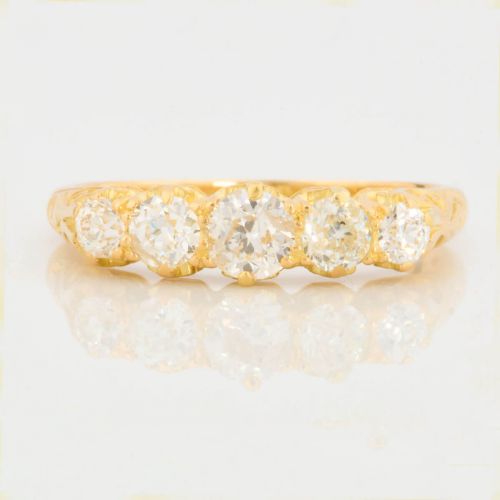
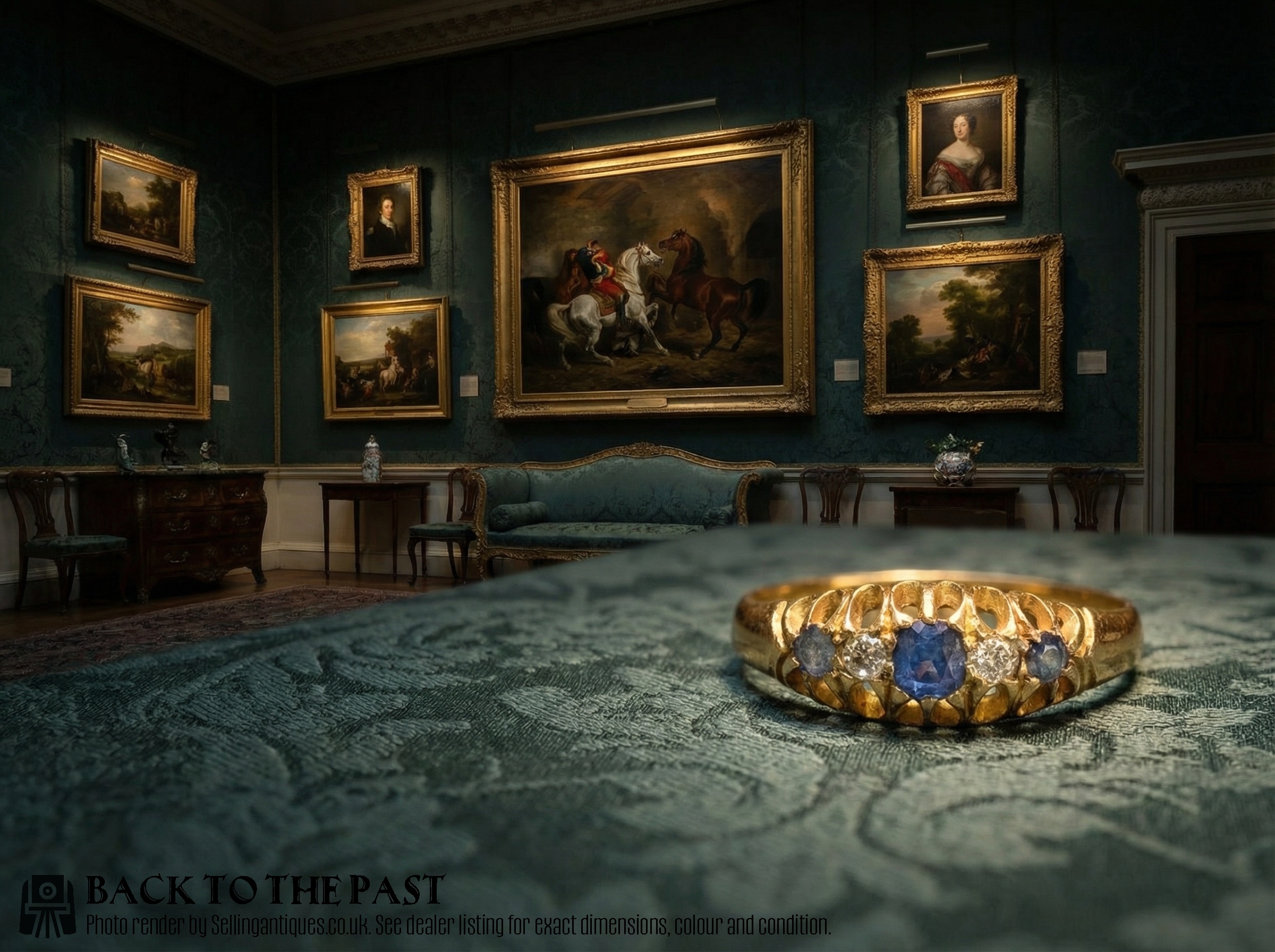
A victorian carved ring typically combines high carat yellow gold or lower carat variations with stones such as diamond, ruby, sapphire, opal, turquoise and garnet. The form frequently appears as a boat ring, cluster, half hoop or patterned band.
Makers utilised distinct regional hallmarking centres including Birmingham and Chester, dating pieces through the late nineteenth century and into the early twentieth century. These items range from gypsy set diamond bands to intricate floral and scroll motifs.
While the phrase directs attention to finger ornaments, the broader selection spans diverse materials and construction methods from the nineteenth century. Buyers encounter both gemstone heavy bands and detailed metalwork originating from the Victorian and Edwardian eras.
Materials and construction
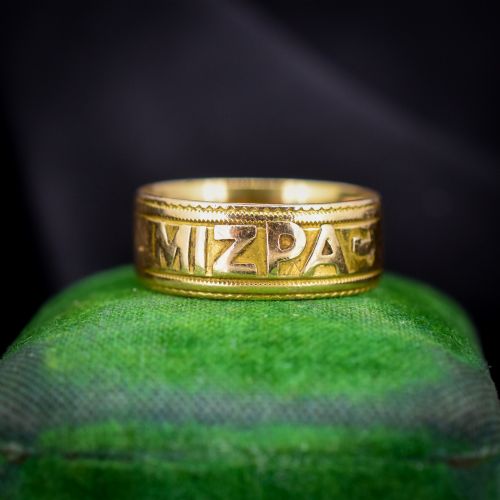
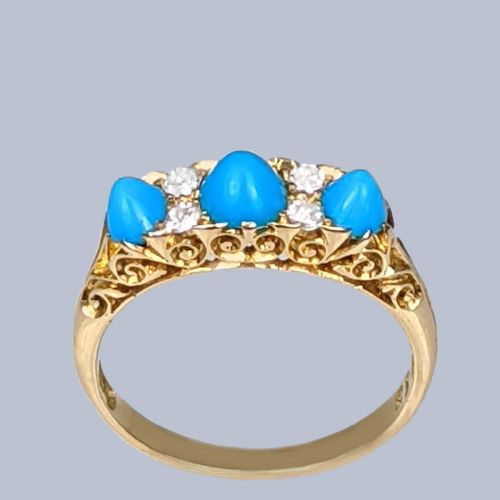
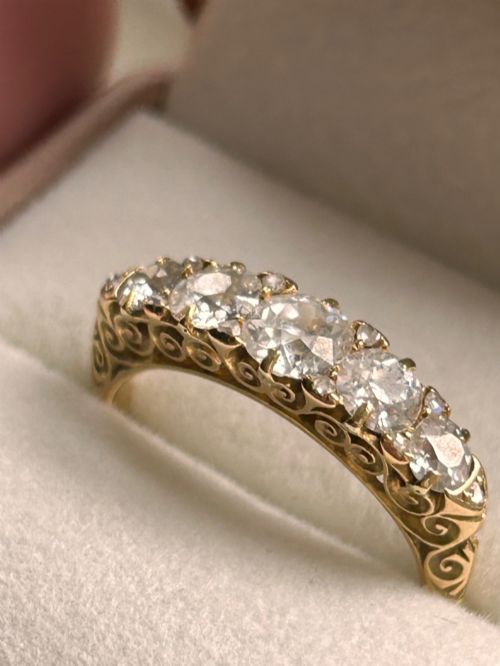
Goldsmiths shaped these items primarily in 18ct yellow gold, 18ct gold and 9ct gold, providing a durable foundation for stone settings. Metal bands feature patterned engravings, scrollwork and textured shoulders that frame the central gems.
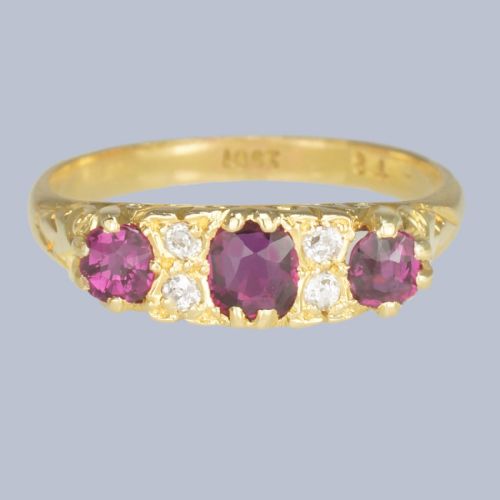
Lapidaries cut diamonds using old mine cuts and old cut facets, pairing them with natural opals, rubies, sapphires and garnets. Stones are secured in starburst settings, boat shapes and traditional claw mounts.
Victorian Carved Ring Retail Price Guide 2026
Typical asking prices for victorian carved ring among the pieces listed under this phrase on Sellingantiques today, from the lower quarter to the upper quarter. They describe what is for sale here now, not the wider market.
Listings demonstrate prominent use of 18ct gold paired with diamonds, opals and rubies across Victorian and Edwardian periods.
Judging quality in period rings
Quality rests in the precision of the metal engraving and the symmetry of the stone arrangement. Superior examples maintain crisp carved details along the band and shoulders without excessive wear to the gold.
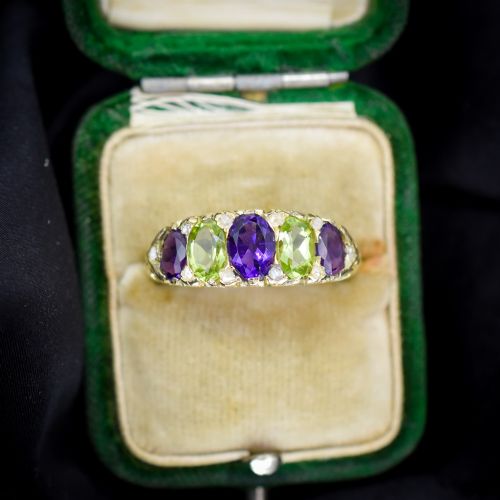
The clarity and matching of set gems, particularly in multi stone configurations like five stone or trilogy designs, dictate the standard of the piece. Crisp hallmarks from regional assay offices add verifiable provenance to the construction.
The Victorian Carved Ring Glossary
- Boat ring
- A ring setting shaped with a curved, tapered silhouette resembling a boat hull, often holding a row of graduated gemstones.
- Old mine cut
- A diamond cut from the nineteenth century featuring a cushion shape, high crown and large culet facet.
- Gypsy set
- A mounting style where gemstones are flush set directly into the thick gold band of the ring.
- Trilogy ring
- A ring featuring a sequence of three principal gemstones mounted in a row across the finger.
- Half hoop ring
- A ring design displaying a uniform row of stones arranged in a semicircular arch across the top of the band.
Victorian Carved Ring: Frequently Asked Questions
What metals are used in these rings?
Constructed pieces predominantly utilise 18ct yellow gold, standard 18ct gold and 9ct gold. These metals provide the structural support necessary for holding period gemstones securely.
Assay office stamps from locations like Birmingham and Chester frequently appear inside the band, confirming the metal purity and period origin.
How do I identify the period?
Dating relies on observable design characteristics such as boat settings, starburst motifs and specific gemstone combinations typical of the nineteenth century. Hallmarks stamped into the interior of the gold band offer definitive chronological markers.
Stylistic indicators like old mine cut diamonds and hand engraved shanks further align pieces with Victorian and Edwardian manufacturing standards.
How should I care for a vintage ring?
Precious metals and nineteenth century gemstones require gentle handling to preserve the original hand carved details and claw settings. Regular inspection by a specialist helps maintain the security of old cut diamonds and softer stones like opals.
Harsh chemical cleaners can damage delicate gold engravings and natural gems, so gentle cleaning methods suit these historic items best.
What stone combinations are common?
Common configurations pair diamonds with rubies, sapphires, turquoises or opals in multi stone layouts such as five stone or trilogy bands. These pairings reflect popular aesthetic choices of the late Victorian era.
Single gemstone focal points surrounded by smaller diamond starburst clusters also appear frequently across the available selections.