



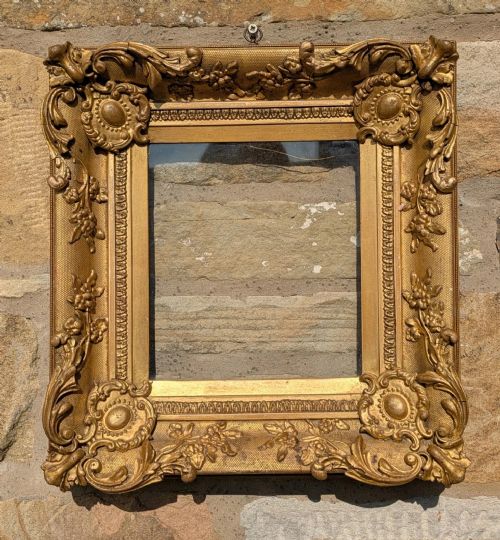
Victorian Carved Picture Frame
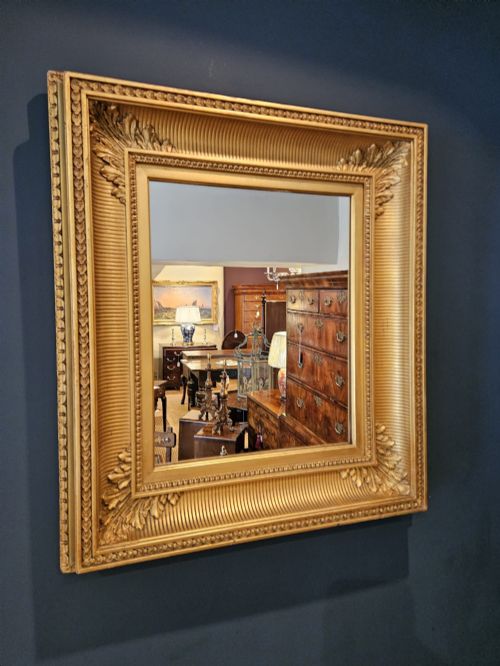
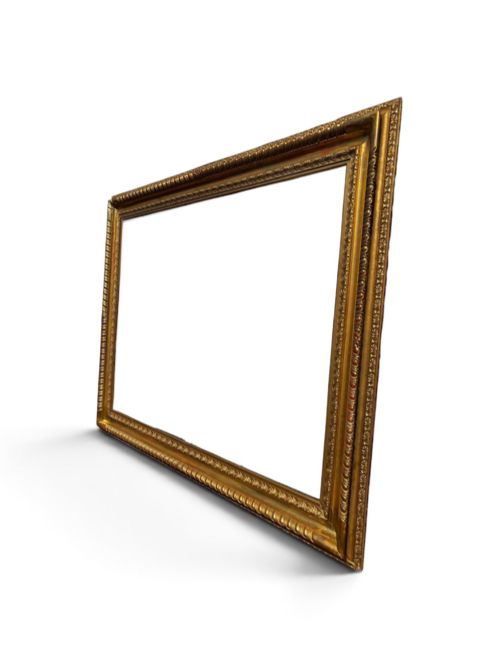
A victorian carved picture frame brings distinct nineteenth-century craftsmanship to walls, holding everything from oil paintings to mirrors.
Victorian Carved Picture Frame
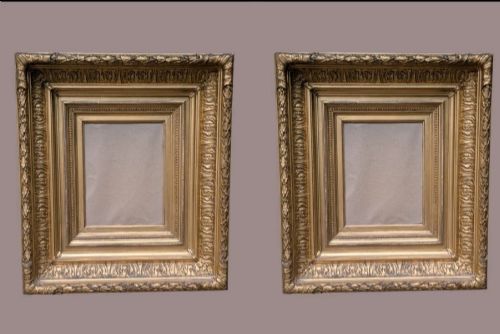
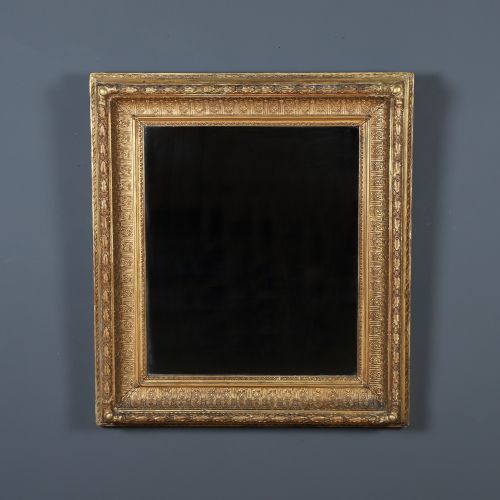
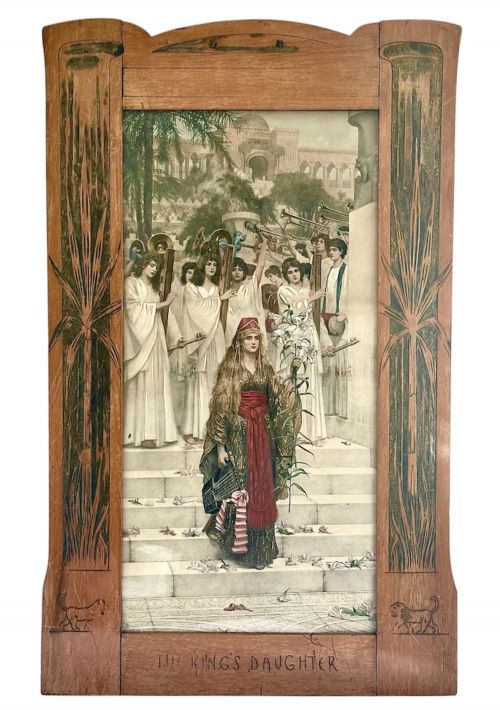
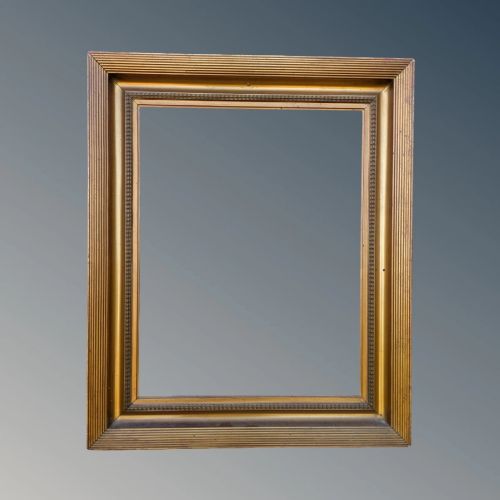
A victorian carved picture frame encompasses wooden and gilt structures designed to enclose wall art, mirrors, and needlework. Buyers searching this phrase meet pieces originating largely from the nineteenth century, including specific decades such as eighteen-fifty, eighteen-eighty, and eighteen-ninety.
The objects take various forms beyond standard framing, appearing as overmantle mirrors, deep shadow boxes, and expansive wall mirrors. Many items arrive housing oil paintings, watercolours, or tapestries from the period.
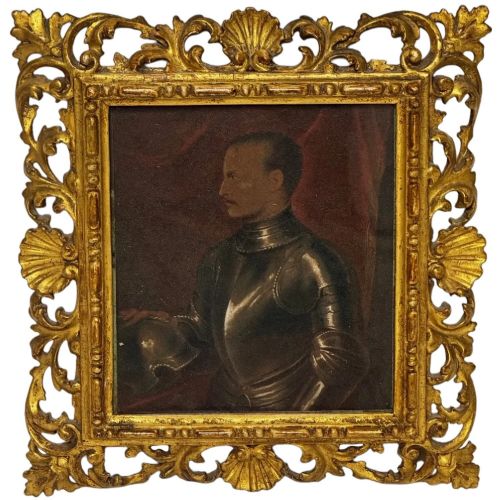
Stylistic influences range from rococo revival and baroque revival to art nouveau and classical neoclassical designs. Most examples display carved wooden foundations finished with applied gesso or gilding.
How They Were Made
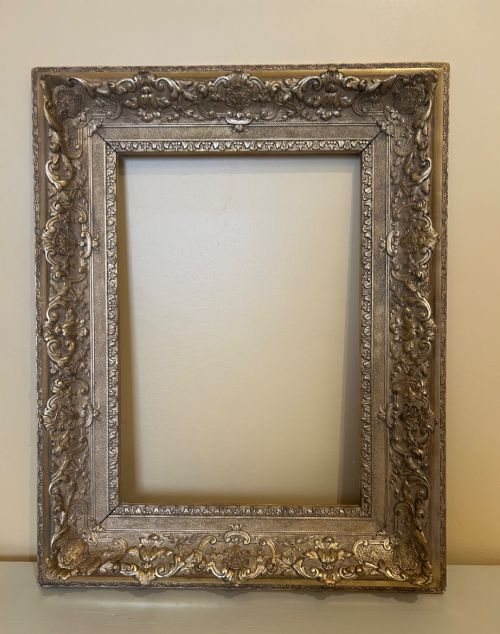
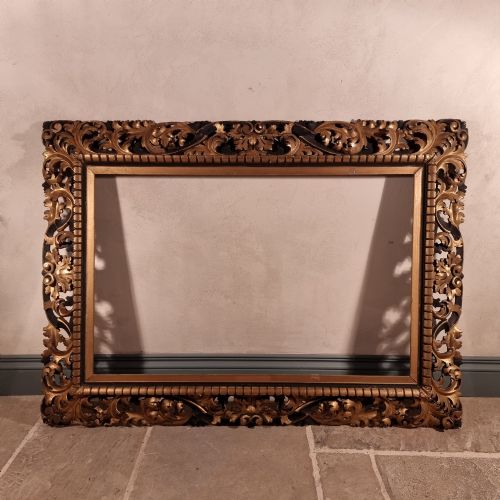
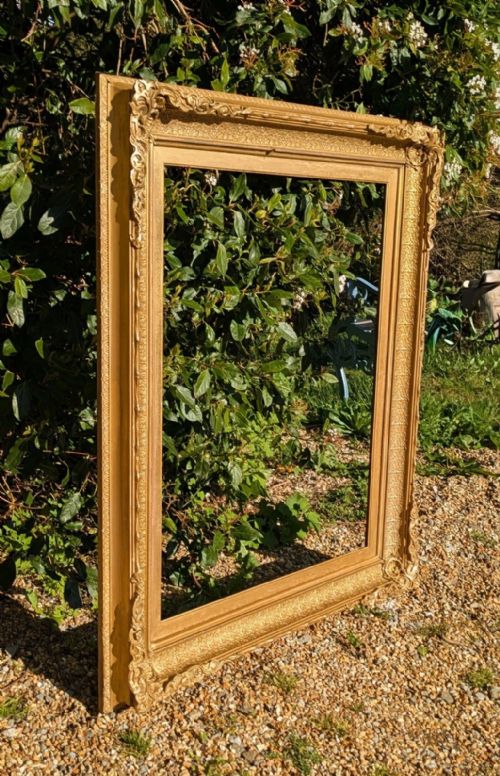
Craftsmen shaped these objects using timber, oak, pine, and mahogany as foundational materials for carving. Carved details frequently received layers of gesso to build up intricate relief patterns before gilding with gold leaf.
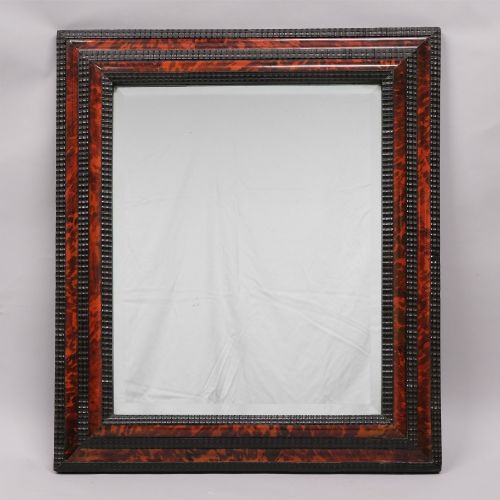
Giltwood surfaces required skilled application of metal leaf over prepared grounds, creating the luminous finishes seen on nineteenth-century examples. Artisans also utilised direct wood carving, particularly on dark timber and black forest pieces.
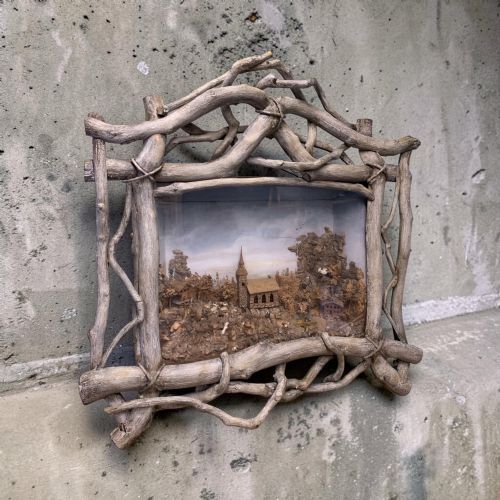
Some frames double as tiny habitats, holding intricate cork dioramas complete with miniature twigs.
What Varies In Quality
Depth of carving and complexity of ornamentation distinguish standard frames from superior examples. Deep frames with elaborate acanthus leaves, scrollwork, or figurative elements demonstrate higher levels of artisan labour.
The integrity of the underlying gesso and the preservation of the original gilding dictate the visual success of a piece. Original surfaces untouched by later repainting retain the subtle patination valued in period items.
John Douglas Perrett·Herbert Gustave Schmaltz·Claude Cardon·Gian Paolo Pace
The Victorian Carved Picture Frame Glossary
- Gesso
- A plaster-like mixture applied to wood frames as a base for carving and gilding. It allows artisans to shape sharp decorative details before applying gold leaf.
- Giltwood
- Timber that has been coated with gold leaf or gold paint. This material defines the bright, reflective appearance common to nineteenth-century frames.
- Acanthus
- A classical leaf motif used extensively in carving. It appears frequently on revival frames, curling along the corners and borders.
- Swept frame
- A frame moulding that curves outward or inward in a flowing, undulating profile. This style gained popularity during the Victorian period for displaying large canvases.
Victorian Carved Picture Frame: Frequently Asked Questions
What fits inside a victorian carved picture frame?
These frames house oil paintings, watercolours, prints, and mirrors. Many retain their original nineteenth-century artwork or needlework tapestries.
Buyers often match empty frames with canvas sizes from the same era. Careful measurement ensures the rebate depth accommodates the artwork properly.
How do I identify a victorian carved picture frame?
Look for timber construction finished with gesso and gold leaf rather than modern synthetic materials. Period pieces display hand-carved details and construction methods typical of the nineteenth century.
Styles often incorporate rococo revival curves or neoclassical motifs. The weight of the wood and the ageing of the gilt surface offer further clues to origin.
Can I clean the gilt surface safely?
Gilt surfaces require very gentle dusting with a soft, dry brush to avoid damaging delicate gesso and gold leaf. Moisture and modern cleaning chemicals strip historical finishes permanently.
Preserving the original patination involves keeping frames away from direct sunlight and damp environments. Professional restoration is best left to specialists if structural repairs are needed.