
Victorian Carved Open Armchairs
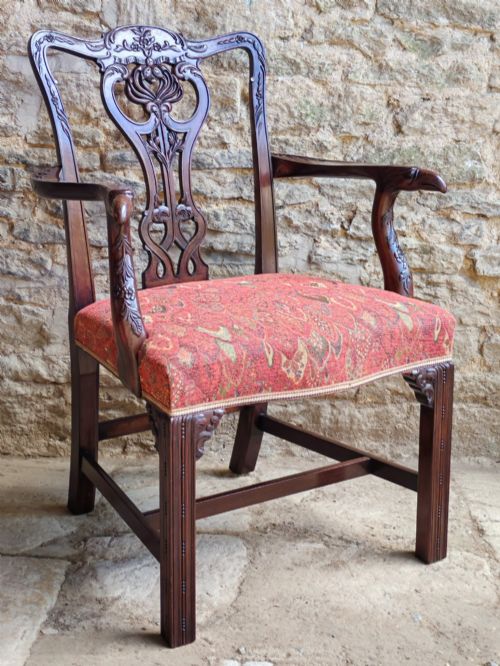
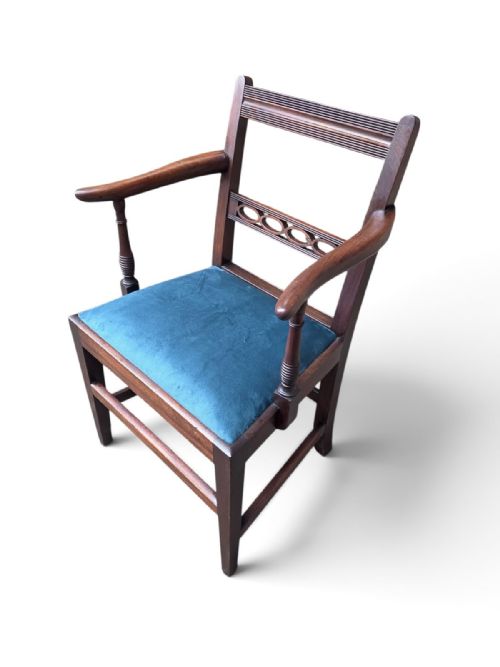
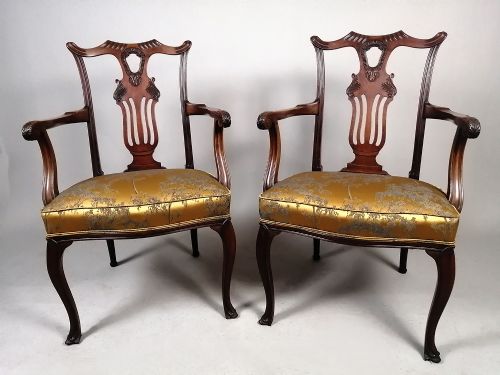
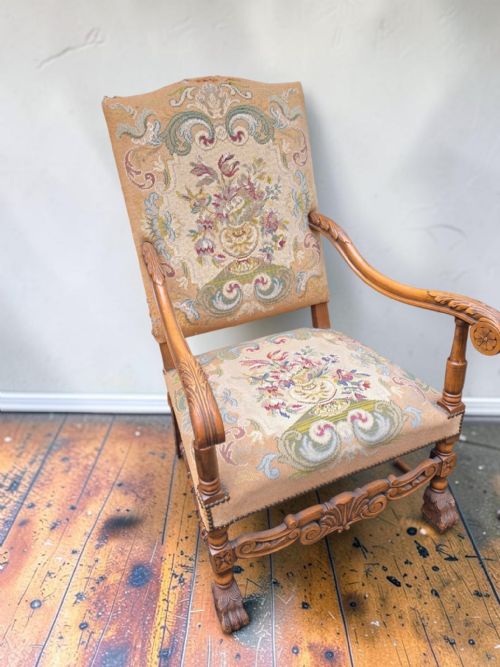
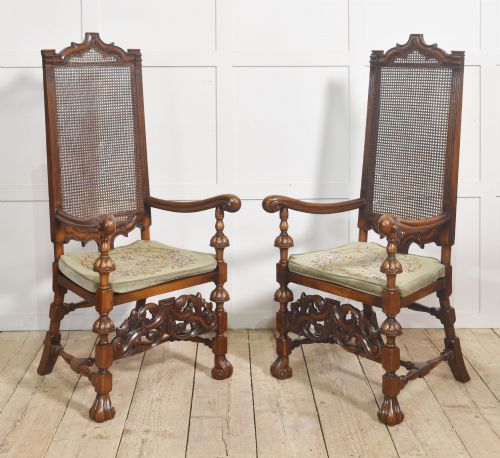
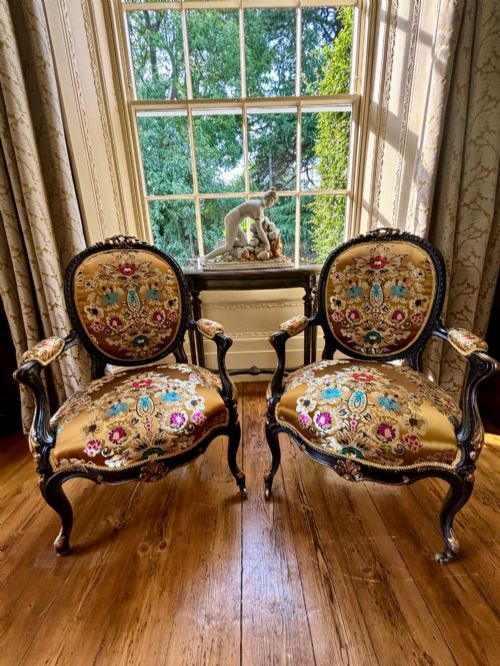
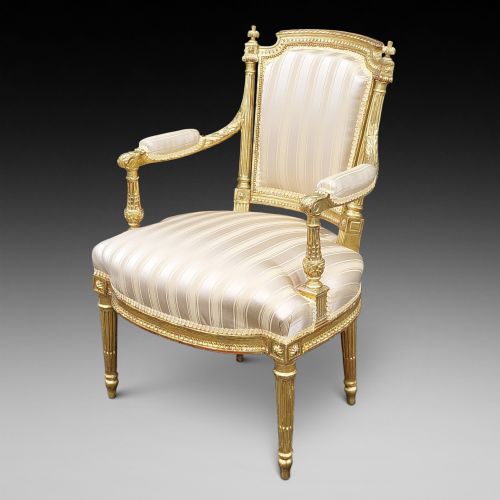
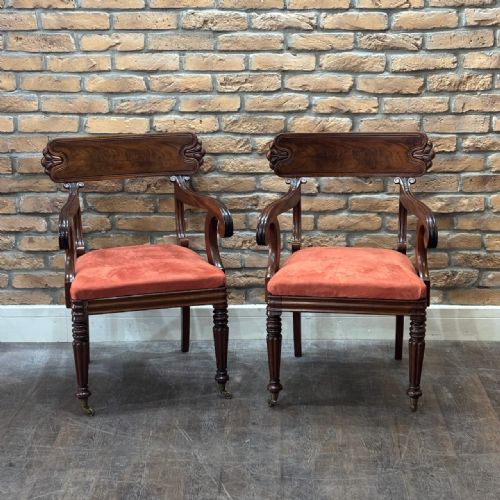
These Victorian carved open armchairs bring solid timber frames and substantial upholstery together for daily seating in a study or drawing room.
Victorian Carved Open Armchairs
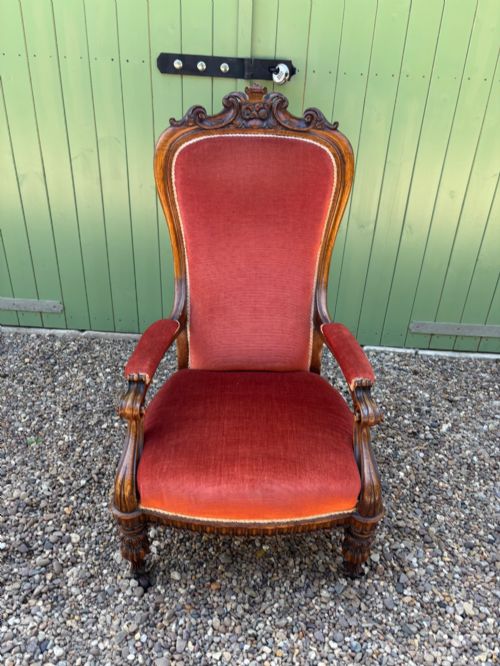
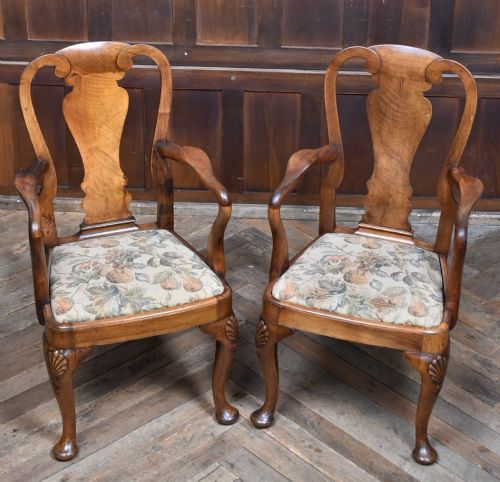
Victorian carved open armchairs span the nineteenth century, with walnut, mahogany and oak appearing frequently in the available inventory. Buyers encounter forms ranging from library armchairs and desk chairs to pairs of elbow chairs finished with revival details.
Makers and designers of the period drew upon Chippendale, Rococo, Gothic, and Renaissance revivals. These seating choices suit studies and reception rooms where timber frames and exposed arms remain visible.
Construction and Materials
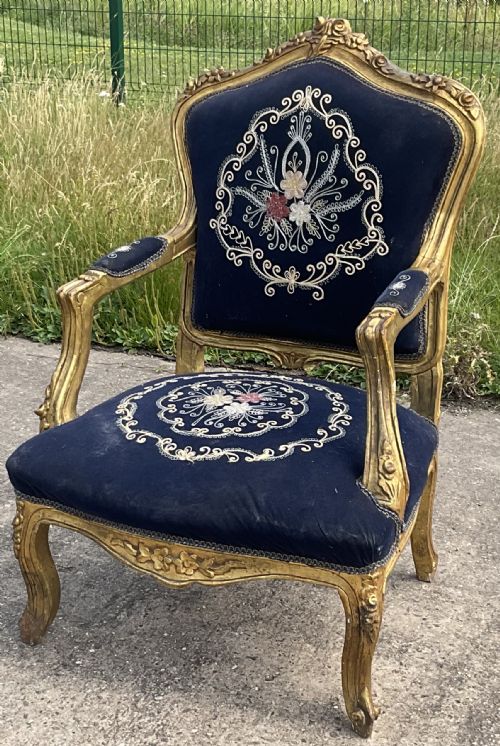
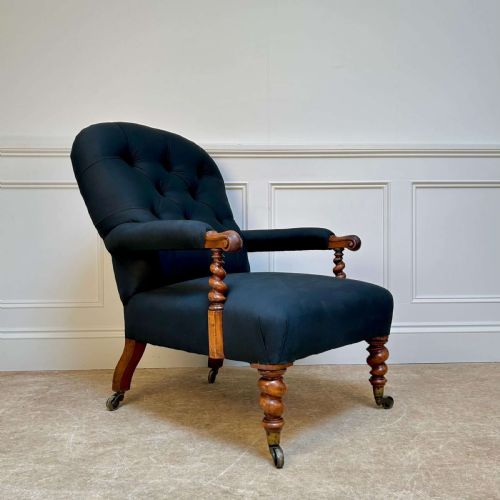
Frames rely on hardwoods such as walnut, mahogany, oak, rosewood and giltwood, carved with foliate motifs or turned details. Joinery involves traditional pegging and framing techniques to support regular weight.
Upholstery materials include leather, velvet, silk fabric, tapestry and needlework covers. Brass studs often secure the edges of leather panels to timber arm and back rails.
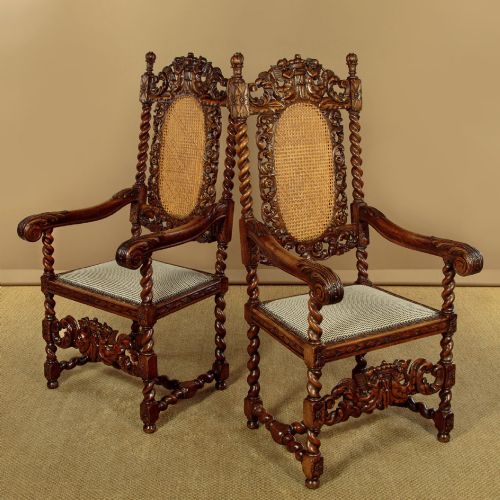
Revival influences across these armchairs include Chippendale, Gothic, Rococo, Renaissance and Carolean styles.
Judging Quality
The standard of timber carving sets superior examples apart, showing crisp undercut foliage and balanced proportions rather than shallow tooling. Crisp execution in walnut and mahogany indicates skilled workshop production.
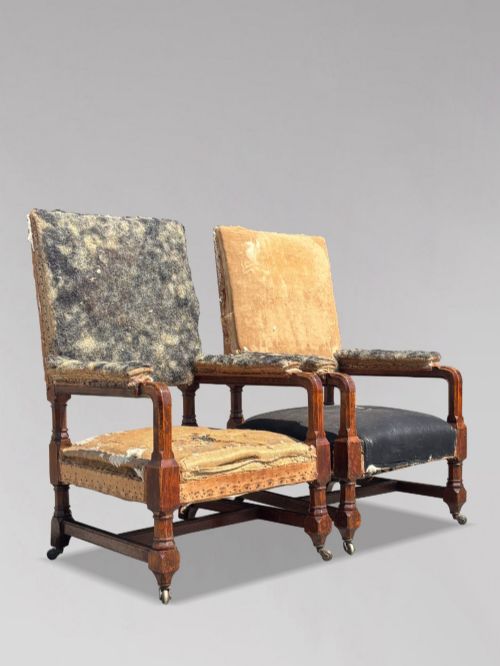
Original upholstery survivals or sympathetic reupholstery using period-correct textiles preserve the historical integrity of the frame. Robust joinery without excessive movement distinguishes workshop output from mass production.
Howard and Sons·Hindley and Sons·Gillows·Bruce James Talbert
The Victorian Carved Open Armchairs Glossary
- Carver
- An armchair, often designed to match a set of dining chairs, featuring open arms. These pieces provide additional elbow support.
- Fauteuil
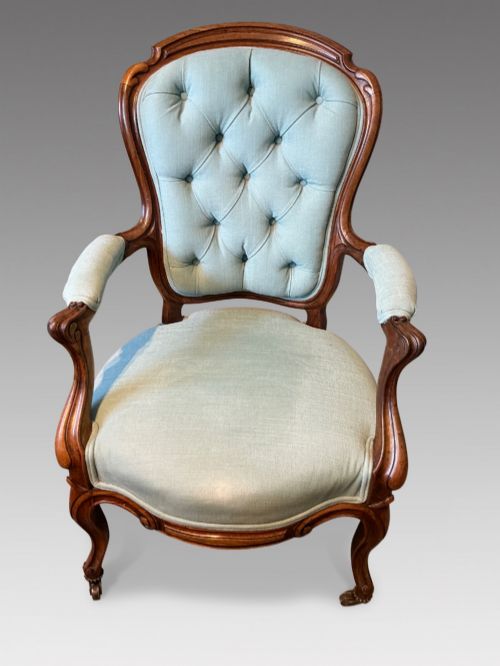
- An open-armed upholstered armchair originating in France, possessing a wooden frame with exposed carved woodwork. The style was widely revived during the Victorian era.
- Giltwood
- Timber treated with gold leaf or gilt preparation to create a metallic surface finish. This method appears on formal reception seating.
- Spindle back
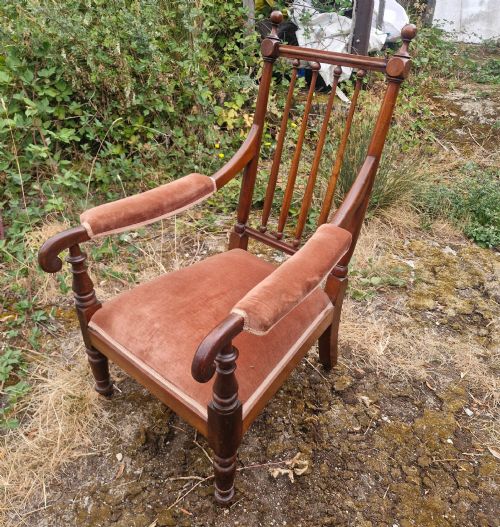
- A chair back constructed with vertical turned wooden rods or spindles. This technique offers lighter visual weight in nineteenth-century seating.
Victorian Carved Open Armchairs: Frequently Asked Questions
Where do these armchairs fit best?
These chairs suit studies, libraries and drawing rooms as fireside or desk seating. Their open wooden arms allow easy movement and a clear view of the carved frame.
Position them away from direct heat sources to protect the polished timber and textile coverings from drying out.
How do I identify the wood?
Mahogany displays a deep reddish-brown tone with a fine grain, while walnut offers rich figure lines and darker figuring. Oak presents a pronounced open grain visible beneath polished surfaces.
Closer inspection under good light reveals the natural grain patterns characteristic of each hardwood.
What styles are common?
Revival styles dominate the nineteenth-century selection, referencing Chippendale, Gothic, Rococo and Renaissance designs. Carved details and turned members reflect these historical revivals.
Chippendale revival pieces use mahogany, whereas Gothic examples frequently employ oak.
How do I care for the upholstery?
Regular vacuuming using a soft brush attachment removes dust from velvet, tapestry and fabric surfaces. Leather coverings benefit from occasional conditioning to maintain suppleness.
Avoid placing these chairs in direct sunlight to prevent fading on silk and wool textiles.