

Victorian Carved Office Desk
A victorian carved office desk provides a sturdy, practical workstation built in timber with detailed carved ornamentation.
Victorian Carved Office Desk
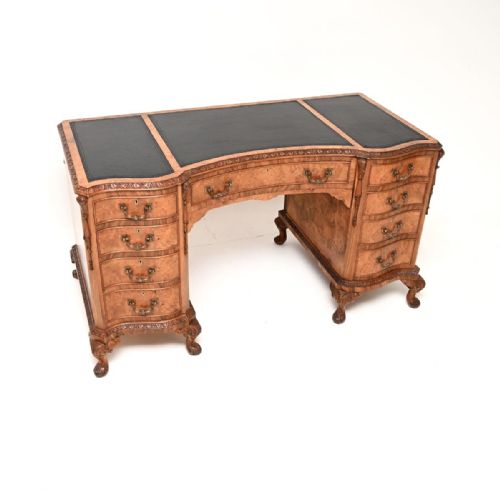
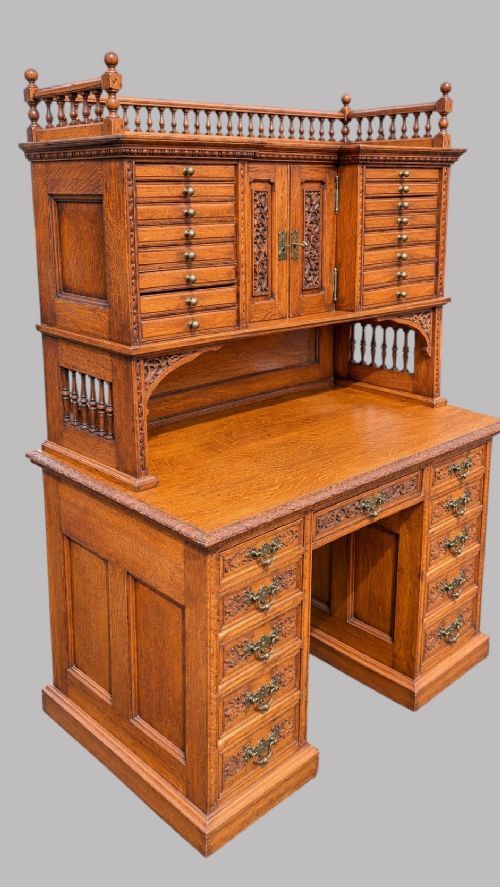
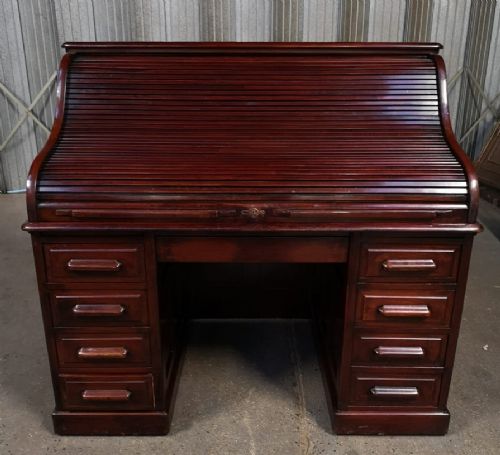
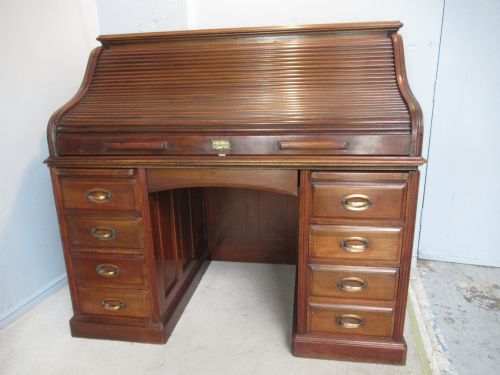
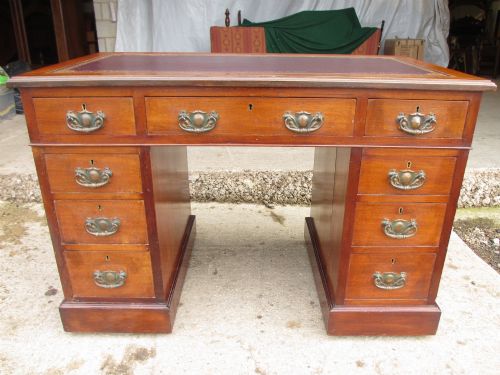
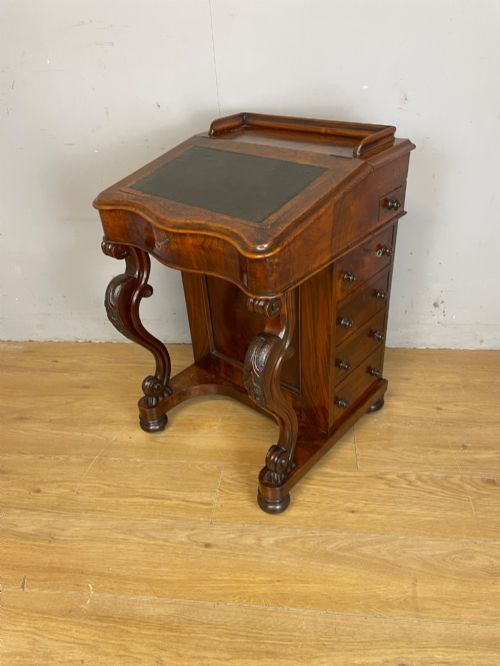
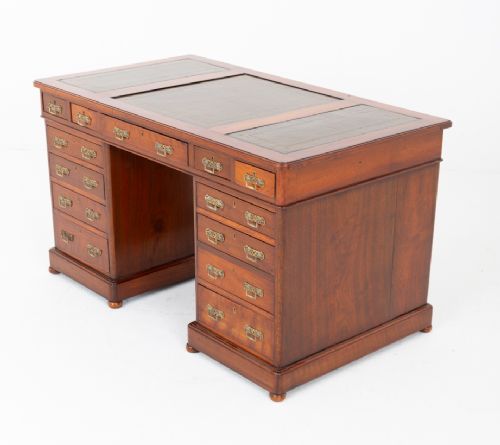
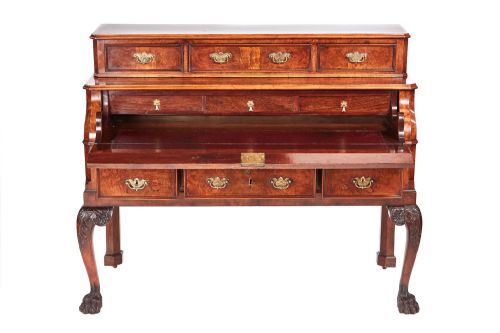
A victorian carved office desk typically takes the form of a pedestal desk, kneehole desk, partners desk, or roll top desk designed for administrative tasks in a study or office. The listings show heavy reliance on sturdy timbers shaped during the nineteenth century, with Victorian and Gothic Revival styles appearing frequently.
Buyers will encounter pedestal designs housing multiple drawers alongside writing tables and specialised writing desks. Woods such as oak, mahogany, and walnut dominate the selection, often complemented by inset leather writing surfaces and carved detailing around the pedestals and drawers.
Materials and construction methods
Cabinet makers utilised dense hardwoods including oak, mahogany, walnut, and burr walnut to build the primary carcass and drawer structures. These timbers were often selected for their rich grain patterns, providing a durable surface for daily clerical work.
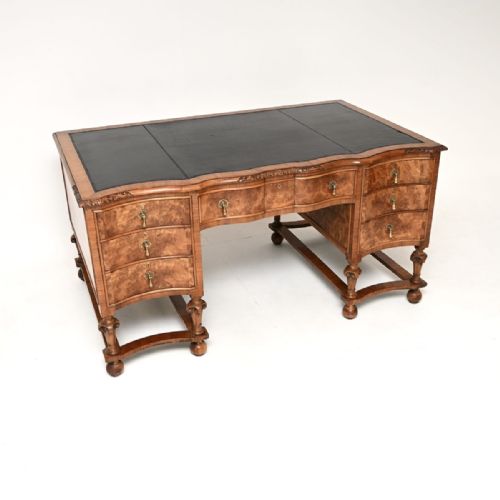
Surface decoration involved hand carving directly into the solid timber or applying veneers, particularly with burr walnut. Inset leather writing panels, frequently tooled with gold leaf, were integrated into the top surfaces alongside brass handles and drawer fittings.
Listings feature woods including oak, mahogany, walnut, burr walnut, elm, and ash, alongside brass and leather components.
Quality differences across pieces
The degree of hand carving and the selection of timber veneers determine the visual weight and status of a desk. Desks featuring burr walnut veneers, solid oak construction, or intricate Gothic Revival carving represent more ambitious workshop output than plain mahogany writing tables.
Internal construction standards, such as dovetail joints on drawers and the integration of specialised mechanisms like those found in partners desks or roll top variants, separate utilitarian pieces from high-end library furniture.
Maple and Co
The Victorian Carved Office Desk Glossary
- Pedestal desk
- A heavy writing desk consisting of two independent drawer pedestals supporting a single top. It typically includes a central drawer above the kneehole.
- Partners desk
- A large double-sided pedestal desk designed for two people to work opposite one another. Drawers and cupboards are duplicated on both sides.
- Roll top desk
- A desk featuring a flexible tambour cylinder sliding shutter that encloses the pigeonholes and writing surface. This form allows the user to secure paperwork quickly.
- Kneehole desk
- A compact desk featuring a central recess for the legs, flanked by single or multiple vertical columns of drawers. They fit neatly against library or study walls.
- Burr walnut
- A highly figured wood veneer taken from the wart-like growths on walnut trees. It yields complex, swirling grain patterns highly prized for Victorian desk facades.
Victorian Carved Office Desk: Frequently Asked Questions
What is a partners desk?
A partners desk is built with storage drawers and cupboards on both sides so two people can sit opposite each other and work.
These large desks were traditionally used in offices and libraries by business associates or legal partners.
How do I maintain leather desk tops?
Leather desk inserts require gentle cleaning with a damp cloth and occasional treatment with appropriate leather creams to prevent cracking.
Avoid using harsh chemical polishes that can strip the gold tooling from the leather border.
What wood was most commonly used?
Mahogany, oak, and walnut are the primary timbers found across these nineteenth-century desks.
Burr walnut veneer was also selected for high-end pieces to showcase decorative grain patterns.
Are these desks suitable for daily computer work?
Many pedestal and kneehole desks offer sufficient surface area and drawer space to accommodate modern laptops and office equipment.
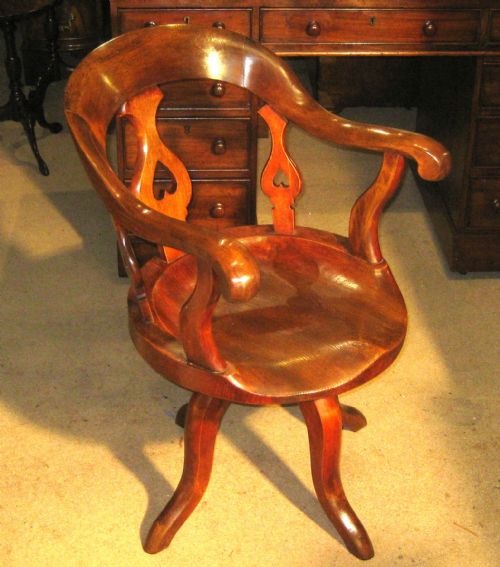
Measuring the kneehole clearance is recommended to ensure comfortable leg room with modern seating.