
Victorian Carved Glass Frame
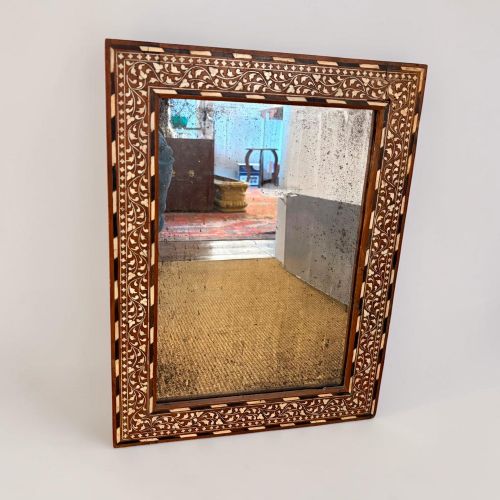
These pieces combine heavy wooden framing with reflective glass, offering the decorative presence of a victorian carved glass frame for domestic interiors.
Victorian Carved Glass Frame
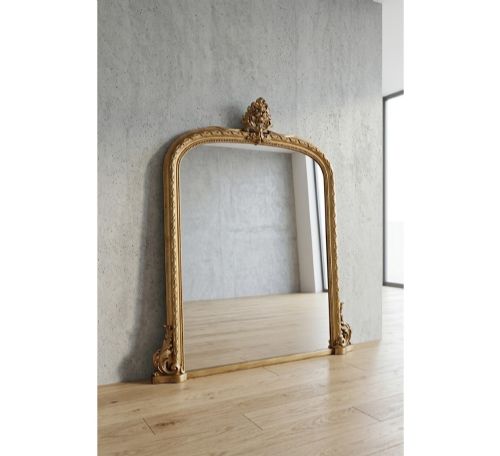
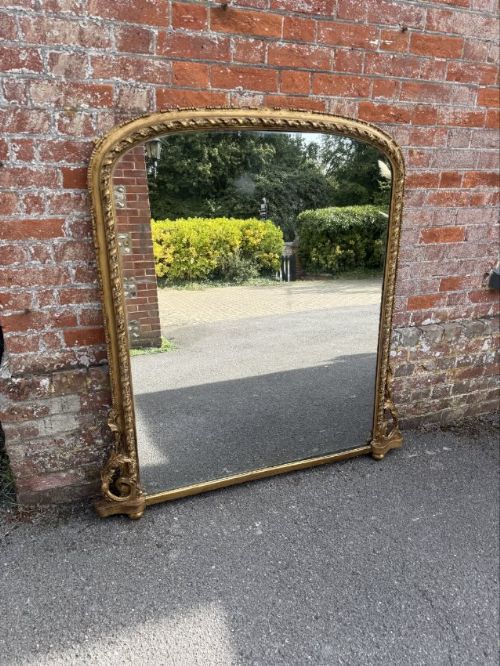
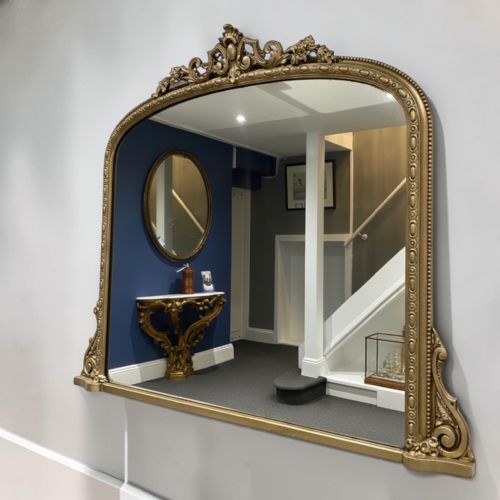
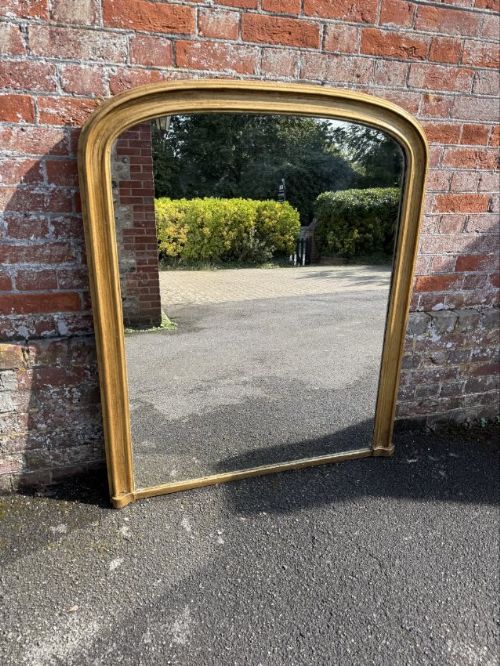
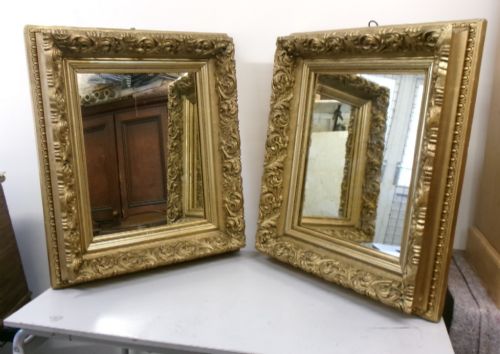
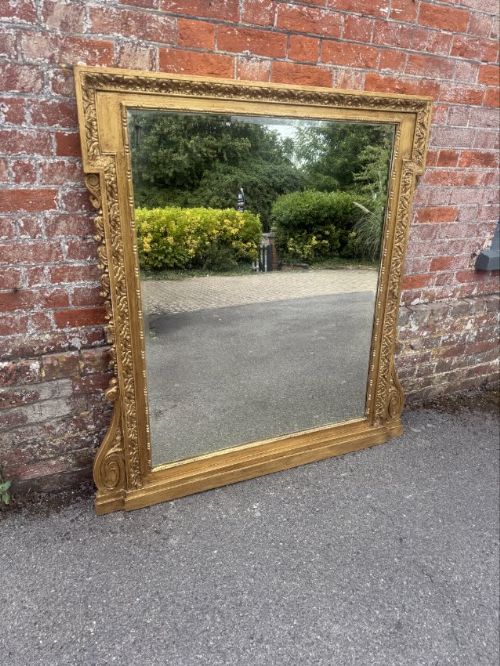
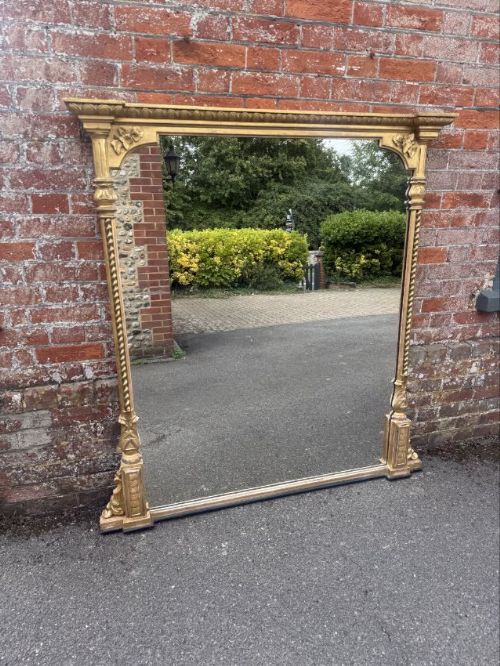
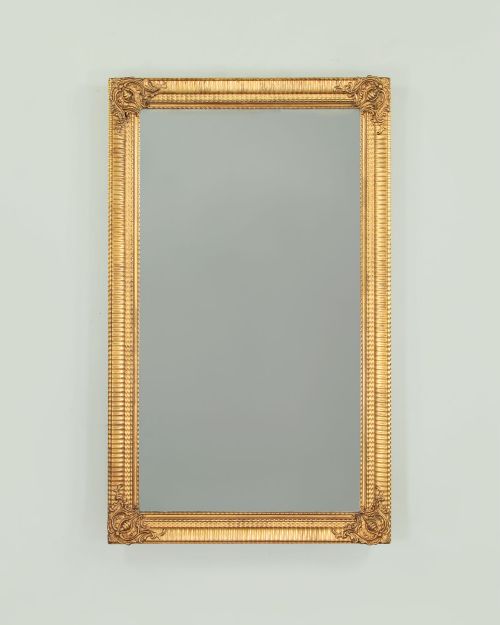
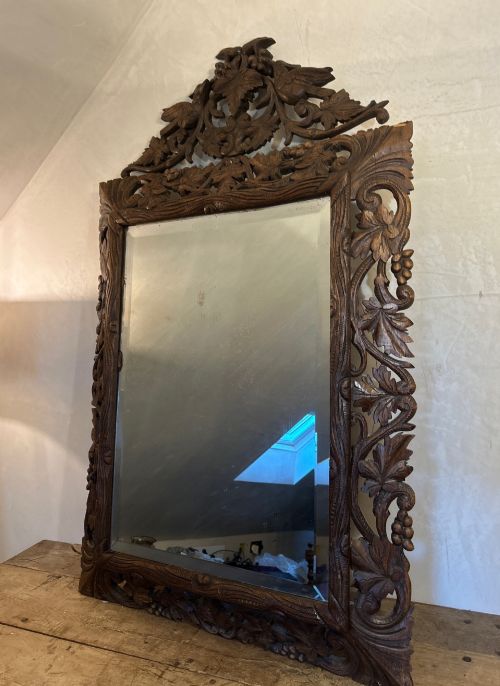
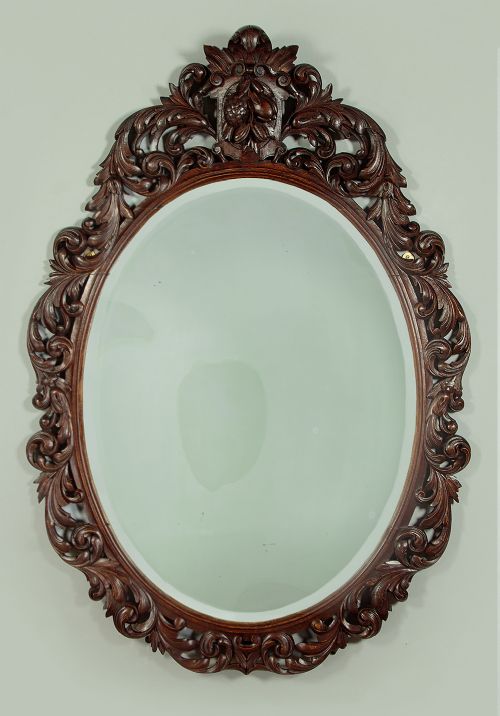
When you examine a victorian carved glass frame on this page, you are looking primarily at wall-hanging mirrors, large overmantle mirrors designed for placement above fireplaces, and occasional pier or hall mirrors. The overwhelming majority date from the nineteenth century, spanning decades such as the eighteen-sixties, seventies, eighties, and nineties, with occasional examples extending into the Edwardian period and nineteen-twenty.
These items originate predominantly from English and French workshops, utilising forms that range from simple oval and rectangular wall mounts to grand arched top overmantle designs. Alongside standard reflective plates, the selection includes related glazed objects such as framed oil paintings on milk glass and convex witch's mirrors.
How they were made
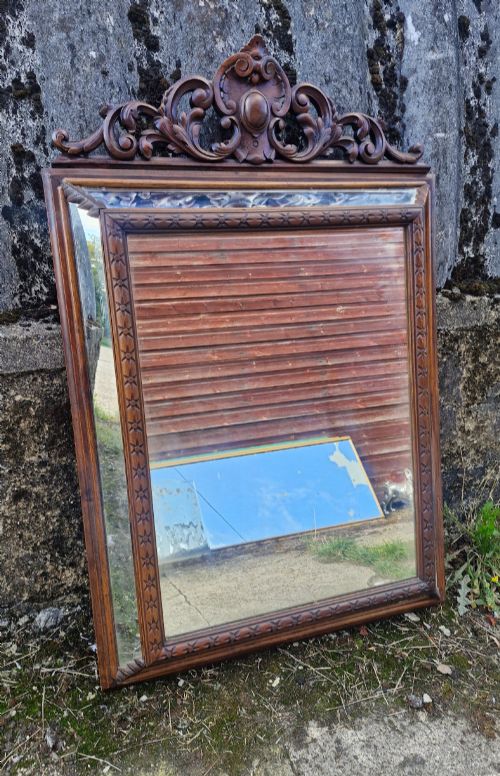
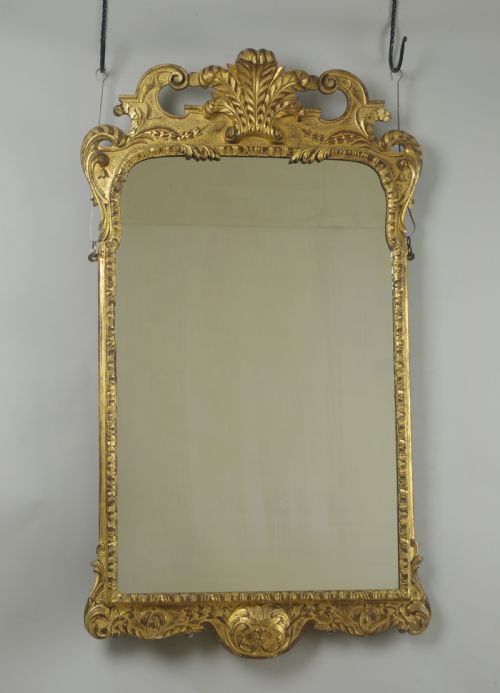
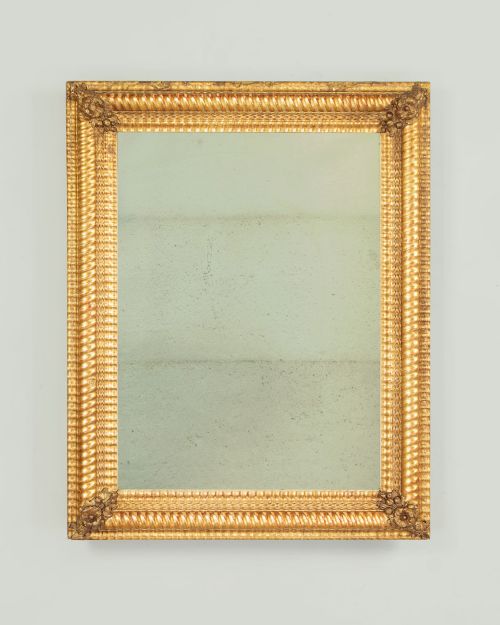
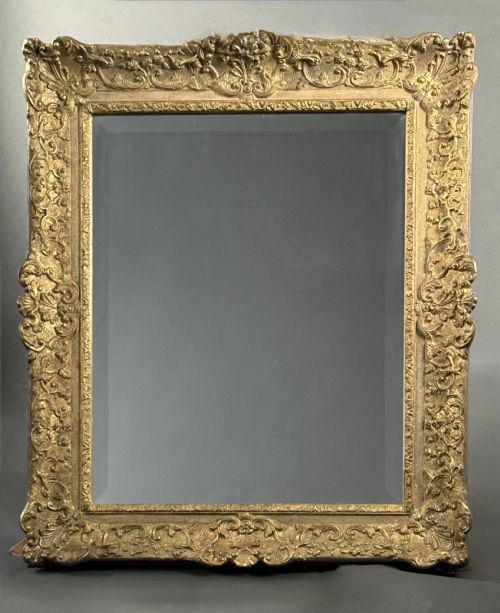
Makers constructed the structural frames from solid timbers such as oak, walnut, mahogany, and ebonised wood, frequently applying layers of gesso and composition over a wooden base to build up intricate relief ornament. Craftsmen then decorated these surfaces using gold leaf, parcel-gilt highlights, or painted finishes.
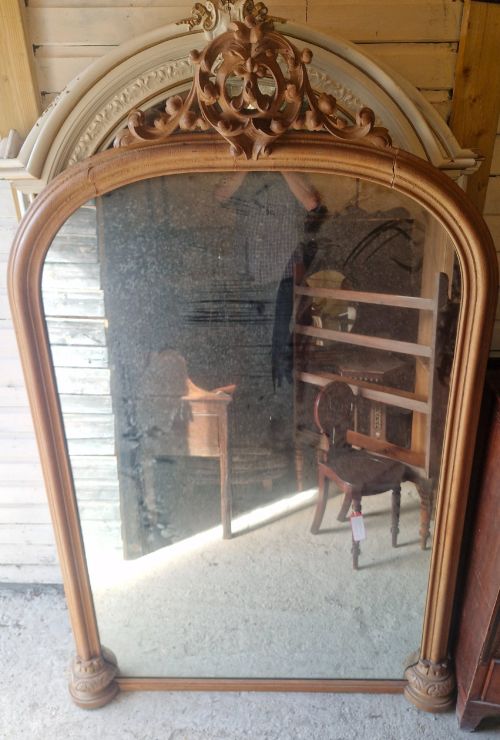
The glazing involves heavy mirror plates, sometimes featuring bevelled edges or showing age-related characteristics like original foxing, set securely into the carved wooden surrounds.
Several mirrors carry the alternative title of sorcerer's mirrors, designed to keep a watchful eye over the parlour.
What varies in quality
The standard of carving determines much of the visual depth, with hand-tooled execution in wood or detailed moulding in gesso providing crisper relief than simpler production methods. The integrity of the original surface finish, whether intact gilding or aged parcel-gilt, separates finer examples from those with heavily restored or replaced coatings.
The preservation of the original glass plate, including authentic foxing and heavy bevelling, distinguishes pieces that retain their period character from those altered by modern replacements.
The Victorian Carved Glass Frame Glossary
- Gesso
- A plaster-like mixture applied to wooden frames as a base for moulding and gilding. This substance allowed artisans to create deep, ornate relief details before applying gold leaf.
- Overmantle Mirror
- A large mirror specifically proportioned to hang on the wall directly above a fireplace mantelpiece. These pieces often feature architectural arched tops and wide frames.
- Foxed Glass
- Mirror glass displaying dark spots and patches caused by the degradation of the silver backing over time. This ageing process is often valued as an indicator of authenticity in nineteenth-century plates.
- Pier Glass
- A tall, narrow mirror designed to hang on the wall space between two windows. They were frequently paired with matching console tables in Victorian interiors.
- Parcel-Gilt
- A finishing technique where only specific portions of an object are gilded with gold leaf, leaving the underlying wood or painted surface visible elsewhere.
Victorian Carved Glass Frame: Frequently Asked Questions
Where should I hang an overmantle mirror?
These large mirrors are traditionally positioned centrally above a fireplace mantelpiece to reflect light and anchor the room's proportions. They also function effectively along main reception room walls when paired with substantial furniture.
Ensure the wall construction and fixings can support the considerable combined weight of the heavy wooden frame and thick glass plate before mounting.
How do I care for original giltwood frames?
Dust the carved wooden and gesso surfaces gently with a dry, soft brush to prevent the buildup of particles in the intricate relief work. Avoid using chemical cleaning sprays or water, which can damage delicate gold leaf and composition.
Keep the mirrors away from direct sources of heat and excessive moisture to protect both the wooden substrate and the silvered glass behind.
Are convex mirrors the same as normal wall mirrors?
Convex or witch's mirrors feature a curved glass plate that provides a wide, distorted panoramic reflection of the interior space. They serve primarily as decorative focal points rather than functional looking glasses for personal grooming.
Flat wall and pier mirrors provide a standard, undistorted reflection and were historically used to brighten darker corners of Victorian rooms.
How can I tell a nineteenth-century frame from a later copy?
Examine the construction of the wooden backing, joint methods, and the composition of the gesso relief work for signs of age-appropriate wear and tool marks. Genuine nineteenth-century pieces often exhibit minor shrinkage cracks in the gesso and natural oxidation on the glass plate.
Pay attention to the weight and density of the timber frame, as older pieces typically utilise solid oak, walnut, or heavy applied mouldings rather than modern lightweight substitutes.