


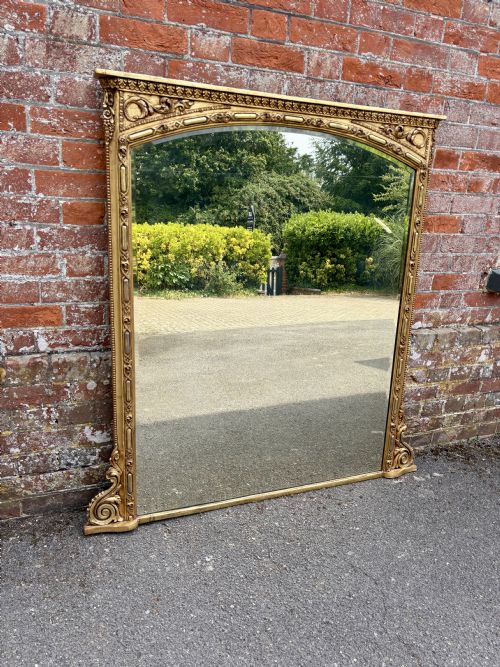
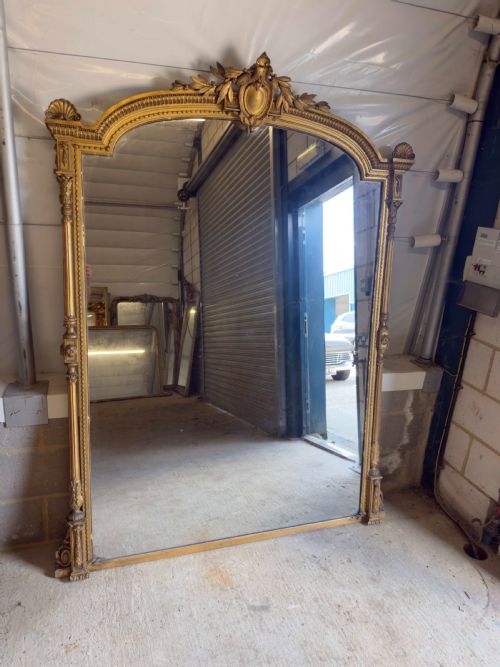
Victorian Carved Gesso Mirror
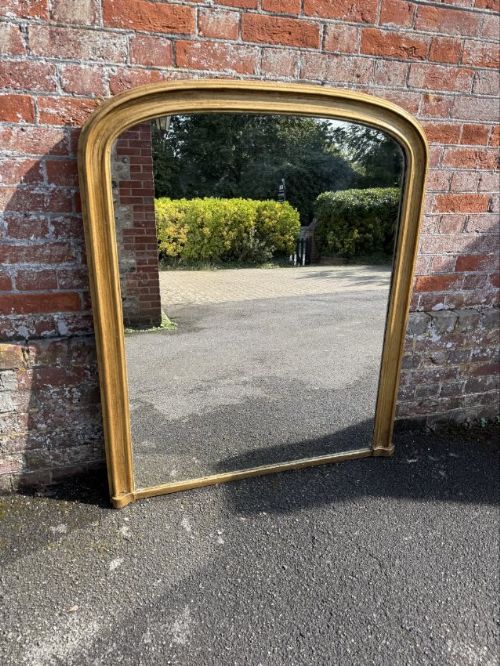
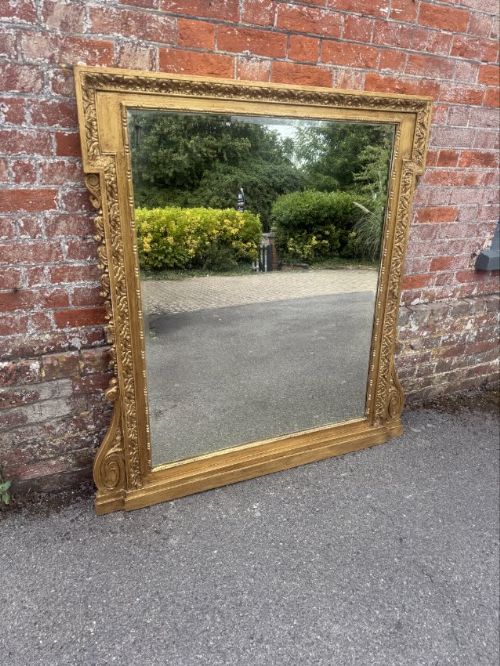
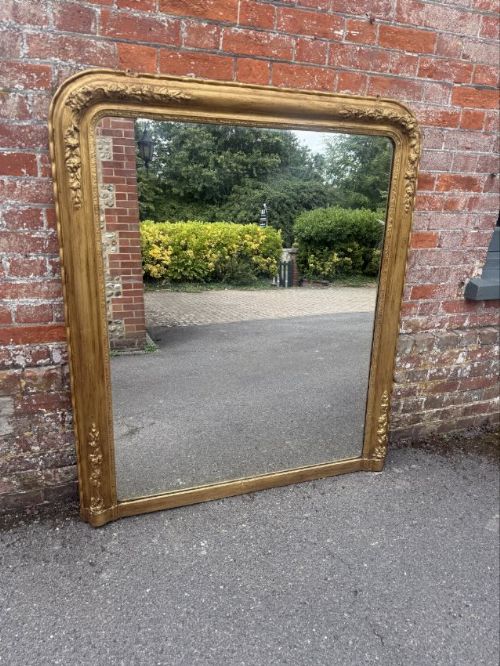
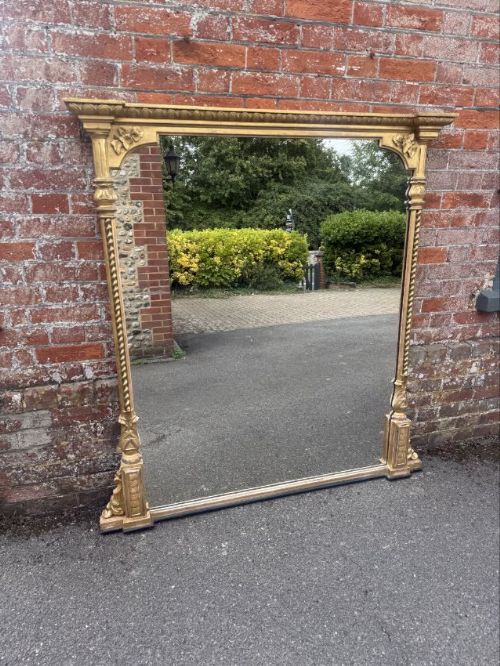
A victorian carved gesso mirror brings nineteenth-century presence to a room through deep relief ornament and gilded surfaces.
Victorian Carved Gesso Mirror
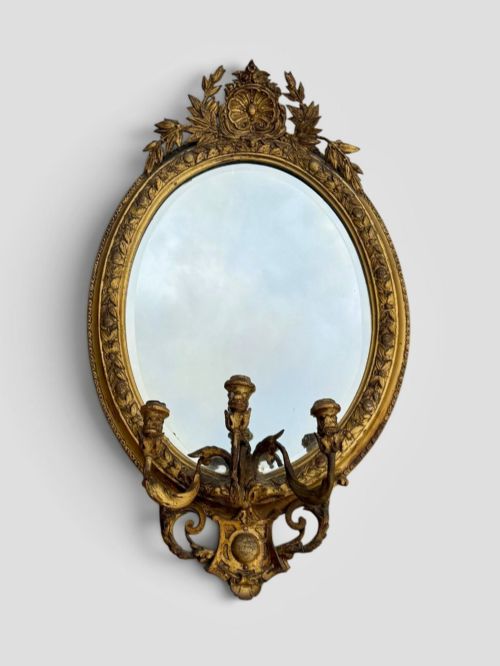
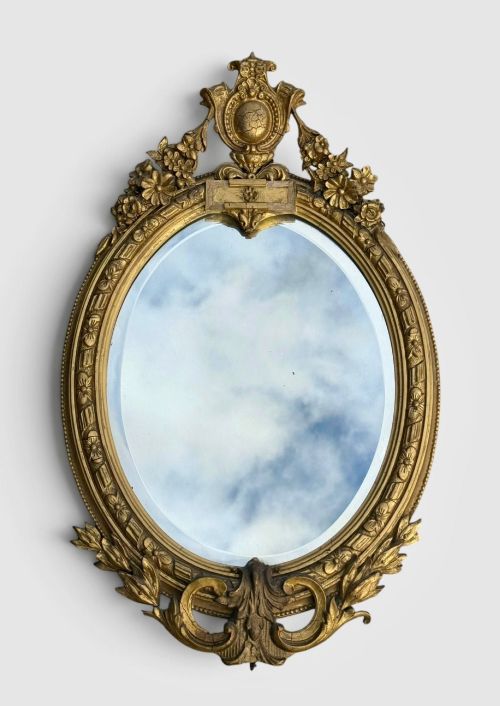
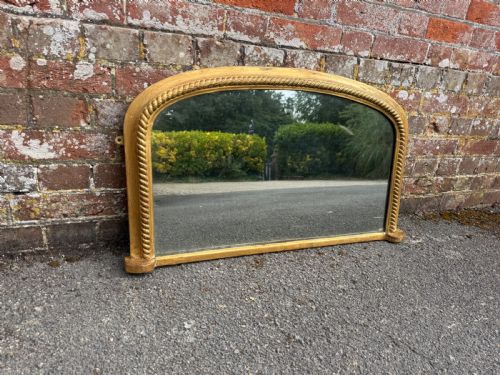
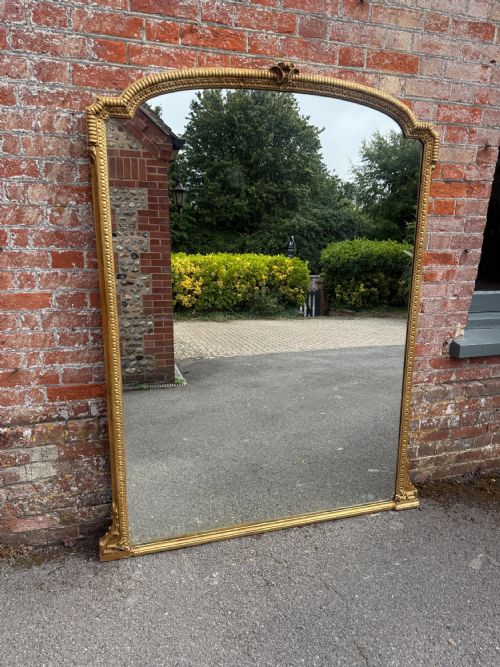
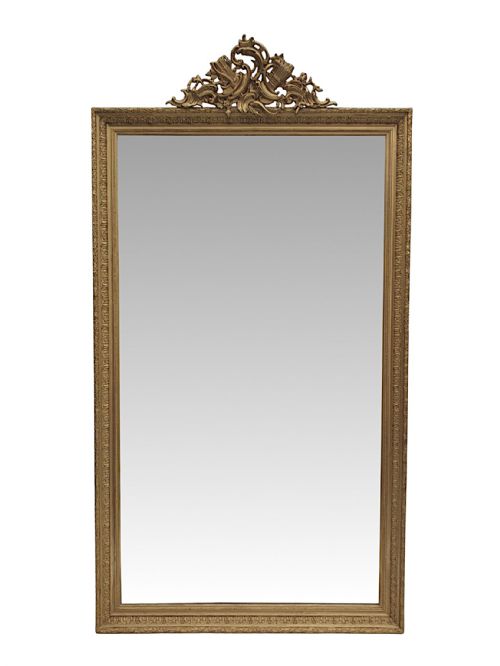
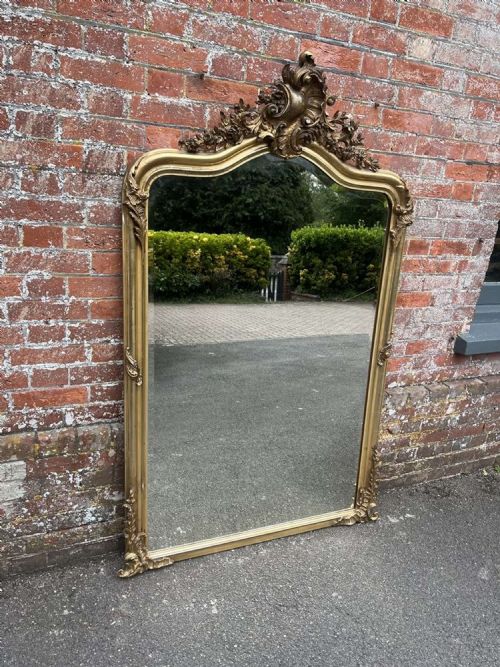
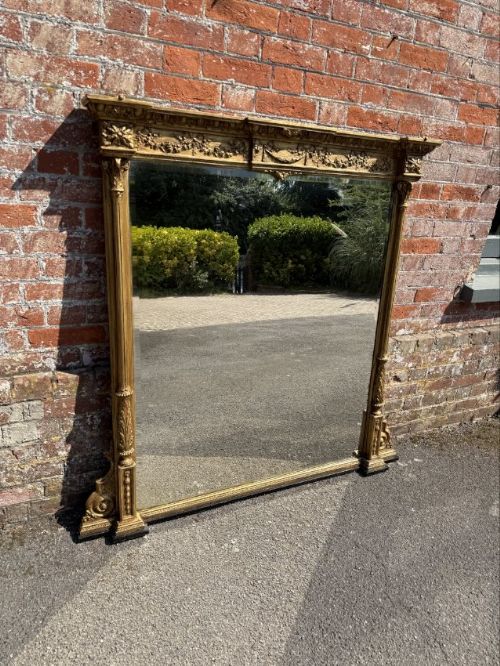
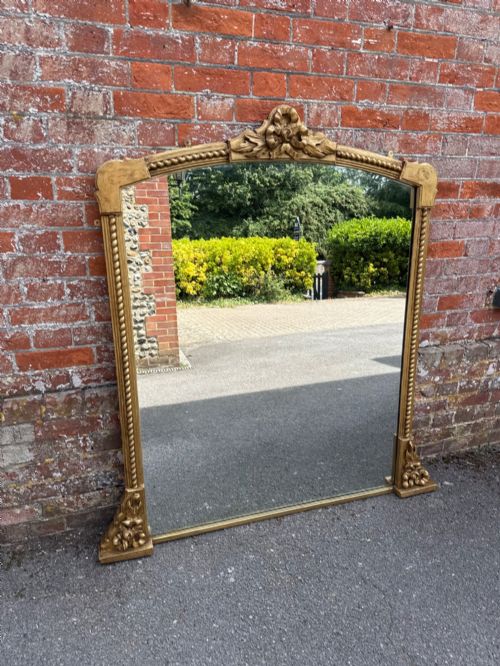
The search for a victorian carved gesso mirror reveals substantial decorative items designed for domestic interiors during the nineteenth century. Most examples found here take the form of large overmantel mirrors or wall mirrors, often featuring arched tops or shaped frames.
Makers produced these pieces across English, French, and Italian traditions, incorporating rococo revival and classical motifs. Overmantel variations dominate the selection, intended to sit above a fireplace and reflect light through principal reception rooms.
Materials and construction
Craftsmen built the structural carcass from carved wood, typically pine or oak, before applying layers of gesso to build up intricate relief details. Gesso, a mixture of plaster and binder, allowed artisans to carve crisp scrolls, rope twists, and floral patterns directly onto the wooden frame.
Workers then applied gold leaf or metallic paint over the prepared gesso surface to achieve a rich gilded finish. Original mirror glass was secured within the frame, frequently paired with wooden backing boards and metal fixings.
Some dressing table toilet mirrors from nineteen-ten quietly reflect a time when people checked their hat pins before leaving the house.
Assessing quality and craftsmanship
Quality rests in the crispness of the gesso moulding and the depth of the carved wooden substrate beneath. Finer pieces display sharply defined ornamentation without heavy filling or blurring in the scrolling foliage and rope twist borders.
The preservation of the original gilt surface and the character of the mirror glass contribute significantly to a piece's standing. Intact framing with minimal losses to the relief work distinguishes superior examples from heavily restored counterparts.
The Victorian Carved Gesso Mirror Glossary
- Gesso
- A dense plaster mixture applied to wood frames to create a smooth surface for carving and gilding. Artisans built up thick layers to model intricate three-dimensional relief ornament.
- Overmantel mirror
- A large horizontal mirror designed specifically to be hung on the wall directly above a fireplace mantelpiece. These pieces often feature arched or shaped tops to fit architectural proportions.
- Giltwood
- Timber that has been coated with a thin layer of gold leaf or gold paint. This finish provides the bright reflective surface characteristic of nineteenth-century decorative frames.
- Girandole
- A decorative wall mirror fitted with attached candle sconces or branch holders. The candle light reflected off the glass and gilded gesso to illuminate the room.
- Rope twist
- A carved decorative motif resembling intertwined strands of rope. This pattern frequently borders the perimeter of nineteenth-century mirror frames.
Victorian Carved Gesso Mirror: Frequently Asked Questions
How do I hang a heavy overmantel mirror safely?
These substantial pieces require fixing directly into wall studs or masonry using heavy-duty brackets suited to the weight of wood and glass.
Professional installation is strongly advised to distribute the load securely and prevent strain on the original frame construction.
Where should I place a large wall mirror?
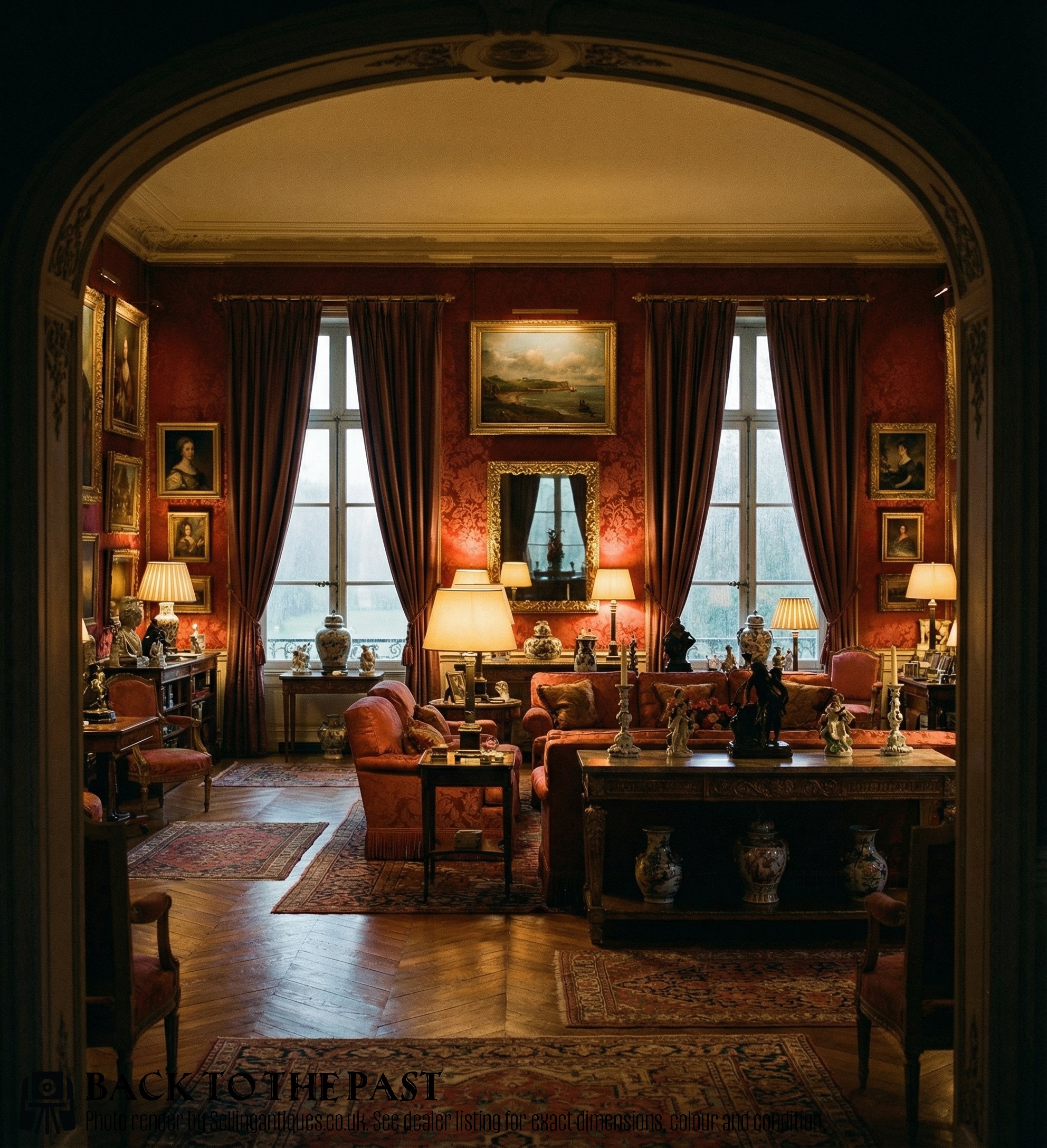
Positioning the glass opposite a window maximises natural light distribution and creates an impression of greater depth in smaller reception rooms.
Traditional placement involves centring the frame above a fireplace mantelpiece where it serves as the visual anchor of the room.
How do I clean a fragile gilded gesso surface?
Dust the ornate mouldings gently with a soft, dry brush to avoid disturbing vulnerable areas of the relief decoration and metallic leaf.
Water and chemical cleaning agents must be kept away from both the gesso and the mirror edges to prevent permanent staining or lifting.
How can I tell the period of a mirror?
Examination of the timber backing, fixings, and the composition of the gesso layer helps indicate nineteenth-century production methods.
Stylistic cues such as rococo revival scrolls and proportions also align the piece with specific decades between eighteen-fifty and nineteen-ten.