
Victorian Carved Frame
When you search for a victorian carved frame, you encounter the robust architectural timber mouldings and gilded overmantels that defined nineteenth-century domestic display.
Victorian Carved Frame
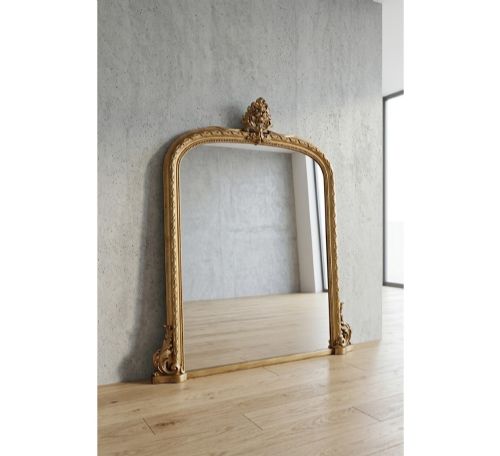
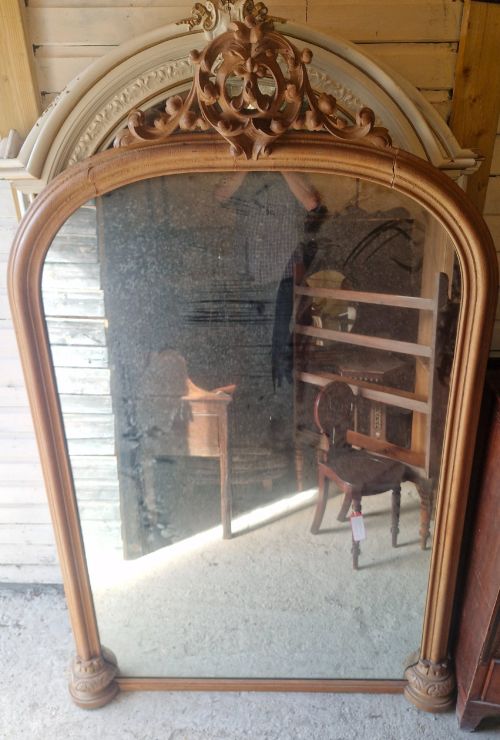
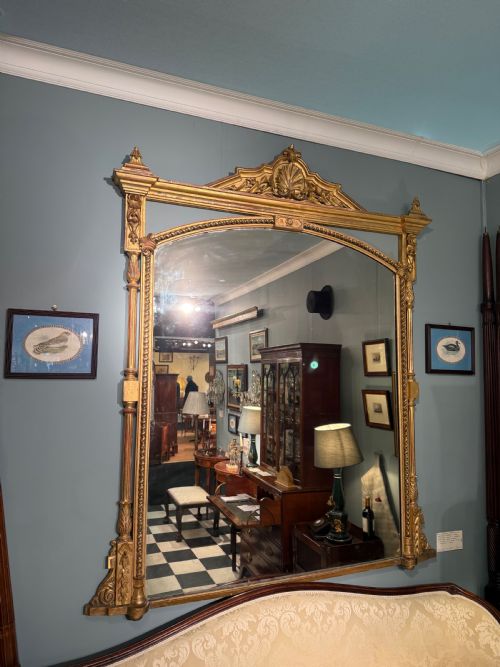
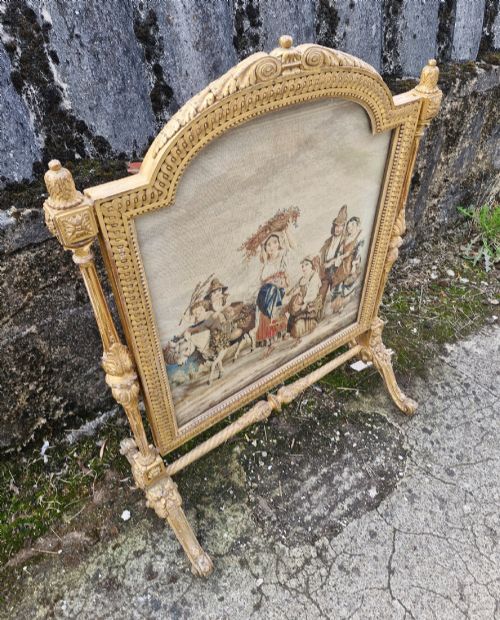
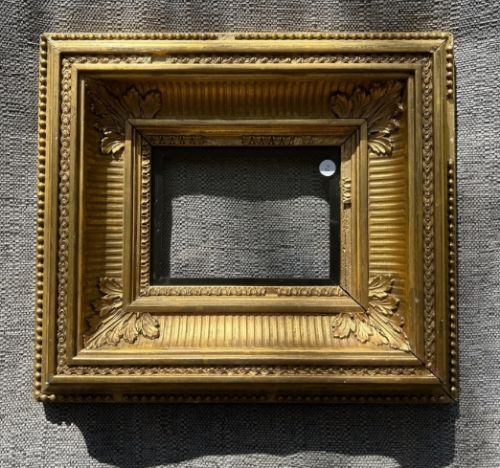
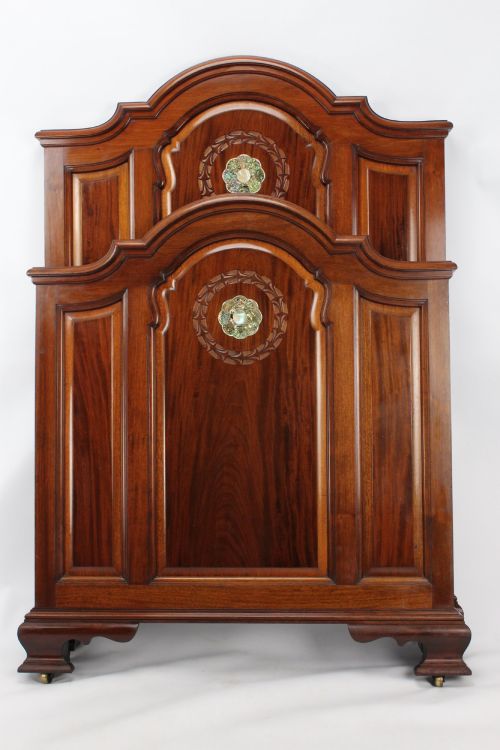
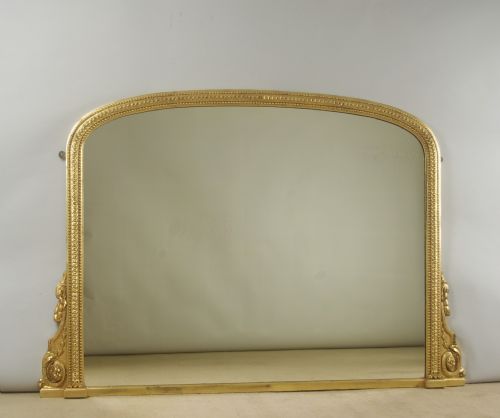
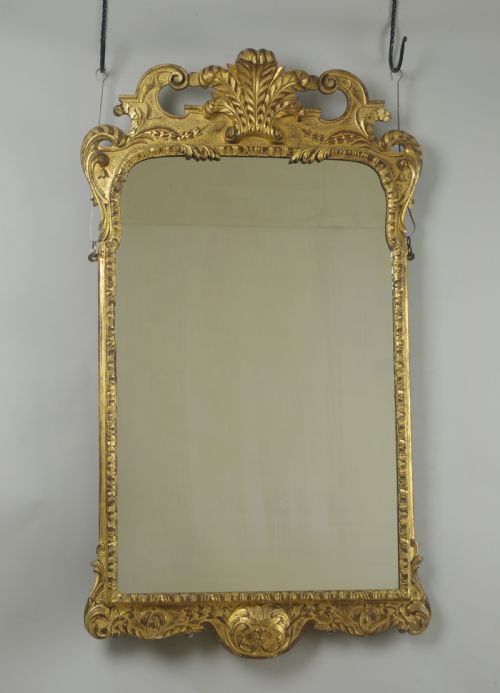
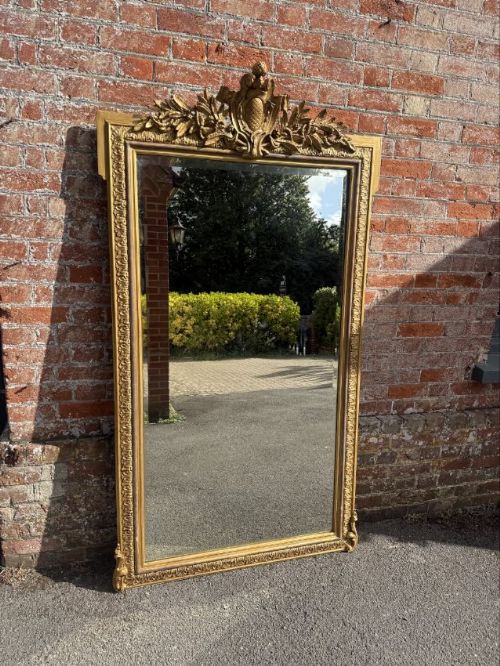
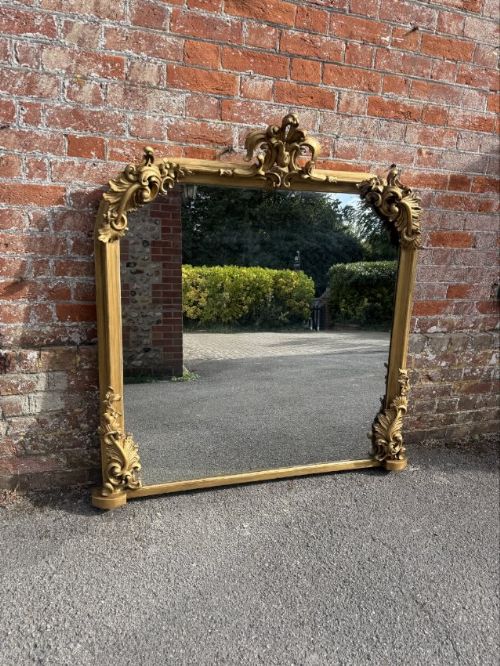
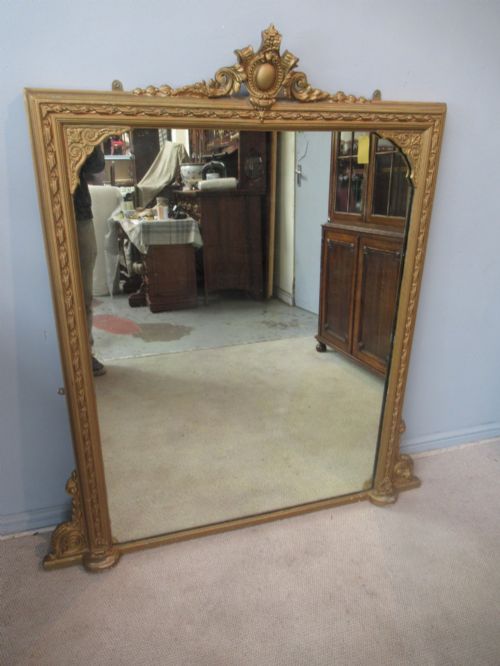
A victorian carved frame encompasses heavily ornamented timber and gilded surrounds designed for domestic interiors, predominantly manifesting as large wall mirrors, overmantels, and picture frames across the nineteenth century. These pieces emerge in styles ranging from Rococo Revival and Gothic Revival to French Chateau and Regency influences, reflecting the eclectic taste of the Victorian era.
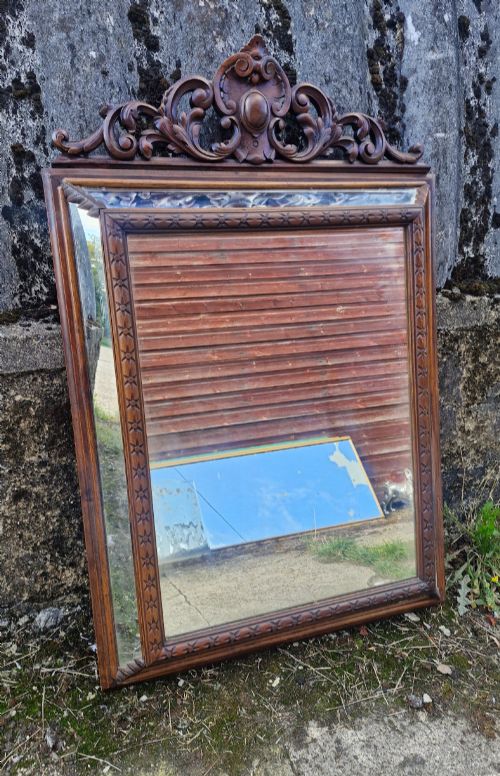
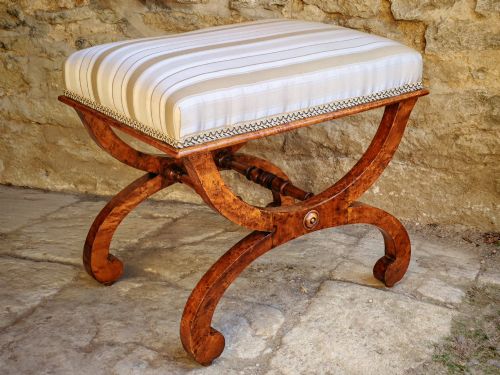
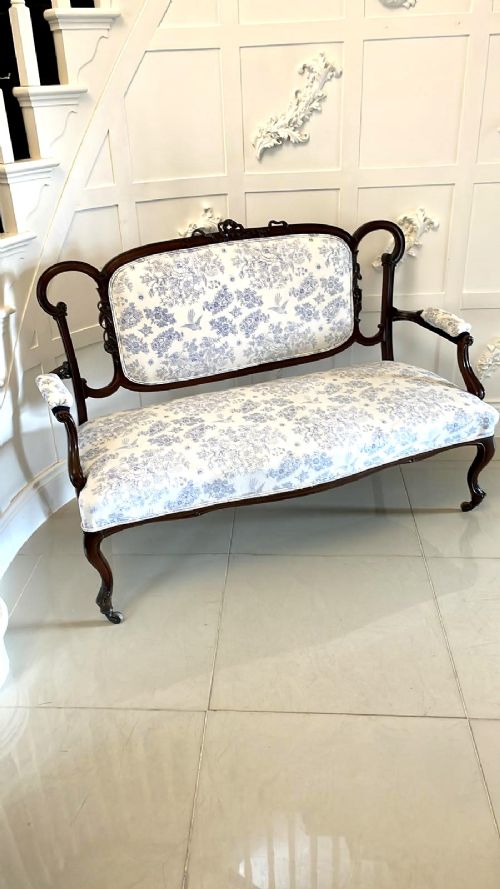
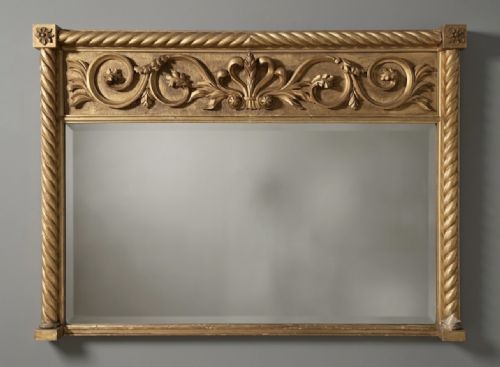
The objects span functional wall mirrors with bevelled glass plates, cheval dressing mirrors, and structural furniture surrounds including upholstered armchairs, sofas, and bedsteads featuring prominent show wood. Overmantel mirrors and architectural oak wall pieces dominate the selection, often carrying deep mouldings and foliate motifs intended to command a room.
Originating largely from British and continental workshops during the 1850s to the close of the century, these items served both utilitarian and decorative purposes in country houses and town salons. Buyers encounter solid oak, mahogany, and walnut structures alongside intricate gilded plasterwork designed to catch the gaslight.
How They Were Made
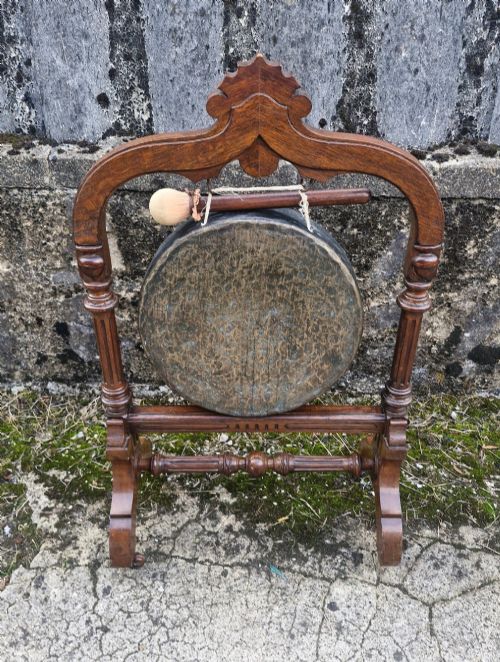
Maker's hands relied on dense native and imported timbers such as oak, mahogany, walnut, and beech to construct the primary carcasses and structural mounts. Carvers worked directly into the solid wood for deep relief elements like acanthus leaves, scroll ends, and geometric strapwork.
Giltwood pieces utilised layers of gesso and gold leaf applied over a wood base, allowing intricate raised details and rope twist motifs to be moulded and burnished. Composition ornament, a mixture of whiting, resin, and glue, frequently reinforced complex repeating patterns on gilded frames.
Listings feature periods spanning from the Georgian era through to the late Victorian decades, utilising oak, walnut, mahogany, and giltwood.
What Varies in Quality
The distinction between ordinary production and superior craftsmanship rests in the depth and crispness of the hand carving rather than surface decoration alone. Master carvers created undercut foliage and sharp botanical details that retained their definition through layers of gesso and subsequent gilding.
Proportion and structural integrity dictate the standing of a piece, with superior examples exhibiting balanced symmetry, substantial timber thickness, and original mirror plates or upholstery frameworks that have endured without invasive rebuilding.
The Victorian Carved Frame Glossary
- Gesso
- A plaster-like mixture applied to wood surfaces as a smooth base for gilding or painting. It allowed craftsmen to build up crisp relief ornaments before applying gold leaf.
- Giltwood
- Timber carved and subsequently covered with thin sheets of gold leaf or metal leaf. This treatment provided luxurious reflectivity under nineteenth-century interior lighting.
- Overmantel
- A large mirror or panel designed to hang specifically on the wall above a fireplace mantelpiece. These architectural items anchored the decorative scheme of a Victorian reception room.
- Composition
- A moulded material made from whiting, oil, resin, and glue pressed into decorative shapes. It was widely used as a cost-effective alternative to hand-carved wood for repeating motifs.
- Show wood
- Exposed polished or carved timber on upholstered seating where the wooden frame forms a prominent visual feature. Walnut and mahogany were frequently utilised for this purpose.
Victorian Carved Frame: Frequently Asked Questions
How do I date a Victorian frame?
Dating relies on examining the timber species, assembly methods, and the style of the carving. Earlier nineteenth-century examples often feature dense hand-carved mahogany or walnut, while later decades embraced lighter beech and extensive composition ornamentation.
Secondary indicators include the condition of the backing boards, mirror plate bevelling techniques, and the specific revival style popular at the time of manufacture, such as Gothic or Rococo.
How should I hang a heavy overmantel?
Due to the substantial weight of dense timbers combined with gesso and thick glass plates, secure wall fixing into masonry or direct stud work is essential. Professional mirror hangers typically employ heavy-duty steel brackets attached directly to the main structural frame rather than relying on original cords or rings.
Ensuring the weight distributes evenly protects the mitred joints and prevents the decorative cresting from separating under sustained tension.
What is the difference between gesso and carved wood?
Carved wood involves cutting directly into the solid timber substrate with chisels to form three-dimensional shapes. Gesso is a liquid plaster composition built up over the wood or applied in moulds to create finer, repetitive surface details.
High-end Victorian pieces frequently combine both techniques, utilising a carved wooden foundation augmented by crisp moulded gesso ornaments.