


Victorian Carved Daybed
When you handle a victorian carved daybed, you hold a piece of nineteenth-century leisure designed for reclining in comfort.
Victorian Carved Daybed
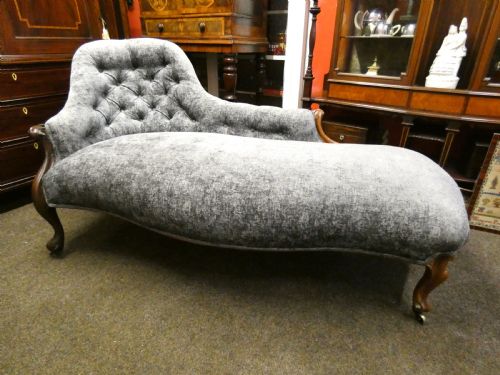
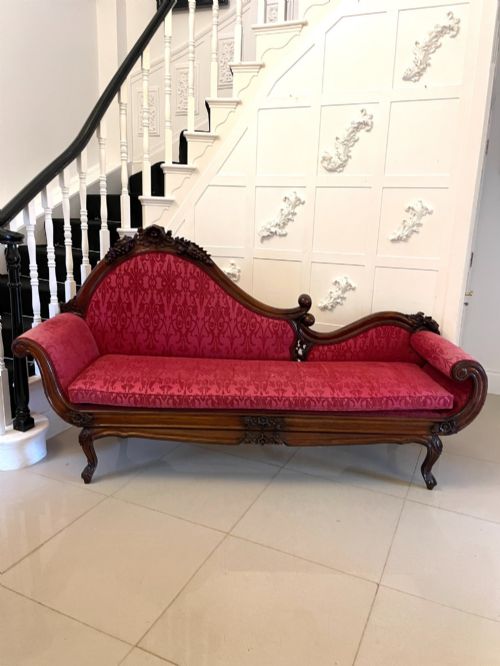
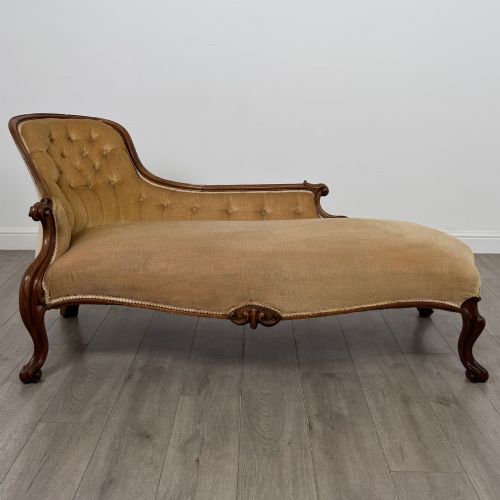
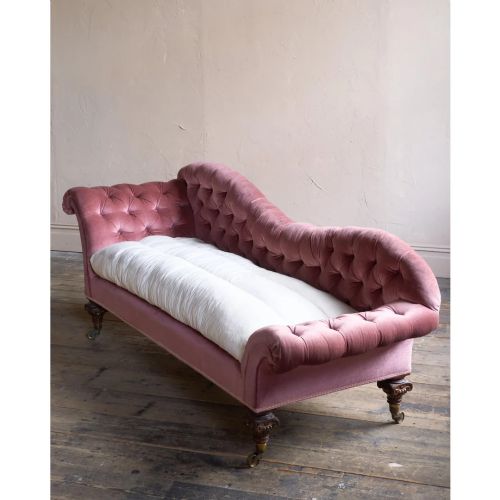
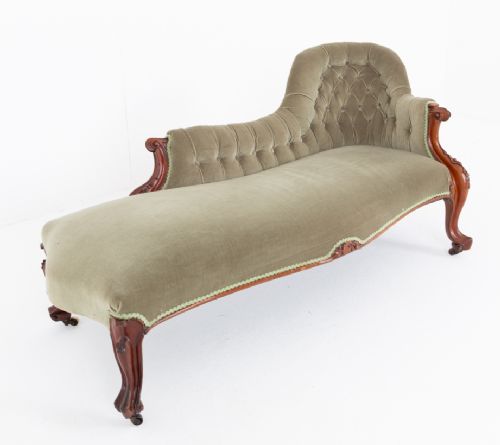
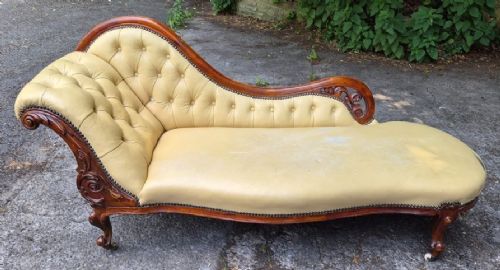
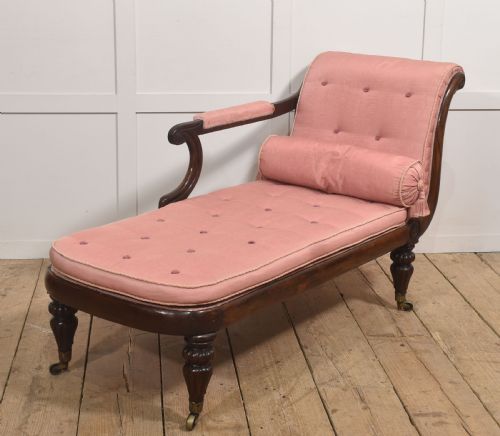
A victorian carved daybed encompasses a range of nineteenth-century lounging furniture, most frequently encountered here as mahogany, rosewood, and walnut chaise longues. These pieces merge the form of a sofa with a reclining headrest, often styled with scroll ends or double spoonbacks.
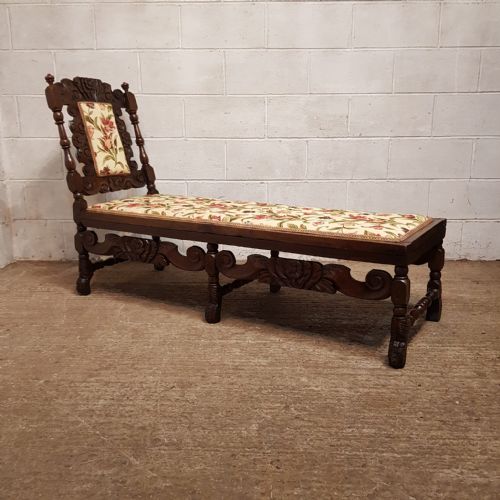
The selections span various iterations including William IV, Regency, Moorish Revival, and Anglo-Indian influences. Alongside traditional chaise longues, listings include ottomans, window seats, and carved benches.
Makers and origins stretch across English country house styles and colonial workshops, demonstrating diverse aesthetic choices in seating. The common thread remains the elongated seat designed for semi-reclining posture.
Materials and construction
Frames are constructed from dense hardwoods like mahogany, rosewood, walnut, and oak, providing the structural integrity needed for carved scroll arms and decorative legs such as Ionic columns. These timbers are shaped with deep relief carving.
Upholstery involves traditional fabrics including velvet, leather, and various contemporary or period-appropriate textiles, secured to sprung or padded frames. Brass hardware and ebonised detailing frequently accent the polished wood surfaces.
Miniature ebonised pieces suggest that Victorian parlour comfort extended even to the dolls' house.
Assessing the craftsmanship
Quality rests in the crispness of the timber carving and the architectural proportion of the frame, where fluid scroll arms and substantial show-wood distinguish superior examples from simpler forms. Richness in the grain of rosewood or mahogany elevates the piece.
The integrity of the frame construction and the sculptural ambition of details, such as ebonised highlights or column legs, mark the distinction between standard workshop production and master craftsmanship.
H. Goodall & Sons
The Victorian Carved Daybed Glossary
- Chaise longue
- An elongated seating unit combining a chair and a couch for reclining, typical of the nineteenth century.
- Scroll end
- A sweeping, curved wooden terminal on the arm or back of a sofa, frequently seen in Victorian seating.
- Spoonback
- A chair or sofa backrest carved in the concave shape of a spoon, providing ergonomic support.
- Ebonised
- Wood treated with a dark stain or finish to imitate the appearance of ebony.
- Ottoman
- A low, upholstered seat or couch without arms or a back, utilised for lounging.
Victorian Carved Daybed: Frequently Asked Questions
What is a victorian carved daybed used for?
These pieces were designed for daytime resting, reading, and receiving visitors in nineteenth-century drawing rooms and boudoirs.
Today, they function as statement seating in living spaces, studies, or bedrooms, offering an elongated surface for lounging.
How do I identify the period of a chaise longue?
Dating relies on timber selection, such as rosewood and mahogany, combined with stylistic cues like William IV scroll arms or elaborate Victorian carvings.
Mid-nineteenth-century examples often display deep buttoning and rich wood grains, while later pieces show varied revival influences.
Are daybeds and chaise longues the same thing?
While both provide extended seating for reclining, daybeds often feature symmetrical or backless designs suitable for sleeping or sitting.
Chaise longues typically incorporate a raised headrest at one end with a partial backrest, designed primarily for semi-recumbent posture.
Where should I place a daybed in a room?
These items suit placement against a main wall or floating within a spacious room to showcase the carved back and show-wood frame.
They also sit effectively near windows as architectural window seats or day beds depending on the specific form.