


Victorian Carved Couch
A victorian carved couch brings nineteenth-century drawing-room comfort and exuberant timber craftsmanship directly into a modern interior.
Victorian Carved Couch
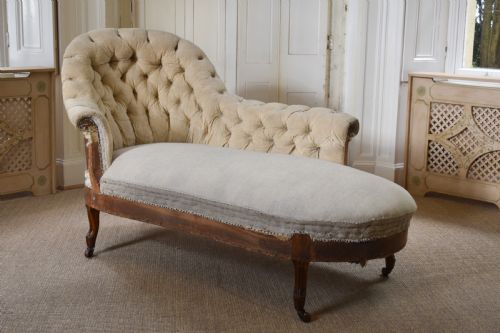
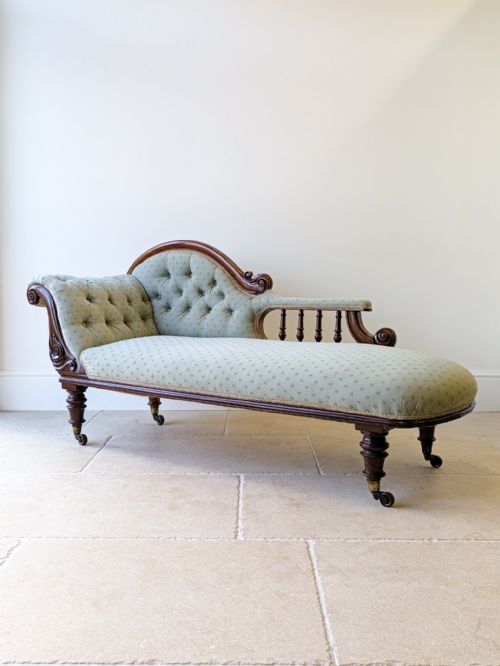
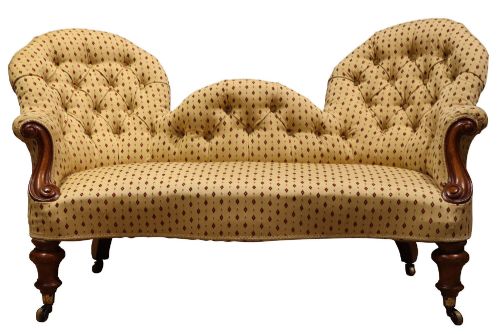
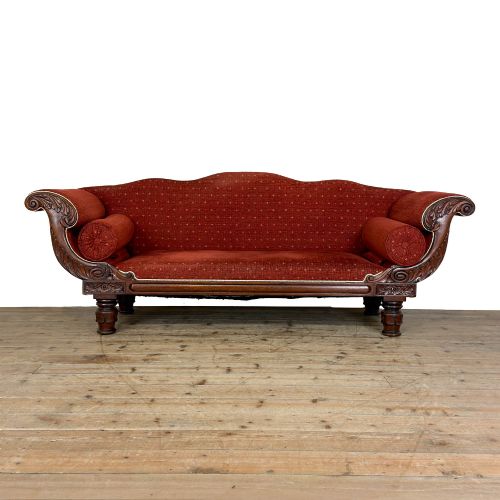
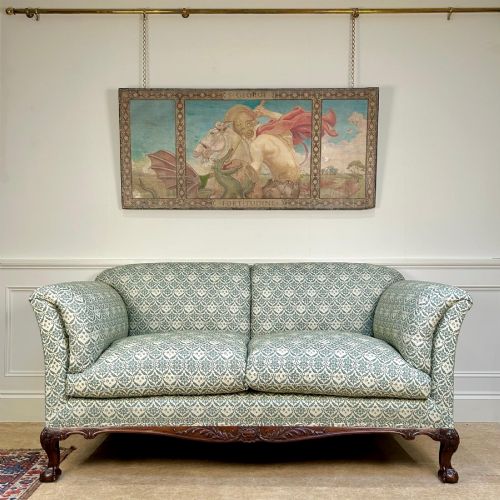
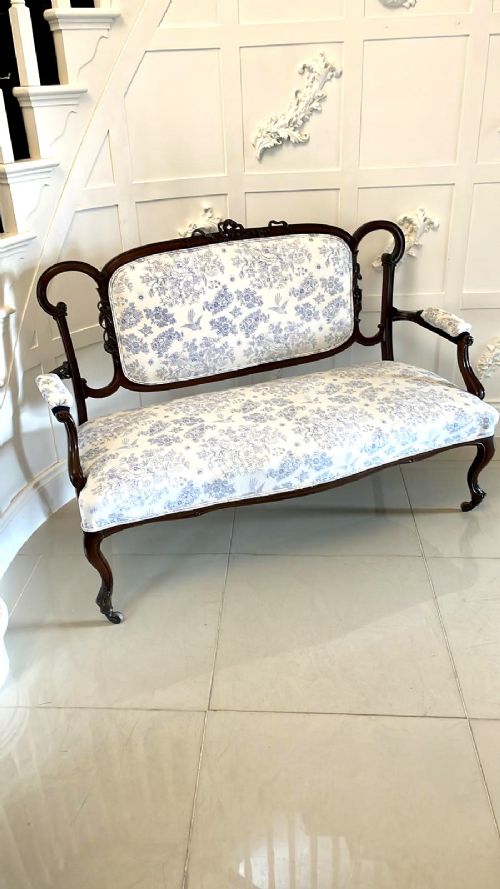
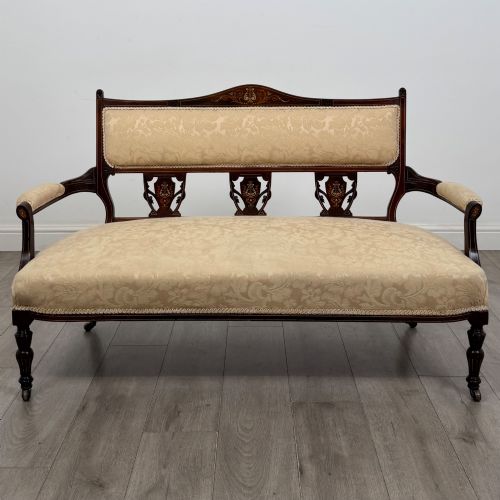
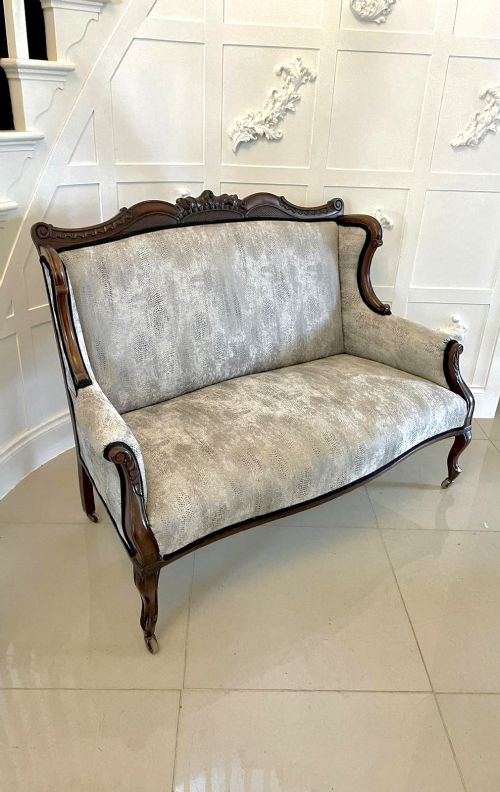
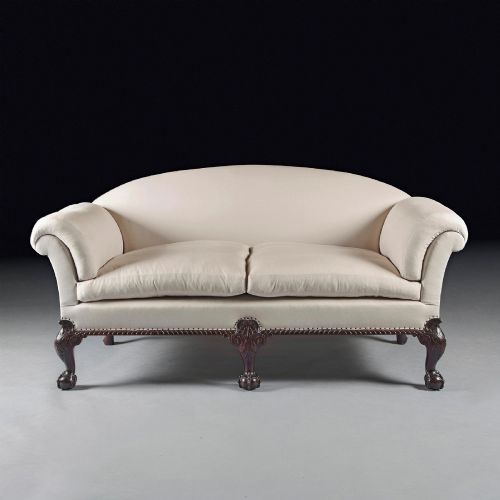
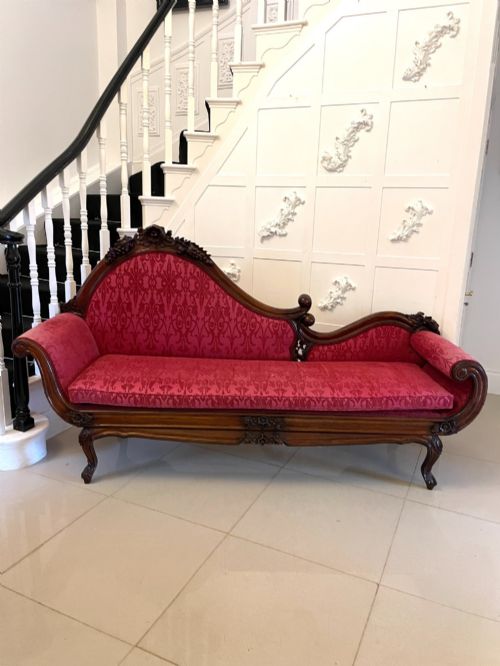
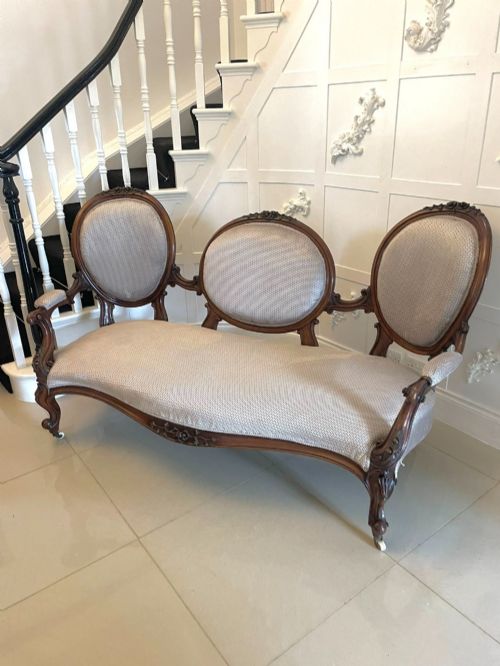
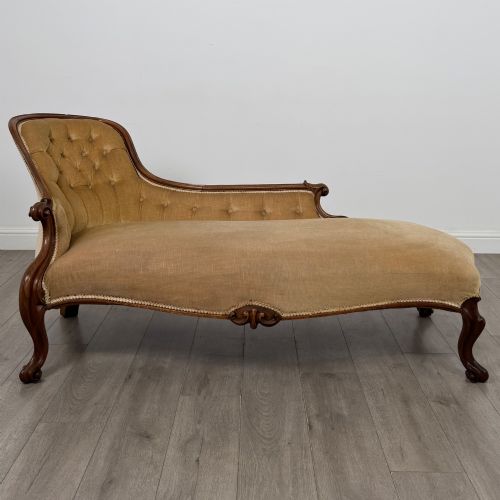
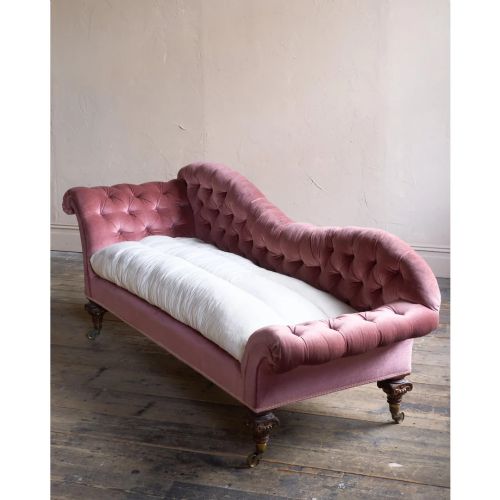
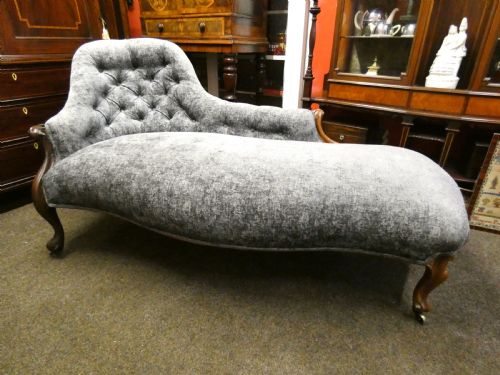
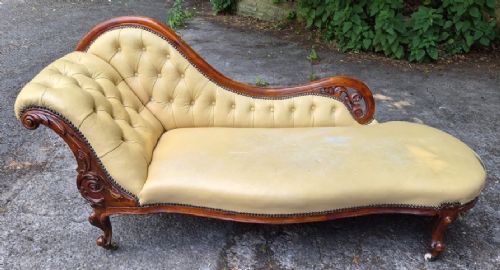
When searching for a victorian carved couch, buyers encounter a diverse selection of nineteenth-century seating, including multi-seater sofas, settees, and single-ended daybeds. The most frequent examples on this page are rosewood, walnut, and mahogany frames shaped during the Victorian period, alongside earlier Regency influences and later revival styles. These pieces range from cameo-back and double spoon-back settees to scroll-ended chaise longues designed for reclining.
The styles span standard Victorian production, Rococo Revival, William IV, and Chippendale Revival forms. Many pieces utilise traditional sprung bases paired with upholstery fabrics such as velvet, leather, and brocade. Whether configured as a three-seater couch or an open-ended chaise longue, each object reflects the varied domestic seating arrangements of the nineteenth century.
Materials and Construction
Timbers such as mahogany, walnut, and rosewood provide the rigid structural support for these frames. Craftsmen shaped these dense hardwoods using hand-carving techniques to produce elaborate scroll ends, ionic column legs, and ball and claw details.
Upholstered elements rely on traditional stuffing and sprung settee bases, covered in textiles like deep-pile brocade, leather, velvet, and standard upholstery fabric. Gilt finishes and inlaid details occasionally augment the primary timber structures.
Victorian Carved Couch Retail Price Guide 2026
Typical asking prices for victorian carved couch among the pieces listed under this phrase on Sellingantiques today, from the lower quarter to the upper quarter. They describe what is for sale here now, not the wider market.
Listings incorporate timber frames in mahogany, walnut, and rosewood, alongside brass accents and diverse upholstery fabrics.
Judging Quality
The highest tier of these couches displays deeply crisp timber carving that integrates smoothly into the structural frame rather than appearing applied. Superior examples maintain structural integrity in the sprung base and show refined proportion across scroll arms, balloon backs, or double spoon-backs.
Lower quality or heavily altered variants often exhibit compromised joinery, flattened upholstery support, or replacement timber components that disrupt the historical coherence of the piece.
Howard and Sons·H. Goodall and Sons
The Victorian Carved Couch Glossary
- Chaise Longue
- An upholstered long chair designed for reclining, combining the functions of a chair and a daybed. These items frequently feature a single raised headrest or scroll end.
- Settee
- A medium-length upholstered wooden seat with a back and arms, built to accommodate multiple sitters. They appear in forms from cameo-back to double spoon-back.
- Rococo Revival
- A nineteenth-century design movement drawing inspiration from eighteenth-century French Rococo, characterised by C-scrolls, asymmetrical curves, and naturalistic floral carvings. This style dominated mid-century parlour seating.
- William IV
- A transitional stylistic period bridging Regency and early Victorian eras, noted for robust proportions, heavy scrollwork, and dark timbers such as rosewood and mahogany.
- Double Spoon-Back
- A chair or sofa back featuring two distinct, concave oval frames resembling hollowed spoons, typical of mid-nineteenth-century upholstered seating.
Victorian Carved Couch: Frequently Asked Questions
Where should I place a Victorian couch?
These pieces suit principal reception rooms, spacious hallways, or large bedrooms where their length and carved timber frames can command the floor space.
Pairing a chaise longue or settee with neutral walls allows the rich mahogany, walnut, or rosewood tones to stand out visually.
How do I care for the timber frame?
Dust the carved woodwork regularly with a soft, dry cloth to prevent particulate accumulation in the crevices of the scrollwork and legs.
Avoid placing the furniture near direct heat sources or strong sunlight to protect the polished wood surfaces from drying out.
Are these couches comfortable for daily sitting?
Many examples utilise traditional sprung bases and padded upholstery designed for relaxed seating and reclining during the nineteenth century.
Re-upholstered pieces often integrate modern internal webbing or springs while retaining the historical exterior aesthetic.
How can I tell a Rococo Revival piece apart?
Rococo Revival frames display abundant C-scrolls, fluid asymmetry, and naturalistic floral carvings on the exposed timber crests and rails.
These elements contrast with the stricter geometric lines found in earlier Regency or later revival designs.