





Antique Floral Chaise
An antique floral chaise brings nineteenth-century drawing-room elegance into a modern interior with its graceful reclining form and patterned upholstery.
Antique Floral Chaise
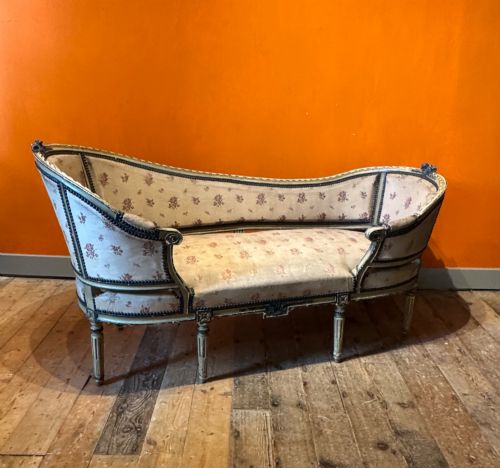
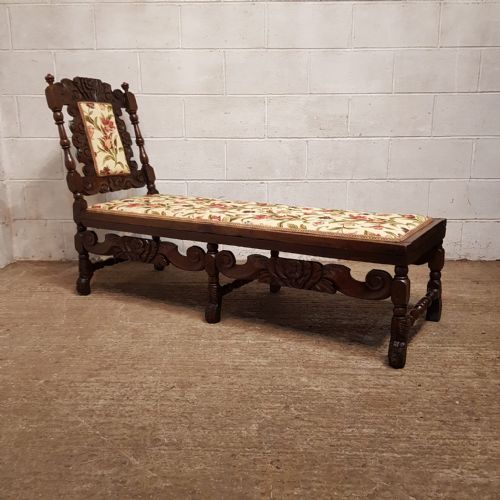
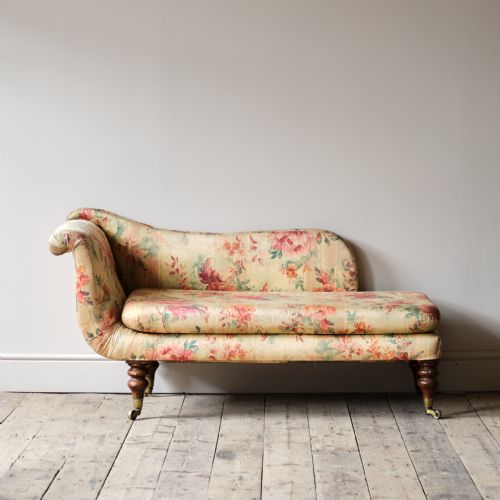
An antique floral chaise combines the traditional reclining daybed form with patterned fabric upholstery, spanning styles from the Regency period through to the late Victorian era. These pieces serve as both decorative seating and functional daybeds designed for lounging in a parlour or drawing room.
Buyers browsing this selection most frequently encounter Victorian examples featuring carved timber frames and patterned fabric covers, often dating from around eighteen-fifty to eighteen-eighty. The inventory includes daybeds, settees, and couches reflecting the cabinet-making standards of the nineteenth century.
Materials and construction
The structural frames rely on dense cabinet timbers such as mahogany, walnut, rosewood, and oak, frequently shaped with hand-carved details. These heavy woods provide the necessary stability for the elongated reclining structure.
Upholstery techniques of the period involve traditional stuffing methods finished with patterned fabric coverings, sometimes incorporating brass hardware and castors to facilitate movement across carpeted rooms.
Antique Floral Chaise Retail Price Guide 2026
Typical asking prices for floral chaise among the pieces listed under this phrase on Sellingantiques today, from the lower quarter to the upper quarter. They describe what is for sale here now, not the wider market.
Some nineteenth-century daybeds cleverly incorporated hidden box compartments beneath the seat, perfect for concealing embroidery hoops and reading spectacles.
Judging quality in a chaise
Quality rests upon the crispness of the timber carving and the architectural proportion of the scroll end, which dictates the silhouette. A superior piece displays fluent joinery and substantial timber selection rather than superficial decoration.
The integrity of the frame construction and the fidelity of the period upholstery finish separate standard workshop production from pieces produced by notable cabinet makers of the nineteenth century.
H. Goodall & Sons of Newcastle·Howard & Sons
The Antique Floral Chaise Glossary
- Daybed
- An upholstered piece of furniture functioning as both a sofa during the day and a bed for resting. The form dates back centuries in British interiors.
- Regency
- An architectural and decorative style spanning the early nineteenth century. Characterised by classical influences and refined cabinet-making.
- Victorian
- A period spanning the reign of Queen Victoria, marked by diverse revival styles and substantial timber furniture. Pieces from this era form the core of this selection.
- Upholstery
- The padded and fabric-covered components of seating furniture. In antique examples, this involves traditional internal webbing, springs, and stuffing.
Antique Floral Chaise: Frequently Asked Questions
How do I date an antique chaise?
Dating relies on identifying the underlying timber species, the carved decorative motifs, and the structural silhouette typical of periods like the Regency or Victorian eras. Cabinet-making techniques and secondary woods inside the frame also offer clues to the decade of manufacture.
Comparing the scroll end and leg turning against documented examples helps narrow down the precise production window within the nineteenth century.
Were these chaises used for sleeping?
These pieces were primarily designed for daytime lounging, reading, and receiving visitors in a formal drawing room rather than overnight sleeping. Their reclining shape allowed the occupant to rest in a semi-recumbent posture without retiring to the bedroom.
In grand nineteenth-century houses, they provided a comfortable resting spot in private withdrawing rooms and boudoirs.
How do I care for antique upholstery?
Preserving antique fabric requires regular gentle vacuuming with a soft brush attachment to remove dust without damaging the textile fibres. Keeping the piece away from direct sunlight prevents the floral patterns from fading over time.
Professional textile conservators should handle any deep cleaning or structural reupholstery to maintain the historic integrity of the piece.