


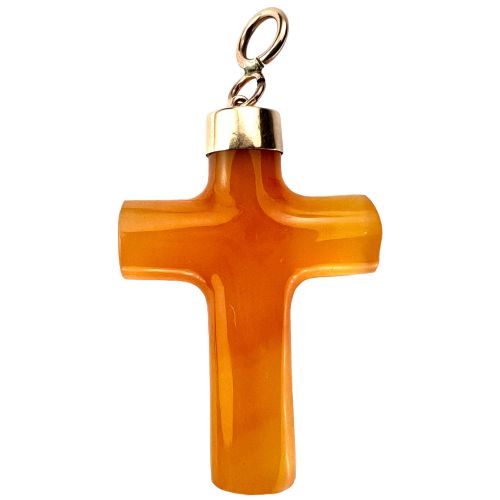


Victorian Carnelian Pendant
These Victorian carnelian pendant items bring rich banded quartz and warm gold tones together, offering a timeless piece of historical jewellery to wear today.
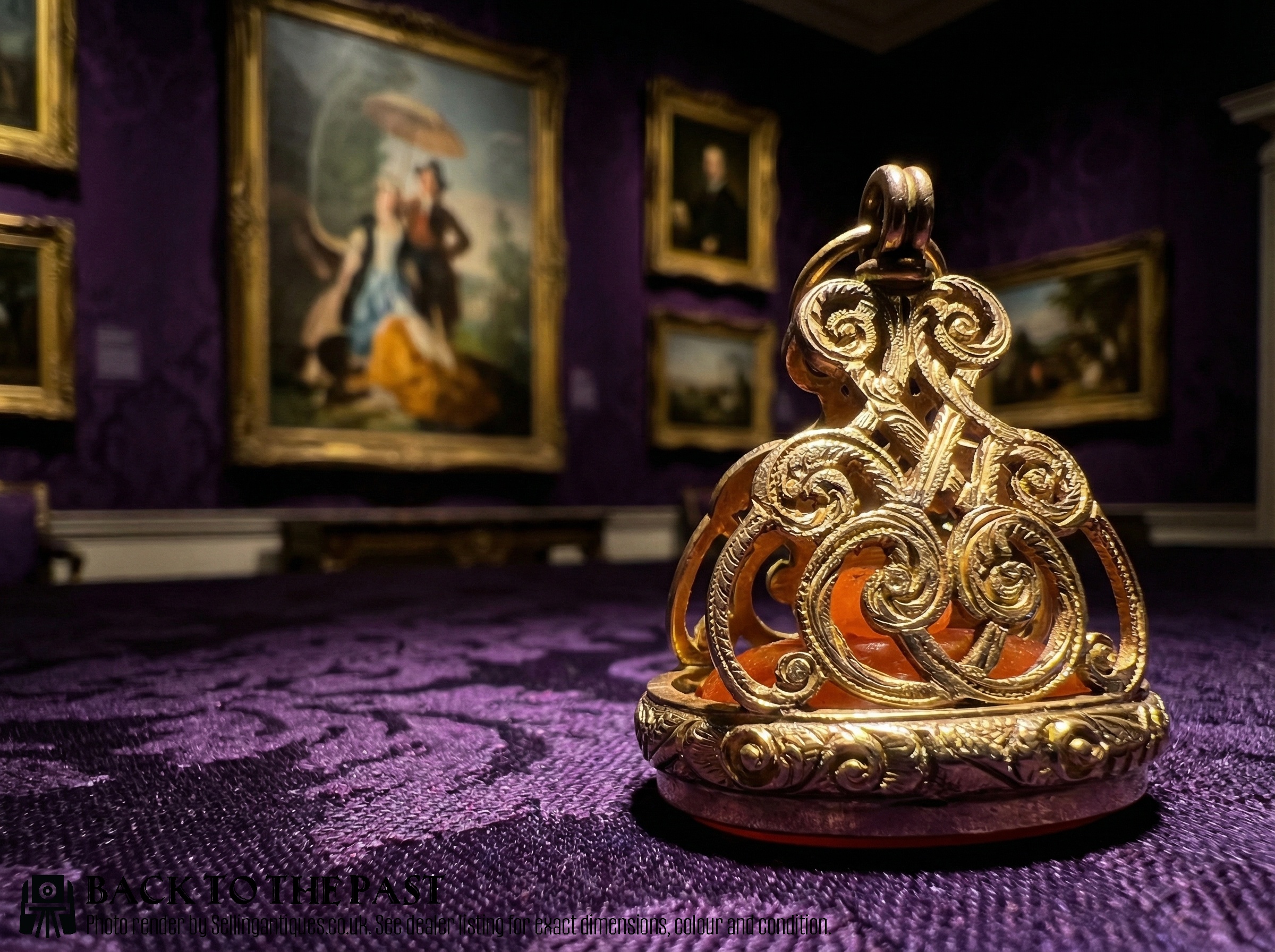
Victorian Carnelian Pendant
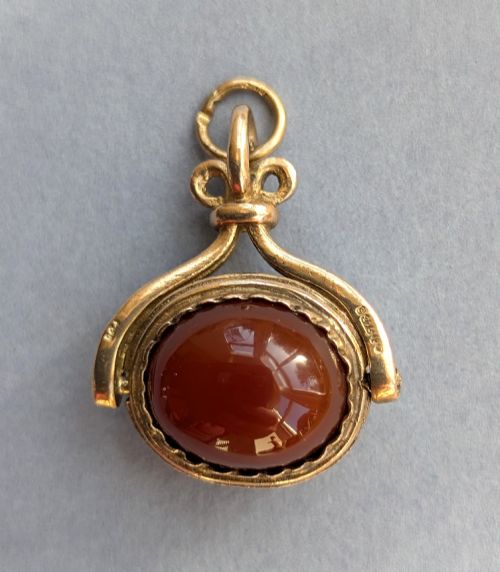
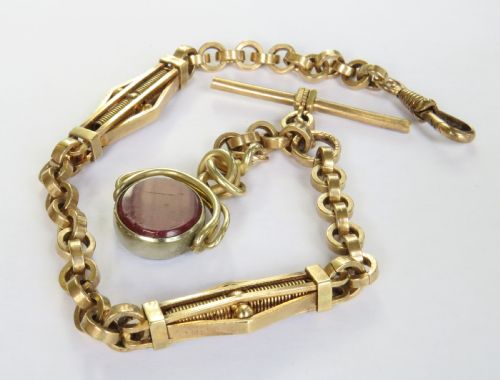
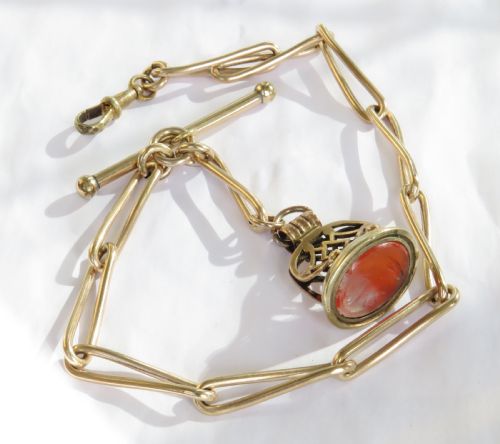
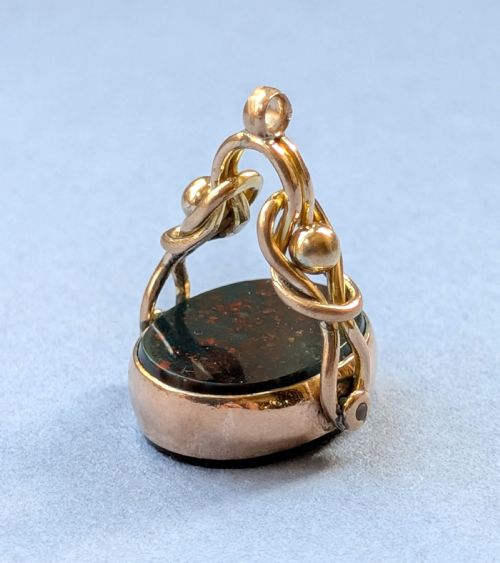
When you search for a victorian carnelian pendant, you encounter a selection of jewellery items primarily composed of pocket watch chain fobs, spinning fobs, and seal pendants set in gold. These pieces derive from the Victorian, Edwardian, and Georgian periods, alongside items from the nineteenth century and the 1920s.
Makers and past artisans fashioned these items to serve both functional roles as wax seals and decorative statements. The designs span simple polished stones to intaglios carved with Roman emperors and Greek figures.
How they were made
The construction of these pieces relies on precious metals such as nine-carat gold and rolled gold combined with hand-cut chalcedony varieties. Stones like carnelian and agate were sliced and polished to highlight their natural banded or uniform reddish-orange hues.
Intaglio designs were hand-engraved directly into the face of the carnelian to create reverse impressions for sealing wax documents. Metal mounts frequently feature detailed chasing and swivel mechanisms that allow spinning fobs to rotate between two different faces.
Victorian Carnelian Pendant Retail Price Guide 2026
Typical asking prices for victorian carnelian pendant among the pieces listed under this phrase on Sellingantiques today, from the lower quarter to the upper quarter. They describe what is for sale here now, not the wider market.
Listings feature items spanning the Georgian, Victorian, and Edwardian periods, alongside nineteenth-century pieces and twentieth-century examples up to the 1920s.
What varies in quality
Quality in these items rests upon the crispness of the stone carving and the weight of the gold used in the mount. Finely detailed intaglios depicting figures show superior handwork compared to plain polished stones.
The structural integrity of the swivel mechanism and the depth of the metalwork also distinguish finer examples. Solid nine-carat gold pieces represent a higher standard than rolled gold or gilt metal alternatives.
The Victorian Carnelian Pendant Glossary
- Carnelian
- A brownish-red variety of the silica mineral chalcedony used widely for jewellery and seals. Its warm colour made it a favourite for Victorian rings and fobs.
- Fob seal
- A small pendant designed to hang from a pocket watch ribbon or chain, featuring a hardstone base engraved with a crest or intaglio. They were pressed into hot sealing wax to secure letters.
- Intaglio
- A design carved into the surface of a gemstone so that the impression produced in relief is a miniature in the round. Ancient and revival motifs were popular choices.
- Spinning fob
- A rotating pendant mounted within a metal frame, often holding two different stones or a stone on one side and a blank shield on the other. This allowed the wearer to choose which face was displayed.
- Rolled gold
- A manufacturing technique where a thin sheet of gold is mechanically bonded to a base metal core. It provided the appearance of solid gold at a lower cost.
Victorian Carnelian Pendant: Frequently Asked Questions
How do I date a Victorian pendant?
Dating these items involves examining the hallmark stamps on the gold mounts, the style of the stone cutting, and the overall construction methods. Pieces from the Victorian era often display distinct metal colours and hand-engraved details.
Comparative analysis with documented archive pieces helps narrow down the decade of manufacture. Consulting the specific materials used also provides chronological clues.
Can I wear a fob pendant on a chain?
You can easily suspend these fobs from a modern or antique neck chain using the existing jump ring or swivel loop. Their compact size makes them well-suited for everyday wear as a pendant.
Ensure the suspension loop is secure before wearing it on a neck chain. Many buyers pair them with gold chains that match the tone of the mount.
What is the difference between carnelian and agate?
Carnelian is a solid reddish-orange variety of chalcedony, whereas agate typically displays distinct bands of multiple colours. Both stones belong to the same mineral family and share similar hardness properties.
Victorian jewellers frequently used both materials interchangeably within the same spinning fob or seal design. Some stones even exhibit characteristics of both.
How should I clean my gold seal pendant?
Cleaning requires a soft cloth and warm soapy water to remove accumulated dust from the intricate gold crevices and stone setting. Avoid harsh chemical dips, as they can damage antique metals and softer alloy mounts.
Take care around the engraved intaglio face to preserve the original polish of the carnelian. Professional ultrasonic cleaning is generally discouraged for antique jewellery with glued or sealed components.