



Victorian Canopy Bedstead
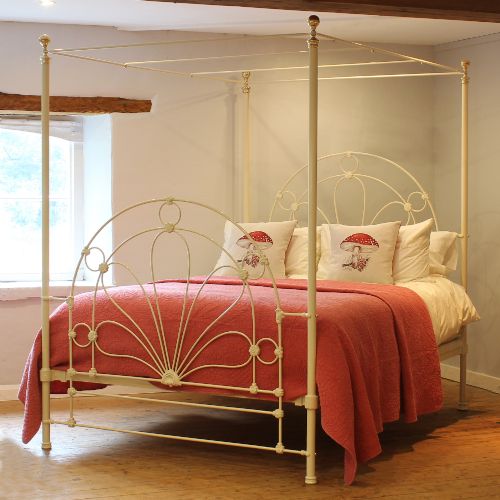
A victorian canopy bedstead brings grand architecture and striking metalwork into the bedroom, offering a commanding focal point built to last.
Victorian Canopy Bedstead
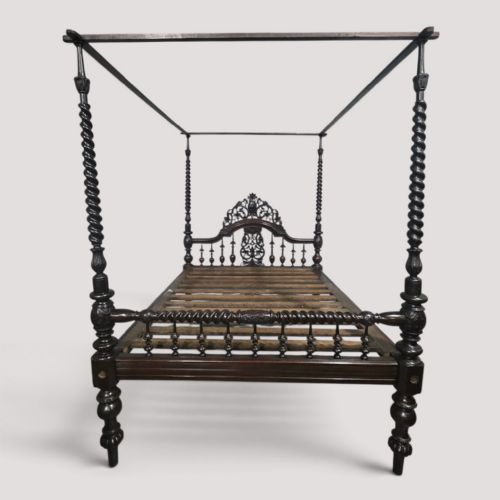
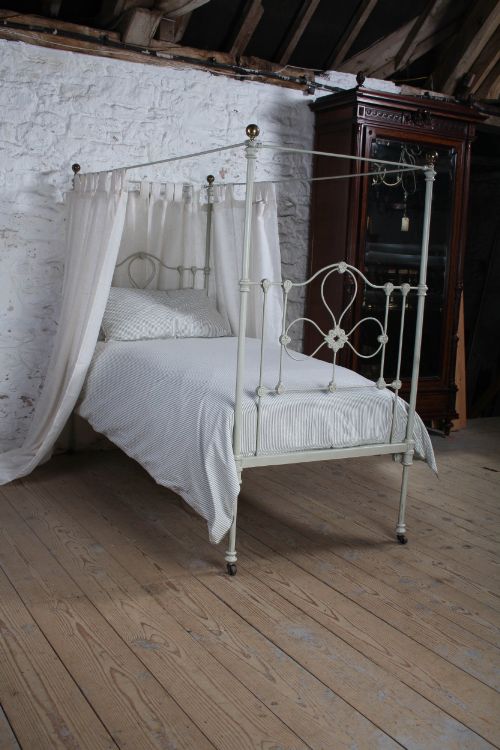
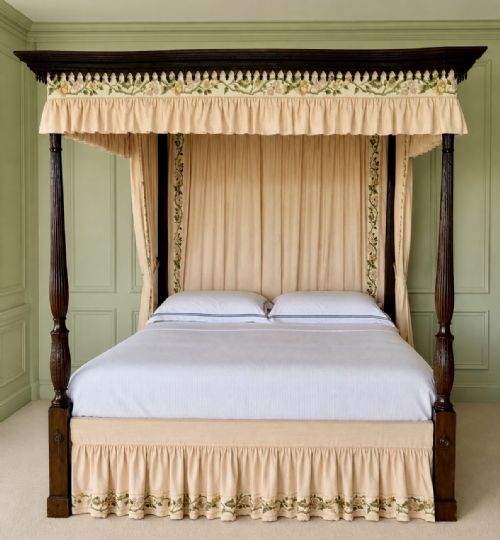
When you search for a victorian canopy bedstead, you encounter substantial sleeping furniture designed to anchor a principal bedroom with architectural presence. The selection spans grand four poster frames and half tester designs that project a strong visual weight.
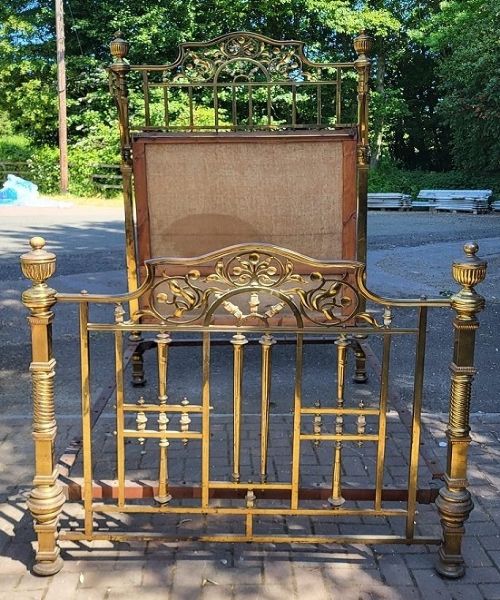
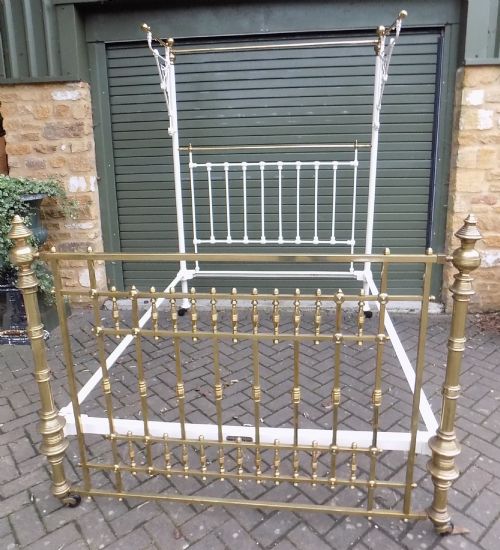
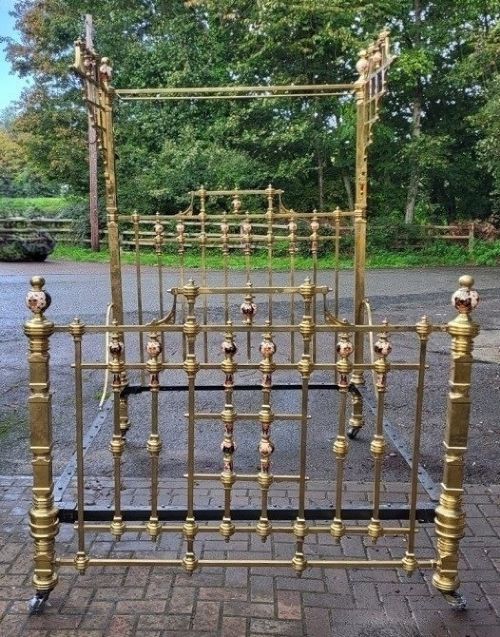
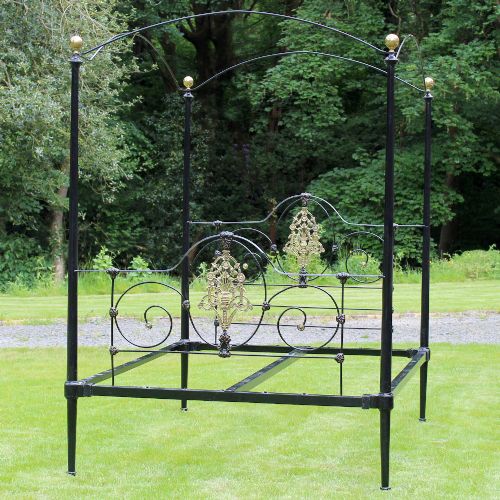
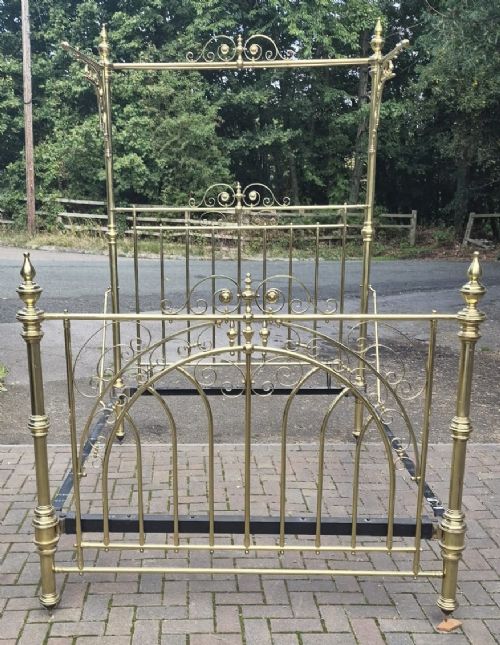
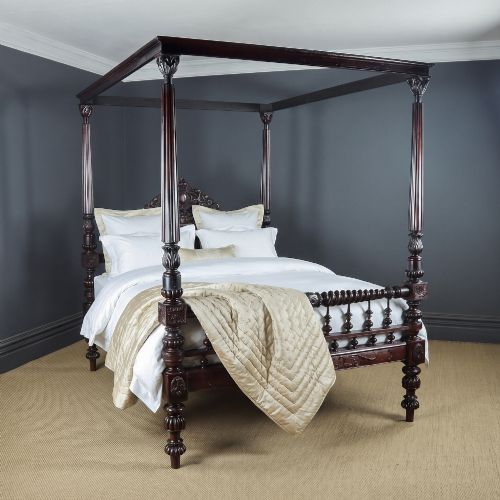
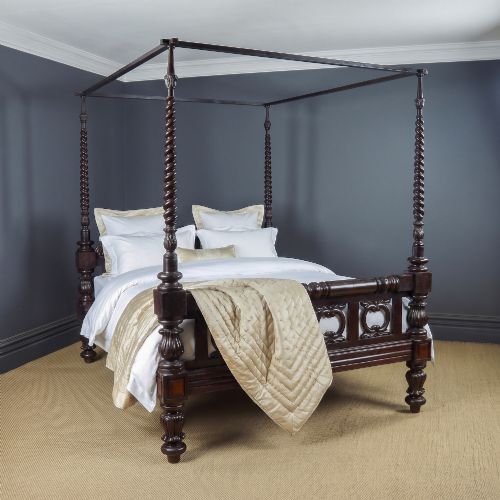
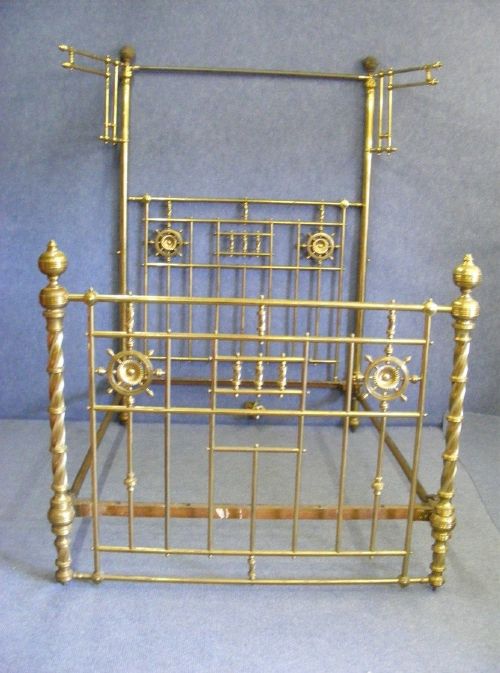
The version you are most likely to meet on this page is the half tester bedstead, often rendered in gleaming brass or polished mahogany. These pieces combine vertical wooden or metal posts with a projecting canopy over the head of the mattress.
Dating primarily from the nineteenth century, these pieces reflect diverse stylistic influences from gothic revivals to colonial Anglo-Indian workshops. Examples appear in various dimensions, including king size and double proportions, suited to modern domestic spaces.
Materials and construction methods
Makers utilised heavy timbers such as mahogany, oak, and burr walnut alongside robust metals like cast iron and solid brass. These materials provided the structural integrity necessary to support heavy tester frames and draped fabrics.
Metal bedstead production involved advanced casting techniques for brass components, often featuring intricate joints and decorative finials. Wooden frames relied on traditional joinery to secure substantial posts and panelled headboards.
Victorian Canopy Bedstead Retail Price Guide 2026
Typical asking prices for victorian canopy bedstead among the pieces listed under this phrase on Sellingantiques today, from the lower quarter to the upper quarter. They describe what is for sale here now, not the wider market.
One exceptional brass frame was built specifically for the Prince of the Ottoman Empire during the early nineteenth century.
Evaluating craftsmanship and detail
The standard of a victorian canopy bedstead rests upon the weight of its metal components and the richness of its timber selection. Exhibition quality pieces demonstrate superior casting finish, intricate brass ornamentation, and finely figured mahogany veneers.
Construction robustness dictates longevity, distinguishing standard commercial output from workshop creations designed for prominent clients. Maker attribution and documented provenance elevate specific examples significantly above standard production pieces.
Howard And Sons·R W Winfield
The Victorian Canopy Bedstead Glossary
- Half tester
- A bedstead featuring a canopy that extends only partway over the head of the bed rather than spanning the full length. This configuration became popular in the nineteenth century for improving ventilation while maintaining grandeur.
- Four poster bed
- A bed with four vertical posts supporting an upper rectangular frame, known as a tester. The framework often held curtains to retain warmth and provide privacy.
- Tester
- The flat canopy or sounding board suspended over a bedstead. It is frequently panelled, fabric-lined, or moulded to match the architectural style of the bed.
- Anglo-Indian
- A descriptive term for furniture made in India by local craftsmen using British forms and indigenous hardwoods like teak and mahogany. These pieces often feature deep carving and colonial proportions.
- Finial
- A decorative terminal ornament placed on the top corners or posts of a bedstead. They add height and stylistic punctuation to the silhouette.
Victorian Canopy Bedstead: Frequently Asked Questions
What is a half tester bed?
A half tester bed is a distinctive nineteenth-century sleeping frame where the overhead canopy projects only over the head portion of the mattress. This design creates a commanding focal point while allowing more ambient light into the room than a full tester.
These pieces typically feature substantial brass framework or carved mahogany posts. They combine the architectural dignity of a larger canopy bed with a slightly more open profile.
Will a antique bed fit modern mattresses?
Many nineteenth-century bedframes were built to nineteenth-century dimensions which often differ slightly from modern standard sizes. King size and double options appear frequently, though minor adjustments to internal slats or supports may be necessary for contemporary mattress compatibility.
Checking the internal dimensions listed for each bedstead ensures proper alignment with your existing mattress. Professional suppliers often assist with fitting modern bases securely inside antique frames.
How do I care for brass bed frames?
Solid brass and cast iron components require gentle dusting and occasional cleaning with appropriate metal care products to maintain their finish. Avoiding harsh chemical polishes preserves the natural patination accumulated over the decades.
Wooden elements such as mahogany and burr walnut benefit from periodic waxing to nourish the grain. Maintaining stable room humidity prevents timber movement and protects structural joints.
Are these beds easy to dismantle?
Most antique metal and wooden bedsteads utilise bolt-together construction systems designed for straightforward transport and assembly. Component parts separate into headboards, footboards, side rails, and canopy frames.
Enlisting professional installation help is advisable due to the considerable weight of solid brass and dense hardwoods. Careful handling during assembly ensures the historic joints remain undamaged.