


Victorian Cane
When you search for a Victorian cane, you encounter gentleman's walking sticks with hidden blades, silver mounts and horn handles alongside practical hall stands and seated furniture.
Victorian Cane
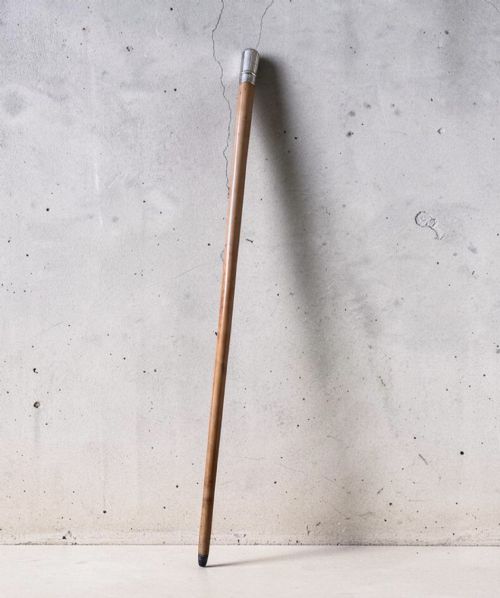
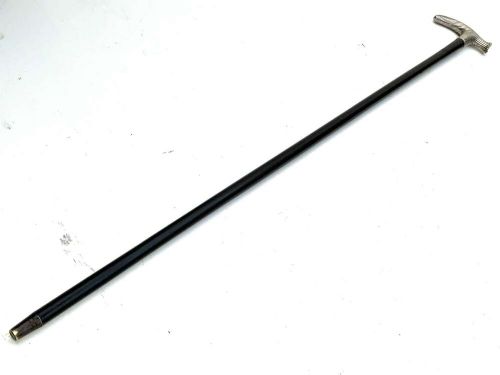
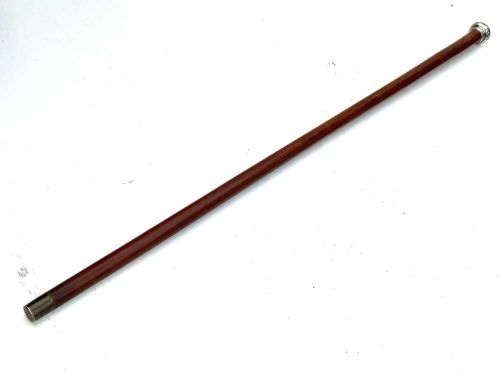
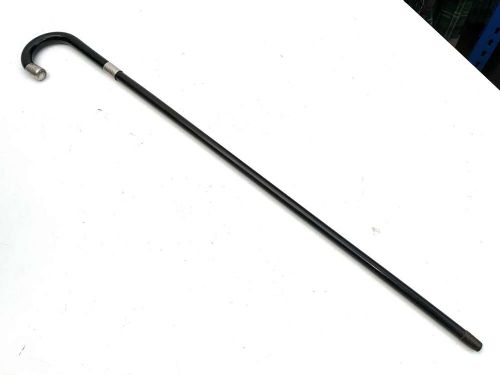
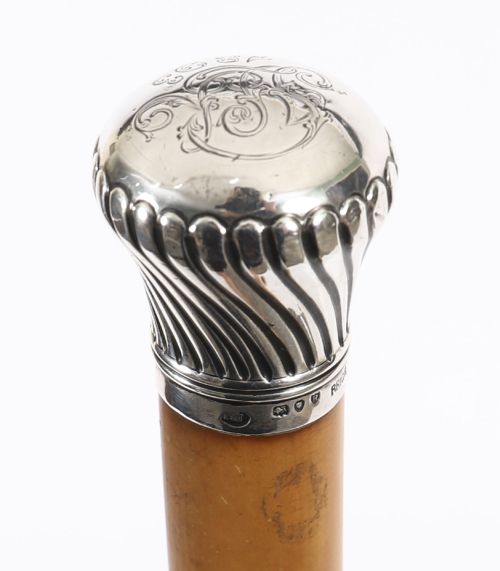
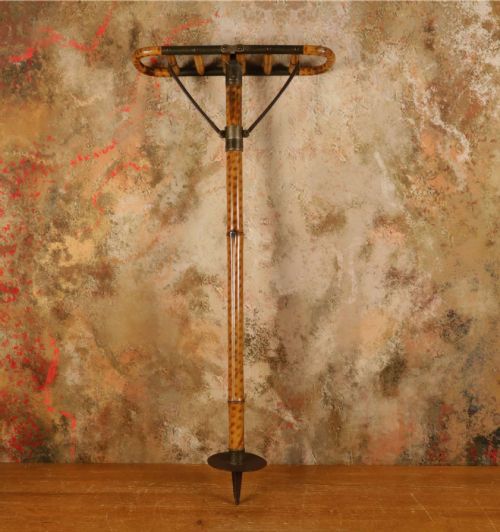
A victorian cane encompasses both personal walking aids and the robust umbrella stands designed to hold them in period hallways. The walking sticks range from simple bamboo shooting sticks with folding seats to sophisticated gentleman's sword sticks concealing hidden blades.
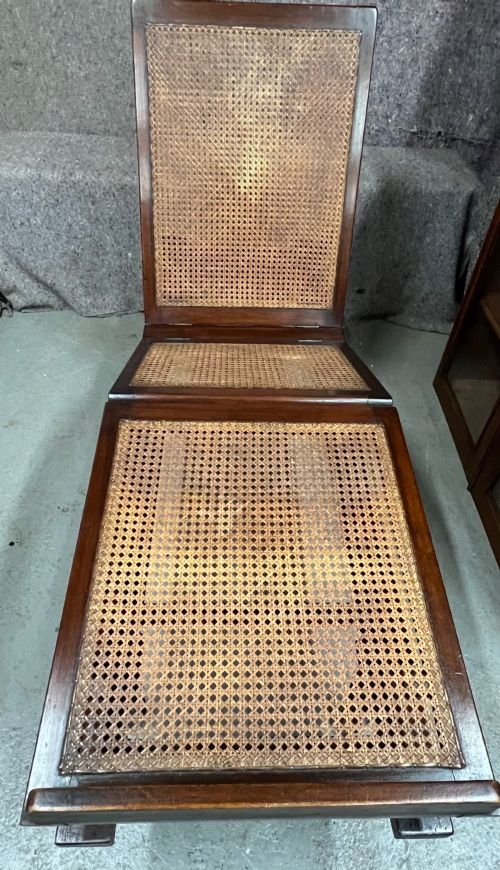
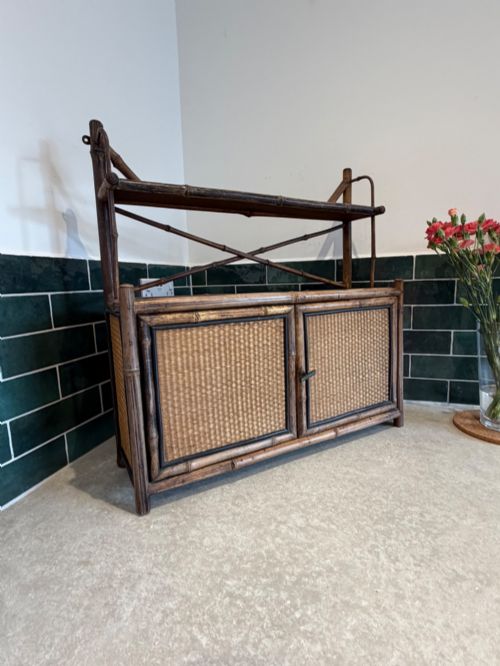
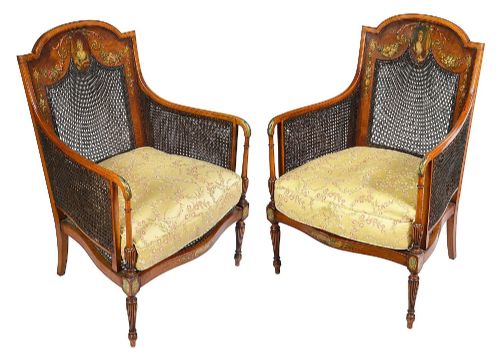
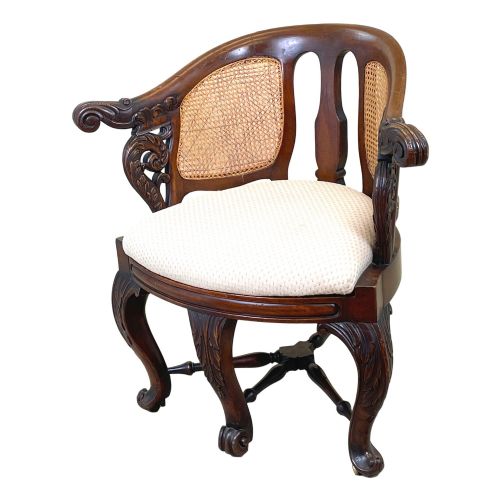
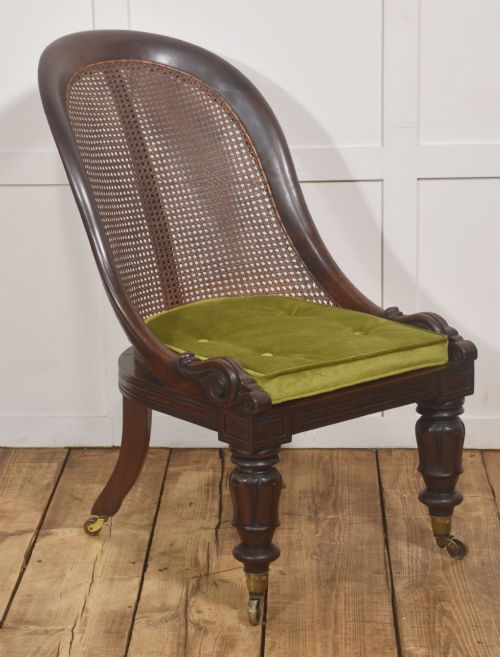
Beyond portable items, the term extends to seating furniture incorporating cane or wicker work, such as mahogany bergere armchairs and slipper chairs. These pieces stretch from the mid-nineteenth century through the Edwardian era, reflecting both utilitarian function and aesthetic movement design.
Materials and construction
Makers utilised a mixture of natural materials including cane, bamboo, wicker, rattan, malacca and various woods such as mahogany, satinwood, walnut and oak. Metal components incorporate brass frames, cast iron bases, steel blades, iron fittings and silver or gold pommels.
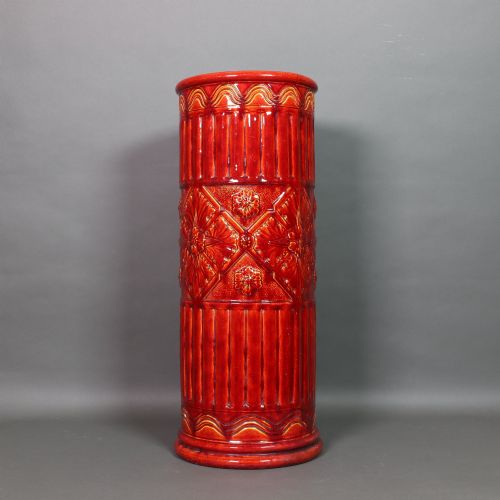
Construction techniques combine traditional coopered woodwork and turned framing with specialist metalworking for sword sticks, collapsible seats and weighted umbrella stands. Ceramic elements also appear via faience and Iznik-revival pottery inserts in hall stands.
Victorian Cane Retail Price Guide 2026
Typical asking prices for victorian cane among the pieces listed under this phrase on Sellingantiques today, from the lower quarter to the upper quarter. They describe what is for sale here now, not the wider market.
Distinctions in quality
Quality rests on the integrity of the materials and the precision of the mechanics, from the tight fit of a sword stick blade within its shaft to the solid weight of a cast iron umbrella stand base. Signed silver or gold mounts and named blades elevate individual pieces significantly.
The refinement of the carving and turning separates standard utility items from high-design pieces associated with specific aesthetic movement workshops or makers like Thomas Johnson and E.W Godwin.
Thomas Johnson·Briggs·Wilkinson·E.W Godwin·Burmantofts Faience·Théodore Deck
The Victorian Cane Glossary
- Bergere
- A type of enclosed upholstered armchair with cane work panels on the back and sides. This French-derived style appears frequently in nineteenth century mahogany and satinwood library seating.
- Sword stick
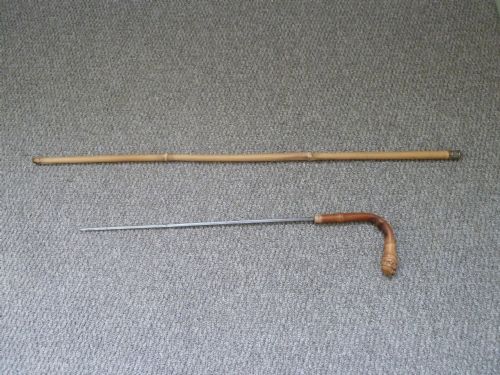
- A walking cane containing a concealed metal blade accessed via a screw or release mechanism. These items often feature horn handles or metal pommels.
- Shooting stick
- A portable gentleman's walking cane equipped with a folding seat for outdoor events. It combines a rigid shaft with a collapsible metal and leather or fabric perch.
- Stick stand
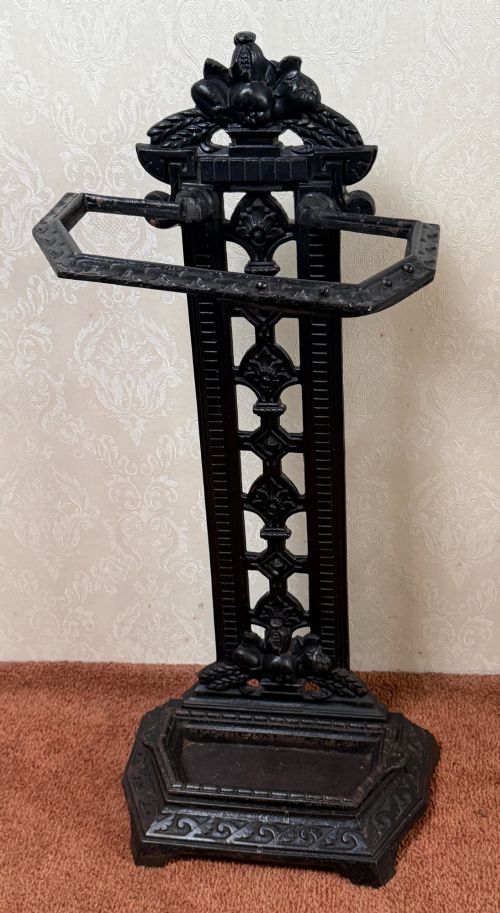
- A hall furnishing made from cast iron, brass, oak or pottery designed to hold umbrellas and walking sticks upright. Examples range from simple brass loops to heavy Victorian cast iron frames.
- Pommel
- The rounded knob or handle at the top of a walking cane. These are often rendered in sterling silver, gold or carved horn.
Victorian Cane: Frequently Asked Questions
What is a sword stick?
A sword stick is a functional walking cane that conceals a steel blade inside the wooden or bamboo shaft. They were carried by gentlemen for personal defence during the nineteenth and early twentieth centuries.
Most examples secure the blade with a threaded screw or a latch mechanism in the handle. The handles themselves are frequently fashioned from horn, silver or gold.
Where were stick stands placed?
Stick stands and umbrella stands were positioned in the reception hall or entranceway of a home. They provided a designated place for guests and family members to store wet umbrellas and walking canes upon entry.
Because they lived in damp entryways, they were typically constructed from durable materials like cast iron, brass, oak or glazed pottery to withstand moisture.
What is cane furniture?
Cane furniture incorporates woven rattan or cane strips into the seats and backs of chairs and other pieces. This technique creates a resilient, breathable surface that requires less heavy upholstery than solid-backed designs.
It appears on Victorian library chairs, bergere armchairs, slipper chairs and campaign seating. The woven panels are typically laced through holes drilled in the wooden frame.