


Victorian Candle Branch
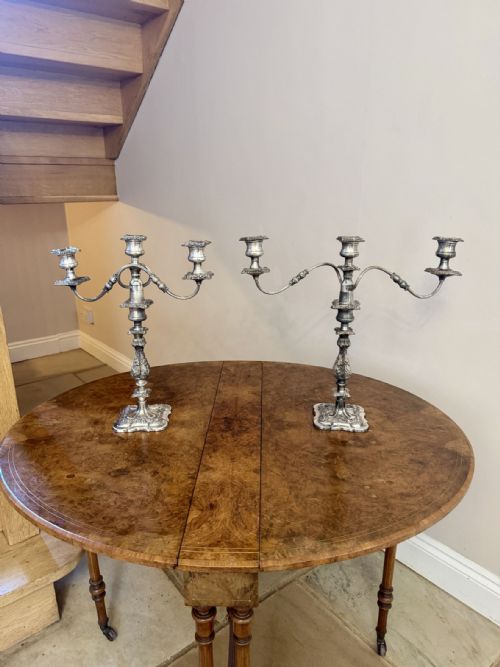
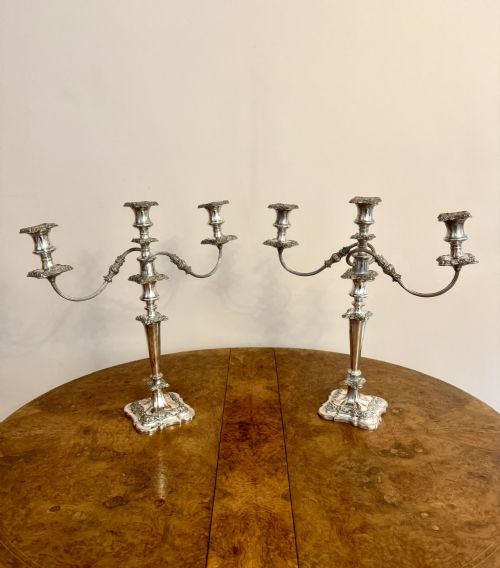
A victorian candle branch brings heavy metal, glass, and polished timber together to light dining tables and walls with period presence.
Victorian Candle Branch
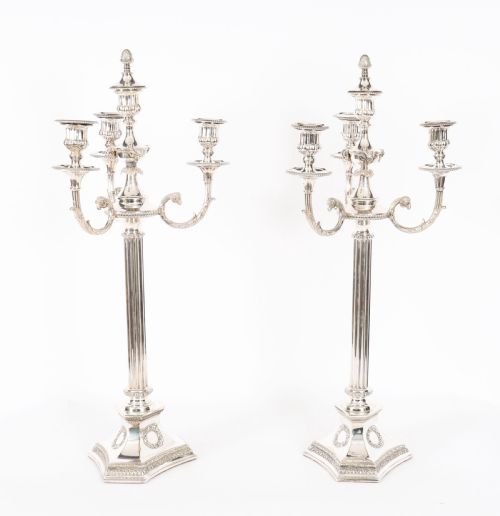
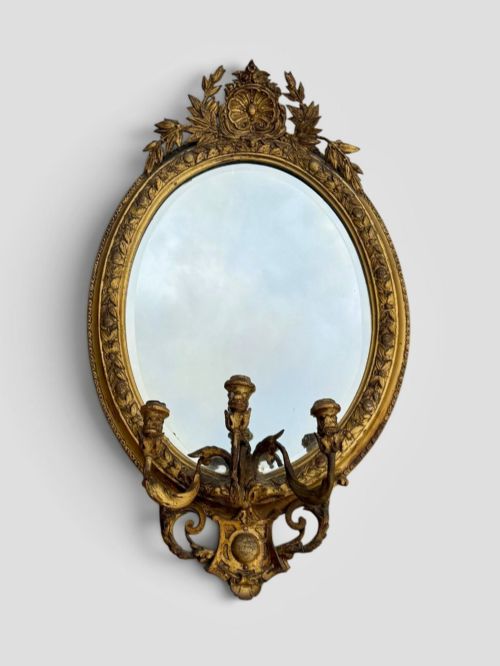
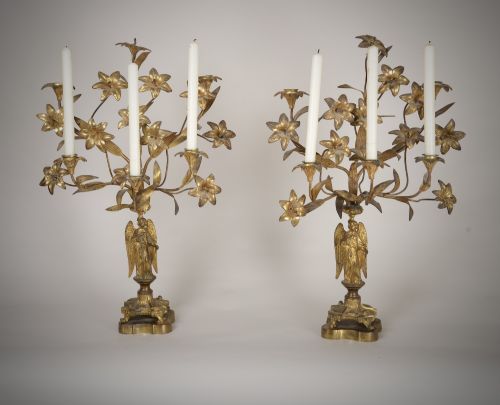
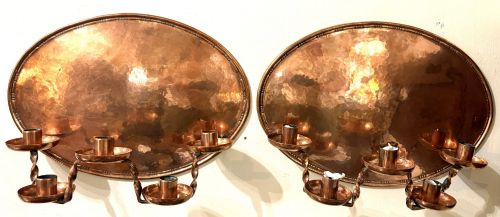
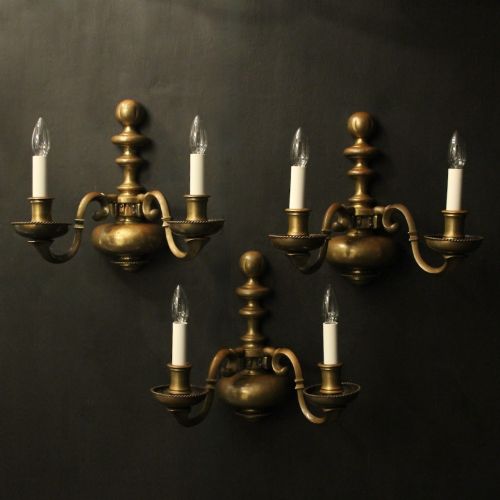
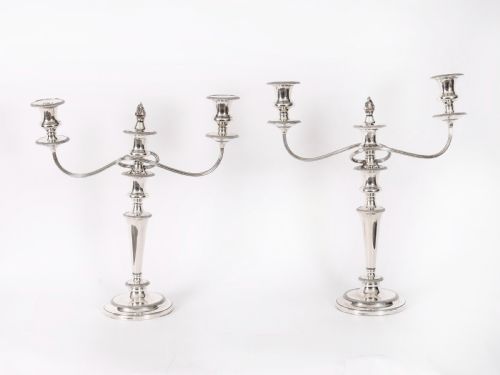
A victorian candle branch encompasses a wide range of lighting forms, from multi-light table candelabras and twin-arm candlesticks to wall-mounted sconces and girandole mirrors. Pieces appear in brass, silver plate, ormolu, bronze, and giltwood, reflecting the diverse domestic interiors of the nineteenth century.
Makers and workshops across England, France, and Italy produced these branches, utilising styles that range from restrained Gothic revival and Arts and Crafts copper to elaborate Rococo revival and French Chateau ornamentation. Table centrepieces often incorporate detachable sconces and dish components for versatile dining use.
Buyers most frequently encounter silver plated or polished brass multi-branch fixtures dated between the eighteen-sixties and eighteen-nineties. These items demonstrate the heavy casting and detailed figural work typical of nineteenth-century metalwork.
Materials and Construction Methods
Foundries and silversmiths constructed these branches using robust base metals like brass, bronze, and spelter, often applying a layer of silver plate or mercury gilding for a bright finish. Cast components were frequently chased by hand to sharpen foliage, scrolls, and figural details.
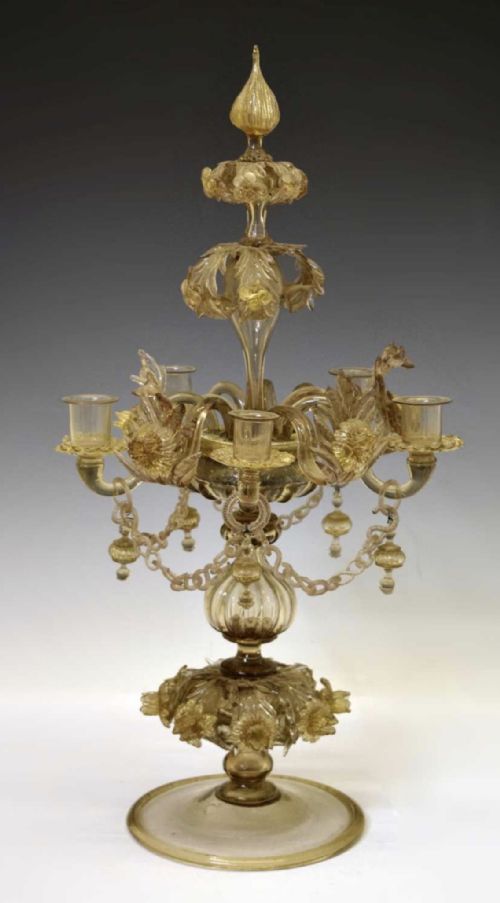
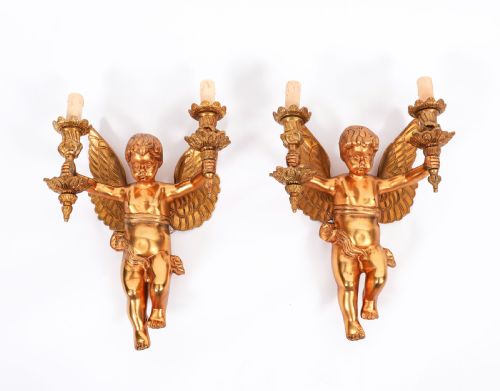
Combinations of contrasting materials appear across many pieces, pairing green or white marble bases with patinated ormolu, or mounting gilt and gesso mirror frames with projecting candle arms. Glass elements, including Murano arms or cut-glass drops, add reflective brilliance to the lighting design.
Several pieces incorporate cheerful cherubs and palm tree dishes right beside solemn Gothic revival spires.
Standards of Execution and Finish
Quality separates simple cast production from pieces with crisp, deep relief work where human figures, cherubs, or acanthus leaves retain sharp definition. The thickness of silver plate and the weight of the underlying brass or bronze dictate durability and visual substance.
Integrity of construction matters greatly, particularly in multi-branch candelabras where arms screw or slot securely into central columns without wobble. Original components, matching sconces, and unpolished patination preserve the integrity prized by collectors.
Garrard & Co·Wm Tonks & Sons·Hawksworth Eyre & Co
The Victorian Candle Branch Glossary
- Candelabra
- A branched lighting fixture designed to hold multiple candles simultaneously. These items often feature a central column with detachable arms.
- Girandole
- An ornamental wall mirror fitted with one or more candle branches attached to the frame. The reflective glass serves to multiply the light in a room.
- Ormolu
- Finely ground high-carat gold applied to a bronze base using a mercury amalgamation process. This technique creates a rich, durable metallic golden surface.
- Sconce
- A wall-mounted lighting bracket designed to carry candles or lamps. They are secured directly to vertical surfaces.
- Spelter
- A zinc alloy used as a cheaper alternative to bronze for sculptural castings. It is frequently bronzed or painted to simulate heavier metals.
- Sheffield Plate
- An early method of fusing a thin sheet of sterling silver onto a copper base. Pieces made this way show copper bleed-through where the silver layer has worn thin.
Victorian Candle Branch: Frequently Asked Questions
What is a victorian candle branch?
A victorian candle branch is a lighting fixture designed to hold multiple candles, produced during the nineteenth century in forms such as table candelabras, wall sconces, and girandole mirrors.
These pieces utilise materials including silver plate, brass, ormolu, and carved wood to provide functional domestic illumination.
How were these candle branches used?
These fixtures served to illuminate dining tables, formal drawing rooms, and hallways during the nineteenth century. Multi-light candelabras often functioned as dining table centrepieces.
Wall-mounted versions and girandole mirrors were positioned near seating areas or reflective surfaces to maximise ambient light.
How do I care for silver plated branches?
Silver plated items require gentle cleaning with a soft cloth and proprietary silver polish to maintain the finish without wearing through the thin metal layer to the underlying copper base.
Avoid harsh abrasives and liquid dips that strip historical patination and damage soldered joints.
How can I tell different revival styles apart?
Gothic revival pieces feature pointed arches, quatrefoils, and heavy structural lines, whereas Rococo revival examples display asymmetric scrolls, foliage, and naturalistic cherub figures.
Neoclassical designs draw on classical architectural motifs like columns and urns, while Arts and Crafts items emphasise hand-beaten copper and plain construction.