

Victorian Buttoned Library Chair
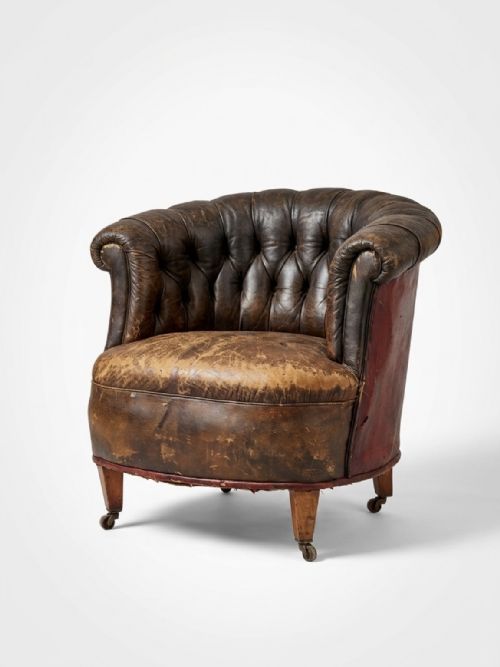
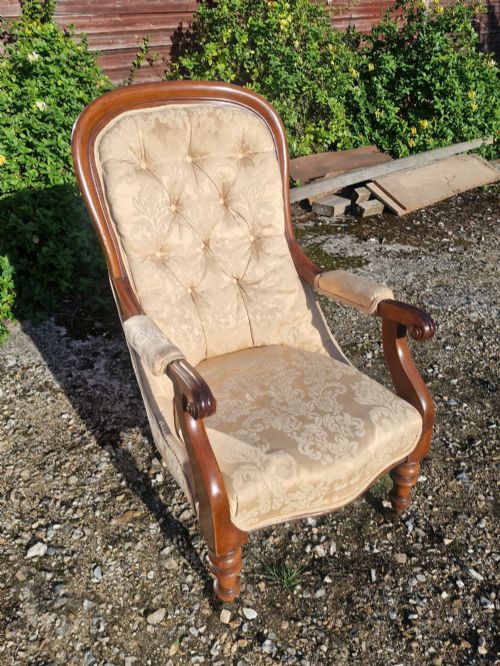
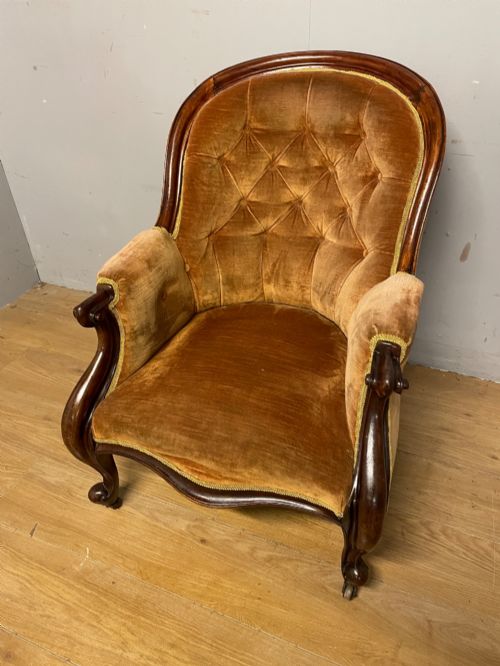
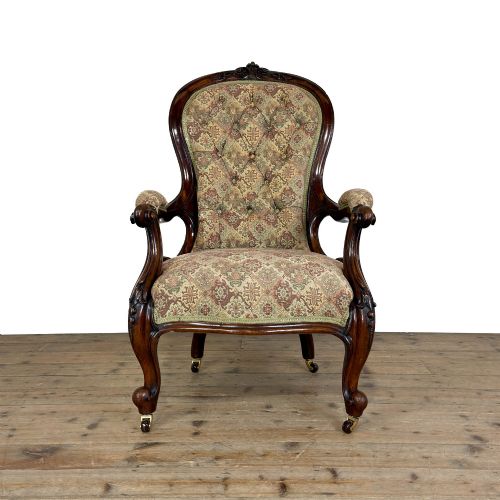
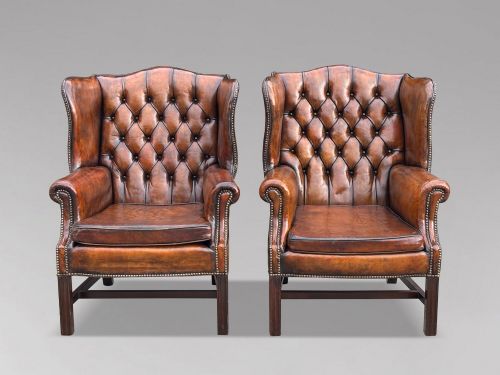
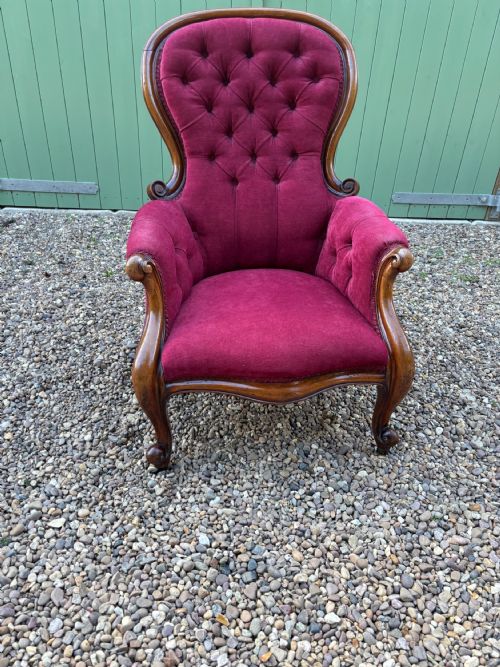
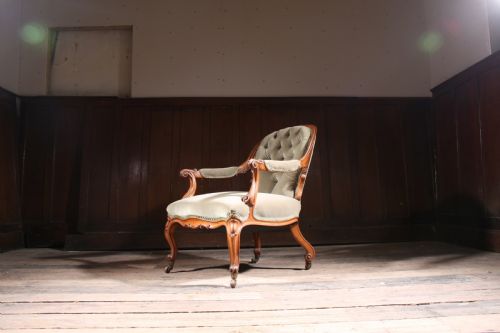
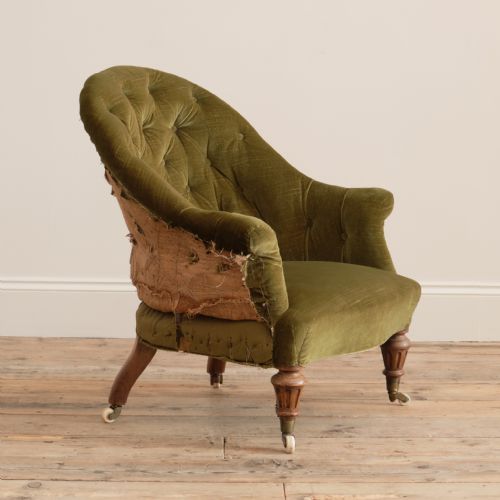
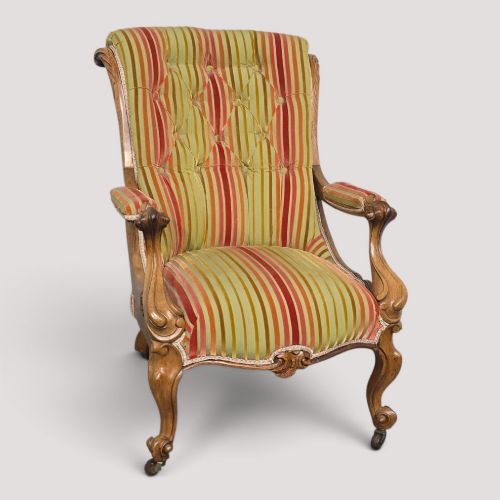
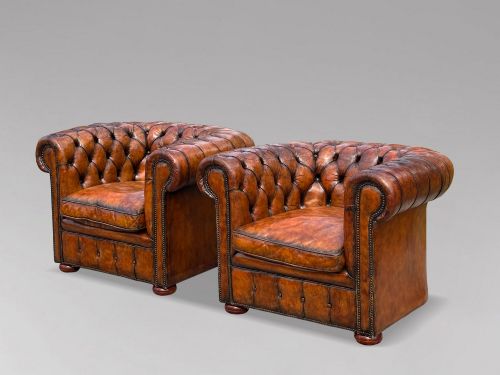
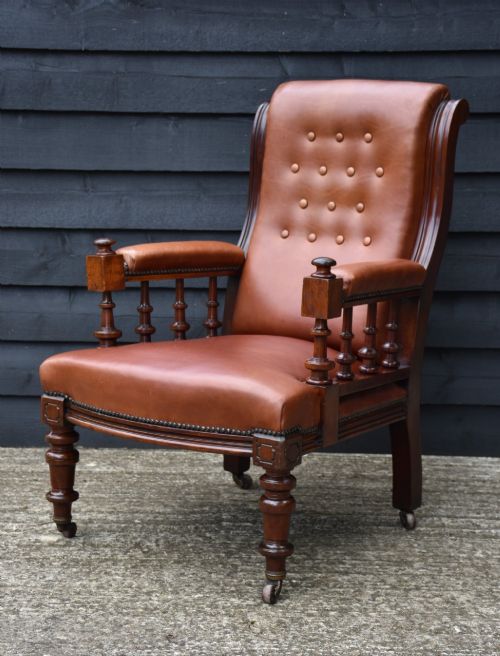
A victorian buttoned library chair offers deep-seated comfort paired with buttoned upholstery, making it the quintessential seat for study or fireside repose.
Victorian Buttoned Library Chair
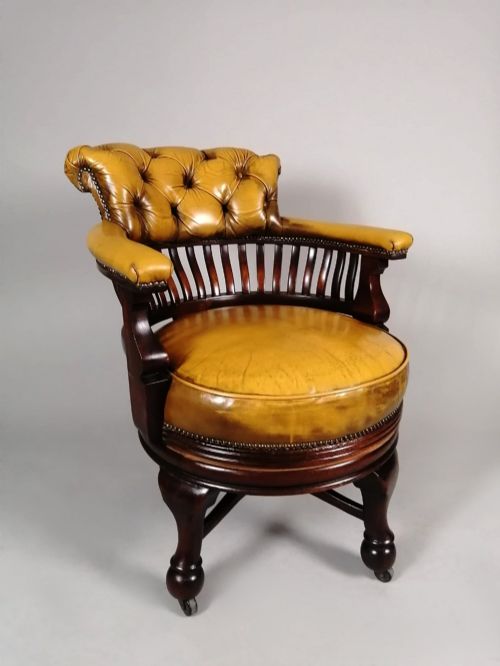
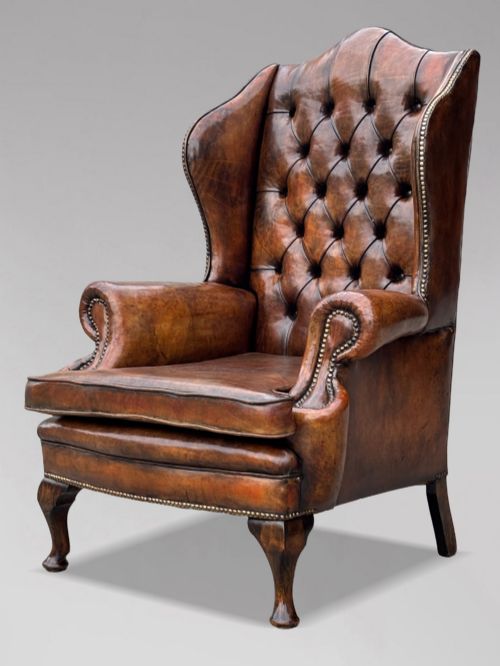
A victorian buttoned library chair is a sturdy, upholstered seating option designed for prolonged periods of reading and writing in studies, libraries, and country houses. These pieces typically take the form of armchairs, desk chairs, and wing chairs built to accommodate the user in structured comfort.
The pieces appearing in this selection span the nineteenth century, including specific periods like early Victorian, mid-Victorian, and late Victorian, alongside Regency and William IV iterations. Makers and styles such as Howard & Sons, Gillows, and Victorian Rococo Revival also emerge within the broader category.
Materials and construction methods
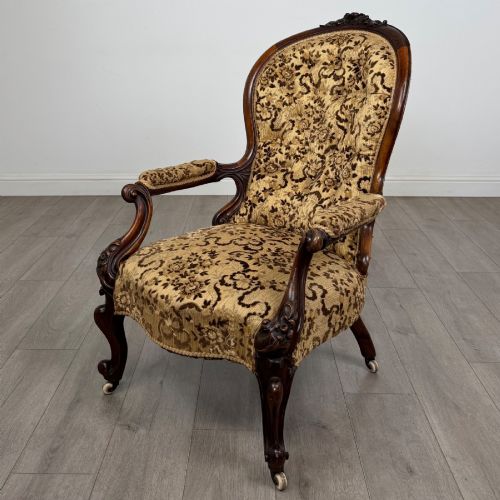
Makers utilised solid timbers such as mahogany, walnut, and oak to construct the foundational frames of these chairs, ensuring durability through substantial weight and carved detailing. Brass fittings frequently appear on castors and reading stands, adding metallic contrast to the timber and leather.
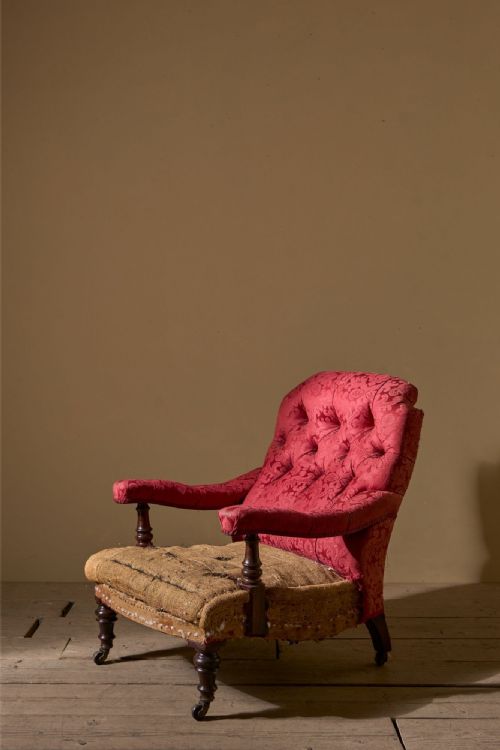
Upholstery relies on traditional stuffing secured with hessian webbing, over which leather hide, velvet, or fabric is tightly stretched and secured with deep buttoning. This tufting technique pulls the fabric inward to create padded indentations that hold their shape over decades of use.
Several reading chairs include built-in stands, proving that nineteenth-century scholars took their multi-volume snacking and reading very seriously indeed.
Distinctions in grade and execution
The calibre of a piece rests heavily on the integrity of the timber frame and the depth of hand-carving applied to mahogany or walnut surfaces. Finer examples display crisp mouldings and robust structural joinery that withstands heavy daily use without shifting.
Leather quality and the precision of the buttoning dictate the upper tiers of the selection, where hides retain a supple texture and evenly spaced tufts. Pieces bearing stamps or attribution to notable workshops like Howard & Sons or Gillows demonstrate superior cabinet-making pedigree.
Gillows·Howard & Sons·C. Hindley & Sons·Holland & Sons
The Victorian Buttoned Library Chair Glossary
- Buttoned
- Upholstery technique where tufts are pulled tight and secured with buttons, creating a diamond pattern of indentations. This method keeps internal stuffing firmly distributed.
- Bergère
- An enclosed upholstered armchair with wooden framing and cane or upholstered sides. It provides a formal yet comfortable seat for drawing rooms and libraries.
- Wing armchair
- A high-backed chair featuring projecting side panels designed to shield the occupant from drafts. These wings transition downwards into padded armrests.
- Revolving desk chair
- A swivelling seat designed for office and library use, often mounted on a central wooden pillar with brass castors. It allows movement between desk and shelves.
Victorian Buttoned Library Chair: Frequently Asked Questions
What defines a library chair?
A library chair is built for prolonged seated work, featuring supportive armrests and a sturdy wooden frame designed for reading or desk tasks.
These chairs often utilise leather upholstery and heavy timber construction to endure daily use in private studies and institutional libraries.
How do I care for leather upholstery?
Leather requires regular dusting and occasional treatment with appropriate conditioning balms to prevent drying and cracking over time.
Keeping the hide away from direct sunlight and heat sources preserves the suppleness and rich colour of the original material.
Where were these chairs used?
They originated in the studies, libraries, and drawing rooms of grand English country houses and town residences during the nineteenth century.
Owners positioned them near writing desks, fireplaces, or reading stands to facilitate comfortable study and quiet contemplation.
How do I identify a Victorian piece?
Victorian furniture is identified through specific timber choices like mahogany and walnut, alongside characteristic revival styles and robust joinery.
Examining the underside for maker stamps, construction methods, and hardware such as brass castors helps confirm the nineteenth-century origin.