

Victorian Buttoned Back Couch
A victorian buttoned back couch brings deep upholstery and rich timber frames into a room, offering both formal structure and deep seated comfort.
Victorian Buttoned Back Couch
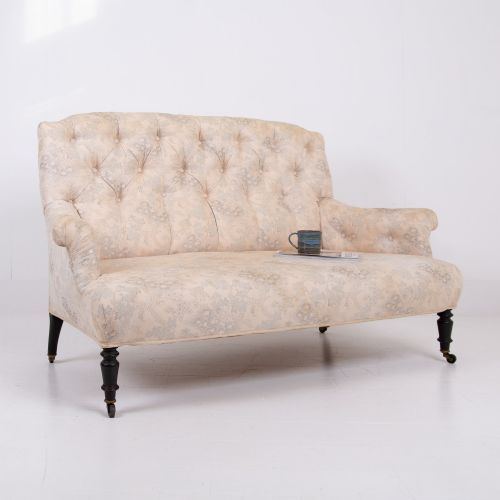
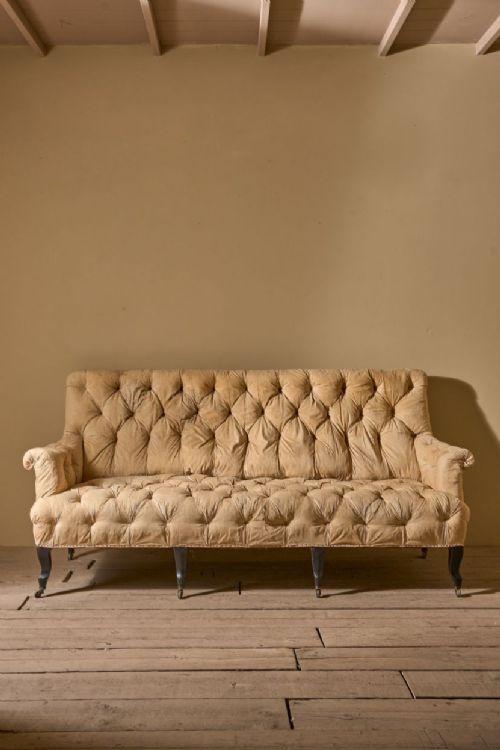
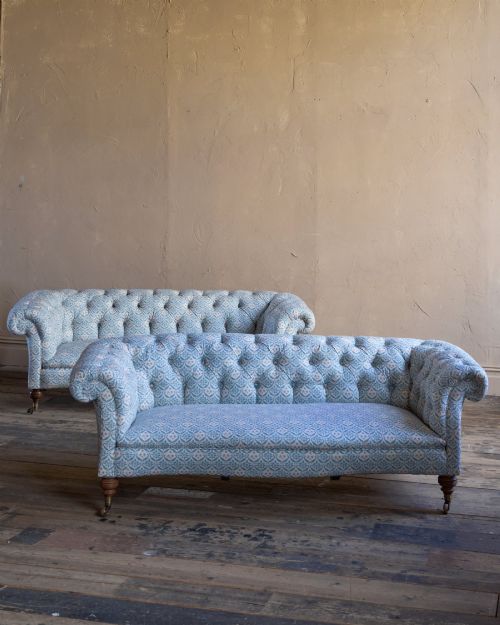
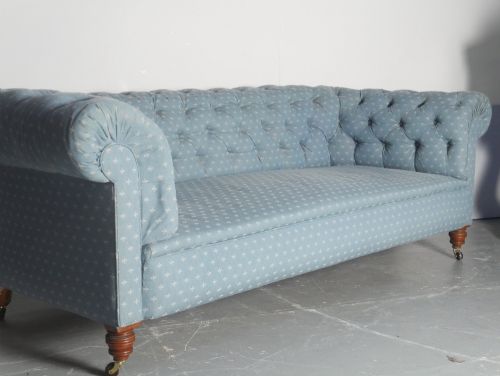
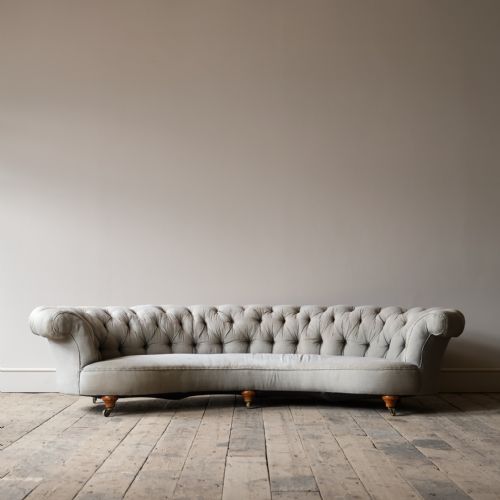
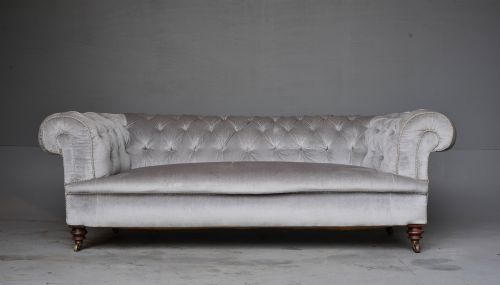
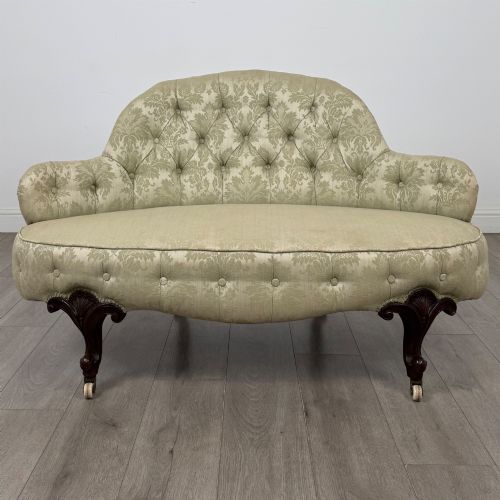
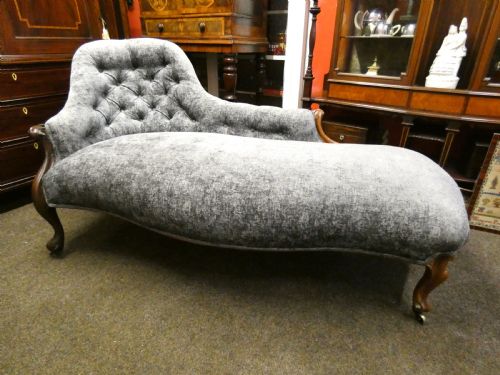
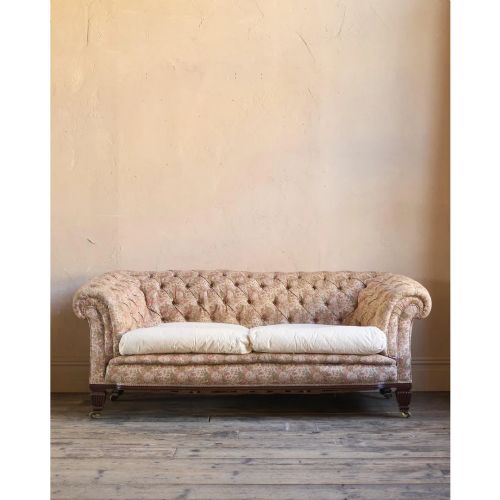
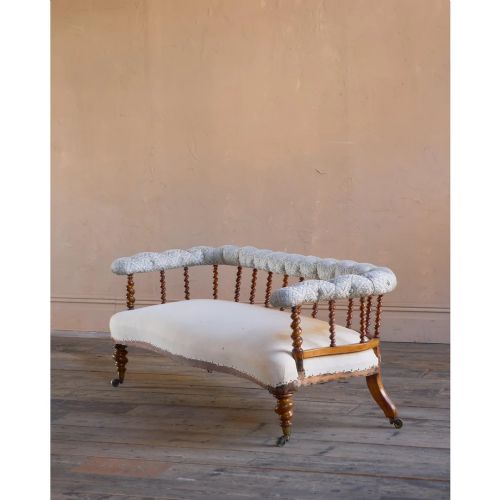
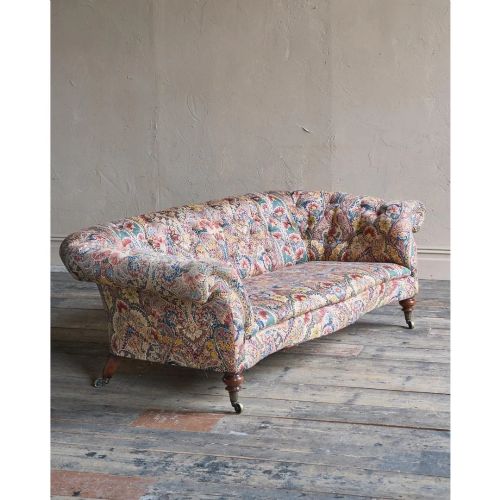
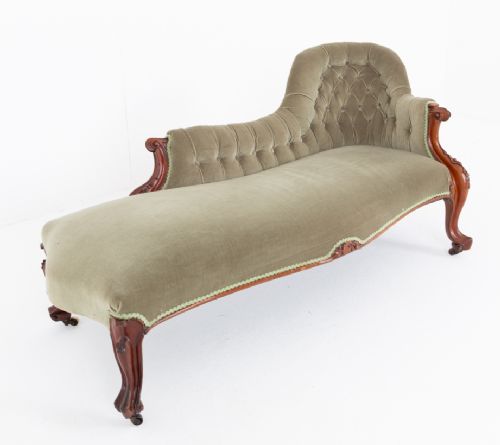
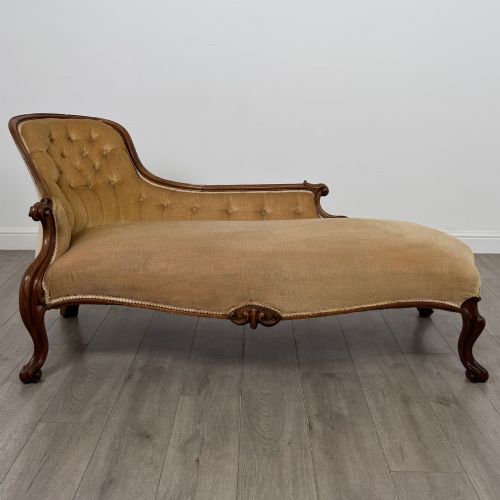
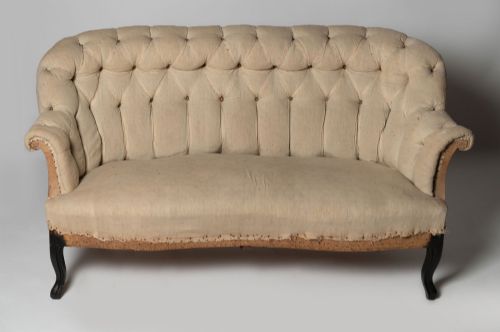
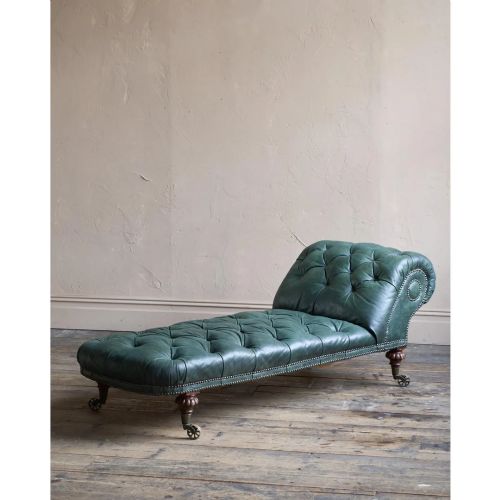
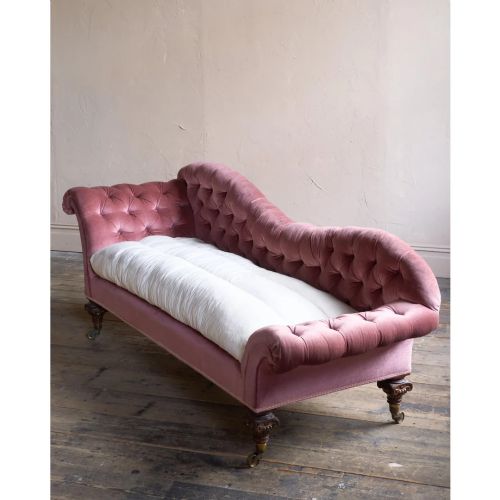
When you search for a victorian buttoned back couch, you encounter deep tufted upholstery paired with substantial timber frames from the nineteenth century. These seating pieces appear across various distinct forms, including robust chesterfield sofas, elegant chaise longues, and open arm salon settees.
The most frequent examples on this page date from the Victorian period through the late nineteenth century, often constructed in rich woods like mahogany, walnut, and rosewood. Makers and workshops of the era employed traditional sprung bases alongside buttoned leather or textile coverings to achieve a balanced silhouette.
Beyond standard double-ended sofas, the selection includes specialised seating such as corner sofas, kidney forms, and occasional settee variants. Each piece reflects the stylistic preferences of the nineteenth century, ranging from French-influenced Napoleon III designs to heavier William IV proportions.
Materials and construction methods
Craftsmen built the structural frames of these couches using dense hardwoods such as mahogany, walnut, and rosewood, often carving details directly into visible wooden rails and supports. These sturdy timbers provided the necessary skeleton to support heavy interior stuffing and complex springing systems.
Upholstered surfaces relied on traditional horsehair and deep buttoning techniques, securing fabric or leather tightly to create the signature dimpled pattern. Brass castors and turned wooden legs frequently finished the base of the piece, allowing easier movement across heavy carpets.
Victorian Buttoned Back Couch Retail Price Guide 2026
Typical asking prices for victorian buttoned back couch among the pieces listed under this phrase on Sellingantiques today, from the lower quarter to the upper quarter. They describe what is for sale here now, not the wider market.
Listings feature eighteenth and nineteenth-century periods, utilising mahogany, walnut, rosewood, leather, and velvet across sofa and chaise longue forms.
Assessing quality and craftsmanship
The distinction between tiers of these couches rests upon the integrity of the underlying timber frame and the precision of the joinery. Superior examples maintain rigid structural stability without looseness in the arms or legs, whereas lesser items suffer from weakened joints through heavy use.
The refinement of the carving and the quality of the timber grain determine the upper echelon of these pieces. Dense rosewood and finely figured walnut command greater respect than plain secondary woods, while hand-dyed leathers and deep pile brocades show superior material selection.
Howard and Sons·C. Hindley and Sons·Holland and Sons·Hampton and Sons of Pall Mall
The Victorian Buttoned Back Couch Glossary
- Chaise longue
- An upholstered couch shaped like a chair that is long enough to support the legs. Nineteenth-century variants frequently incorporate a single scrolled end and carved wooden rails.
- Buttoned back
- An upholstery technique where buttons are pulled tight through the padding to form a geometric diamond pattern. This method secures the internal stuffing while creating a textured surface.
- Settee
- A small upholstered sofa or bench with a back and arms. These pieces offer comfortable seating for two or more people in a drawing room or salon setting.
- Sprung base
- A seating foundation constructed using coiled metal springs beneath the upholstery. This innovation replaced older webbing methods to provide enhanced comfort and bounce.
Victorian Buttoned Back Couch: Frequently Asked Questions
How do I clean leather buttoned upholstery?
Maintenance requires gentle dusting with a soft cloth and occasional treatment with appropriate leather conditioners to prevent cracking. Avoid harsh chemical cleaners that strip natural dyes from the surface.
Keep the leather away from direct sunlight and heat sources to preserve the suppleness of the hide over decades of domestic use.
Were these couches used in bedrooms?
Chaise longues and small settees frequently occupied bedrooms and dressing rooms during the nineteenth century. They provided a comfortable place for resting during the day without retiring to a bed.
In larger houses, drawing rooms and libraries remained the primary locations for grand chesterfield sofas and matching salon seating.
How do I distinguish Victorian from Edwardian pieces?
Victorian seating generally displays heavier proportions, darker woods like rosewood and walnut, and more ornate carved detailing. Upholstery choices tended towards rich, deep tones and heavy velvet or leather.
Edwardian pieces often lighten in scale and colour, reflecting changing domestic tastes at the turn of the century. Frames became simpler, utilising lighter mahogany or satinwood.
What is an aesthetic movement settee?
Aesthetic movement furniture emerged in the late nineteenth century as a rejection of heavy industrial design. These pieces often feature ebonised wood finishes and simpler, cleaner lines inspired by Japanese art.
Such settees focus on artistic form rather than excessive ornamentation, making them distinctive additions to period interiors.