
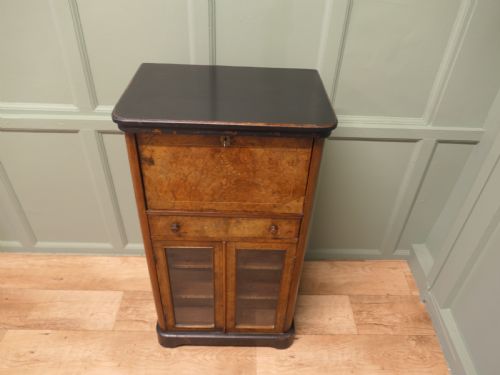
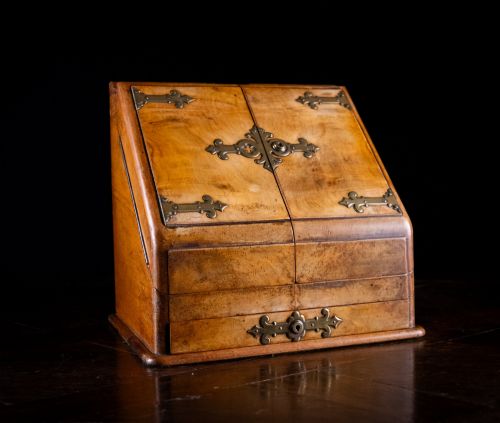


Victorian Burr Cabinet
When you select a victorian burr cabinet, you acquire a mid to late nineteenth-century piece defined by striking timber figures and formal presence.
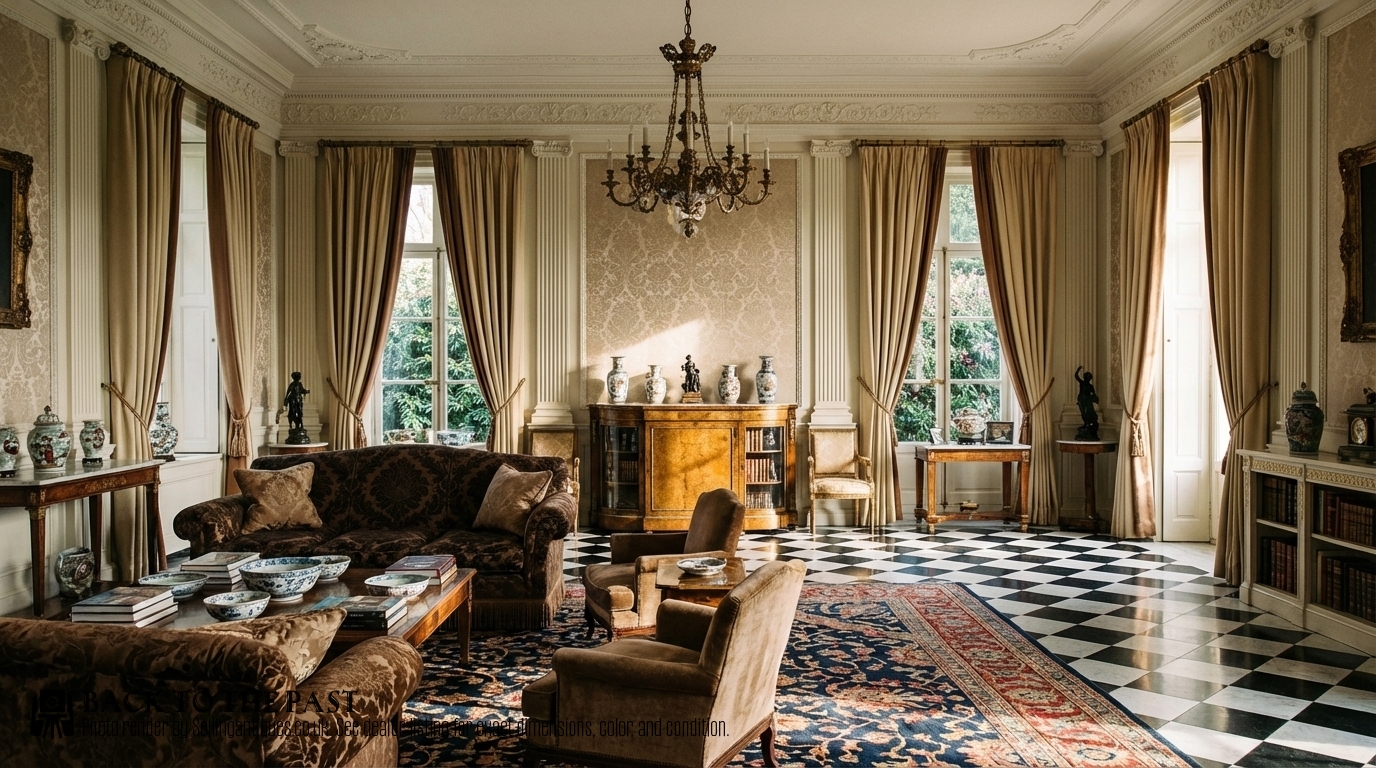
Victorian Burr Cabinet
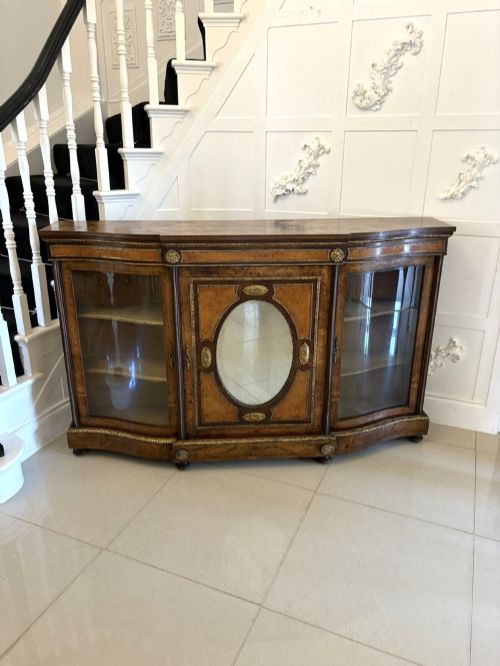
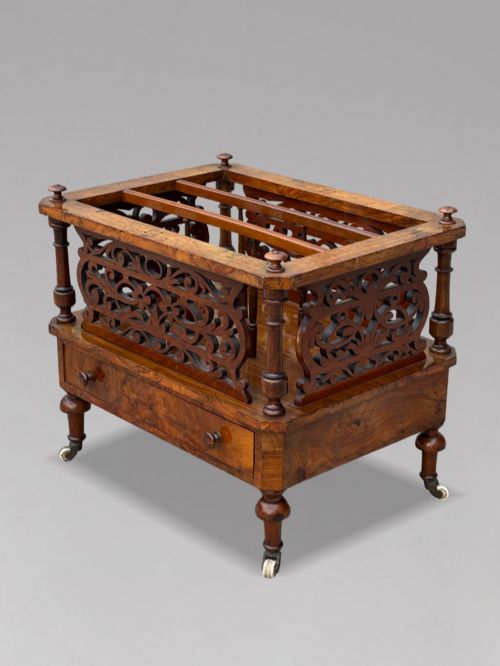
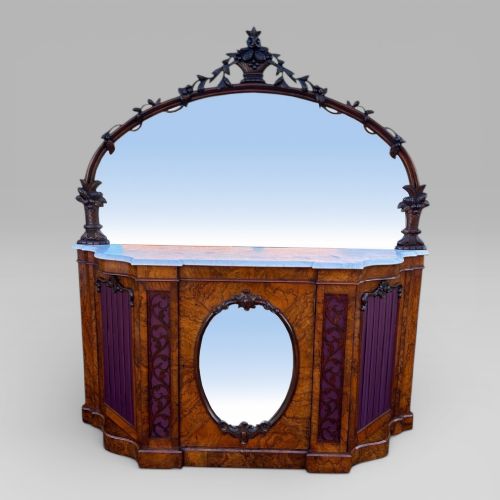
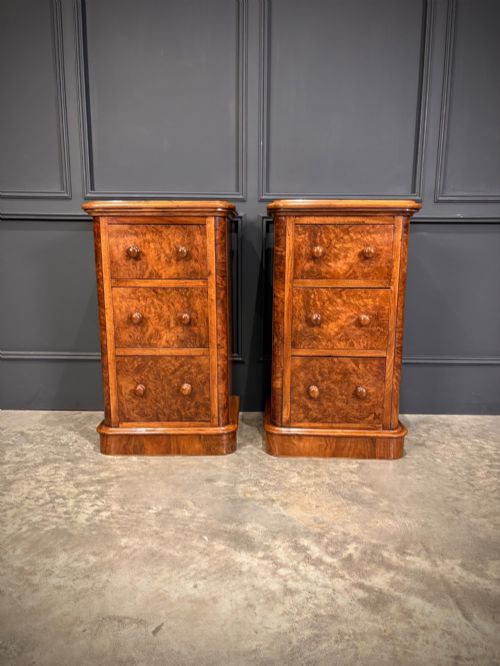
A victorian burr cabinet encompasses a wide array of nineteenth-century forms designed for display and storage, ranging from elaborate credenzas and pier cabinets to bedside chests and music cabinets.
The evidence records pieces spanning the Victorian era, including specific dates from the eighteen-fifties through the eighteen-eighties, often associated with styles such as Rococo Revival, Aesthetic Movement, and Victorian French Revival.
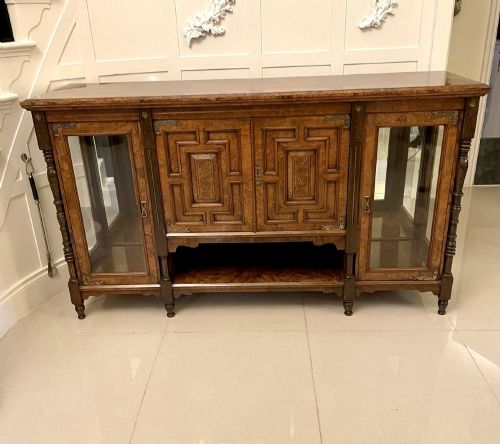
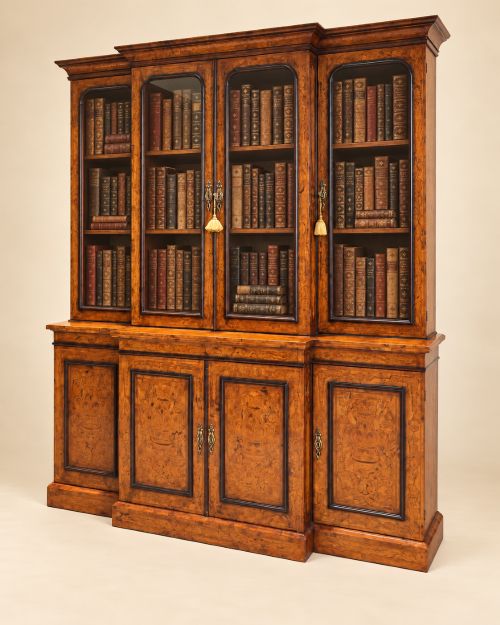
Buyers meet variations that include glazed bookcases, open shelving, and mirrored credenzas, reflecting the diverse domestic needs of the period.
Materials and Technique
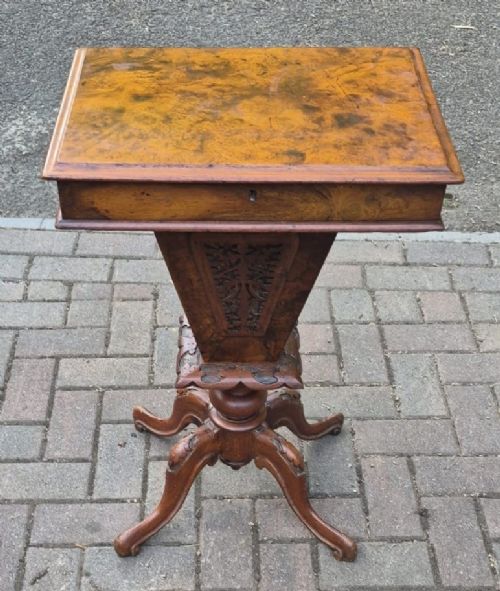
Cabinet makers utilised burr walnut veneers applied over solid carcases to create swirling, highly figured grain patterns across the primary surfaces.
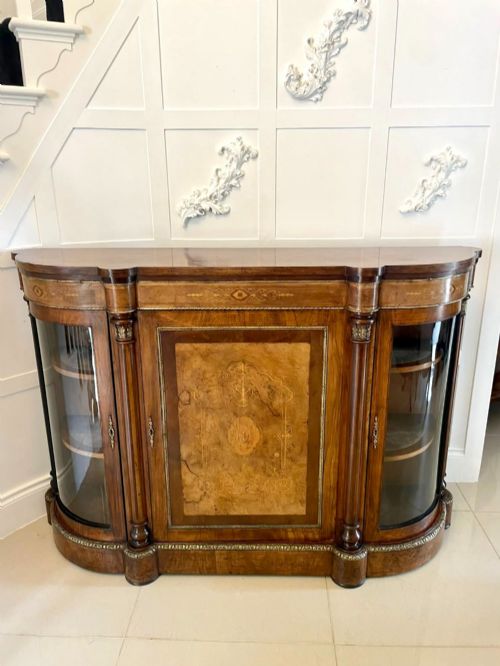
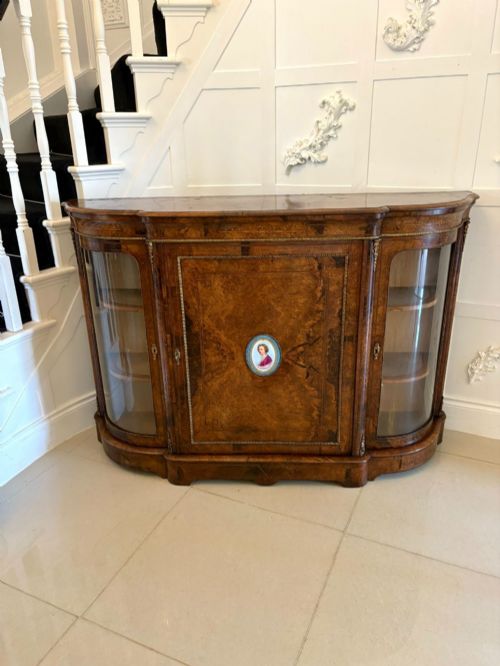
Many examples incorporate decorative flourishes including ormolu mounts, brass inlay, floral marquetry, and inset porcelain plaques.
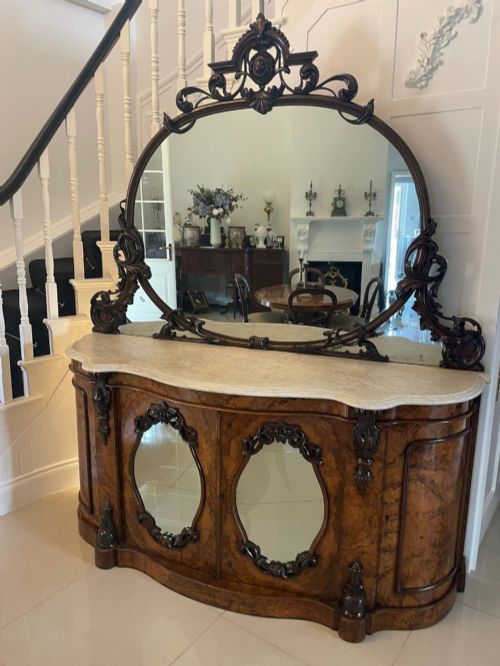
Structural elements frequently combine walnut with glass panels for display doors and marble tops on sideboard variants.
Listings feature eighteenth-century and nineteenth-century periods, dominated by walnut timbers alongside glass, brass, and ormolu.
Markers of Distinction
The separation between standard and superior pieces rests on the intricacy of the timber selection and the precision of the marquetry inlay.
Exhibition quality items often display heavier ornamentation such as cast ormolu mounts, hand-carved detailing, and integrated porcelain components.
The integration of secondary timbers and the execution of complex door curves, such as serpentine fronts, indicate the level of workshop competence.
Johnstone And Jeanes·Gillows
The Victorian Burr Cabinet Glossary
- Burr Walnut
- A figured timber veneer harvested from walnut tree growths, prized for its swirling grain pattern. It forms the primary decorative surface on these nineteenth-century pieces.
- Credenza
- A grand sideboard or display cabinet originating in the Victorian period, frequently fitted with mirrored doors and ormolu mounts. These items often anchor a formal reception room.
- Ormolu
- Gilt-bronze mounts applied as decorative accents to furniture corners, friezes, and door frames. This metallic detailing enhances the visual weight of high-end pieces.
- Marquetry
- The art of applying small pieces of veneer to form intricate floral or geometric patterns. Skilled artisans used contrasting woods to create pictorial designs across cabinet doors.
- Pier Cabinet
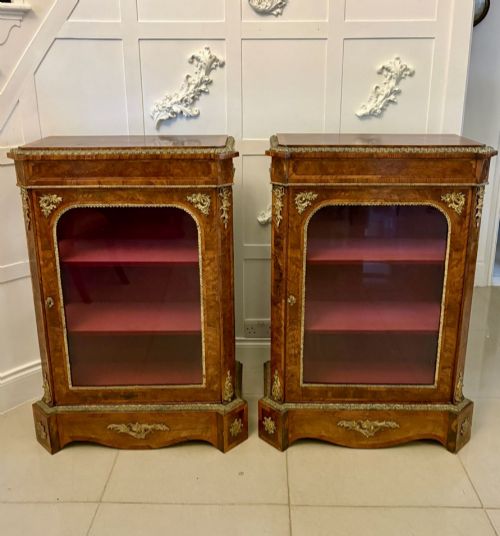
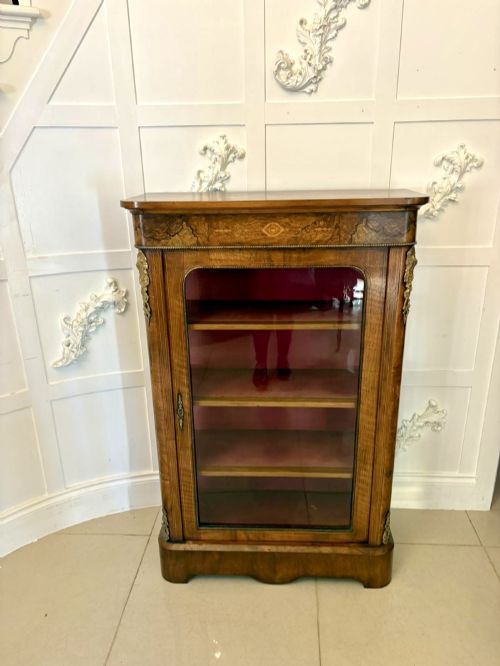
- A narrow display cabinet built to fit the wall space between windows. These glazed pieces protect porcelain and small collectibles.
Victorian Burr Cabinet: Frequently Asked Questions
What is a pier cabinet?
A pier cabinet is a narrow display piece designed to occupy the wall space between two windows in a Victorian interior. These items typically feature glass doors to showcase porcelain or decorative objects.
They generally include interior shelving and resting feet, aligning with the formal layout of nineteenth-century drawing rooms.
How are music cabinets used?
Music cabinets served to organise sheet music and scores within Victorian homes. Their internal compartments kept fragile paper documents flat and accessible.
Many examples incorporate locking doors and specialised shelving tailored for domestic parlor entertainment.
What distinguishes a credenza?
A credenza functions as a low, substantial display unit often placed against a principal wall. These forms incorporate central cupboards flanked by curved glass cabinets.
Cabinet makers frequently decorated them with marquetry, ormolu mounts, and mirrored backsplashes for formal entertaining spaces.
How do I identify a Wellington chest?
A Wellington chest is a tall, narrow set of drawers secured by a hinged vertical locking side bar. This mechanism fastens over the drawer edges with a key.
Originating in the nineteenth century, these cabinets maximise vertical storage capacity while maintaining a compact footprint.