
Victorian Brown Glazed Pottery
Victorian brown glazed pottery brings rich, earthy tones and robust utility to interiors, ranging from salt-glazed vessels to glossy majolica jugs.
Victorian Brown Glazed Pottery
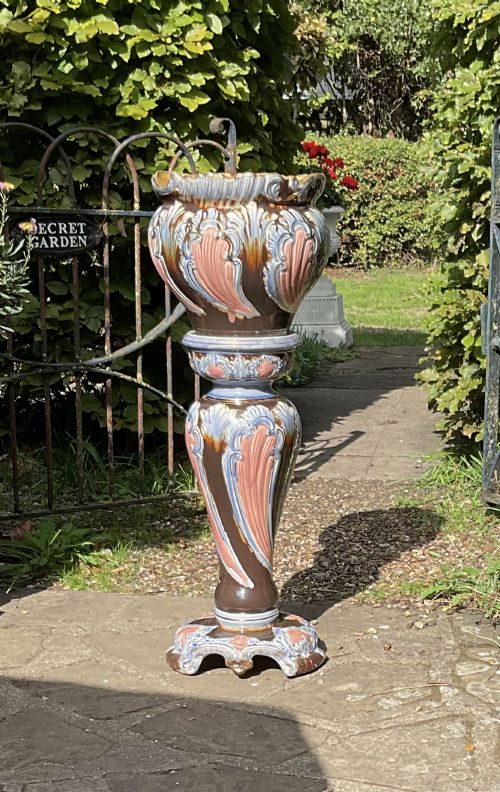
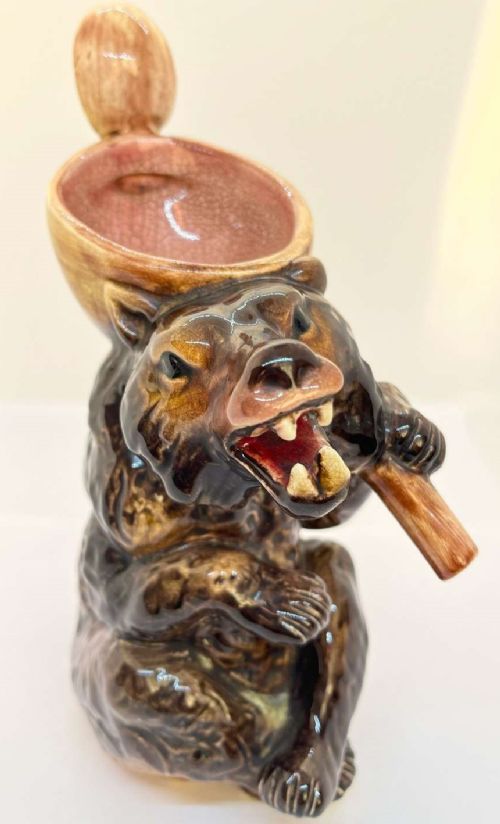
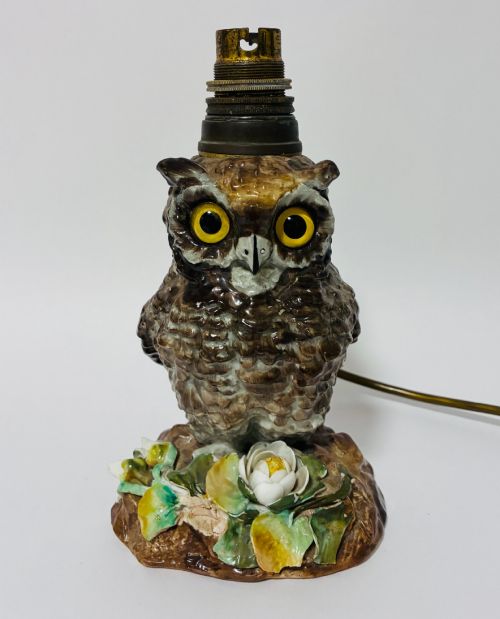
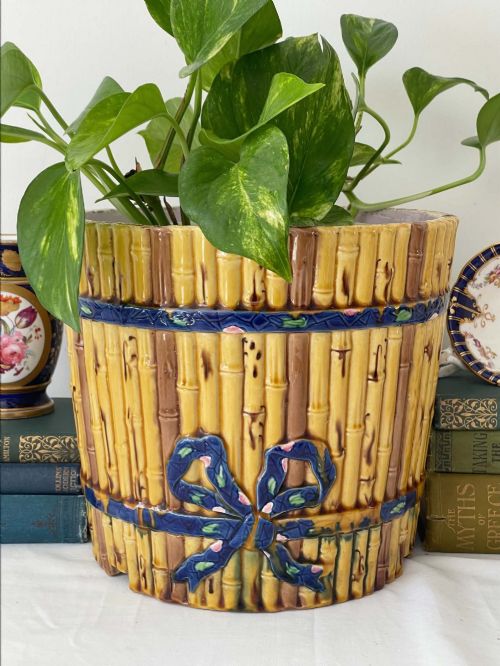
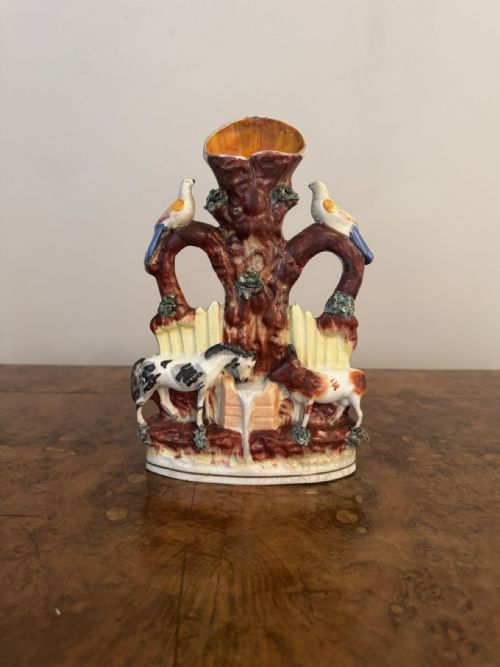
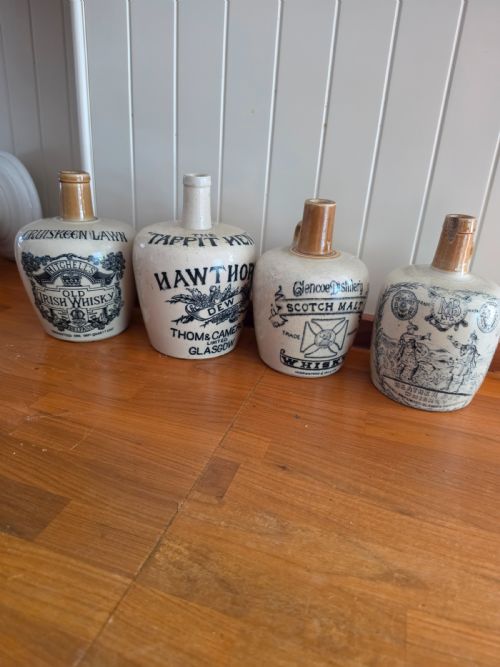
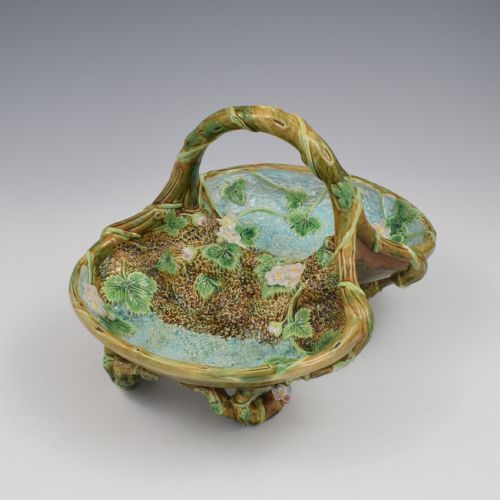
Moulded and thrown pieces dominate this category, reflecting the varied manufacturing hubs of Britain and Europe during the Victorian period. Common forms include salt-glazed stoneware flagons, treacle-glazed Staffordshire figures, and intricate majolica planters.
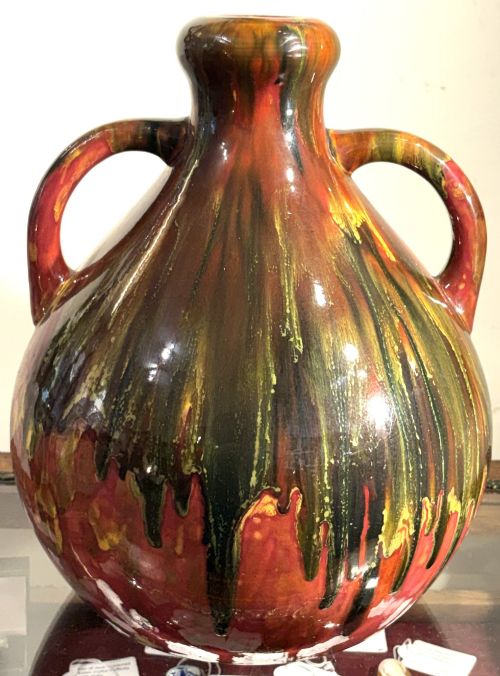
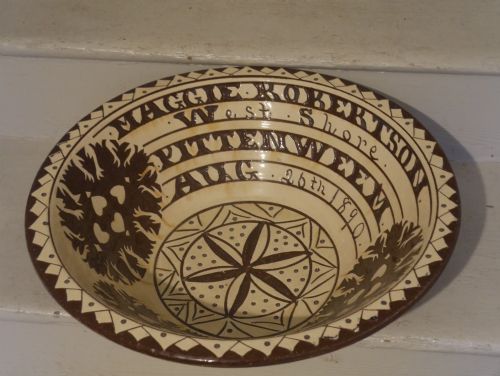
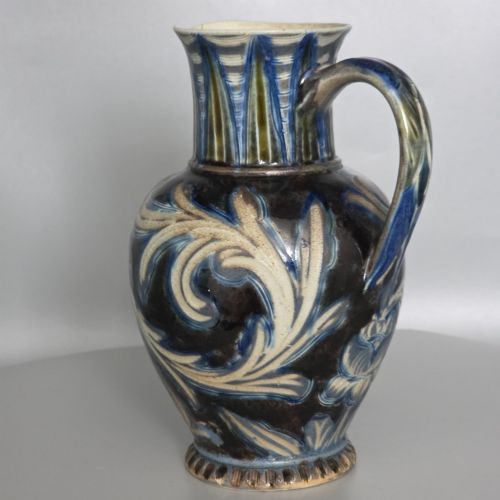
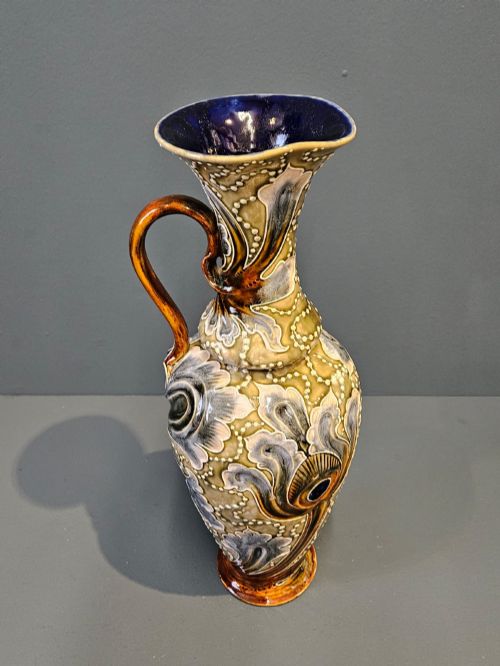
Art pottery from prominent potteries also surfaces within this group, often displaying slip decoration, incised patterns, or naturalistic motifs. These items capture the shifting aesthetic movements of the era, from robust folk art to the organic curves of Art Nouveau.
Materials and construction
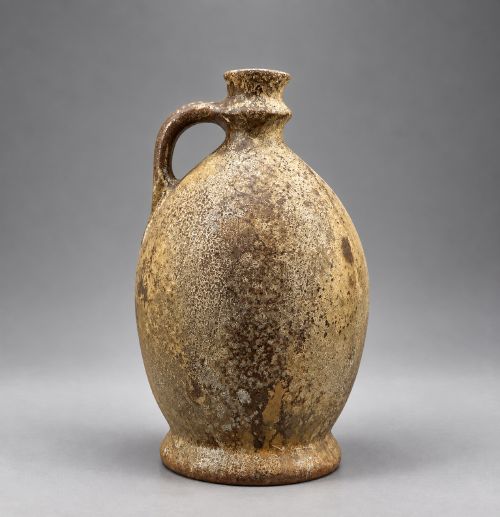
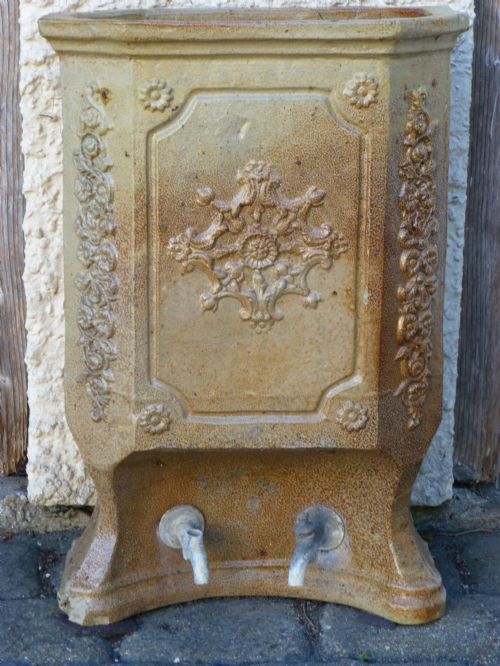
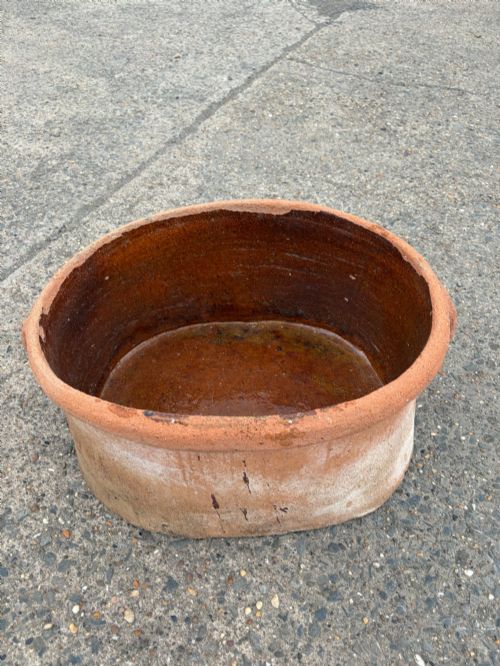
Potters relied heavily on durable earthenware, dense stoneware, and porous terracotta as bodies for these objects, shaping them either by hand on a wheel or in multi-part moulds. Salt glazing introduced a pitted, orange-peel texture during the kiln firing, while lead and treacle glazes provided a high-gloss, protective sheen across the surface.
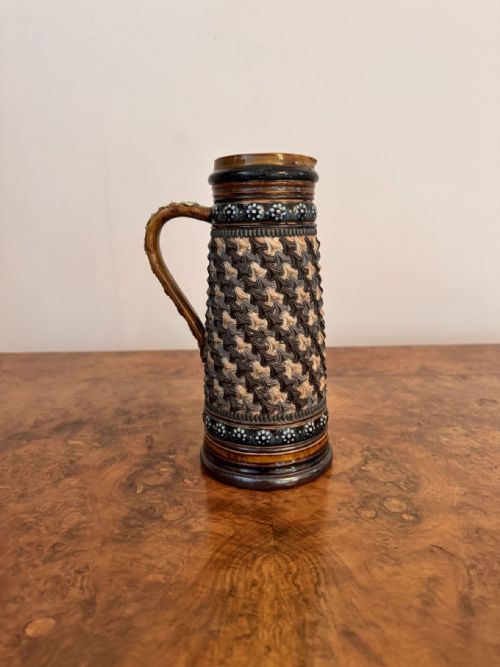
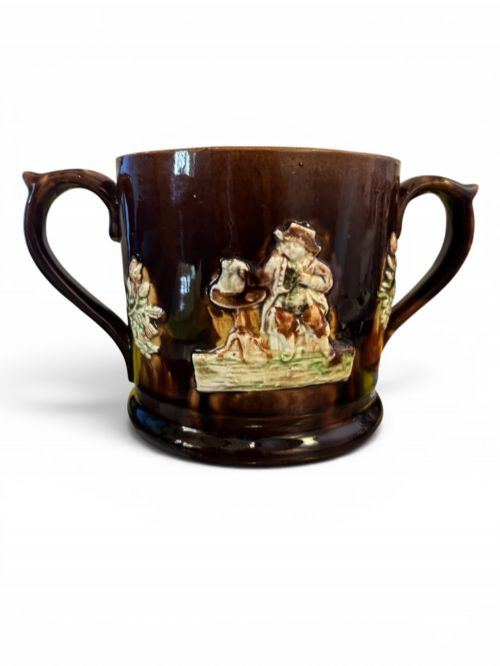
Decoration often involved applied sprigged reliefs, incised floral or geometric motifs, and hand-painted coloured enamels beneath or over the glaze. Specialised additions such as silver mounts, pewter lids, or stamped maker ciphers completed the fabrication of finer vessels.
A pottery frog lurks at the bottom of certain two-handled ale tankards, waiting to surprise the thirsty drinker.
Distinctions in standard
The degree of crispness in moulded detail and the uniformity of the glaze application separate ordinary utilitarian items from superior studio and art pottery. Pieces bearing artist monograms or factory ciphers demonstrate higher craftsmanship and design ambition.
The complexity of the form and the ambition of the glazing technique dictate the aesthetic weight of an individual piece. Heavily articulated figural models or multi-toned majolica surfaces require greater technical skill than plain commercial flagons.
Doulton Lambeth·Minton·George Jones·Holdcroft·Sherwin and Cotton
The Victorian Brown Glazed Pottery Glossary
- Majolica
- A type of earthenware coated with an opaque tin glaze and painted with brightly coloured metal oxide pigments. It was widely used during the Victorian era for decorative jugs, figures, and jardiniere planters.
- Salt glaze
- A vitreous coating created by throwing common salt into the kiln during high-temperature firing, resulting in a distinctive textured finish. This technique produced robust, waterproof stoneware suited for storage and tavern use.
- Treacle glaze
- A dark, glossy lead glaze that yielded a rich brown, treacle-like appearance on earthenware figures and vessels. It is frequently seen on nineteenth-century Staffordshire animals and kitchenware.
- Stoneware
- A dense, hard pottery fired at high temperatures until vitrified, making it completely non-porous even without a glaze. It served as the primary material for durable bottles, flasks, and harvest jugs.
- Terracotta
- An unglazed or slip-coated porous red-brown clay fired at lower temperatures. Victorian makers utilised it extensively for architectural ornaments, garden vases, and domestic planters.
Victorian Brown Glazed Pottery: Frequently Asked Questions
What was a brown glazed stoneware flask used for?
These robust vessels primarily held spirits, whisky, or mineral water for domestic and tavern use.
Stoneware kept the contents cool and secure, often featuring stamped advertising or commemorative motifs.
How do I identify a Victorian majolica piece?
Majolica is defined by its colourful lead-glazed surface over moulded earthenware, often featuring naturalistic plant or animal forms.
Look for vibrant tones of green, brown, and ochre combined with detailed relief work.
Are salt glazed jugs waterproof?
Yes, the chemical reaction between the salt and the silica in the clay body creates a fully vitreous, impervious surface.
This made salt-glazed stoneware ideal for holding liquids without requiring an internal liquid glaze.
What is a frog mug?
A frog mug is a drinking vessel featuring a small ceramic frog modelled inside at the bottom, designed as a playful surprise for the drinker.
They were popular in British taverns and folk art traditions throughout the nineteenth century.