






Victorian Bronze Dish
A Victorian bronze dish brings nineteenth-century weight and cast-metal presence straight to a table, offering both utility and strong decorative form.
Victorian Bronze Dish
When you search for a victorian bronze dish, you encounter a wide selection of nineteenth-century metalwork designed for display and service. These pieces cross paths with centerpieces, tazzas, comports, and decorative plates originating from various decades.
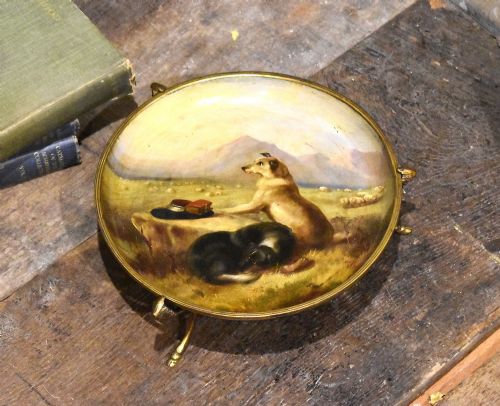
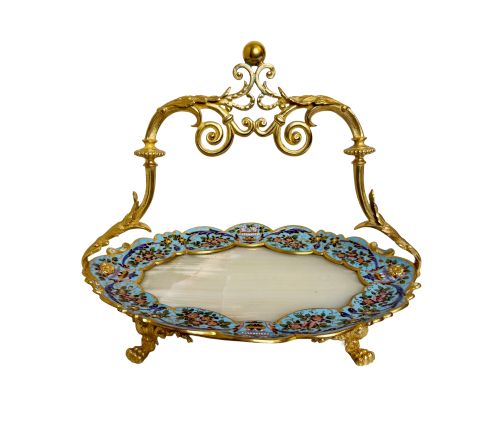
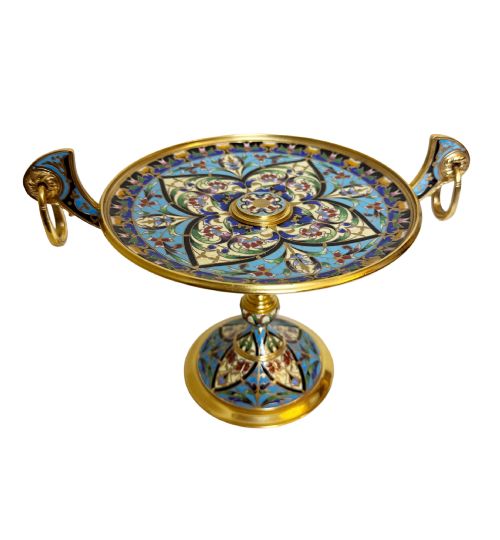
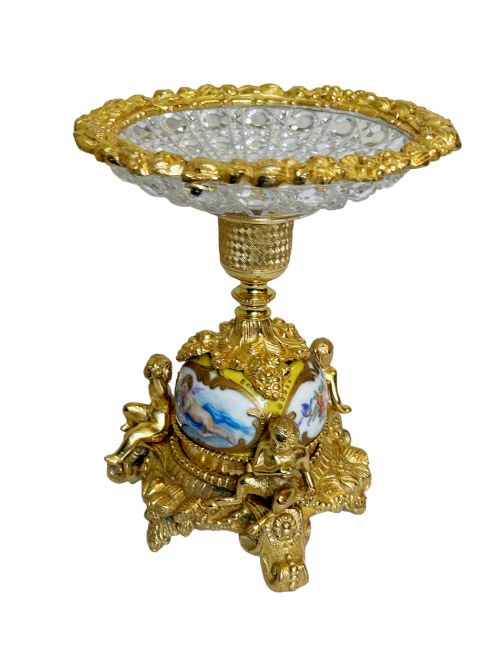
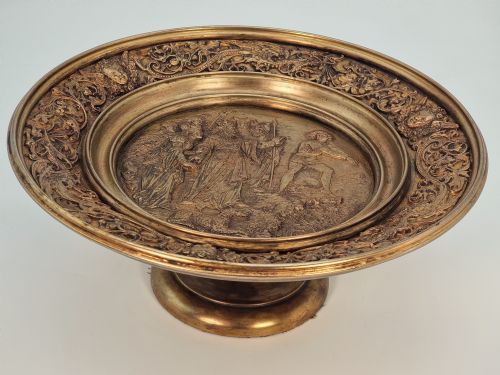
The most common forms on this page include raised tazzas and pedestal bowls cast in bronze, often paired with contrasting materials like porcelain or enamel. Makers utilised these heavy metal foundations to create elaborate serving pieces that defined period interiors.
Stylistic influences range widely, drawing on French Rococo revival, neoclassical tastes, and French Empire style alongside native Victorian and aesthetic movement designs. Each object reflects the eclectic decorative vocabulary popular throughout the nineteenth century.
Materials and Techniques
Metalwork forms rely on solid bronze, brass, and gilt bronze, frequently enriched with ormolu mounts to highlight cast details. Artisans shaped these heavy components through traditional casting and chasing methods before applying surface finishes.
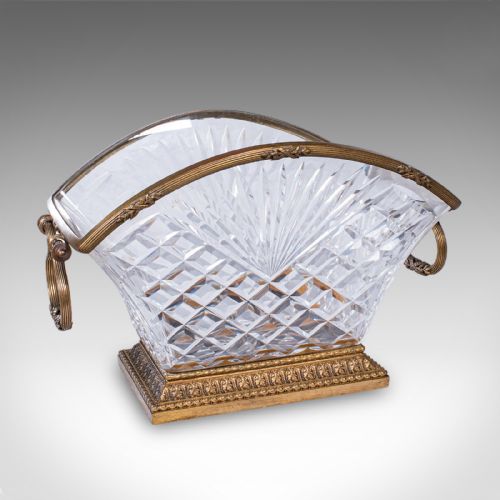
Many examples incorporate fragile decorative elements set directly into the metal frame, including champlevé enamel, cut crystal, and Sevres porcelain. Others integrate organic materials such as mother-of-pearl, agate cabochons, and papier-mâché into the core bronze structure.
Victorian Bronze Dish Retail Price Guide 2026
Typical asking prices for victorian bronze dish among the pieces listed under this phrase on Sellingantiques today, from the lower quarter to the upper quarter. They describe what is for sale here now, not the wider market.
Listings feature 19th-century periods alongside materials spanning bronze, gilt bronze, ormolu, enamel, porcelain, brass, papier-mâché, and lacquer.
Assessing Quality and Execution
Quality rests upon the crispness of the cast metalwork and the precision with which decorative inserts fit the frame. Superior examples demonstrate deep, clean chasing on figural elements like cherubs and classical motifs rather than soft, smoothed outlines.
The choice of secondary materials also elevates a piece, distinguishing standard utility items from ambitious cabinet objects. Finer specimens combine high-grade champlevé enamel, hand-painted porcelain panels, or genuine semi-precious stone cabochons securely mounted within the bronze structure.
The Victorian Bronze Dish Glossary
- Ormolu
- Gilded bronze used extensively for decorative mounts and furnishings during the nineteenth century. The technique involves applying a fine layer of gold amalgam to a bronze base.
- Tazza
- A shallow bowl or plate mounted on a pedestal, used historically for serving fruit or display. These elevated forms dominate centerpiece designs.
- Champlevé
- An enamelling technique where troughs or cells are hollowed out of the metal surface and filled with vitreous enamel before firing. It creates vibrant colour patterns across the bronze body.
- Comport
- A decorative dish raised on a standard, similar to a tazza, intended for table service. They appear frequently in nineteenth-century dining arrangements.
- Grand Tour
- A cultural journey undertaken by wealthy young Europeans through continental art centres, inspiring souvenir acquisitions like classical bronze platters.
Victorian Bronze Dish: Frequently Asked Questions
What is a Victorian bronze dish used for?
These pieces served originally as formal table centerpieces, comports for fruit, or decorative trays for grand nineteenth-century interiors. They functioned as both display items and functional vessels during formal dining.
Today, buyers place them on sideboards, coffee tables, or desks as standalone decorative objects. Their solid weight and sculptural forms suit holding small collections or sitting empty as focal points.
How do I date a bronze dish?
Dating relies on identifying stylistic markers, decorative motifs, and manufacturing techniques recorded across the piece. Stylistic influences such as neoclassical restraint, French Rococo revival, or the aesthetic movement provide clear chronological brackets.
Physical evidence like casting quality, the nature of gilding, and integrated materials like champlevé enamel or papier-mâché further narrow down the decade of production. Comparative pieces from the same period help confirm the timeline.
What is the difference between bronze and ormolu?
Bronze is a copper and tin alloy prized for its strength, weight, and suitability for casting complex sculptural forms. It forms the structural base for the majority of these nineteenth-century items.
Ormolu specifically refers to the gilded application placed over the bronze surface to impart a rich gold appearance. Many objects combine exposed dark bronze with bright ormolu highlights to create visual contrast.
How do I care for antique bronze?
Antique bronze requires gentle maintenance to preserve its natural patina and any applied gilding or delicate inserts. Dusting regularly with a soft, dry cloth prevents the buildup of particles in recessed cast details.
Harsh chemical cleaners or abrasive polishes must be avoided entirely, as they strip away historical patination and damage softer elements like enamel or porcelain. Professional advice should be sought for deep conservation needs.