




Victorian Brassware
Victorian brassware brings enduring weight and polished warmth to a room, offering everything from heavy fireplace accessories to small desktop items.
Victorian Brassware
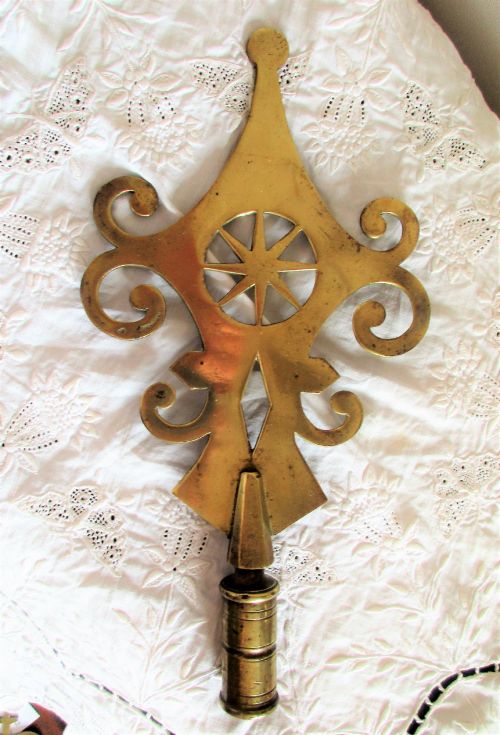
Victorian brassware encompasses a wide variety of household and decorative objects produced primarily during the nineteenth century, including candlesticks, kettles, and fireside accessories. Buyers searching for victorian brassware will frequently encounter domestic utilities and church furnishings made from cast or sheet metal.
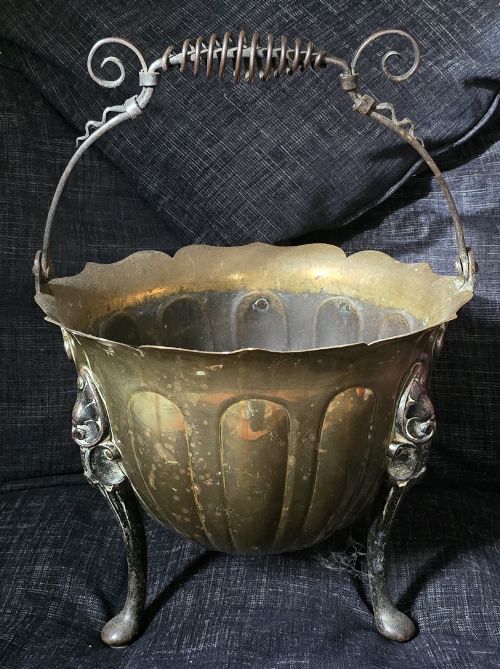
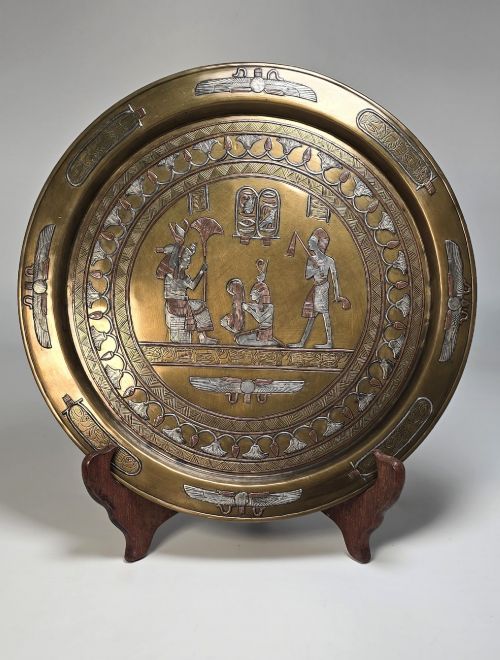
The objects span multiple stylistic influences popular during the period, ranging from Gothic Revival and Aesthetic Movement to Egyptian Revival and Anglo-Indian designs. Candlesticks and desk accessories form a large portion of the available selections, alongside functional items like watering cans and coal buckets.
Originating largely from British workshops and factories, these pieces also include imported items from the Indian Raj and Grand Tour souvenirs from Egypt. Each piece reflects the heavy industrial output and diverse stylistic tastes of the nineteenth and early twentieth centuries.
Materials and Techniques
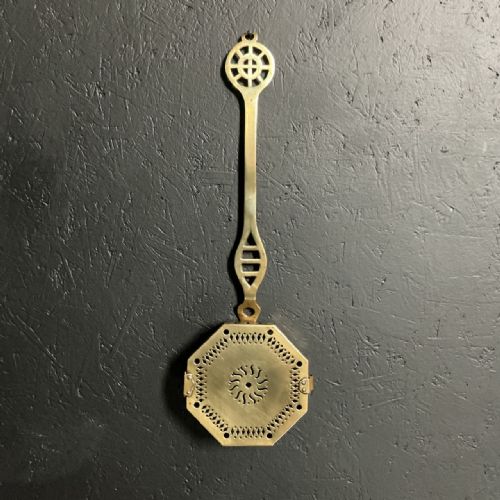
Makers utilised brass as the primary medium, frequently combining it with copper, iron, wood, and ebonised wood for contrast and structural support. Cast brass allowed for intricate decorative motifs, while sheet brass was beaten or pierced to create lighter vessels and wall gongs.
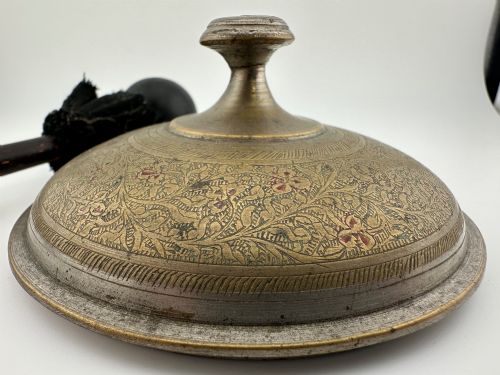
Surface decoration involved hand-engraving, silver inlay, and enamel work to add colour and texture to chargers, vases, and betel nut dishes. Many items incorporate turned wooden handles or iron fittings to ensure practicality in daily domestic use.
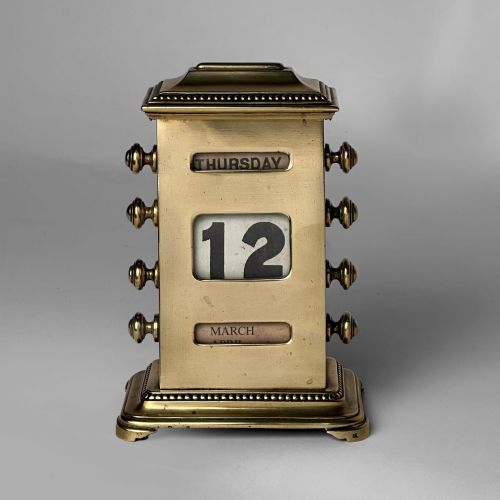
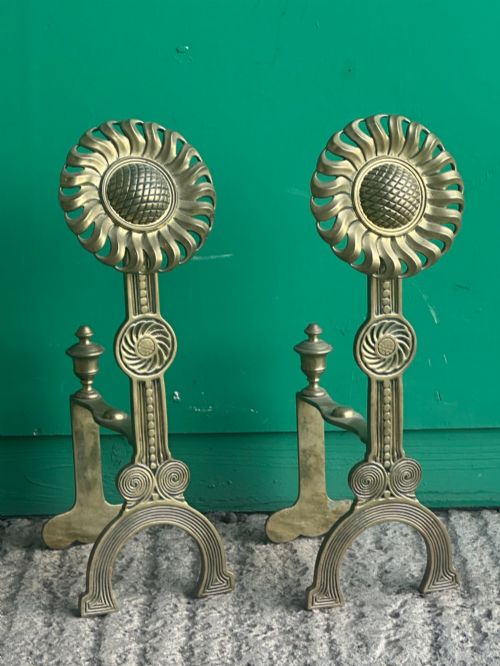
Foundries employed specialised techniques such as sand casting for heavy items like andirons and perpetual calendars, ensuring durability alongside ornamental detail. Secondary materials like glass and nickel appear in specific utilitarian and decorative contexts.
Victorian Brassware Retail Price Guide 2026
Typical asking prices for victorian brassware among the pieces listed under this phrase on Sellingantiques today, from the lower quarter to the upper quarter. They describe what is for sale here now, not the wider market.
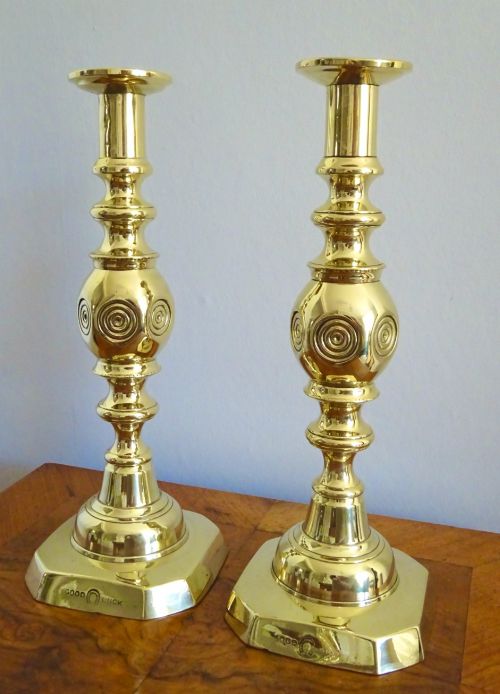
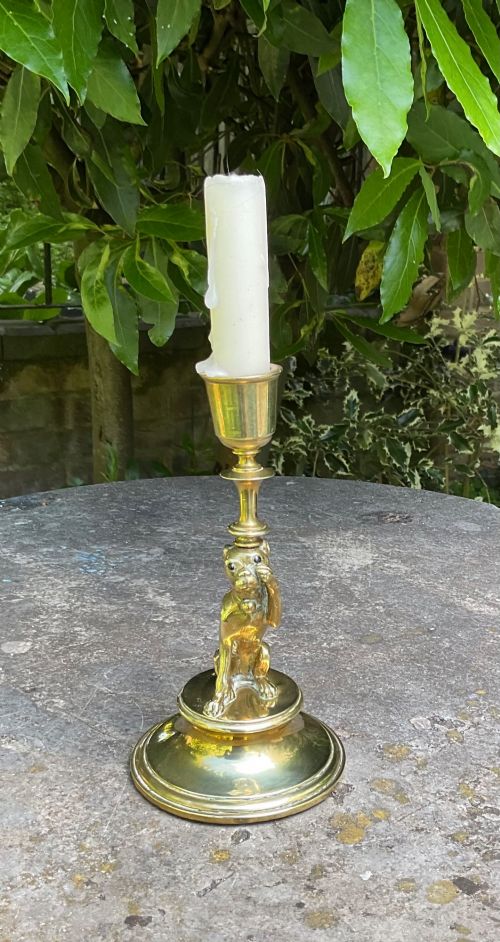
A pug dog candlestick stands ready to illuminate the parlour with canine vigilance.
Assessment of Quality
Quality in these pieces rests upon the crispness of the casting and the precision of any hand-engraving or piercing applied to the surface. Heavier gauge metal and substantial weight generally indicate a superior object produced by a dedicated foundry.
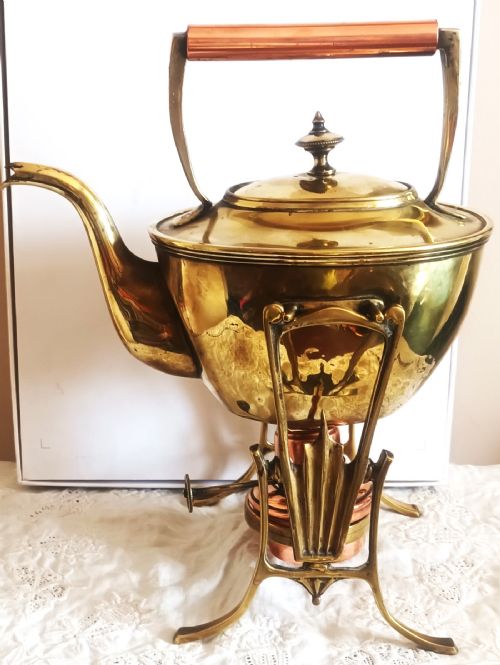
The integrity of assembly, such as securely joined components on spirit kettles and candlesticks, separates utilitarian output from finer decorative examples. Maker attributions or stamped registry marks also elevate the standing of an item within the range.
William Soutter & Sons·William Tonks·Frederick J Smith & Co·Benham and Froud·James Cartland & Sons
The Victorian Brassware Glossary
- Cast brass
- Brass poured into a mould to create solid, three-dimensional objects with high detail. This method was standard for heavy items like andirons and candlesticks.
- Aesthetic Movement
- A late nineteenth-century design style emphasising visual beauty over narrative subject matter. Items from this movement often feature stylized natural forms like sunflowers.
- Altar garniture
- A set of decorative objects placed on or near an ecclesiastical altar, typically comprising candlesticks and vases. These pieces often feature Gothic Revival styling.
- Grand Tour
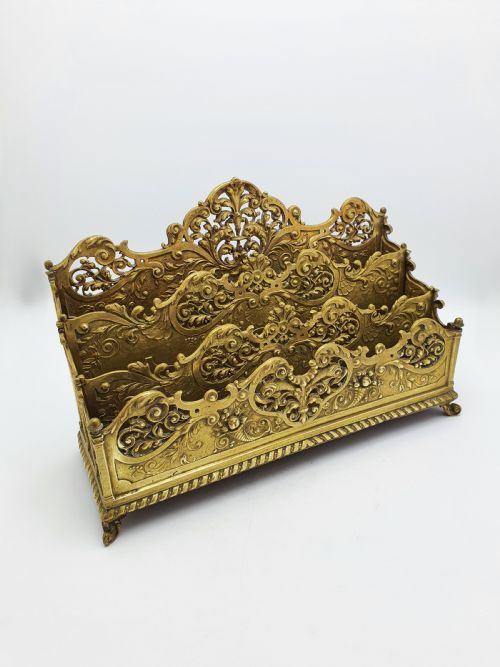
- A cultural journey undertaken by wealthy Europeans in the nineteenth century, acquiring local souvenirs such as silver-inlaid chargers and rococo letter racks.
- Spirit kettle
- A water heating vessel suspended over a small spirit burner on a metal stand. They were utilised for tea service in domestic settings.
Victorian Brassware: Frequently Asked Questions
What items are included in victorian brassware?
The category includes a broad assortment of domestic and ecclesiastical objects, ranging from candlesticks and coal buckets to watering cans and desk accessories. Many pieces served practical functions in nineteenth-century homes.
Alongside utilitarian items, decorative objects like chargers, gongs, and novelty figurines appear frequently. These reflect the varied aesthetic tastes and manufacturing capabilities of the period.
How do I identify Gothic Revival pieces?
Gothic Revival items typically display architectural motifs inspired by medieval church design, such as pointed arches, tracery, and heavy ecclesiastical shaping. They are commonly found in church vases and altar candlesticks.
These pieces often feature robust cast construction and solemn ornamentation that distinguish them from lighter domestic styles like the Aesthetic Movement.
Were these items used daily?
Many objects were designed for heavy everyday use in nineteenth-century households, including spirit kettles, chestnut roasters, and coal helmets. Sturdy materials like cast brass and iron ensured durability.
Other items, such as Grand Tour souvenirs and decorative wall gongs, served primarily ornamental or social purposes within the Victorian parlour.
What distinguishes Aesthetic Movement brass?
Aesthetic Movement brass focuses on stylized natural forms, asymmetrical arrangements, and refined surface decoration rather than historical revivals. Sunflowers and Japanese-influenced motifs are typical.
These pieces were produced to satisfy a late-nineteenth-century desire for artistic interior decoration, often taking the form of wall gongs, andirons, and candlesticks.