




Victorian Brass Topped Stand
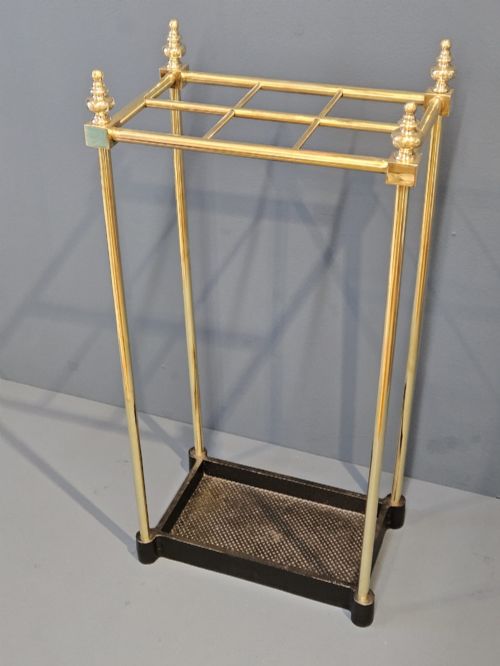
These Victorian brass topped stand examples combine heavy metal work with timber frames, offering practical utility and period character for any interior.
Victorian Brass Topped Stand
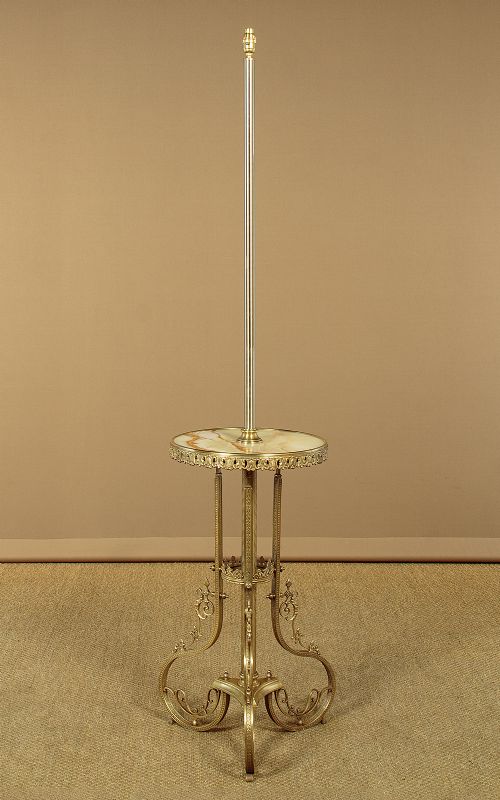
A victorian brass topped stand brings together metal surfaces and wooden or iron structures, functioning primarily as plant supports, lamp tables, or jardiniere holders. These pieces emerge from the nineteenth century, spanning decades from eighteen sixty to nineteen ten.
The form frequently appears alongside related nineteenth-century furniture such as side tables, music cabinets, and revolving bookcases. Buyers encounter variations incorporating marble inserts, mahogany frames, or cast iron bases.
Origins range from English workshops to French revival styles and Anglo-Indian designs. The selection demonstrates diverse utilitarian purposes, from shop display stands to reading and campaign items.
Materials and construction
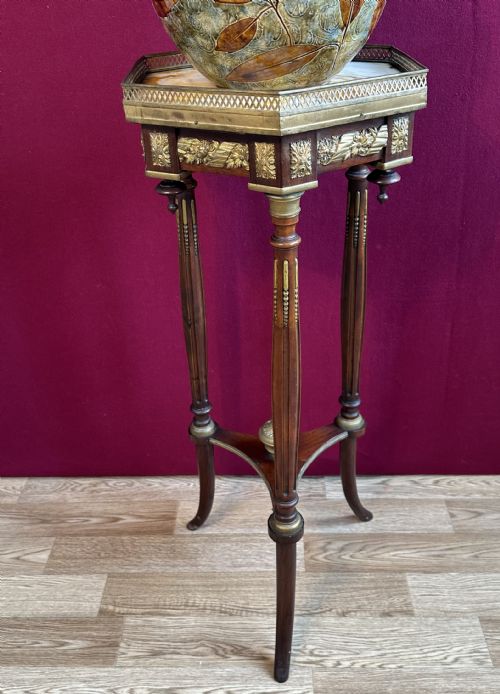
Construction relies heavily on brass combined with dense timbers such as mahogany, oak, burr walnut, and teak. Metal components provide durable tops or structural highlights, while wooden frames offer stability.
Many examples integrate inset marble slabs or copper tops within wooden or cast iron supports. Joinery techniques reflect nineteenth-century cabinet-making standards, utilising turning, carving, and metal inlay.
Victorian Brass Topped Stand Retail Price Guide 2026
Typical asking prices for victorian brass topped stand among the pieces listed under this phrase on Sellingantiques today, from the lower quarter to the upper quarter. They describe what is for sale here now, not the wider market.
Object forms span side tables, plant stands, revolving bookcases, washstands, and music cabinets from the Victorian era.
Assessing quality
Quality rests in the weight of the metal, the selection of timber figures, and the precision of assembly. Superior examples feature heavier brass castings, substantial marble tops, and refined decorative details.
Lower tiers typically show simpler construction and lighter gauge materials. The integration of mixed media, such as combined wood and metal elements, distinguishes finer production.
The Victorian Brass Topped Stand Glossary
- Jardiniere
- A decorative stand or container designed to hold plants or flowers. These items often feature metal liners to catch water.
- Campaign
- Portable furniture designed for travel by military officers during the nineteenth century. These pieces often incorporate brass corners and folding elements.
- Revolving bookcase
- A freestanding book storage unit mounted on a rotating pivot. This design allows access to volumes from multiple angles.
- Marble top
- A stone surface fitted to the top of a table or stand. This material provides a cool, durable surface resistant to moisture.
Victorian Brass Topped Stand: Frequently Asked Questions
What were brass topped stands used for?
These pieces served as plant stands, lamp tables, or decorative holders for indoor foliage and ornaments.
Their sturdy metal surfaces protected the underlying timber from water and heat damage.
How do I date a Victorian stand?
Dating relies on stylistic clues, construction methods, and materials recorded in the piece.
Nineteenth-century examples often display specific revival motifs or characteristic timber usage from decades like eighteen eighty.
Are these stands suitable for daily use?
Many of these items function well as side tables or plant holders in modern rooms.
Their robust construction of brass and hardwood handles everyday placement without difficulty.
What is the difference between French and English styles?
French revival pieces often incorporate ornate rococo curves and gilded details. English examples tend toward simpler mahogany or oak frames with utilitarian brass work.