



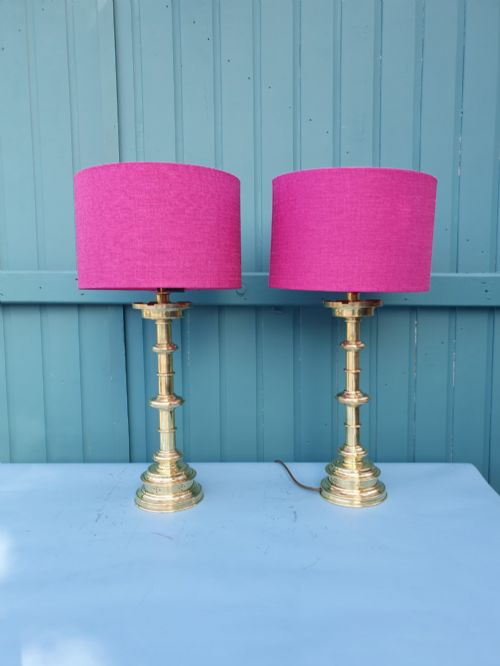
Victorian Brass Reading Light
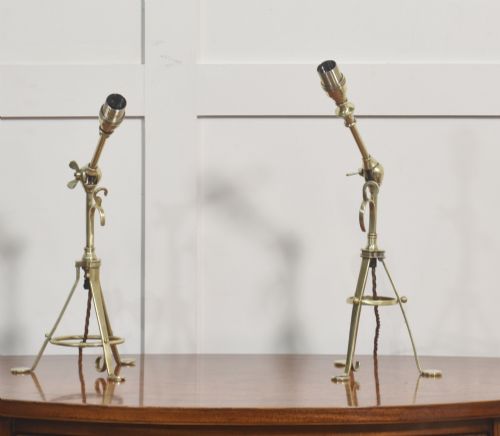
These heavy metal standards and adjustable desk pieces are designed to cast direct illumination, bringing period utility to any room.
Victorian Brass Reading Light
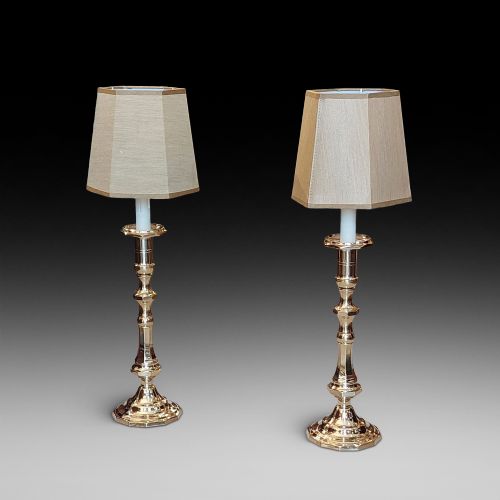
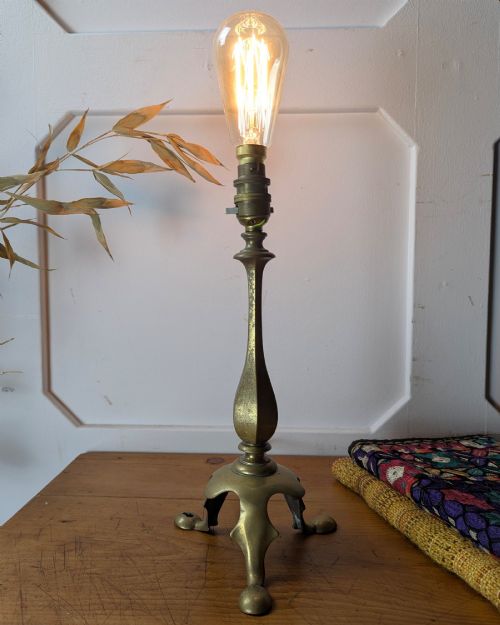
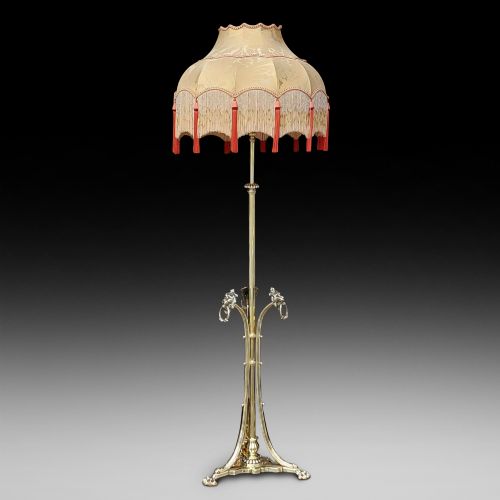
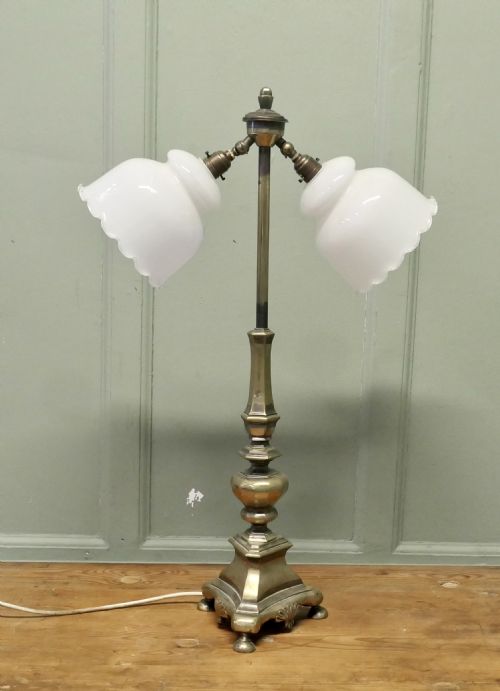
A victorian brass reading light spans heavy floor-standing standards, adjustable desk lamps, and converted oil lamps dating from the nineteenth century into the early twentieth century. These pieces originate primarily from the Victorian and Edwardian eras, utilising column forms and adjustable mechanisms designed for focused task illumination.
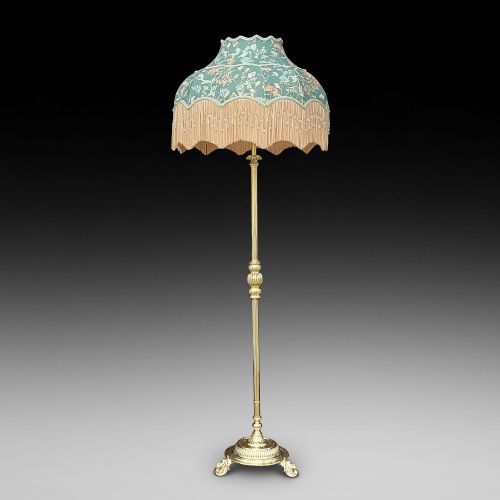
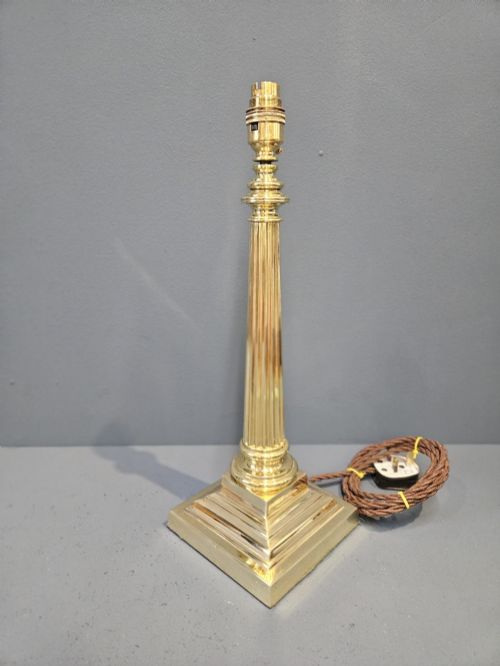
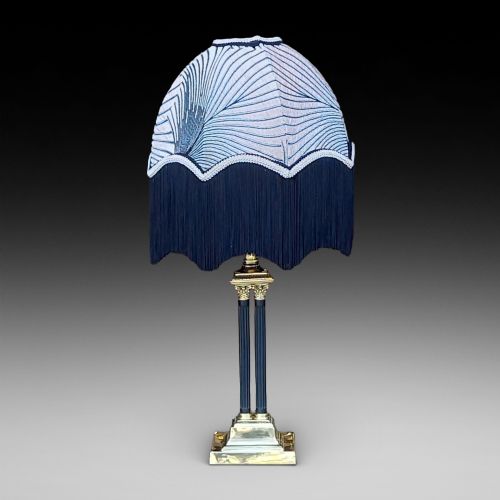
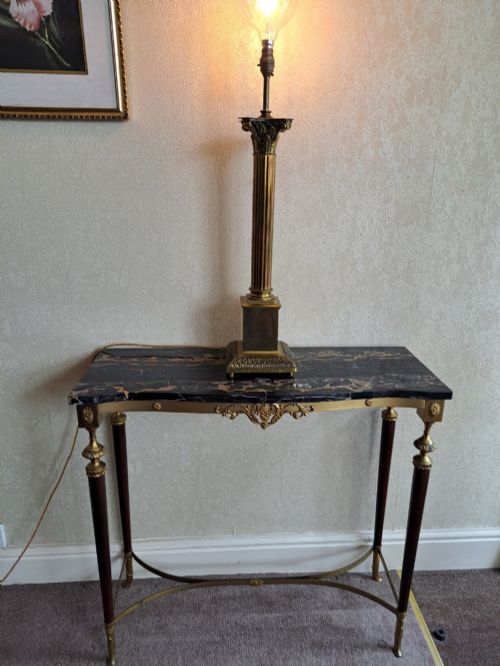
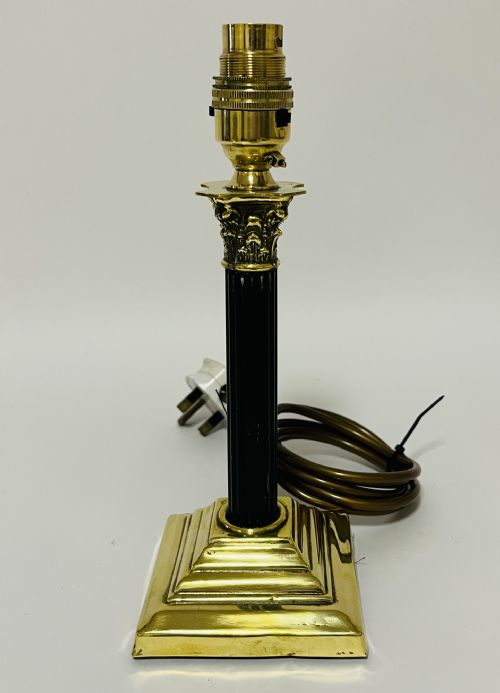
The most common formats on this page include tall standard lamps and table-standing column designs, often featuring Corinthian or ionic capitals. Many incorporate adjustable arms or telescopic shafts, reflecting their original purpose as functional reading equipment in studies and libraries.
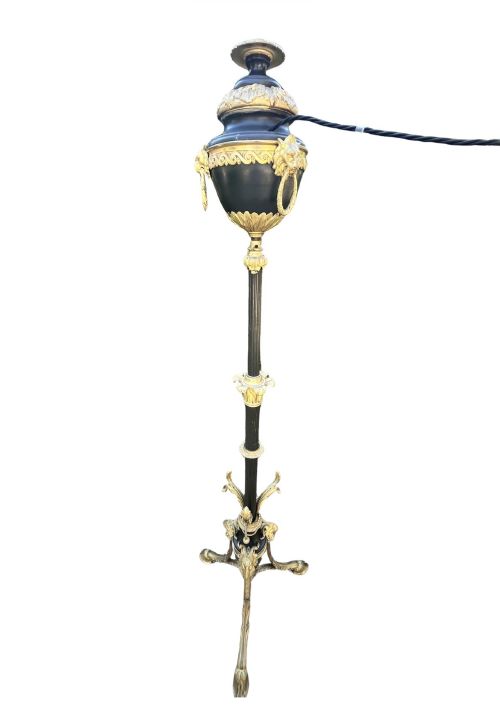
Makers and manufacturers represented include W.A.S. Benson, Faraday & Sons, Joseph Hinks, Veritas Lamp Works, and Wild and Wessel. Alongside standard brass construction, selections encompass gilt bronze, ormolu, and combinations with cranberry glass or onyx.
How they were made
Constructed predominantly from cast and spun brass, these lamps utilise metalworking techniques such as reeded turning and heavy pillar casting. Many incorporate secondary materials including gilt bronze, ormolu, copper, and nickel plating.
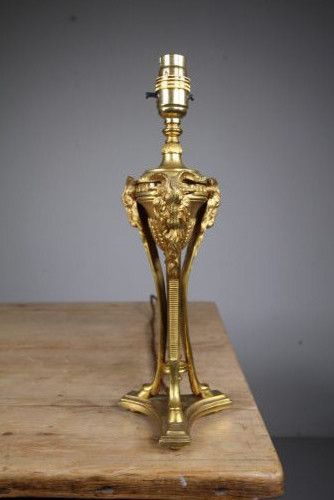
Glass components, specifically opaline and cranberry shades, are frequently paired with metal structures, alongside fabric and silk elements on standard lamps. Elaborate models feature floral openwork bases, rams' head ornaments, and telescopic adjustment mechanisms.
Some travel reading lights were designed to pack down compactly into fitted travelling cases for Victorian journeys by rail.
What varies in quality
Quality rests upon the weight of the casting and the precision of the mechanical adjustments, such as telescopic shafts and twin-angled joints. Heavier columns and robust architectural capitals indicate superior manufacture.
The presence of named maker signatures or specialised fittings, such as gimbal mounts or student lamp implements, distinguishes standard production items from workshop pieces. Original glass shades and integrated structural hardware further define the standard of a piece.
W.A.S. Benson·Faraday & Sons·Joseph Hinks·Veritas Lamp Works·Wild and Wessel
The Victorian Brass Reading Light Glossary
- Ormolu
- A gilt bronze finish applied to decorative metalwork to simulate gold. It provides a bright, reflective surface on nineteenth-century bases.
- Corinthian column
- An architectural column form featuring an ornate capital decorated with acanthus leaves. This style frequently forms the main shaft of table and standard lamps.
- Student lamp
- An adjustable desk or table lamp designed with a single burner or light source on a movable arm. They were historically utilised for focused reading and study.
- Telescopic
- Describing a standard or floor lamp shaft that extends vertically via inner sliding tubes. This mechanism allows the overall height of the light to be adjusted.
- Gimbal
- A pivoted support ring that allows a lamp to remain level regardless of movement. These are found on pieces salvaged from ships or trains.
Victorian Brass Reading Light: Frequently Asked Questions
How do I adjust a telescopic standard lamp?
Telescopic standards feature an inner sliding shaft held by a central thumbscrew or collar. Loosening this mechanism allows the upper section to raise or lower to the desired height before tightening.
Care must be taken to support the weight of the lamp head while adjusting the height to prevent sudden drops or strain on internal wiring.
Were these lamps originally electric?
Most nineteenth-century examples began as oil lamps or student burners utilising liquid fuel, and were later converted to electricity. Some portable versions utilised candles or specialised burners.
When evaluating these conversions, look for how wiring has been routed through original channels, such as hollow columns or adjustable arms.
How do I identify a Corinthian column lamp?
A Corinthian column lamp is recognised by its capital, which is decorated with carved acanthus leaves and scrolls just beneath the lamp fitting. The shaft itself is often fluted or reeded down its length.
These architectural revival pieces mirror classical stone columns, cast entirely in heavy brass or gilt bronze.
What is a gimbal lamp used for?
Gimbal lamps incorporate pivoting rings that counteract movement, originally designed for use on ships or trains. This mechanism kept the light source upright during transit.
They attach securely to walls or surfaces while allowing the lamp body to swing freely without spilling fuel or tipping over.