





Victorian Brass Mantel Candlesticks
These Victorian brass mantel candlesticks bring robust metalwork and period illumination to a room, offering both decorative presence and historic utility.
Victorian Brass Mantel Candlesticks
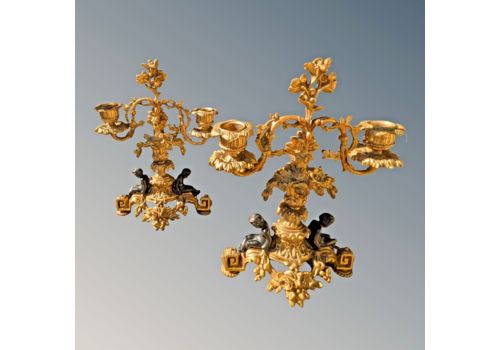
Victorian brass mantel candlesticks appear primarily as matched pairs designed for display on a mantelpiece or sideboard. The selection spans the nineteenth century, encompassing standard brass examples alongside multi-armed candelabras and pieces incorporating mixed media.
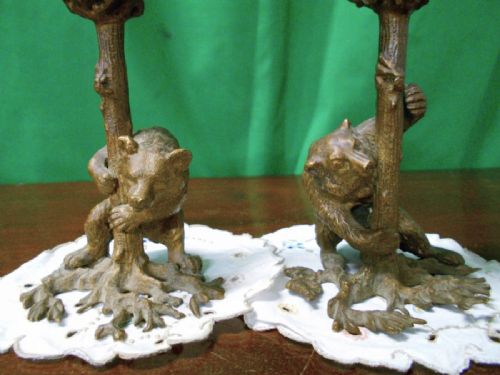
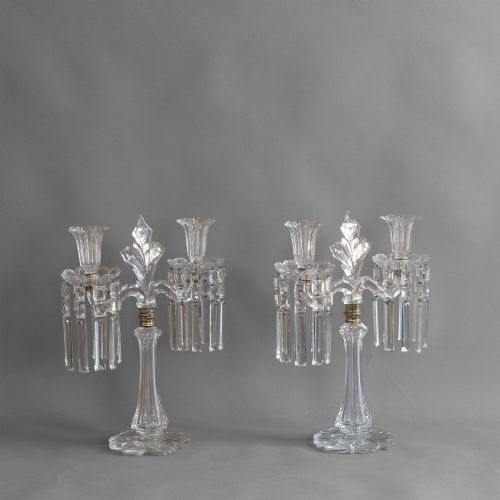
Makers often drew upon varied aesthetic influences, producing French Rococo Revival models, Black Forest animal forms, and simpler tavern designs. Forms range from single-socket candlesticks to triple-arm candelabras and lustres hung with glass drops.
Quality and execution
Quality rests in the crispness of the casting and the weight of the metal utilised in the construction. Finer examples show sharp chisel work on chased details and secure, well-fitted joints between components.
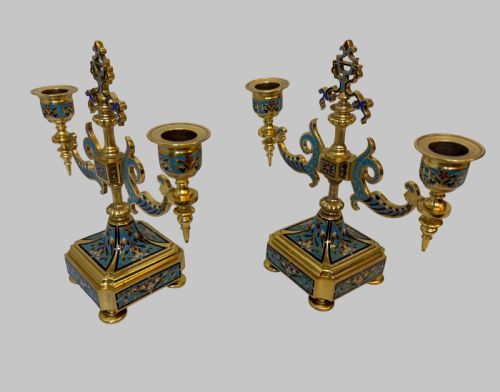
The integration of secondary materials, such as genuine marble bases or hand-applied champleve enamel, distinguishes higher-grade decorative pieces from standard utility lighting. Proportions and symmetry within a pair further determine the standing of an item.
Victorian Brass Mantel Candlesticks Retail Price Guide 2026
Typical asking prices for victorian brass mantel candlesticks among the pieces listed under this phrase on Sellingantiques today, from the lower quarter to the upper quarter. They describe what is for sale here now, not the wider market.
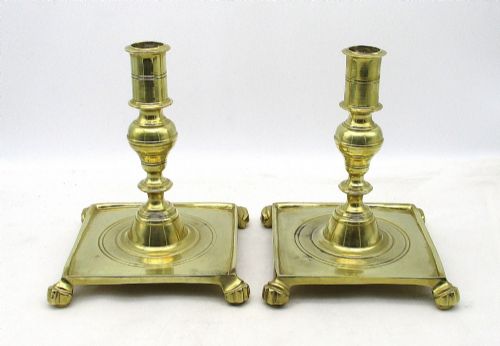
Sturdy brass tavern candlesticks remind us that historical interiors relied on heavy metal bases to survive rowdy evenings and clumsy hands.
The Victorian Brass Mantel Candlesticks Glossary
- Lustre
- A decorative candlestick or candelabra hung with cut glass or crystal pendants designed to reflect candlelight. These glass drops catch and disperse the light from the flame.
- Candelabra
- A branched candlestick holding multiple candles on separate arms. They offer greater illumination and a more imposing decorative scale than single sticks.
- Champleve
- An enamelling technique where troughs are dug into a metal surface and filled with vitreous enamel before firing. The technique creates colourful, patterned decorative fields on bronze or brass mounts.
- Ormolu
- Gilded bronze, where a layer of gold amalgam is applied to a bronze base using heat. This finish provides a bright, durable golden appearance on decorative metalwork.
Victorian Brass Mantel Candlesticks: Frequently Asked Questions
How do I clean antique brass candlesticks?
Dust the surface regularly with a soft, dry cloth to prevent the accumulation of dirt in recessed details. Avoid harsh chemical polishes that strip away historic patination and soften the definition of cast decorations.
If cleaning is necessary, use mild soap and warm water on a damp cloth, drying the metal immediately afterwards. Preserving the natural aged surface maintains the character and historical integrity of the piece.
Are these candlesticks suitable for daily use?
Most antique candlesticks accommodate standard taper candles, though base sockets can vary slightly in diameter due to hand manufacturing methods. Ensure any candle used sits securely and upright within the drip pan.
Extinguish candles before the flame reaches the metal or glass components to prevent thermal shock or heat damage. Many buyers prefer to use them purely for decorative display on mantelpieces.
How can I tell the period of a brass candlestick?
Dating relies on examining manufacturing techniques, such as the transition from sand casting to machine turning during the nineteenth century. Stylistic markers, including Regency bronze mounts or Victorian revival motifs, provide further clues to the decade of manufacture.
Material combinations like champleve enamel or cut glass lustres also point towards specific stylistic phases within the Victorian era. Comparing weight, construction seams, and wear patterns helps confirm age.
What is the difference between a candlestick and a lustre?
A candlestick holds a single candle in an upright socket, designed primarily for direct functional illumination. A lustre includes a ring of glass drops suspended below the candle cup to enhance the visual display.
Lustres often incorporate crystal pendants and cut glass bowls, making them more ornamental objects for a drawing room mantel. Both forms date across the Regency and Victorian periods.