




Pair Late Victorian Candlesticks
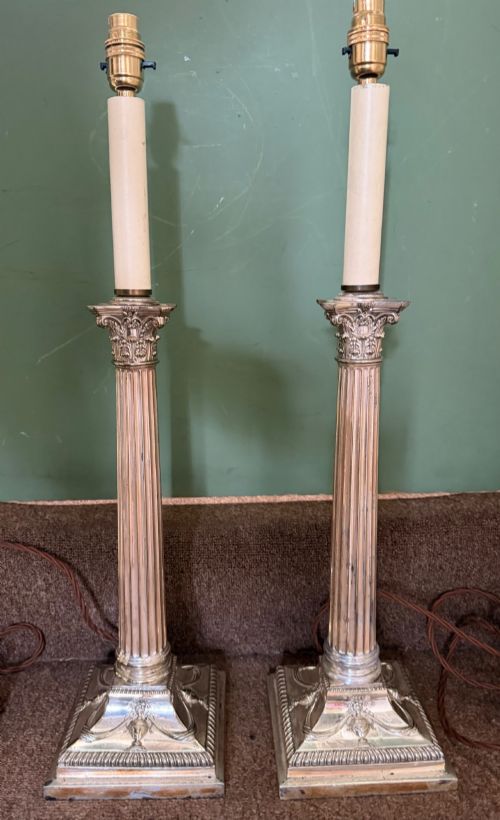
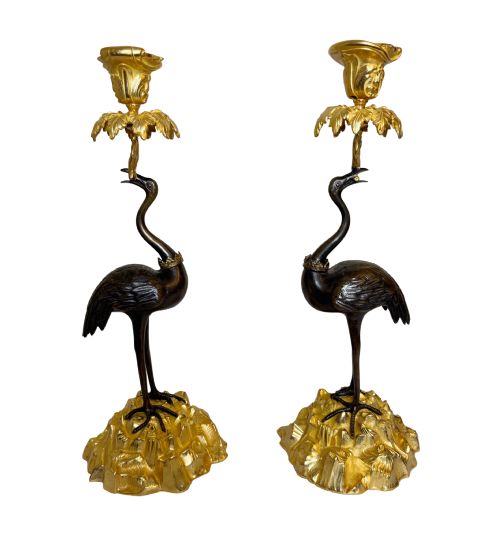
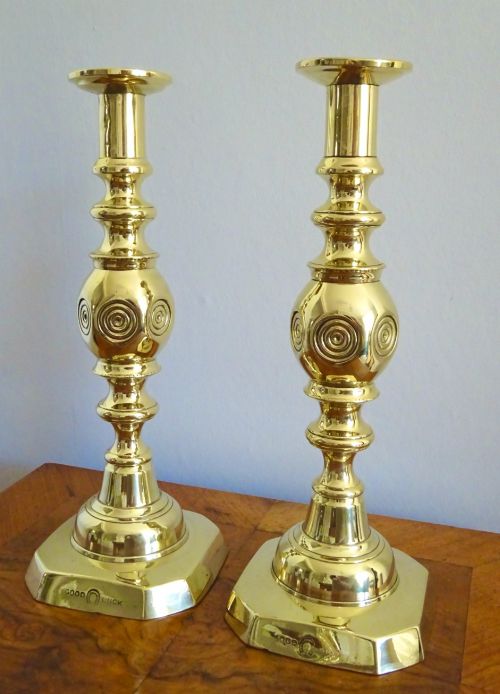
Pair late victorian candlesticks offer dual illumination in brass, silver, and bronze, bringing period symmetry to a mantelpiece.
Pair Late Victorian Candlesticks
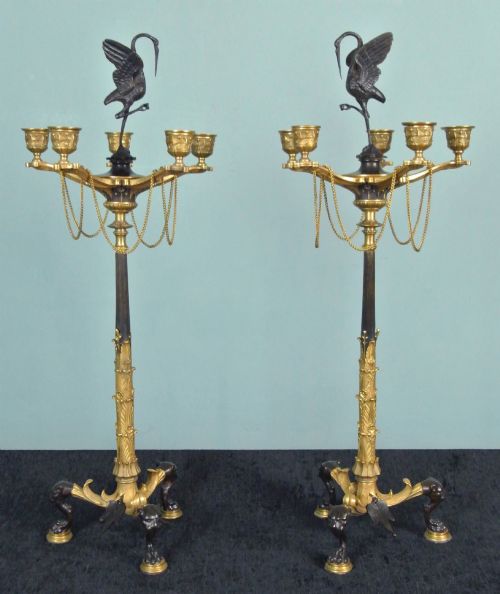
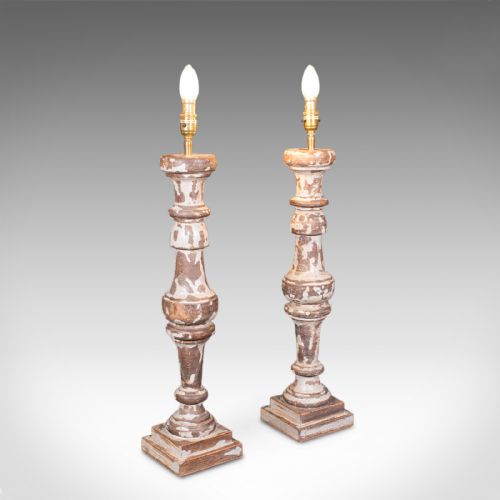
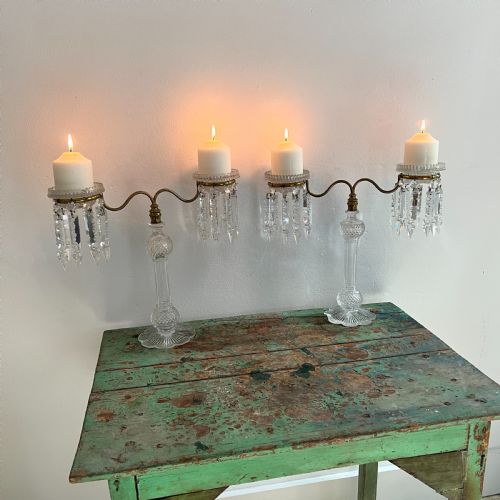
When you search for pair late victorian candlesticks, you encounter matched pairs of lighting supports produced during the late nineteenth century. These items include standard single-light brass and silver candlesticks alongside converted lamp bases, candelabra, and pillar forms.
The selections span standard domestic brassware to substantial silver-plated and solid sterling silver examples, often reflecting contemporary historicism and revival styles. Many pieces originate from English workshops or French foundries working around the eighteen-eighties and nineties.
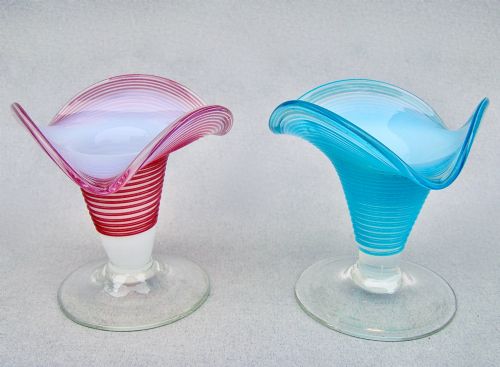
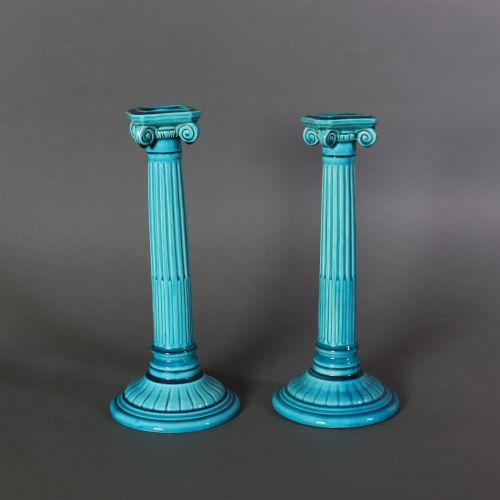
Buyers also meet specialised variants such as telescopic columns, ejector mechanisms, and combinations incorporating mahogany, ceramic inserts, or cut glass. The matching pairs provide symmetrical decoration for dining tables, sideboards, and mantle shelves.
How They Were Made
Metals form the foundation of these objects, utilising cast brass, chased or gilded bronze, ormolu, and sterling silver applied over supportive internal cores. Silver-plated wares typically employ a base metal foundation covered by electroplating.
Complementary materials appear frequently in the construction, including turned mahogany timbers, scarlet tortoiseshell boulle-work, fabric shades, and decorative ceramic sections. Manufacturing methods combine traditional metal casting, hand-chasing, and specialised silver smithing techniques typical of the period.
Pair Late Victorian Candlesticks Retail Price Guide 2026
Typical asking prices for pair late victorian candlesticks among the pieces listed under this phrase on Sellingantiques today, from the lower quarter to the upper quarter. They describe what is for sale here now, not the wider market.
A playful desktop set introduces playing cats and kittens into the Victorian brassware lineup.
What Varies in Quality
The standard of design execution separates mass-produced utility items from ambitious studio output, distinguishing plain columns from finely cast figural pieces or documented designer models. Crispness of detail in moulded motifs and the weight of the metal components indicate the maker's original investment in production.
Material choice dictates the upper tier of the range, where solid sterling silver, heavy gilt bronze, or specialised decorative techniques like boulle-work elevate the object above standard brass or plated wares. Integrity of surface finish and the preservation of original patination preserve the visual authority of each piece.
Frederick J Smith & Co·Dr Christopher Dresser·WM Tonks & Sons·James Hadley·Carrington & Co·Horace Woodward & Co·Thomas Bradbury & Sons·William Hutton
The Pair Late Victorian Candlesticks Glossary
- Ormolu
- A gilded bronze surface finish applied to metalwork to simulate solid gold. This technique gained wide popularity in French and English decorative arts during the nineteenth century.
- Ejector
- A mechanical internal spring or lever system built into the stem to push out the remaining candle stub. This practical device became common in nineteenth-century domestic metalware.
- Boulle-work
- An elaborate marquetry technique utilising tortoiseshell and brass inlay. Pieces featuring this method display distinct contrasting patterns across the stem or base.
- Pricket
- A pointed metal spike fitted on top of a candlestick to secure a candle instead of a conventional socket. This medieval revival form appears on specific ecclesiastical and decorative items.
Pair Late Victorian Candlesticks: Frequently Asked Questions
How do I clean antique brass candlesticks?
Use a soft cloth to remove dust without disturbing the underlying surface finish. Avoid abrasive metal polishes that strip away the aged patination accumulated over generations.
Gentle cleaning maintains the historic character of the metalwork. Preservation of the original tone remains paramount for collectors.
Were these candlesticks converted to lamps?
Many examples on the market retain their original candle-holding function, while others underwent conversion into electric table lamps during later decades. These conversions frequently utilise existing structural channels for wiring.
Buyers find both unmodified lighting instruments and period lamp bases. Inspecting the socket fittings reveals whether the wiring is a later addition.
How can I date a late nineteenth-century pair?
Hallmarks on silver items provide precise assay office ciphers and date letters for exact verification. Stylistic cues such as Aesthetic movement motifs or Arts and Crafts simplicity help bracket unmarked brass and bronze pieces.
Comparative analysis of manufacturing techniques narrows the production window. Documentation from specific makers further refines the timeline.