
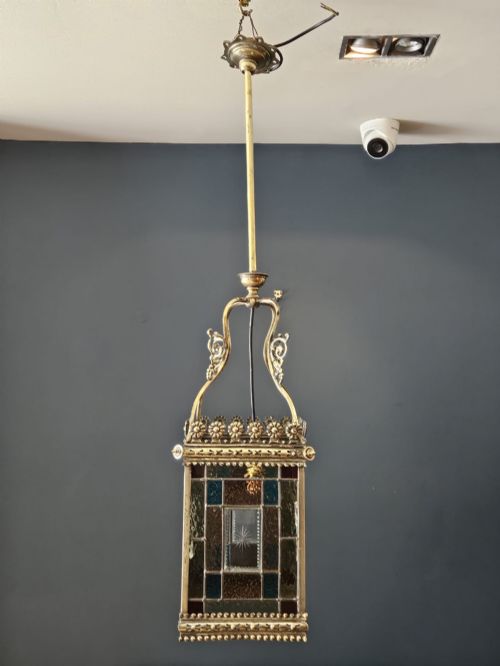
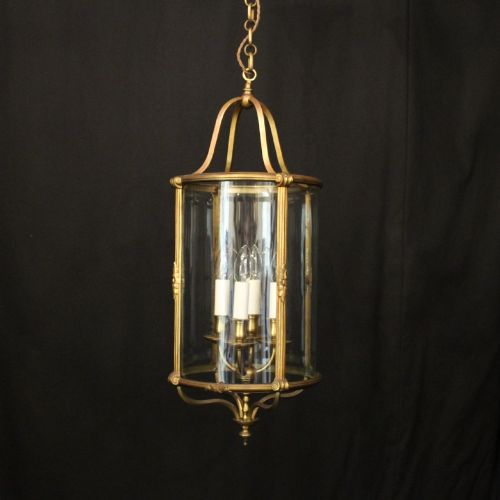
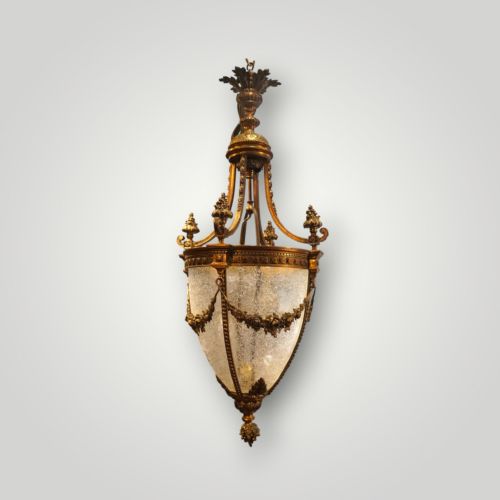
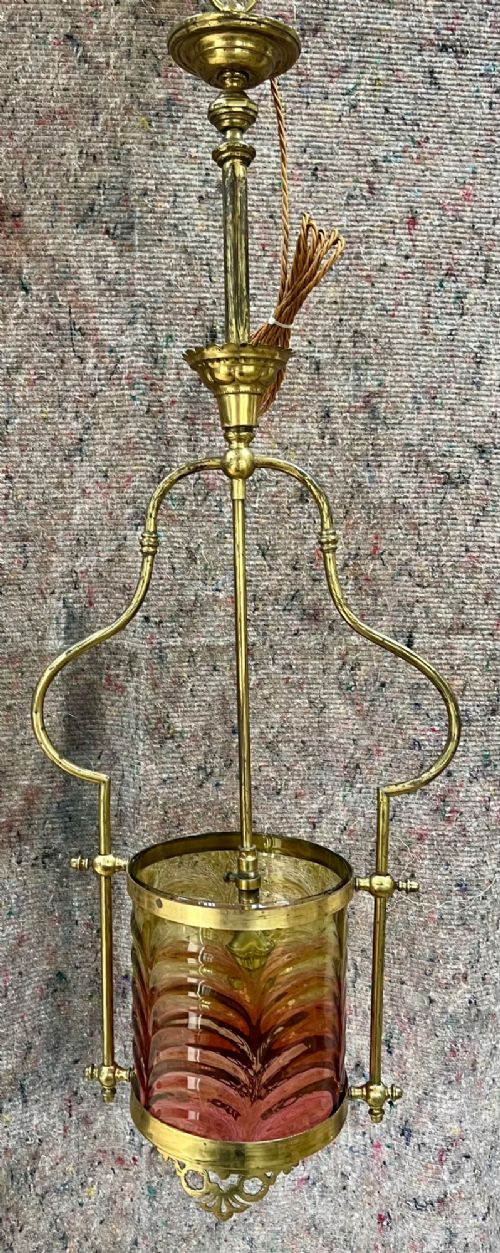


Victorian Brass Lantern Light
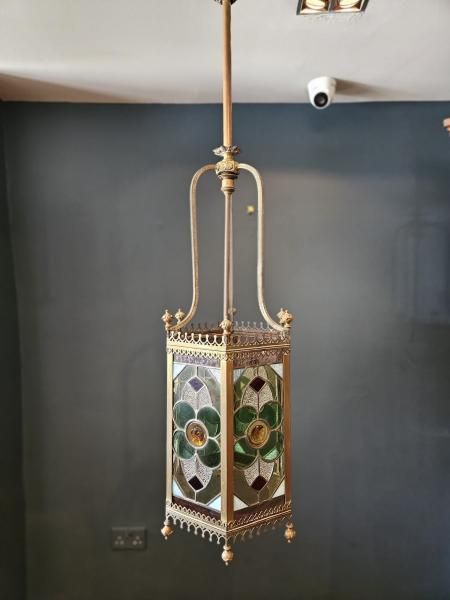
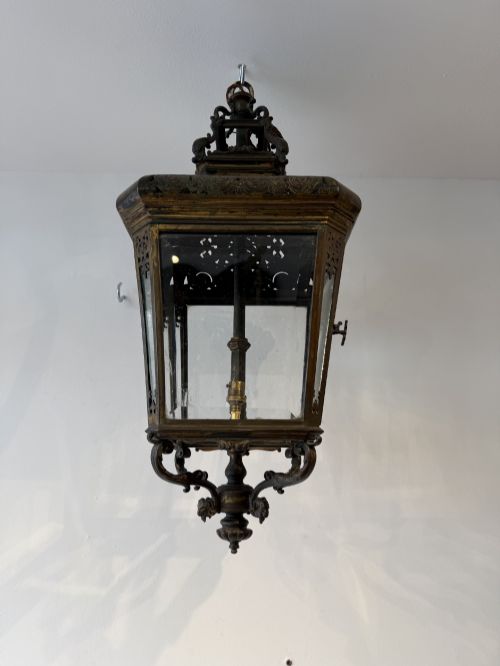
A victorian brass lantern light brings warmth and period character to hallways and porches, casting patterned shadows through leaded glass.
Victorian Brass Lantern Light
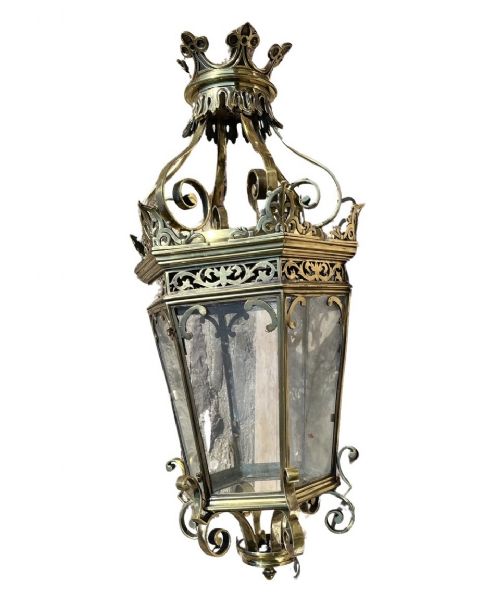
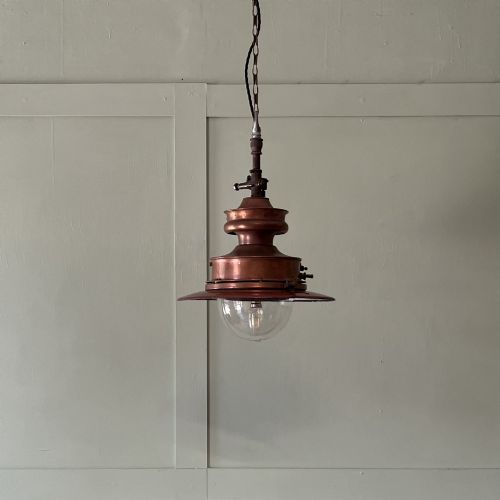
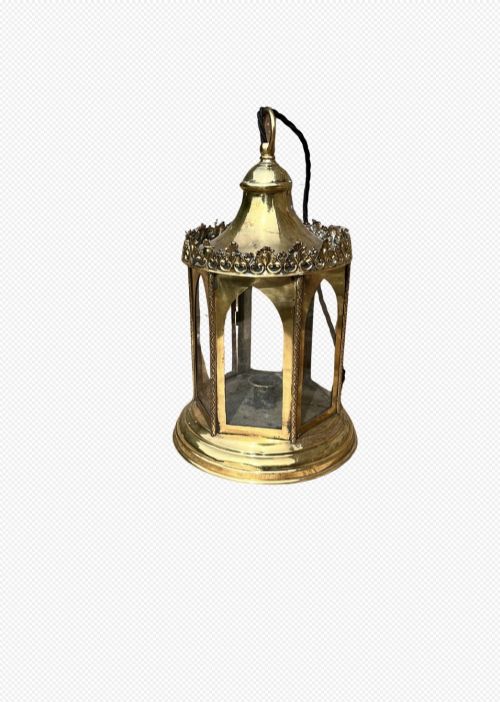
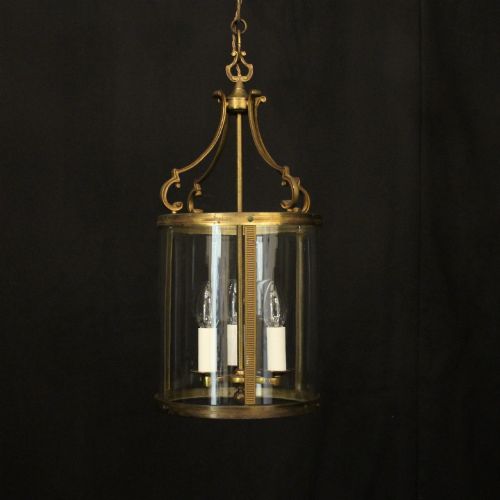
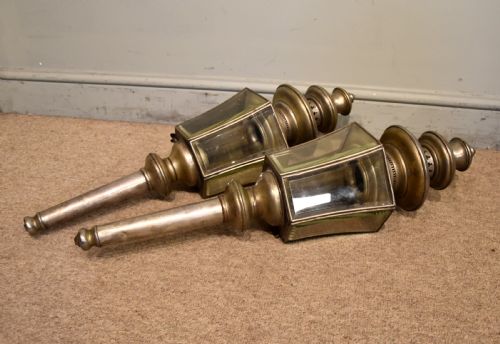
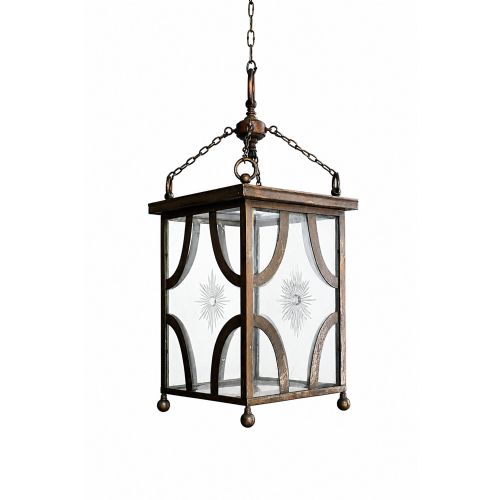
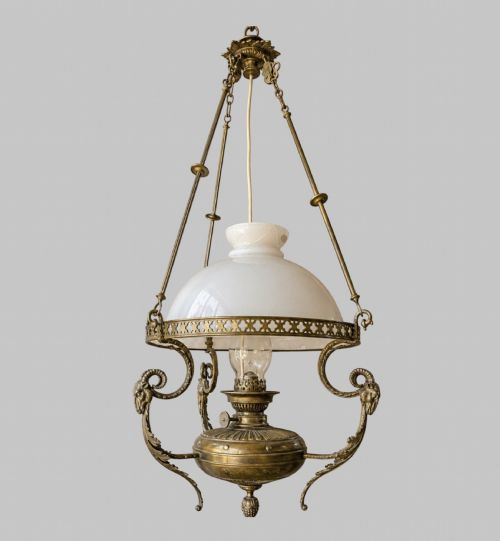
A buyer searching for a victorian brass lantern light encounters a distinct group of hanging and ceiling fixtures originating from the nineteenth century onward. These pieces take the form of hexagonal hall lanterns, carriage lamps, and pendant lights designed to illuminate entryways and passages.
The versions most commonly found here include brass framed examples with leaded or stained glass panels, alongside French gilded bronze and English hall lanterns. Objects span the Victorian era into the Edwardian period, often reflecting styles such as Gothic Revival and Arts and Crafts.
Materials and Technique
Makers constructed these lanterns using brass, gilt bronze, copper, and cast iron, joined with lead cames to secure the glass panels. Metalwork involved casting, piercing, and polishing, creating sturdy frames capable of supporting heavy glass.
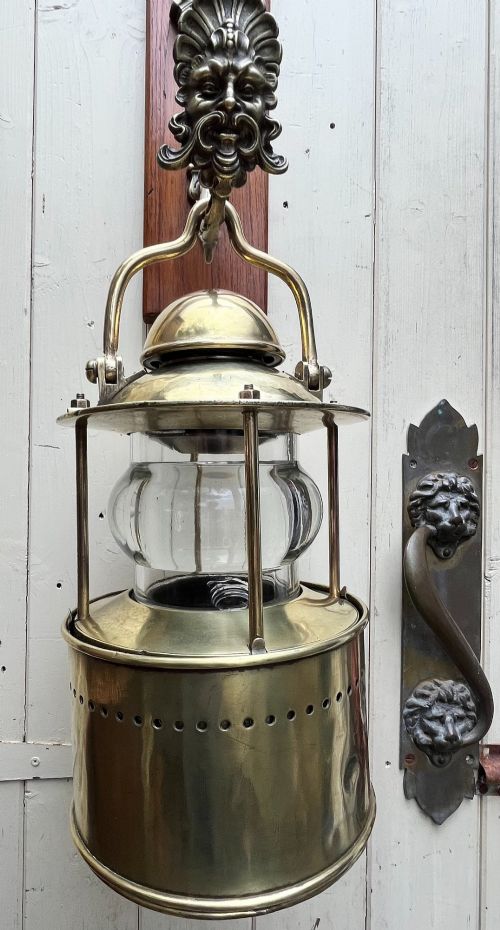
Lighting mechanisms evolved from early paraffin and oil burners, such as the Hinks burner, to later electrical conversions. Hand-soldered leaded glass and fitted side doors allowed for practical maintenance and oil replenishment.
Listings feature items dated from the nineteenth century through the nineteen-thirties, incorporating materials like copper, bronze, and leaded glass.
Defining Quality
Quality rests upon the weight of the metal framework and the precision of the glasswork. Heavier cast brass or bronze frames with intricate pierced detailing distinguish finer examples from standard production pieces.
The integrity of the soldering on leaded or stained glass panels, alongside the presence of original burners or matching wall brackets, indicates the level of original craftsmanship.
Perry & Co
The Victorian Brass Lantern Light Glossary
- Lead came
- The grooved lead strips used to hold individual pieces of glass together in a window or lantern. This technique creates geometric patterns characteristic of ecclesiastical and domestic lighting.
- Hinks burner
- A specific type of duplex oil burner patented in the nineteenth century for increased illumination. It provides a reliable method for burning paraffin safely within enclosed lamps.
- Gilt bronze
- Bronze metal treated with a thin layer of gold or gold-coloured wash to give a rich surface finish. It appears frequently on decorative French hall lanterns.
- Gimbal
- A pivoted support ring that allows a lamp or compass to remain level despite the motion of a ship or train. These utilitarian pieces were standard in transport lighting.
- Opaline glass
- A pale, translucent white glass that diffuses light softly without total transparency. It was often utilised for lamp shades and globes during the Victorian period.
Victorian Brass Lantern Light: Frequently Asked Questions
How do I install a hanging hall lantern?
Most of these fixtures hang from a ceiling hook or chain connected to a solid ceiling joist. Professional electricians handle the wiring to ensure safe operation with modern mains power.
Weight varies considerably between cast bronze and lighter sheet brass models, so ceiling fixings must match the specific load of the lantern.
Can I use LED bulbs in an antique oil lamp conversion?
Many converted lamps accept standard modern bulbs once fitted with appropriate lamp holders during rewiring. Low heat output protects fragile historic glass and soldered joints.
Consulting a specialist ensures the internal wiring preserves the original aesthetic while meeting current electrical safety standards.
How do I clean stained glass panels safely?
Warm water and a soft cloth remove dust without damaging the lead cames or historic glass surfaces. Avoid harsh chemical cleaners that strip patination from the brass.
Patination on older metal develops over decades and benefits from gentle dusting rather than aggressive polishing.
What is the difference between a hall lantern and a carriage lamp?
Hall lanterns typically feature hanging chains or flush ceiling mounts designed for interior domestic entryways. Carriage lamps incorporate brackets meant for mounting on the exterior of vehicles or porch walls.
Both styles utilise glass panes to protect the flame from wind, but their mounting hardware reflects their original placement.