





Brass Maritime Lamp
A brass maritime lamp brings utilitarian nautical engineering into domestic interiors through heavy metal construction and gimballed designs.
Brass Maritime Lamp
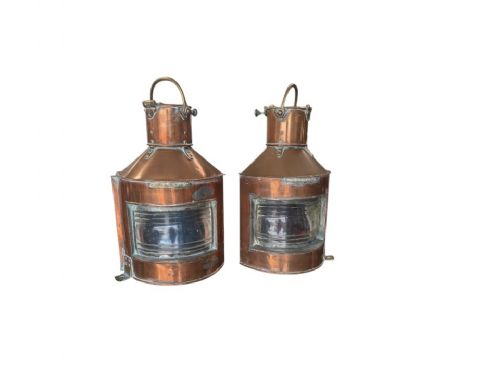
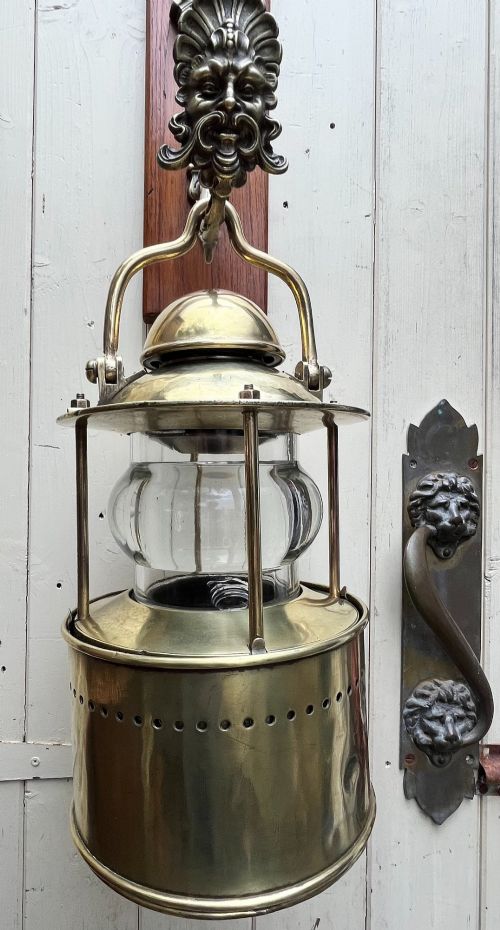
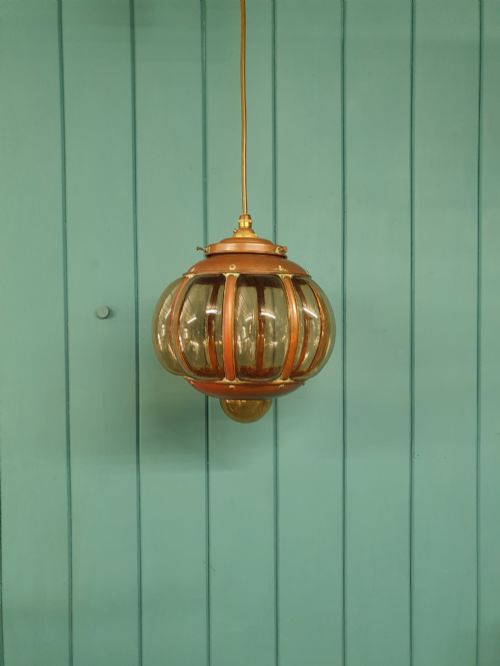
A brass maritime lamp encompasses heavy metal lighting fixtures originating from ships, trains, and maritime environments, spanning from the Victorian era through the mid twentieth century. Buyers seeking a brass maritime lamp will encounter varied forms such as gimbal lamps, port and starboard lanterns, oil lamps, table lamps, and pendant lights.
The objects on this page bridge functional maritime engineering and interior decoration, utilising materials like brass, copper, nickel, and smoked glass. The selection ranges from Edwardian industrial pieces to Victorian and early twentieth century designs created for practical utility on water or rail.
Most pieces seen here demonstrate robust construction intended to withstand harsh marine conditions, featuring heavy metal housings and specialised mounting brackets. The variety extends across wall lanterns, ship lanterns, and gimballed lights designed to remain level despite vessel movement.
Materials and construction methods
Makers constructed these pieces primarily from solid brass and copper, often adding nickel plating for enhanced durability and corrosion resistance in marine environments. Structural components frequently incorporate heavy cast metals paired with blown or smoked glass to protect flames and bulbs from wind and spray.
Assembly relied on traditional metalworking techniques including riveting, soldering, and turning, alongside specialised gimbal rings that allowed lamps to pivot freely on axes. Enamelled iron and wooden elements also appear in specific mounting bases and structural supports.
Brass Maritime Lamp Retail Price Guide 2026
Typical asking prices for brass maritime lamp among the pieces listed under this phrase on Sellingantiques today, from the lower quarter to the upper quarter. They describe what is for sale here now, not the wider market.
Listings span periods from the 1880s through the 1940s, featuring brass, copper, nickel, and smoked glass.
Factors separating examples
Quality in these items is defined by the integrity of the metalwork, the precision of the gimbal mechanisms, and the survival of original components such as clear or smoked glass panels. Heavier gauge brass and nickel plating indicate robust commercial or naval manufacture designed for demanding service.
The presence of legible maker marks, specific workshop stampings, and original surface patination distinguish standard production items from workshop outputs bearing named foundry attributions. Engineering complexity, such as functioning gimbals and intact oil burners, separates complete survivals from altered conversions.
Eli Griffiths & Sons Birmingham·Alderson & Gyde Ltd·William McGeoch & Co
The Brass Maritime Lamp Glossary
- Gimbal
- A pivoted support ring that allows a lamp to remain level regardless of the motion of a ship or train. This mechanical arrangement prevented fuel spillage and uneven burning.
- Port and Starboard
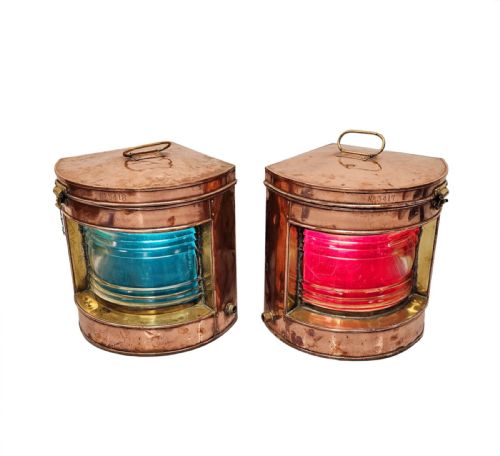
- The nautical designations for the left and right sides of a vessel, traditionally identified by red and green glass lenses in navigation lanterns.
- Nickel-Plated Brass
- A brass base covered with a thin layer of nickel through electroplating. This finish provided a bright, reflective surface resistant to salt corrosion.
- Smoked Glass
- Darkened or translucent glass used in pendant lights and lanterns to diffuse glare. It softens the output of oil flames or early electric bulbs.
- Edwardian Industrial
- A style period reflecting the utilitarian manufacturing aesthetic of the early twentieth century. Objects from this era combine heavy metal utility with functional design.
Brass Maritime Lamp: Frequently Asked Questions
What is a gimbal lamp?
A gimbal lamp uses a system of pivoting rings that lets the light swing freely and remain upright. This design kept oil flames steady when ships rolled at sea.
Such lamps were mounted on bulkheads in cabins or chartrooms where constant movement made standard table lighting impractical.
How do I identify port and starboard lanterns?
Port and starboard lanterns feature specific coloured glass lenses or panels to indicate direction at sea. Starboard corresponds to the right side, while port denotes the left.
These lanterns often carry stamped brass plates detailing the maker, pattern number, and vessel side for navigation compliance.
How do I clean a brass maritime lamp?
Cleaning depends on whether you wish to preserve the aged surface patination or expose the bright metal beneath. Light dusting and microfibre cloths maintain the outer layer without removing historical wear.
Aggressive metal polishes can strip original patination and obliterate subtle surface details accumulated over a century of maritime service.