
Victorian Brass Instrument
A victorian brass instrument brings the precision and craftsmanship of the nineteenth century directly into a room.
Victorian Brass Instrument
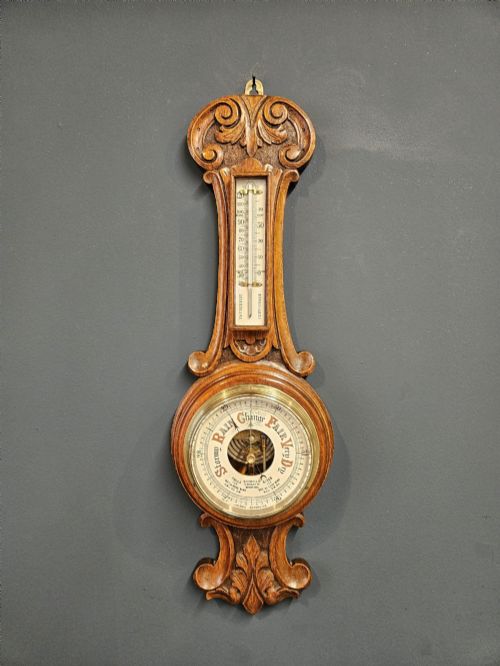
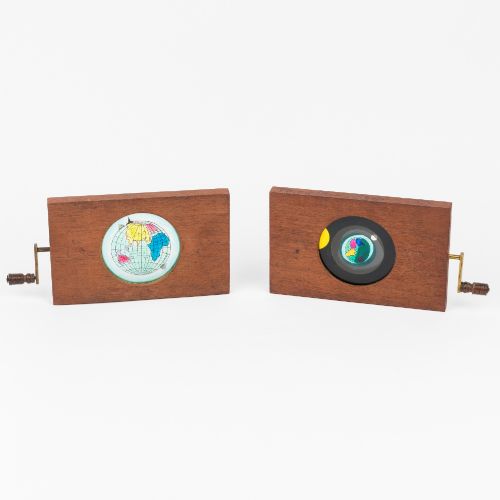
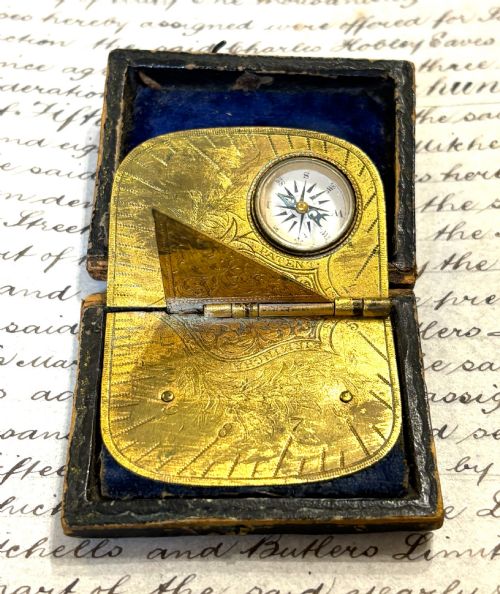
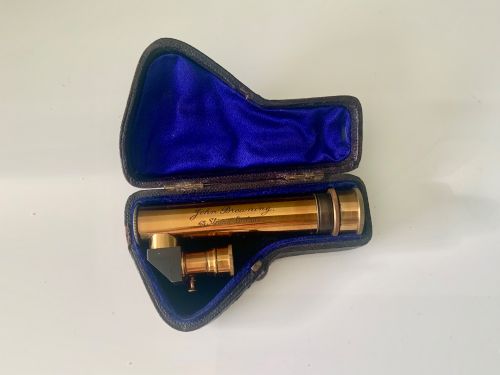
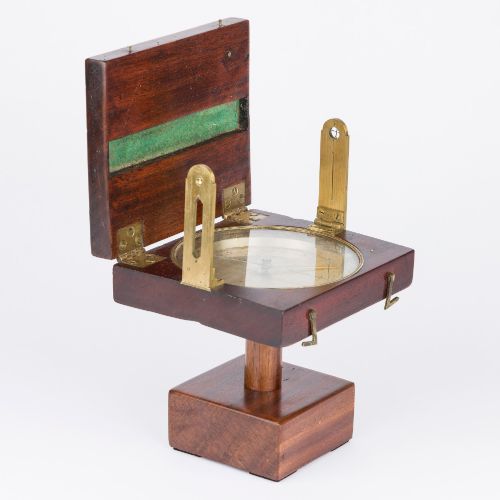
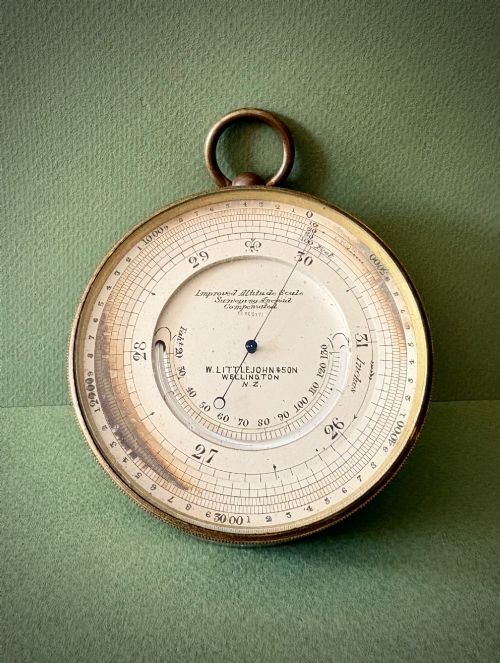
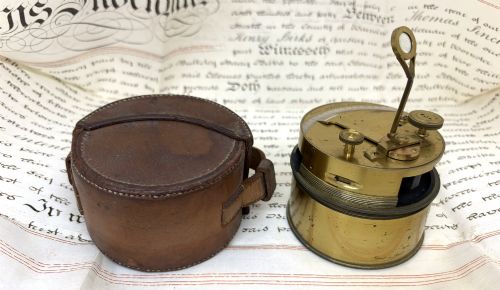
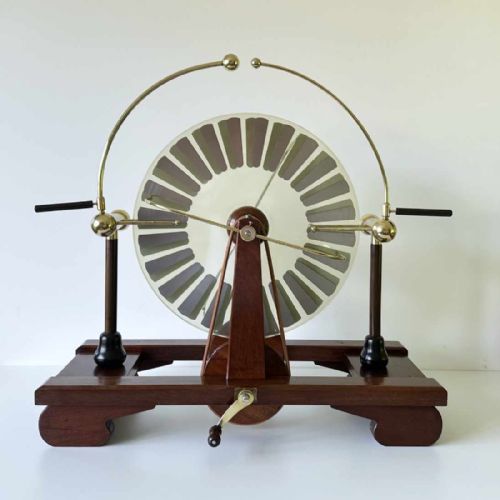
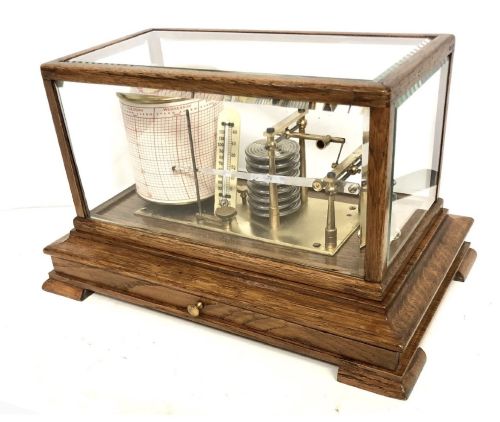
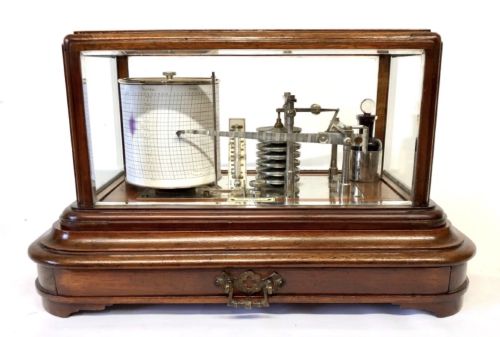
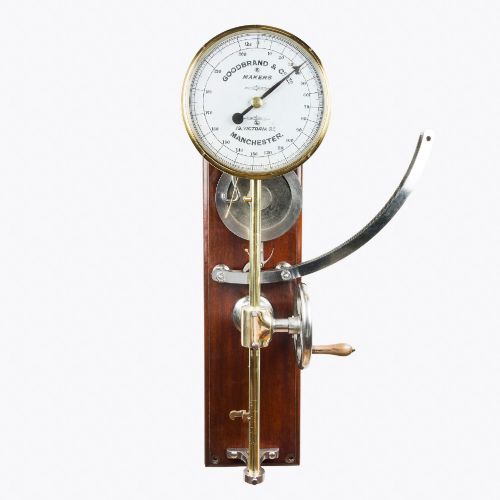
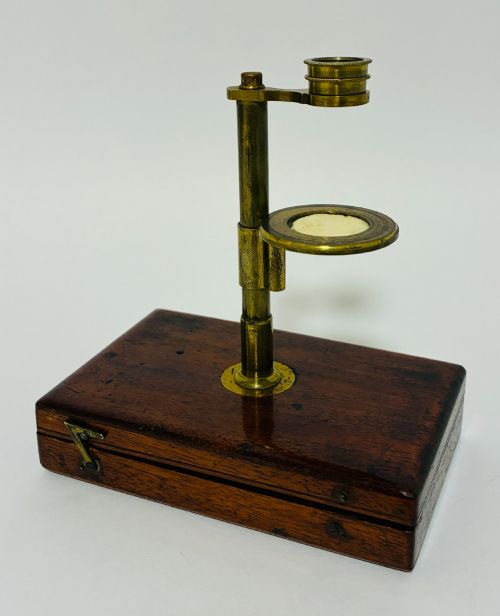
A victorian brass instrument encompasses a diverse array of scientific, maritime, and domestic objects created during the nineteenth century. These pieces range from pocket barometers and field microscopes to surveyors compasses, telescopes, and barographs.
Scientific instruments predominate on this page, reflecting the era's intense fascination with measurement, navigation, and natural philosophy. Buyers encounter both portable pocket devices and substantial cased apparatuses designed for desk or field use.
Most examples originate from British workshops and makers, frequently housed in fitted mahogany or oak cases with glass and paper components. These devices bridge the gap between utilitarian scientific tools and decorative objects of substantial presence.
How They Were Made
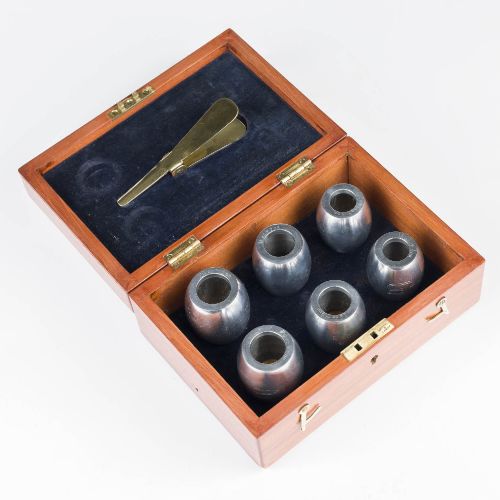
Brass serves as the primary structural and visual medium, polished or left with a warm, patinated finish, often combined with mahogany, oak, or walnut for fitted cases. Interior components integrate glass lenses, paper scales, steel needles, and velvet linings.
Master craftsmen constructed these pieces by hand, engraving fine scales and calibrated dials with remarkable precision. Mechanical assemblies relied on turned metal, delicate pivots, and specialised gearing tailored to each specific function.
What Varies in Quality
Quality rests upon the crispness of the engraved markings, the smoothness of mechanical movements, and the fidelity of the original housing. Superior examples retain their original fitted wooden cases, matching brass components, and legible maker signatures.
The sophistication of the mechanism itself distinguishes standard production pieces from advanced scientific apparatuses. Greater complexity in design, such as aneroid barometers with altitude adjustments or binocular microscopes, indicates higher original manufacture.
Negretti and Zambra·John Browning Strand London·De Grave Short and Co·G Davis of Leeds·Baker London·Wilh Lambrecht Gottingen·Aitchison·L Casella and Co·Poulenc Freres·Hughes and Son London·Elliott Brothers·Short and Mason London·M Pillischer of London·Antoine Redier·Alfred Apps·Thomas Rubergall·Patrick Adie of London·Day and Millward·J Hicks of London
The Victorian Brass Instrument Glossary
- Barometer
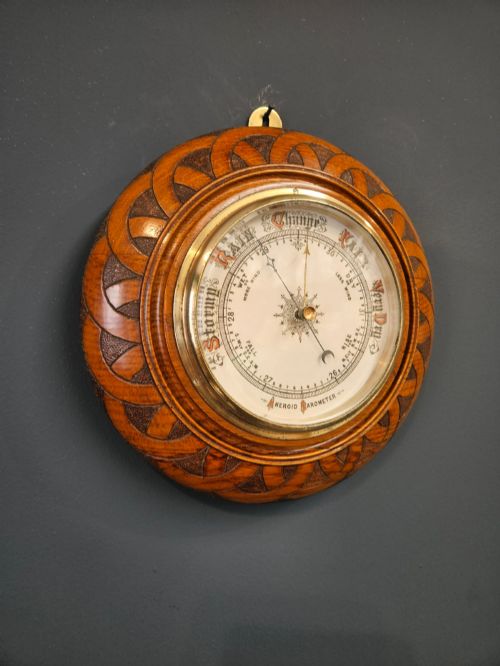
- An instrument used to measure atmospheric pressure in order to forecast weather. Many Victorian versions feature delicate dial faces and brass bezels.
- Aneroid
- A type of barometer that measures pressure without liquid, using a small, flexible metal box. This design allowed for portable pocket barometers.
- Orrery
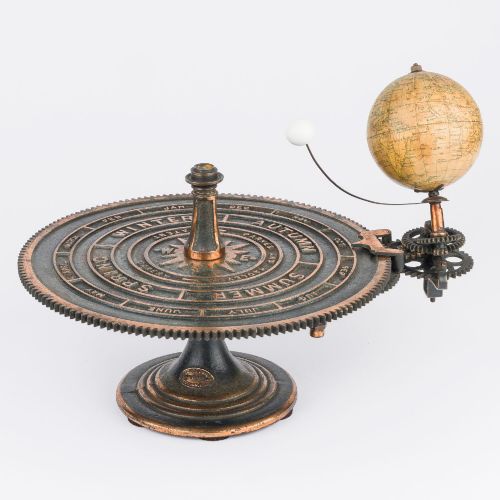
- A mechanical model of the solar system that illustrates the relative positions and motions of planets and moons. These complex brass devices date to the nineteenth century and earlier.
- Hygrometer
- An instrument used for measuring the humidity level in the air. Nineteenth-century examples often utilised hair or wet and dry bulb mechanisms.
- Theodolite
- A precision optical instrument used for measuring angles in horizontal and vertical planes. Surveyors utilised these heavy brass devices mounted on folding tripods.
Victorian Brass Instrument: Frequently Asked Questions
What is a victorian brass instrument?
A victorian brass instrument is a nineteenth-century device used for scientific measurement, navigation, or observation. These objects include barometers, microscopes, telescopes, and compasses constructed primarily from polished brass.
Most pieces reflect the period's rigorous scientific inquiry and utilitarian design. They combine functional mechanical engineering with the decorative warmth of nineteenth-century metalwork.
How were these instruments used originally?
These devices served practical purposes in fields ranging from marine navigation and land surveying to meteorology and microscopy. Professionals relied on them for precise field measurements, while domestic users monitored weather and time.
Portable pocket versions allowed travellers and observers to take readings on the go. Larger cased apparatuses remained stationary in studies, ships, or laboratories.
How do I display a victorian brass instrument?
These pieces suit desks, bookshelves, and tabletops where their metallic warmth and mechanical complexity can be appreciated closely. Many instruments sit securely within their original wooden cases or on folding brass tripods.
Placing them away from direct moisture helps preserve the historic brass patina and delicate paper scales. Allowing adequate space around each object highlights its intricate construction.
How do I identify the date of a victorian brass instrument?
Dating relies on engraved maker signatures, patent dates, and stylistic clues within the metalwork and wooden cases. Surviving trade labels and retailer stamps often point to specific decades in the nineteenth century.
Materials such as mahogany cases and bevelled glass align with specific Victorian manufacturing periods. Comparing the mechanical form to documented designs helps narrow the production era.