

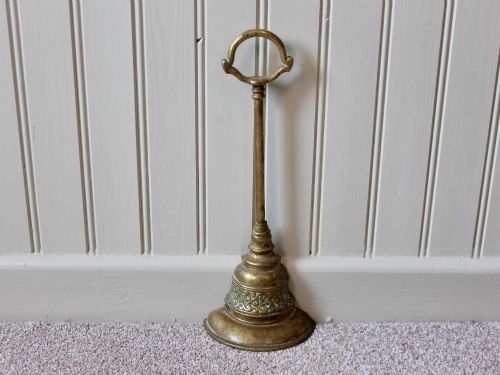
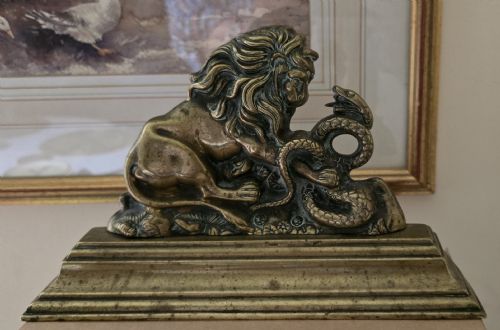


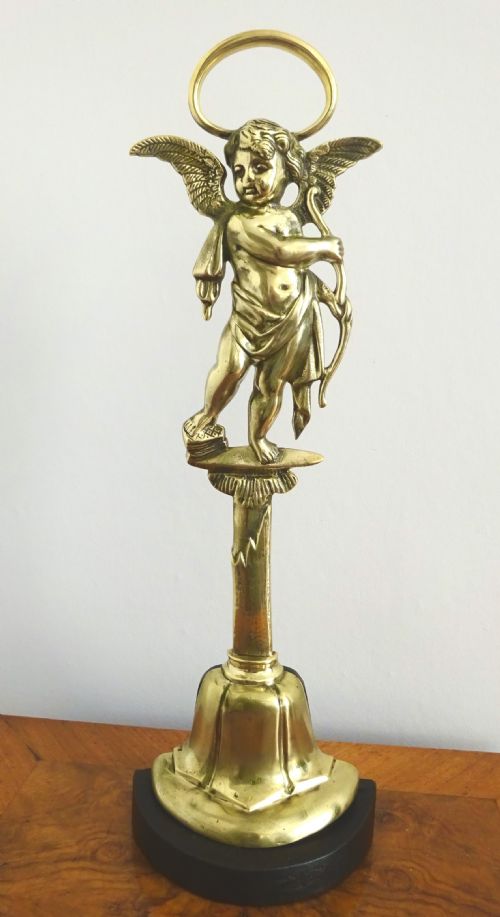

Victorian Brass Door Stop
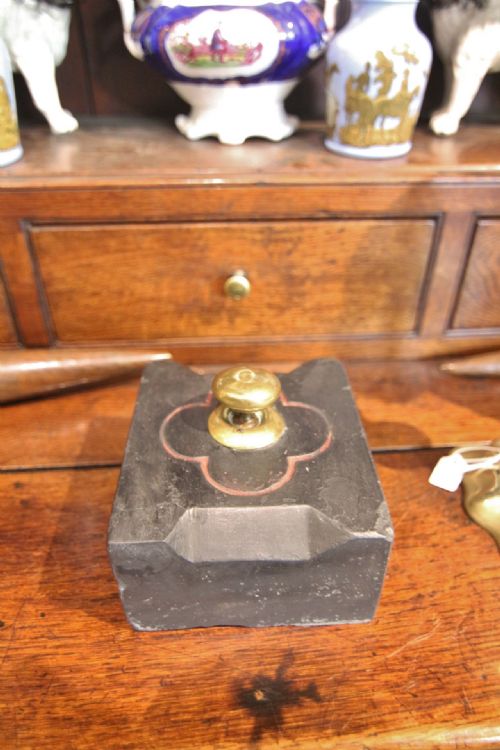
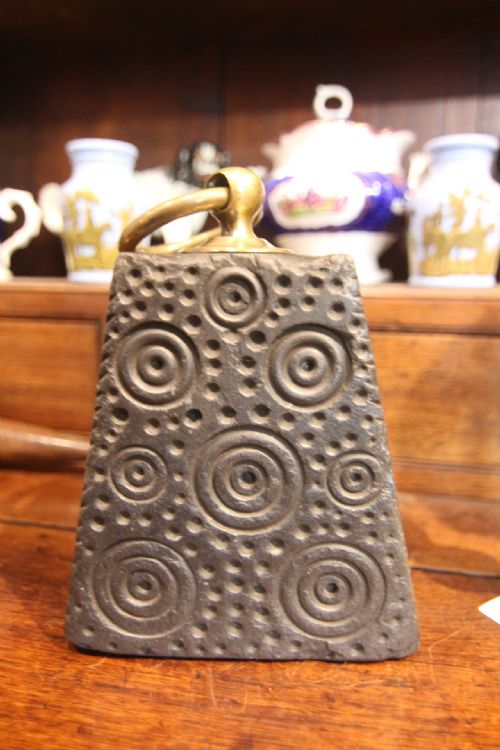
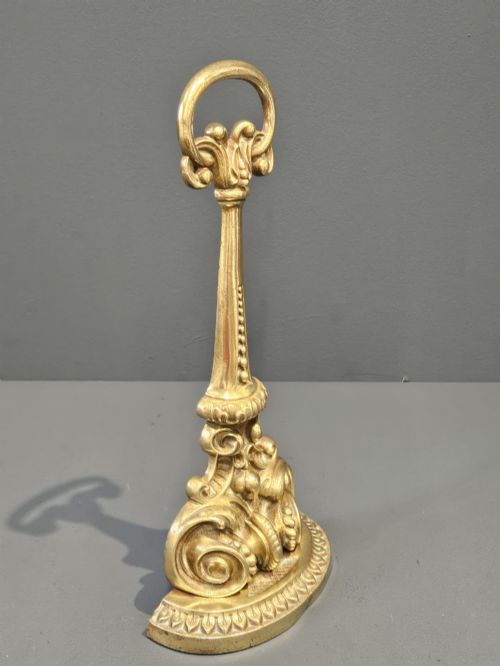
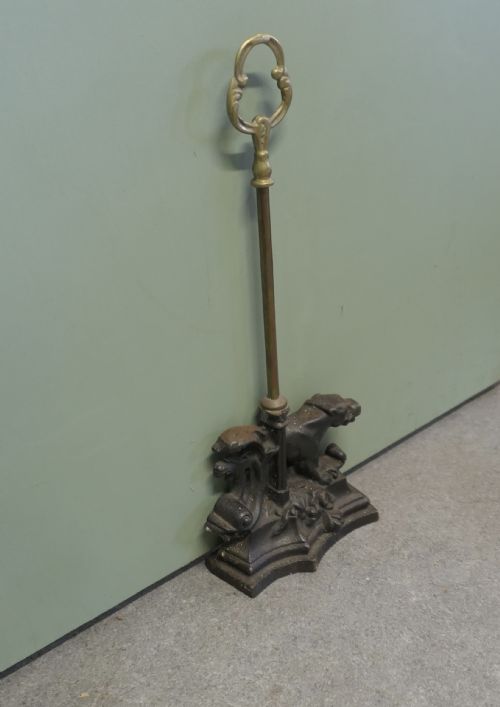
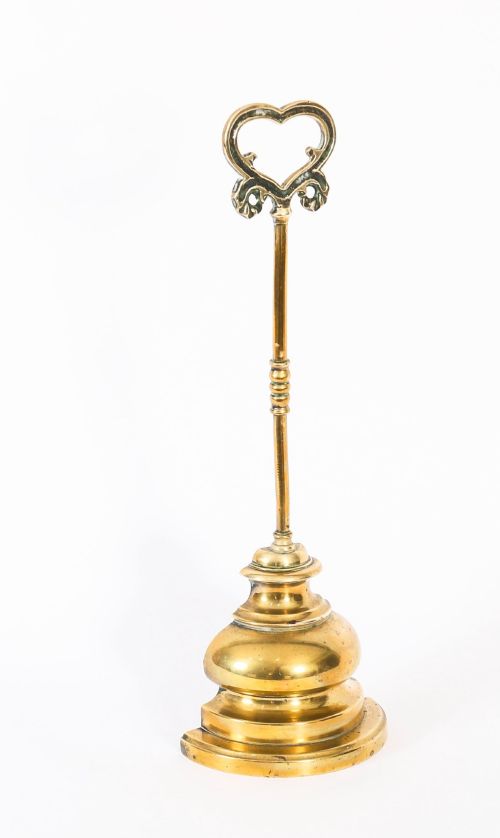
These Victorian brass door stops are heavy metal weights shaped to prop open heavy doors with style and presence.
Victorian Brass Door Stop
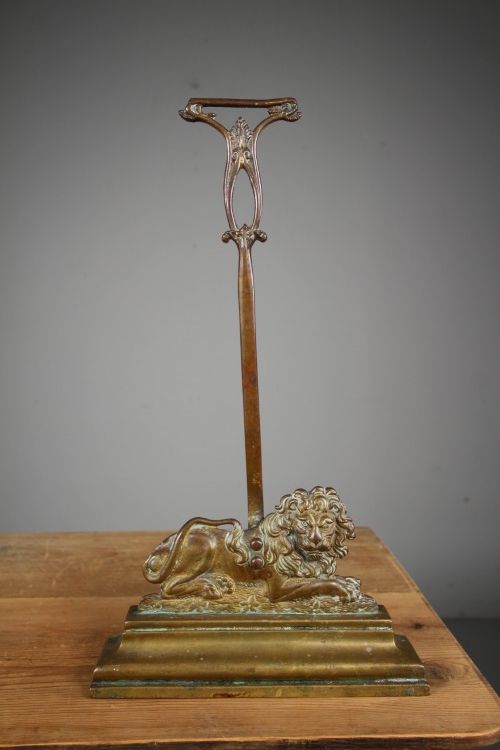
A victorian brass door stop is a substantial metal object designed to hold interior doors open against draughts. Most examples on this page date from the nineteenth century, taking the form of figural door porters or cast brass doorstops.
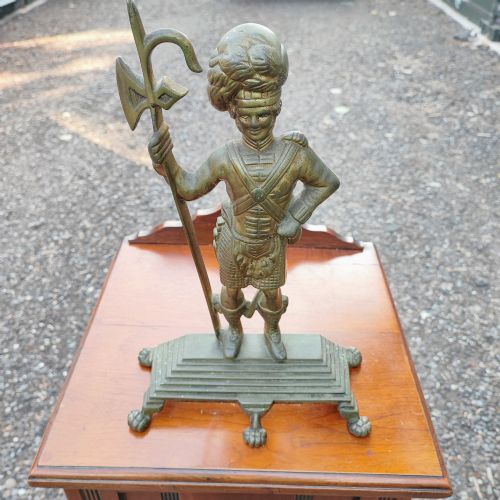
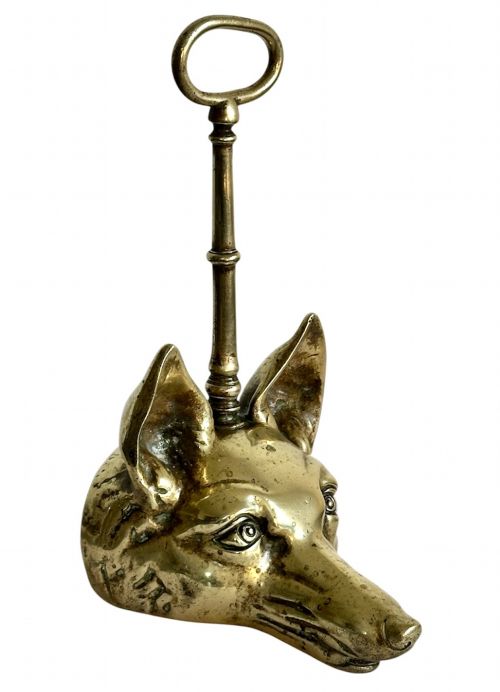
The range of subjects spans from heraldic beasts and military figures to popular characters and animals like horses, foxes, and lions. Many pieces combine a cast brass front with an iron back or internal weight to provide the necessary heft.
Makers such as Tonks produced notable figural designs, while others remain unsigned English foundry work from the Victorian, Late Regency, and Georgian periods. Buyers encounter standing soldiers, historical portraits, and whimsical characters in heavy metal.
Materials and construction
Foundries used sand casting techniques to pour molten brass and cast iron into detailed moulds, creating robust figures with integrated handles or loops at the top. The primary metal is brass, often paired with cast iron to add weight at the base.
Surface finishes vary from polished brass to patinated bronze and blackened iron, reflecting how individual foundries prepared their metalwork. Makers attached the figural fronts to weighted bases or cast them as solid single pieces of heavy metal.
Victorian Brass Door Stop Retail Price Guide 2026
Typical asking prices for victorian brass door stop among the pieces listed under this phrase on Sellingantiques today, from the lower quarter to the upper quarter. They describe what is for sale here now, not the wider market.
Dr Jim stands ready on the carpet to keep the study door from swinging shut.
Assessing quality and character
The integrity of the weighted base and the proportion of solid brass versus secondary iron dictate the structural success of the door stop. Heavier, well-balanced specimens with distinct chasing and original patination stand apart from plainer utilitarian versions.
Tonks
The Victorian Brass Door Stop Glossary
- Door porter
- An alternative term for a heavy door stop designed to be lifted by an integrated handle. These pieces were portable and moved around large houses as needed.
- Cast brass
- Molten alloy poured into a mould to create decorative metalwork. This technique allowed Victorian founders to achieve intricate figural shapes.
- Cast iron
- A heavy, durable metal frequently utilised for the internal weights or backing plates of door stops. It provided the necessary mass at a lower material cost than solid brass.
- Patina
- The surface sheen and oxidation developed on metal over decades of exposure and handling. Original patination adds depth to antique brass surfaces.
- Figural
- Representing a human or animal form rather than a purely abstract or geometric design. These figurative door stops often depict soldiers, animals, and historical figures.
Victorian Brass Door Stop: Frequently Asked Questions
How heavy are these door stops?
Most examples weigh several kilograms to ensure they can hold open heavy wooden doors in draughty hallways.
Their substantial mass comes from solid cast brass construction or internal iron weighting hidden behind the decorative front.
Were these used in every room?
These functional objects were typically placed in principal reception rooms, parlours, and hallways where grand doors required propping open.
Servants moved them between rooms as needed to manage ventilation and movement through the house.
How do I clean antique brass?
Routine dusting with a soft cloth is usually sufficient to maintain the surface without disturbing the aged patina.
Avoid aggressive metal polishes that strip away the historical darkening and character accumulated over the centuries.
How can I tell the period?
Dating relies on the casting style, subject matter, and the composition of the metal alloys used in the base.
Victorian pieces often feature distinct figural subjects like military uniforms or literary characters characteristic of nineteenth-century production.