
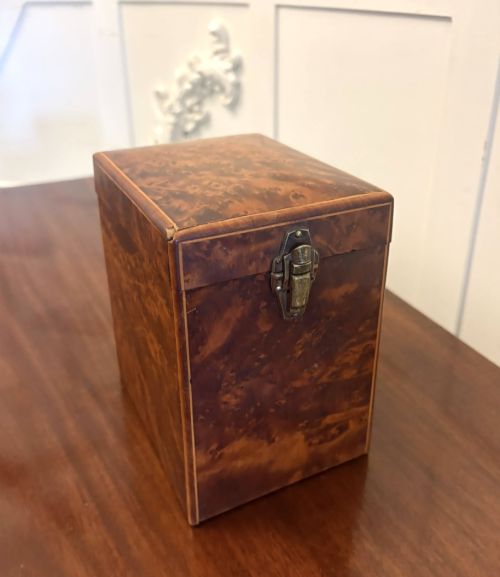
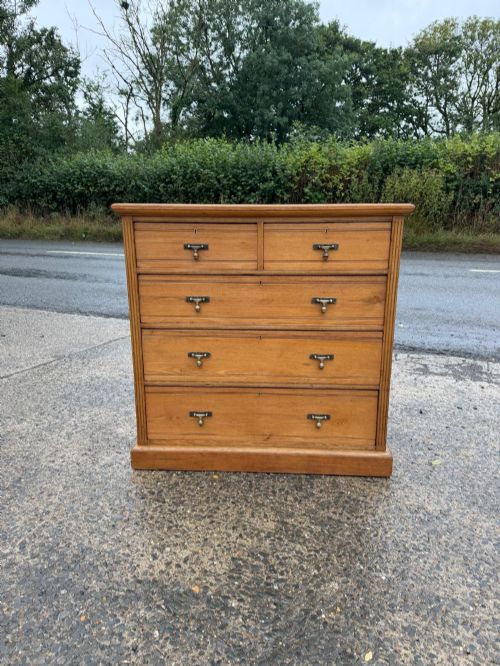
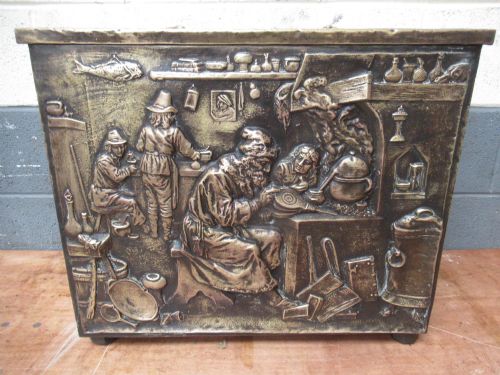
Victorian Brass Chest
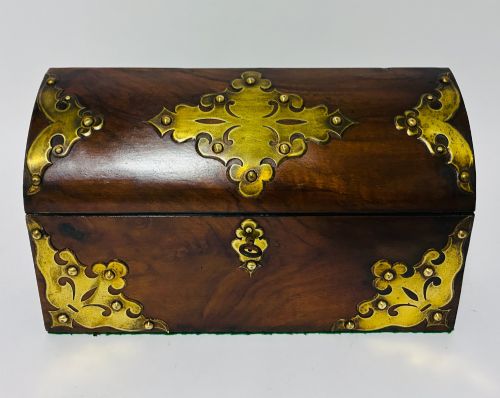
A victorian brass chest combines heavy timber construction with protective metal mounts designed originally for travel and colonial service.
Victorian Brass Chest
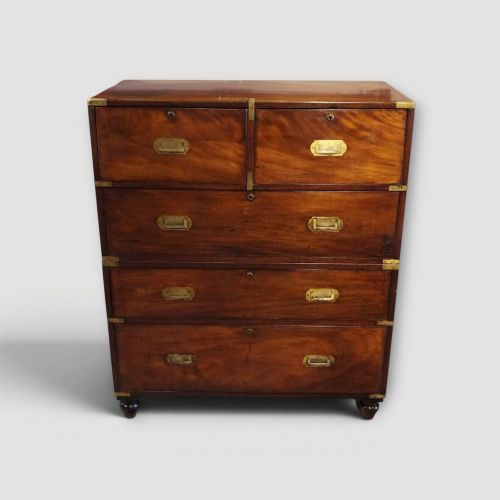
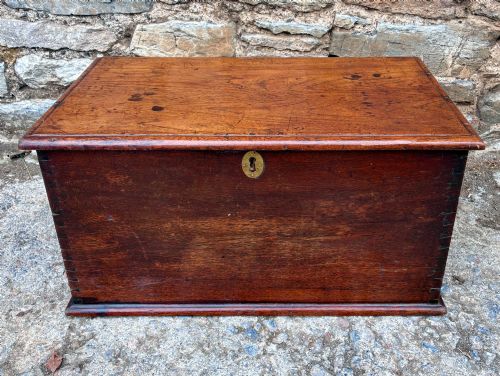
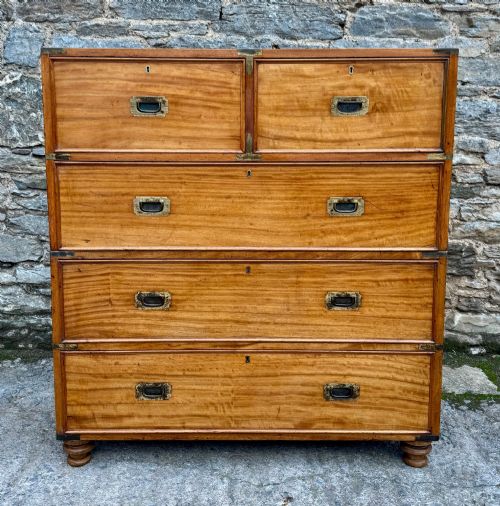
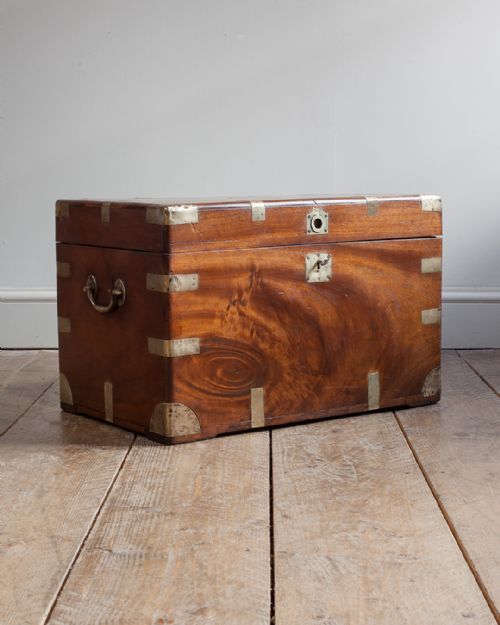
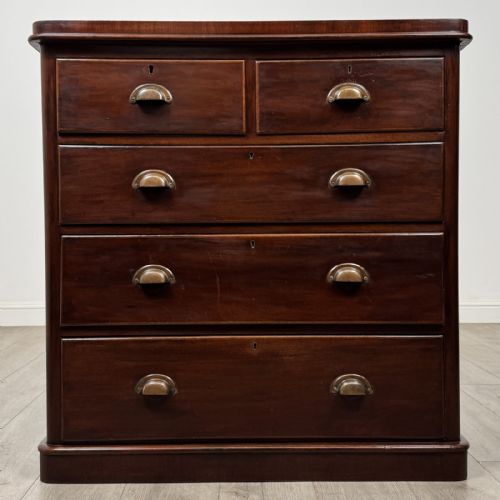
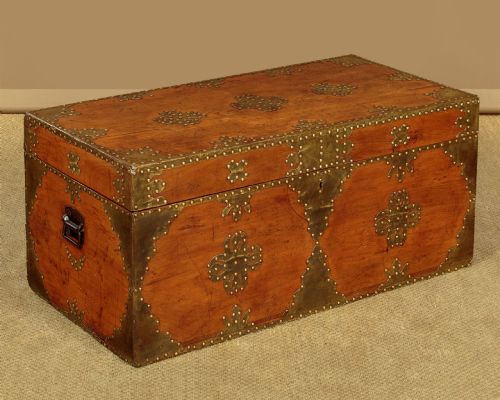
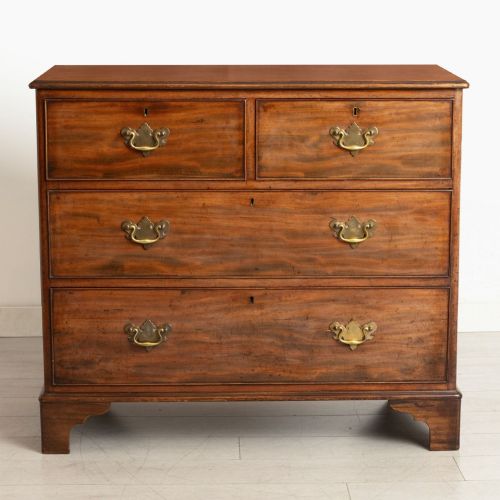
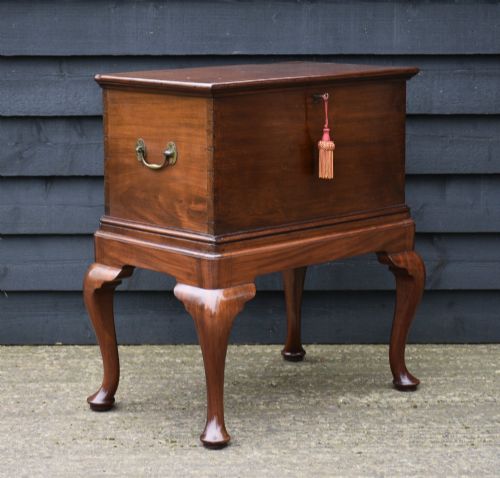
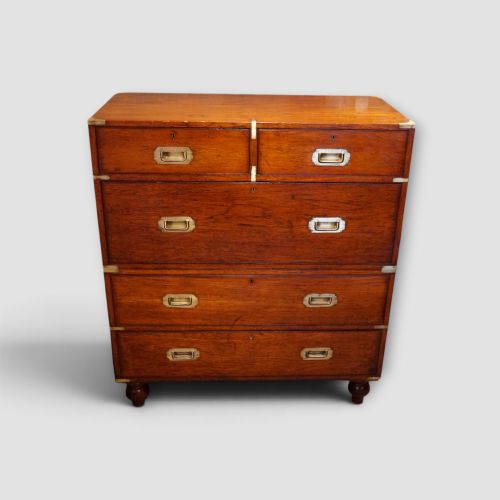
A victorian brass chest typically takes the form of a military campaign trunk, a two-part chest of drawers, or a storage box designed for mobility during the nineteenth century. These pieces originate from British military service, colonial outposts, and domestic households, utilising sturdy timbers like camphor wood, teak, and mahogany.
Buyers searching for a victorian brass chest will frequently encounter camphor wood trunks and sectional mahogany or teak drawer units reinforced with brass corners, strapping, and recessed carrying handles. Such items were built in sections to facilitate transport on ships and wagons, separating into modular blocks for practical relocation.
The selection ranges from heavy brass-bound storage coffers to refined secretaire chests fitted with writing surfaces and small internal compartments. These variants reflect the diverse administrative and personal needs of officers and travellers operating across the British Empire.
Materials and construction
Makers constructed these pieces using dense tropical hardwoods such as teak, camphor wood, and mahogany, often paired with secondary woods like oak or pine. Camphor wood was selected for storage trunks due to its insect-repelling properties, while teak and mahogany provided exceptional structural resilience in humid climates.
Brass corners, strapwork, flush-fitting drop handles, and escutcheons were screwed into the timber to protect edges and joints from the impacts of travel. This metalwork was frequently countersunk into the wood surface so that no projecting parts could catch or tear during transit.
Listings feature nineteen-century pieces primarily in camphor wood, mahogany, and teak, accented with brass mountings and leather surfaces.
Markers of quality
Quality in a victorian brass chest is determined by the precision of its joinery, the thickness and gauge of its brass hardware, and the integrity of its original internal fittings. Superior examples feature secret drawers, fitted writing compartments, and robust dovetailed drawer construction that withstands decades of use.
The proportion and integration of the brass mounts also define the hierarchy of pieces, with finer examples displaying hand-beveled strapping and flush-fitting hardware secured by numerous small screws rather than mass-produced adhesives or modern replacements.
Wm Insall of Bristol·Jas Shoolbred·Edwards and Roberts·Arthur Wannop·Tanns Defiance London
The Victorian Brass Chest Glossary
- Campaign chest
- A modular chest of drawers built in two or more stacking sections for ease of transport during military deployment. These units feature recessed brass handles and corner brackets to prevent snagging.
- Camphor wood
- A fragrant tropical hardwood utilised extensively for nineteenth-century storage trunks and chests. Its natural aromatic oils protect stored textiles from moths and dampness.
- Secretaire
- A cabinet or chest incorporating a pull-down writing drawer fitted with small pigeonholes and letter compartments. This dual-purpose feature allowed officers to handle correspondence while on the move.
- Escutcheon
- A protective plate surrounding a keyhole, usually cast in brass on these pieces. It prevents the surrounding wood from splitting through repeated insertion of the key.
- Dovetail
- A traditional wood joint formed by interlocking wedge-shaped fingers, prized for its tensile strength. It holds drawer corners together without reliance on metal nails.
Victorian Brass Chest: Frequently Asked Questions
How were these chests transported?
These chests were built in modular sections with recessed brass carrying handles designed for loading onto ships, pack animals, and wagons during military campaigns.
The sectional design allowed officers to split heavy drawer units into manageable single blocks for transit across difficult terrain.
Why use camphor wood?
Camphor wood possesses a strong natural aroma that repels insects and moths, making it the ideal timber for storing uniforms and linen in tropical climates.
Its lightweight yet durable nature also made it practical for frequent travel without adding excessive weight to baggage trains.
Are campaign chests two separate pieces?
Many campaign chests are constructed in two distinct stacking sections that lock together with brass side brackets and pins.
This two-part configuration made loading easier for transport and allowed officers to arrange their quarters flexibly in temporary accommodations.
What is a secretaire drawer?
A secretaire drawer pulls out and drops down to reveal a fitted writing surface complete with small pigeonholes and ink bottle compartments.
This clever multi-functional design provided a dedicated desk space within the footprint of a standard chest of drawers.